

Victorian Executive Furniture
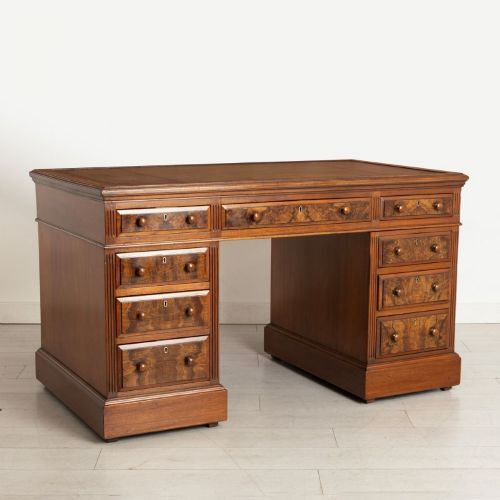
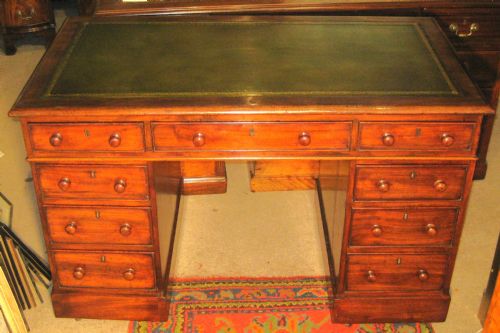
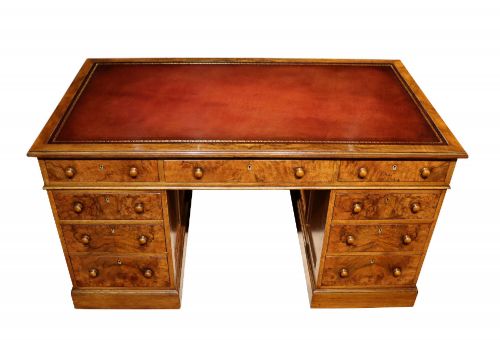
Victorian executive furniture comprises substantial timber desks and library tables built for private studies and boardrooms.
Victorian Executive Furniture
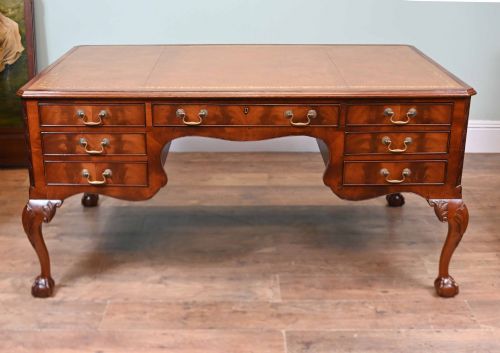
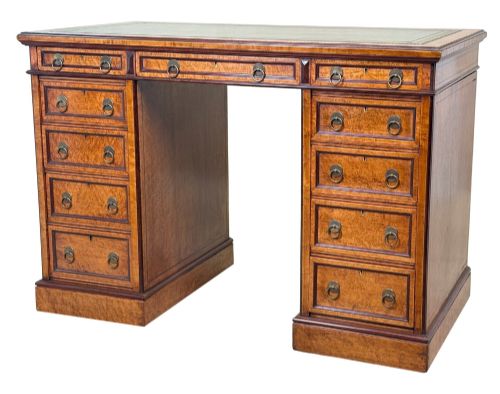
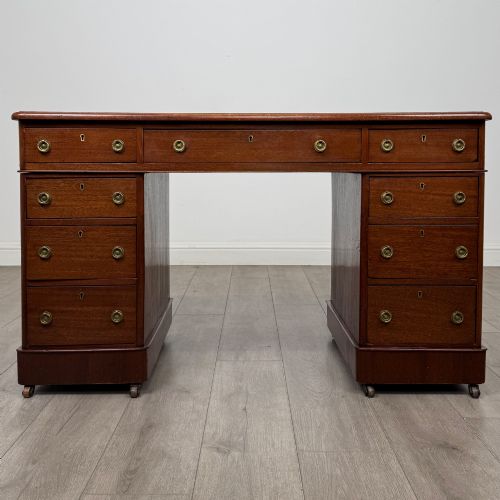
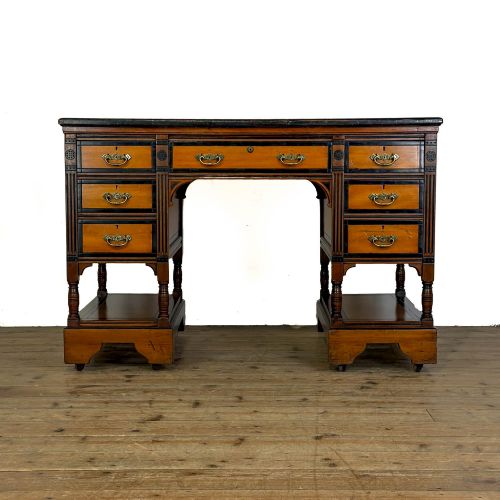
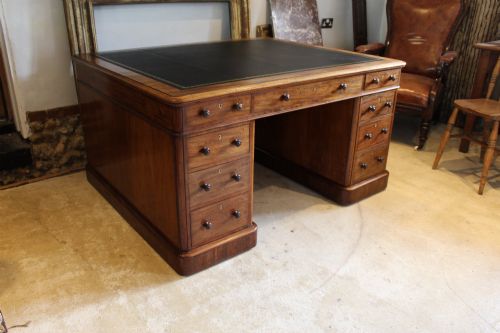
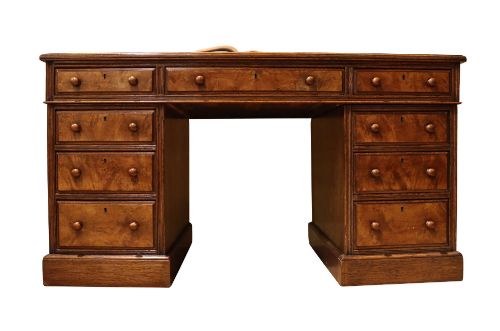
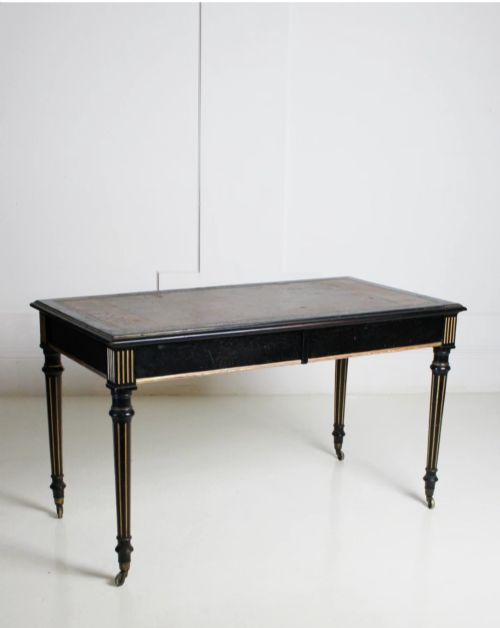
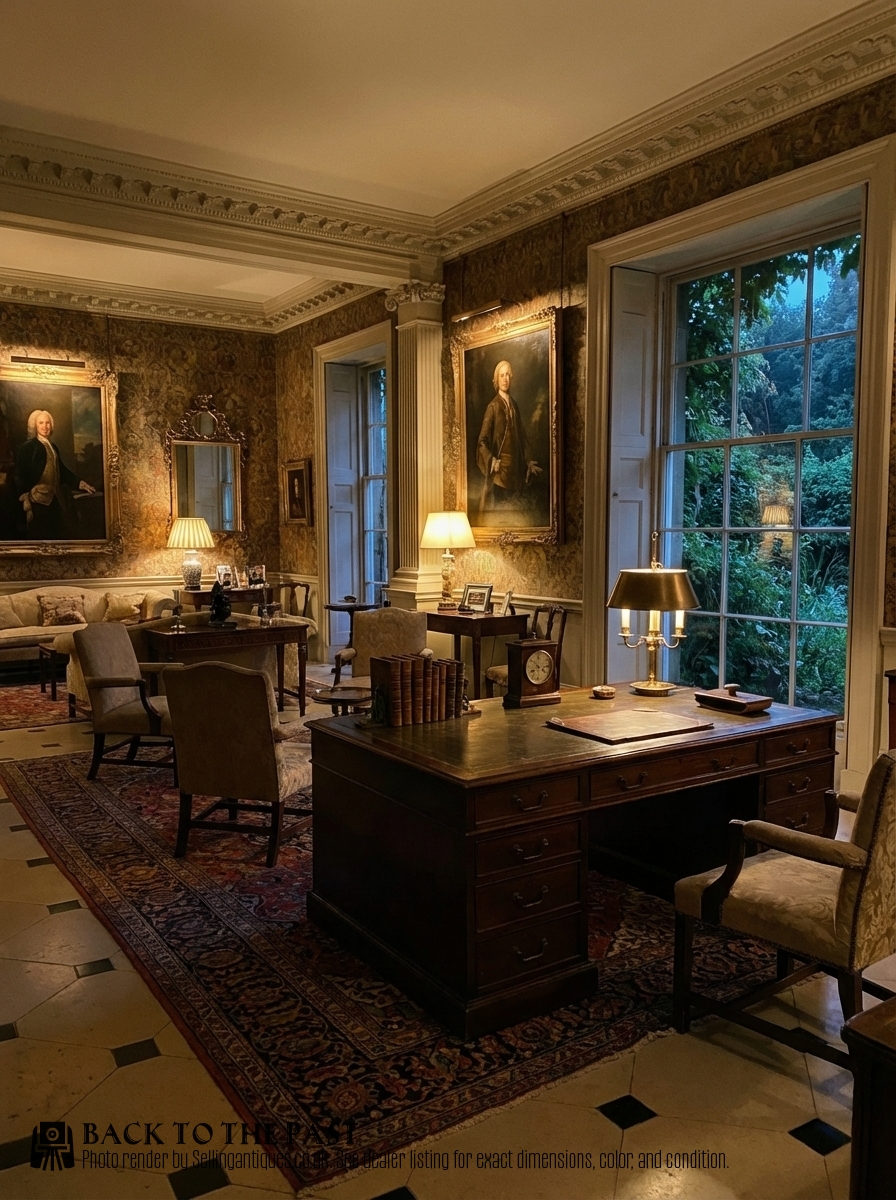
When you search for victorian executive furniture, you find heavy working pieces designed for serious administrative tasks in nineteenth-century offices and homes. The selection centres heavily on large pedestal desks, partners desks with workspace on both sides, and specific writing formats like the Dickens desk.
Most items you meet on this page date from the nineteenth century, spanning various decades up to the Edwardian transition. Woods such as mahogany, walnut, burr walnut, and oak dominate the forms, frequently accompanied by inset leather writing surfaces and brass drawer pulls.
Makers and retailers of the period produced everything from standard kneehole writing tables to grand boardroom suites with matching chairs. Stylistic variations range from strict Georgian revivals to Aesthetic Movement details and carved Anglo-Indian interpretations.
How they were made
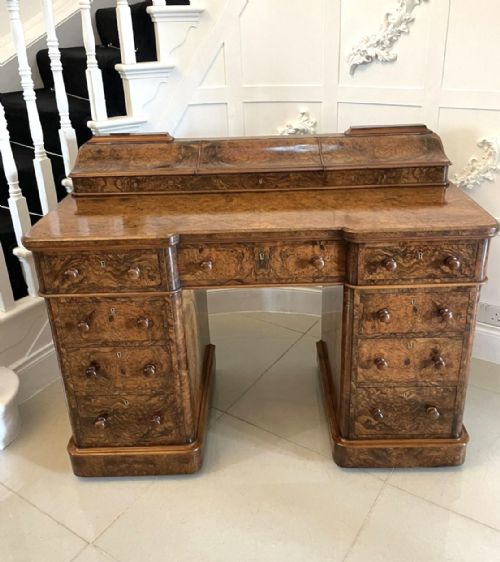
Cabinet makers built these pieces using solid hardwoods like mahogany and oak for structural integrity, often applying figured veneers such as burr walnut and flame mahogany to visible drawer fronts and tops. Secondary timbers line the drawer interiors, reflecting traditional joinery methods of the era.
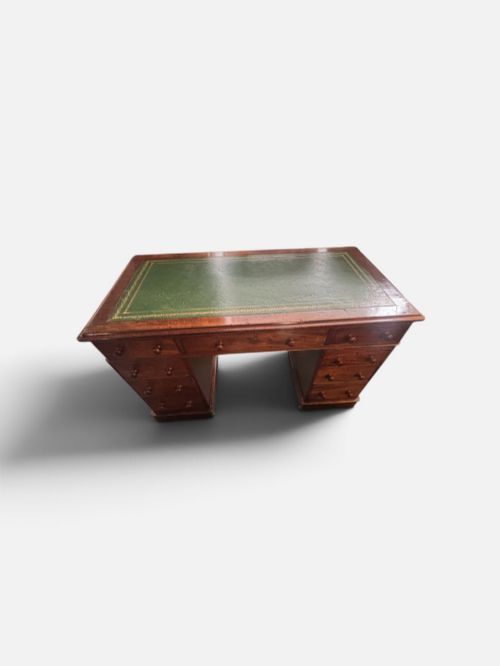
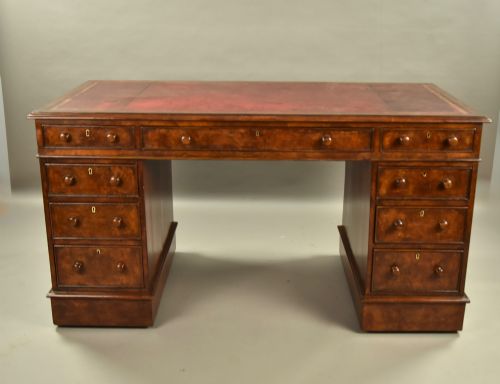
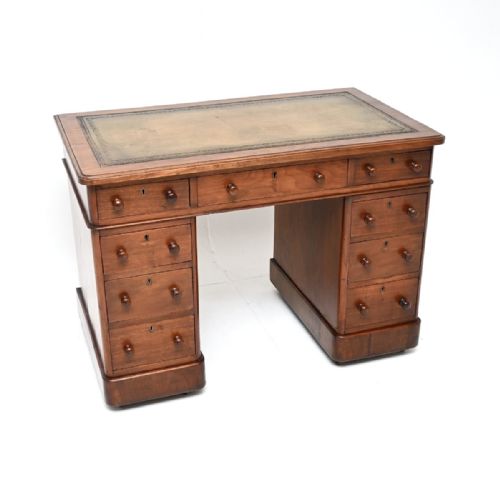
Writing surfaces typically feature inset panels of tooled leather, bordered by blind or gold-tooled decorative lines. Brass hardware, from simple drop handles to complex locking mechanisms, secures the multiple drawers found in pedestal and kneehole configurations.
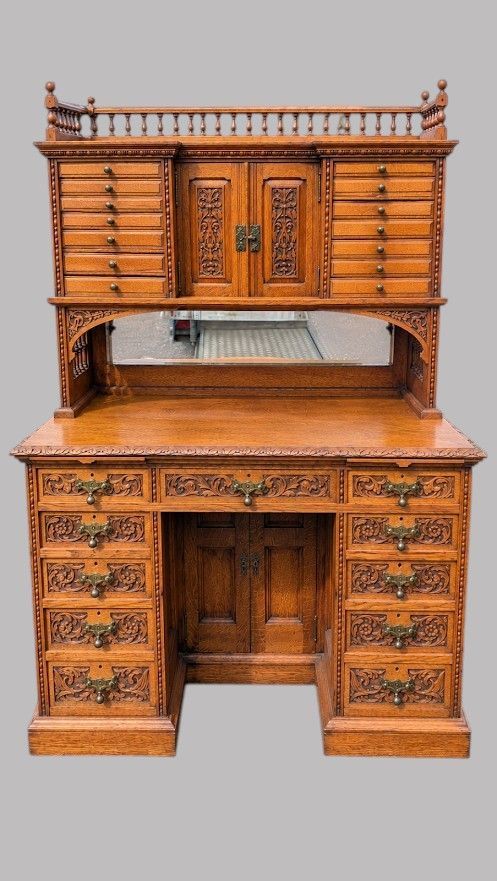
Some Dickens desks still retain their original working keys tucked inside the pigeonholes.
What varies in quality
The distinction between standard office output and the top of the range rests on the selection of timber and the ambition of the carving or inlay. Highly figured burr walnut veneers, crossbanding, and intricate parquetry elevate a piece beyond plain utility.
Workshop origin alters standing significantly, as pieces stamped by prominent makers or retailers command greater interest. The inclusion of secondary details, such as matching keys, finished backs on partners desks, and secondary drawer divisions, separates high-end commissions from mass production.
Trollope & sons·Charles Andrea Nosotti·Maple & Co.·Heal and son·GILLOWS Lancaster·Donald Ross
The Victorian Executive Furniture Glossary
- Partners desk
- A large double-sided pedestal desk designed for two people to work opposite one another at the same time. These typically feature drawers and cupboards on both faces.
- Pedestal desk
- A heavy freestanding writing desk comprising two flat-topped pedestals of drawers supporting a wide desktop. A central kneehole sits directly between the under-desk cabinets.
- Dickens desk
- A tall pedestal writing desk featuring a sloping top flanked or surmounted by stationary drawers and small compartments. This form provides elevated storage above the main writing surface.
- Crossbanding
- A decorative border technique where thin strips of veneer are laid so that the grain runs at right angles to the central panel. This frames the primary timber surface.
- Parquetry
- Geometric mosaic woodwork formed by small pieces of veneer fitted together to create patterned surfaces on tabletops and drawer fronts.
Victorian Executive Furniture: Frequently Asked Questions
What is a partners desk?
A partners desk is a double-sided pedestal desk built with drawers and cupboards facing outward on both sides. This allows two people to sit opposite each other and work simultaneously.
Such pieces were standard in nineteenth-century banks, legal offices, and large domestic libraries where space and shared administration required a central double-sided station.
Are these desks suitable for daily modern use?
These desks provide substantial workspace and robust storage that easily accommodates contemporary office equipment. Their solid timber construction and hardwearing leather tops handle daily tasks comfortably.
Many buyers pair the generous kneeholes and deep drawers with modern seating while maintaining the traditional aesthetic of a nineteenth-century study.
What timber was most commonly used?
Mahogany and walnut form the core of nineteenth-century executive furniture, often chosen for their durability and deep natural grain. Burr walnut and flame mahogany veneers provided high-status decorative finishes.
Oak also appears frequently in functional kneehole desks and library tables, while occasional examples utilise padauk or teak.