





Victorian Entomology Specimen
A victorian entomology specimen cabinet brings the meticulous study of the natural world into a room through deeply organised wooden drawers.
Victorian Entomology Specimen
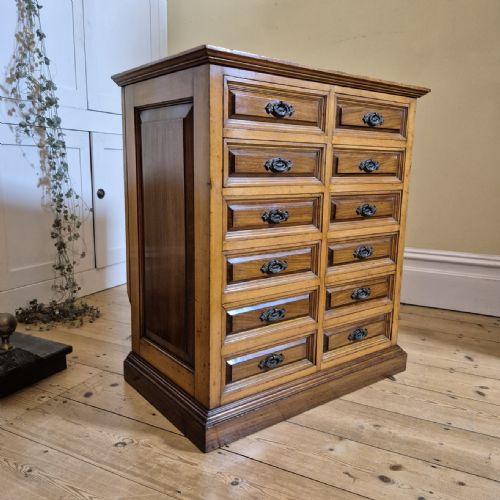
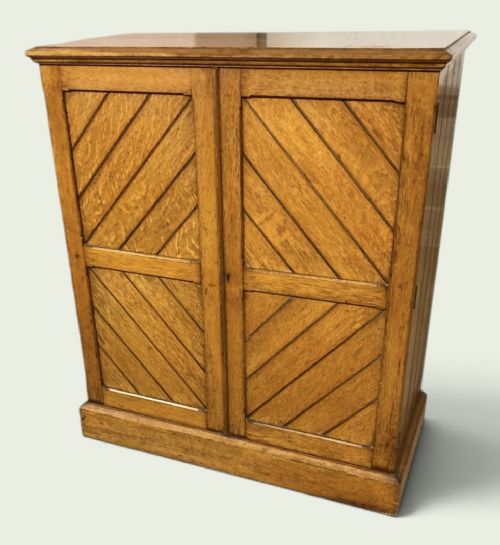
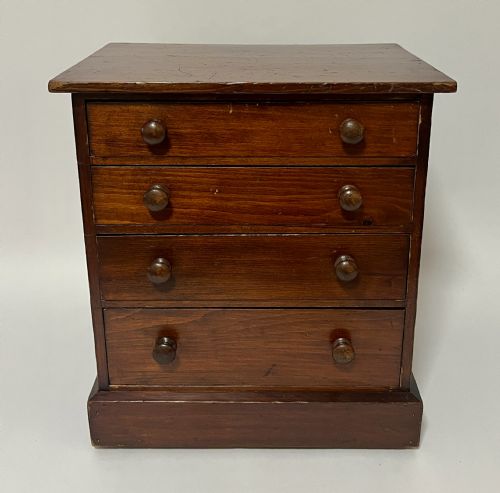
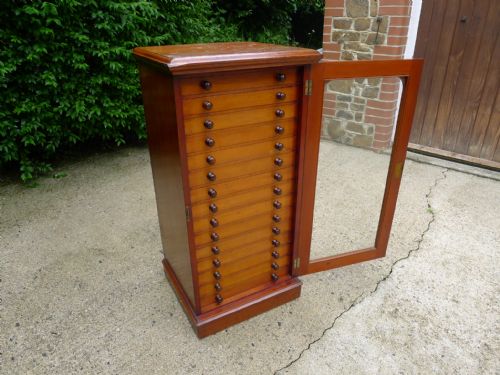
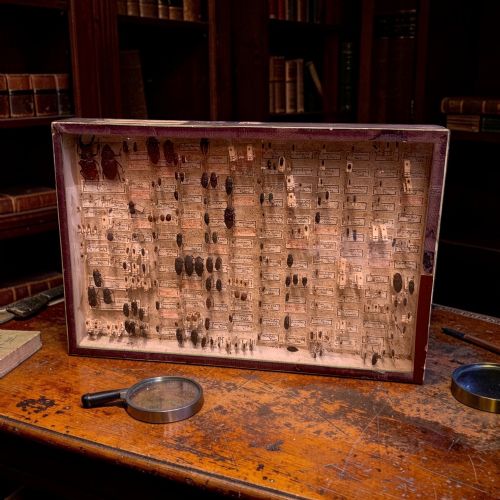
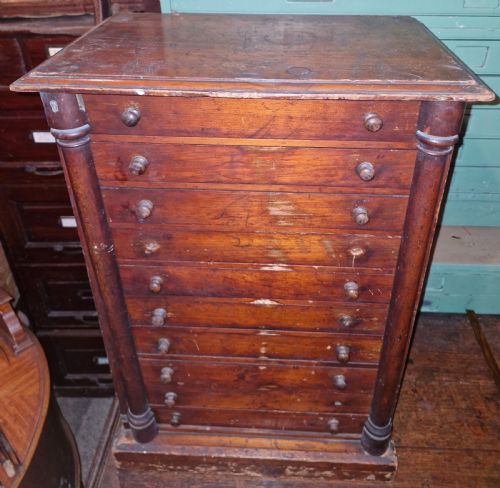
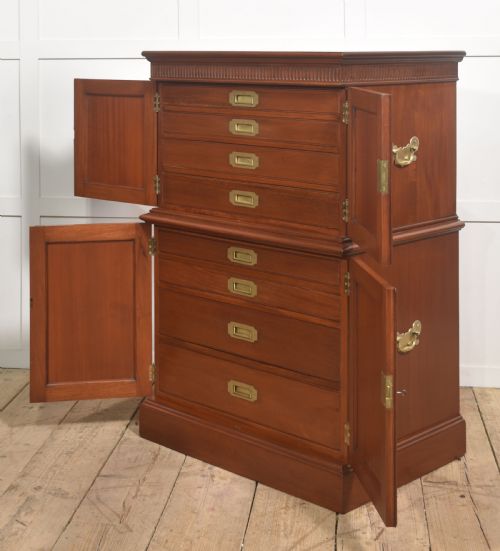
A victorian entomology specimen object is typically encountered as a multi-drawer collectors cabinet, chest, or display case designed for housing natural history collections. These pieces emerge predominantly from the nineteenth century, spanning decades from the eighteen-sixties through the nineteen-hundreds, with occasional examples extending into the early twentieth century. The primary forms range from compact five-drawer chests to substantial forty-drawer cabinets constructed to hold delicate scientific archives.
The materials utilised in these cabinets reflect nineteenth-century cabinet-making priorities, relying heavily on dense timbers and secure glazing. Mahogany and walnut appear frequently, alongside pine, oak, and flame mahogany veneer, often paired with brass handles and glass panels to protect the contents. Interiors are typically arranged with numerous shallow drawers tailored specifically for insect specimens, eggs, or microscopic slides.
How they were made
Cabinet makers relied on robust hardwoods like mahogany, walnut, and oak to build carcases that would remain stable and protect sensitive contents over generations. Veneers such as flame mahogany and burr walnut were applied to primary display surfaces to create figured grain patterns, while secondary timbers like pine formed internal drawer structures.
Joinery incorporated tight tolerances to ensure drawers slid smoothly while maintaining dust-proof seals essential for preserving organic specimens. Glass fronts and brass hardware were integrated meticulously into the frames, balancing functional utility with refined nineteenth-century craftsmanship.
Victorian Entomology Specimen Retail Price Guide 2026
Typical asking prices for victorian entomology specimen among the pieces listed under this phrase on Sellingantiques today, from the lower quarter to the upper quarter. They describe what is for sale here now, not the wider market.
One remarkably persistent beetle once travelled through three distinct centuries inside a twenty-four drawer cabinet without ever losing its pin.
What varies in quality
Quality rests significantly upon the scale and ambition of the cabinet, distinguishing modest six-drawer domestic chests from monumental institutional cabinets containing dozens of drawers. The choice of exterior timber, from simple stained pine to highly figured burr walnut and flame mahogany veneer, immediately sets apart the tier of craftsmanship.
Internal execution further defines the standard of a piece, particularly the precision of the drawer construction and the integration of specialised maker credentials. Cabinets bearing the attribution of established natural history outfitters display superior joinery, specialised glass framing, and retained provenance that elevate their standing.
WATKINS & DONCASTER·STANDISH·J.T.CROCKETT·J.C.DALE
The Victorian Entomology Specimen Glossary
- Collectors Cabinet
- A specialised piece of furniture featuring multiple shallow drawers designed to organise and protect natural history specimens. These units range from small bedside chests to massive multi-drawer architectural banks.
- Flame Mahogany Veneer
- A thin layer of timber sliced from mahogany showing a distinctive flickering flame-like grain pattern. Cabinet makers applied this decorative surface to the primary facades of high-status furniture.
- Specimen Case
- A smaller, often glazed box or shallow chest intended for tabletop display or transport of individual scientific items. They provide secure visibility while keeping dust away from delicate contents.
- Burr Walnut
- A highly prized timber obtained from walnut tree growths, characterised by swirling, intricate knot patterns. It appears on sophisticated nineteenth-century cabinetry for its decorative visual depth.
Victorian Entomology Specimen: Frequently Asked Questions
What were these cabinets originally used for?
These cabinets served as secure storage systems for nineteenth-century naturalists and collectors to classify and protect butterflies, beetles, eggs, and botanical samples.
The shallow drawers kept specimens flat and organised, while tightly fitted glass doors and wooden frames protected fragile collections from dust and light degradation.
How do I date a victorian specimen cabinet?
Dating relies on examining the construction methods, timber choices, and hardware styles characteristic of the nineteenth century. Details such as dovetailing, drawer lining timbers, and brass pulls help narrow the decade of production.
Some cabinets also retain maker stamps, paper labels, or documented provenance that provide a precise timeline of their creation.
Are all the drawers the same depth?
Drawers in these cabinets are typically uniform and very shallow, engineered specifically to hold pins and small classification cards without wasting vertical space.
Larger cabinets sometimes incorporate deeper base drawers or varied configurations to accommodate larger biological specimens or associated recording equipment.
How do I care for the wood finish?
Maintenance involves keeping the timber away from direct sunlight and fluctuating humidity sources that could affect antique veneers and solid mahogany or walnut.
Applying a traditional beeswax polish occasionally helps nourish the historic wood surface and maintains its natural lustre without sealing the grain.