
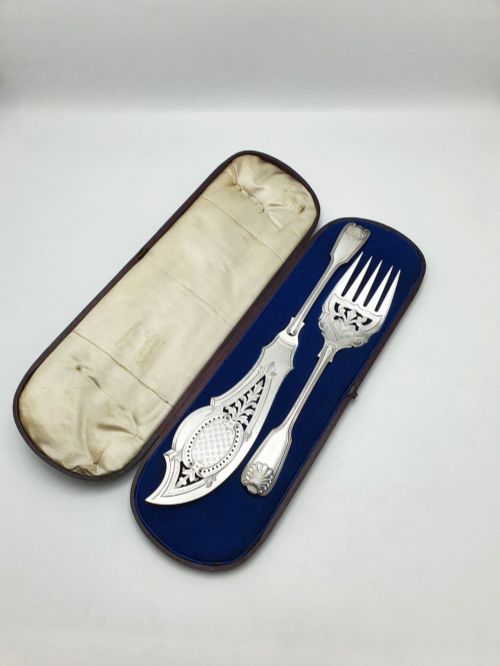


Victorian Engraved Silver Cutlery
Victorian engraved silver cutlery brings together nineteenth-century craftsmanship and domestic dining, offering detailed handles and blades suited for formal meals.
Victorian Engraved Silver Cutlery
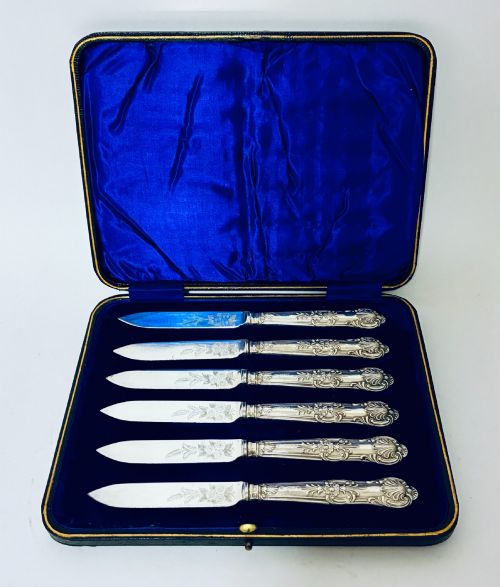
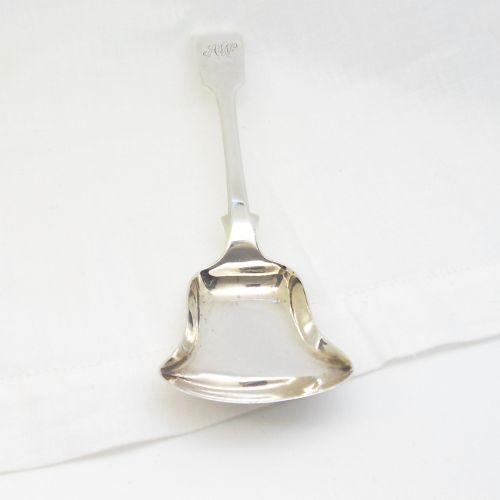
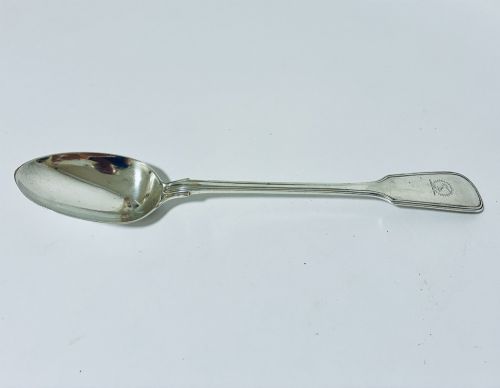
Victorian engraved silver cutlery comprises items made for dining, serving, and specific tasks like fruit consumption or fish courses, originating mostly in the nineteenth century. Buyers encounter single pieces as well as cased sets containing knives, forks, spoons, or specialised servers.
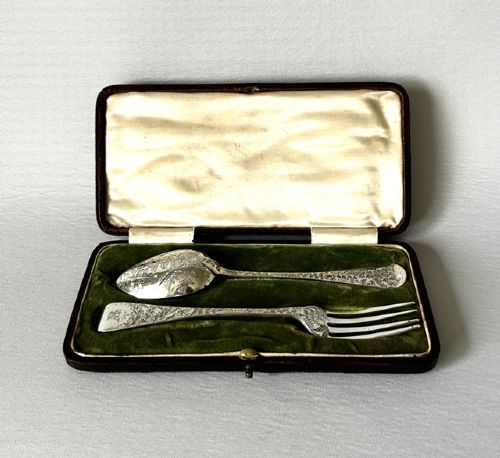
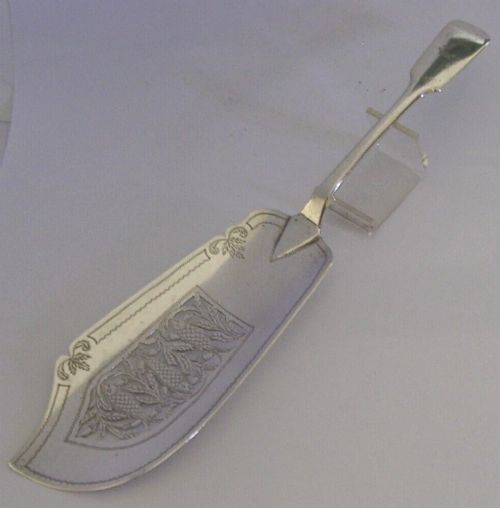
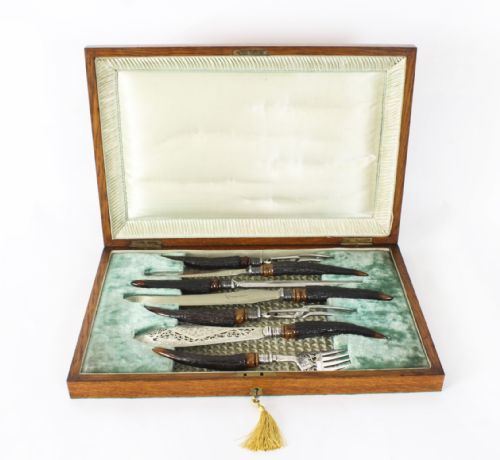
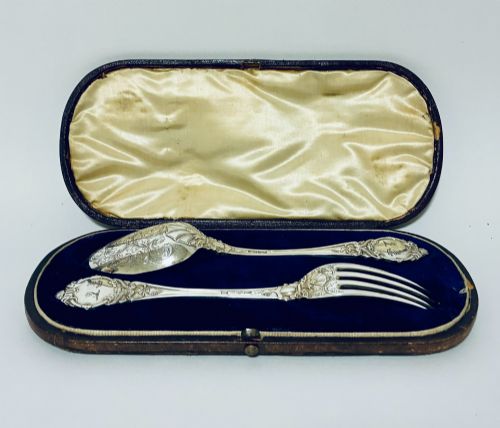
The material record includes sterling silver, silver plate, and silver-gilt alongside handles formed from mother-of-pearl, horn, antler, and agate. Pieces range from modest individual teaspoons and butter knives to large fish servers, carving sets, and Christening sets housed in velvet- or silk-lined boxes.
The selection reflects both English and continental origins, with specific regional hallmarks appearing on spoons and ladles. Cased sets often survive alongside their original presentation boxes, pointing to their history as gifts for significant occasions.
Materials and construction methods
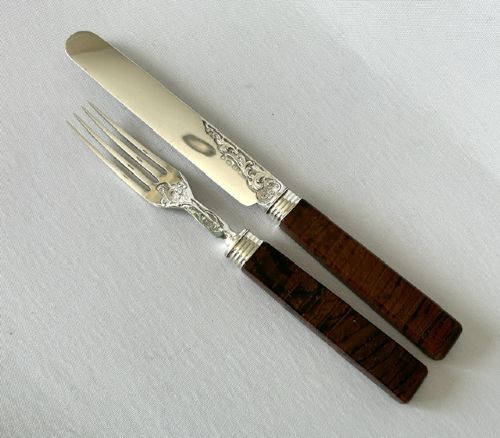
Makers utilised sterling silver and silver plate for blades, bowls, and tines, often applying rich gilding to create silver-gilt berry spoons and decorative fruit sets. Handles frequently incorporated organic materials such as mother-of-pearl, natural antler horn, and agate, pinned or fitted securely to the metal shafts.
Engraving techniques involved hand-chiselling floral, naturalistic, or crest designs directly onto the metal surface, while cast elements provided heavier relief work on serving pieces and handles. Silversmiths worked within established regional centres such as Sheffield, Newcastle, and Edinburgh, applying hallmarks to designate purity and origin.
Listings feature Victorian, Georgian, and Edwardian periods alongside materials such as sterling silver, silver plate, mother-of-pearl, and silk.
Distinctions in design and execution
Quality rests upon the depth and clarity of the hand engraving, where crisp, deliberate lines distinguish superior work from shallow or machine-assisted marking. The integration of handle materials, such as closely fitted mother-of-pearl or secure antler mountings, indicates the standard of assembly.
The presence of complete, original fitted cases lined in silk or velvet elevates specific cased sets, particularly when accompanied by clear maker marks and legible provincial or London hallmarks.
John Walton·George Unite·Sebastian Crespell·Robert Stebbings·Thomas Harwood and Co·JOHN ROUND
The Victorian Engraved Silver Cutlery Glossary
- Hallmark
- Official stamps struck into precious metals to guarantee purity, origin year, and the maker's identity. These marks allow collectors to trace the exact provenance of nineteenth-century items.
- Silver-gilt
- Sterling silver that has been coated with a thin layer of pure gold through electrolysis or fire gilding. This technique gives spoons and forks a warm, golden finish.
- Christening set
- A matched group of cutlery, often comprising a knife, fork, and spoon, presented in a fitted box to mark the baptism of a child. They frequently feature ornate nineteenth-century engraving.
- Fish server
- A wide, flat blade paired with a matching fork, designed specifically for serving fish courses at formal Victorian dinners. The blades often display pierced and engraved aquatic motifs.
Victorian Engraved Silver Cutlery: Frequently Asked Questions
What pieces are included in a Christening set?
A Christening set typically comprises a knife, fork, and sometimes a spoon, designed in a smaller scale for a child.
These sets are frequently found housed in their original silk- or velvet-lined presentation boxes, dating from the Victorian era.
How do I identify silver plate from sterling silver?
Sterling silver items bear official hallmarked stamps indicating metal purity, whereas silver-plated pieces generally lack these specific assay office marks.
Plated items rely on a base metal core beneath a thin layer of deposited silver.
Were handle materials like mother-of-pearl common?
Organic materials such as mother-of-pearl, agate, horn, and antler were frequently utilised for handles on nineteenth-century knives, forks, and serving pieces.
These materials provided a textural contrast to the polished silver blades and tines.
What is the purpose of berry spoons?
Berry spoons are large serving spoons featuring heavily embossed or engraved fruit and leaf designs across the bowl and handle.
They were introduced for serving soft fruits during nineteenth-century dining rituals.