

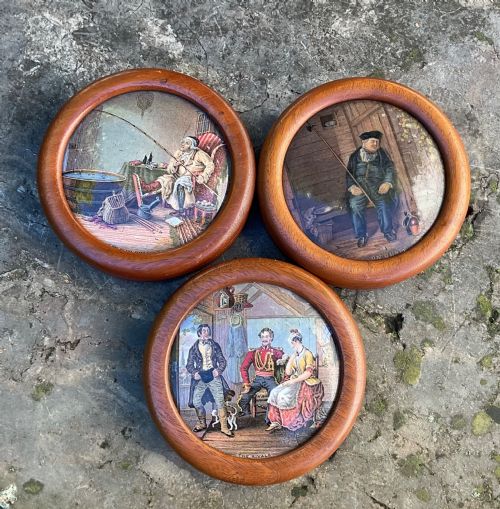
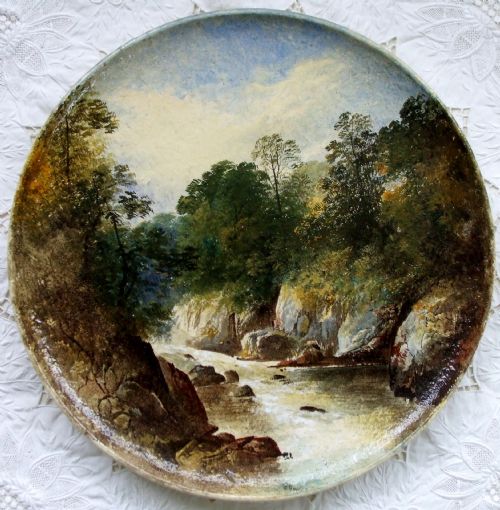


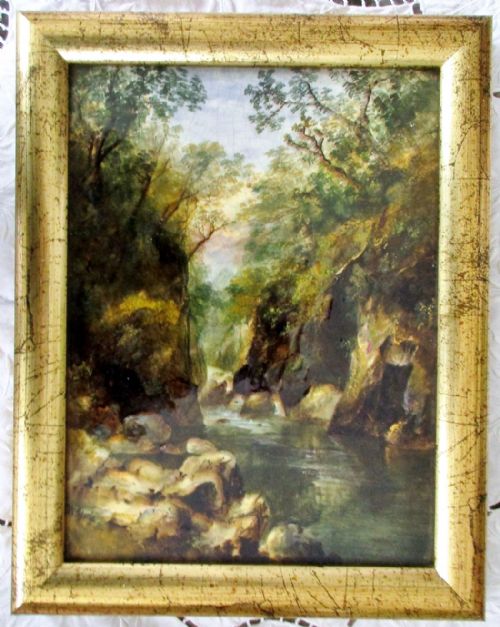
Victorian Earthenware Wall Plaque
These Victorian earthenware wall plaque examples bring nineteenth-century ceramic artistry straight to your interior walls through colourful printed scenes and moulded earthenware.
Victorian Earthenware Wall Plaque
When you search for a victorian earthenware wall plaque, you encounter nineteenth-century decorative ceramics made to hang on interior walls rather than sit on dining tables. The pieces on this page span the Victorian era, taking forms such as framed pot lids, large decorative plates, and signed landscape plaques.
Makers across England and Scotland produced these items during the nineteenth century, capturing subjects from Scottish literary scenes to Welsh beauty spots. You will find works originating from factories like Copeland and Portobello, often featuring detailed painted or printed surfaces.
Styles range from straightforward Victorian folk art to pieces bridging Victorian tastes and early Art Nouveau curves. They offer a tangible record of nineteenth-century domestic decoration designed specifically for display.
How They Were Made
Potters shaped these objects from earthenware clay before applying enamel glaze or standard glaze to seal the porous body. Many pieces incorporated transfer-printed imagery or hand-painted details beneath or over the glaze to build up complex figurative and landscape scenes.
Makers frequently mounted completed ceramic discs or pot lids within wood frames to facilitate wall hanging. Gilding and enamel highlights were sometimes added to enhance specific details of the composition before final firing.
Victorian Earthenware Wall Plaque Retail Price Guide 2026
Typical asking prices for victorian earthenware wall plaque among the pieces listed under this phrase on Sellingantiques today, from the lower quarter to the upper quarter. They describe what is for sale here now, not the wider market.
Nineteenth-century buyers enjoyed hanging discarded ointment pot lids on their walls, turning everyday packaging into prized parlour art.
What Varies in Quality
The distinction between standard commercial output and finer work lies in the clarity of the transfer printing and the precision of the hand-painting. Pieces decorated and signed by named artists demonstrate a higher tier of factory production than anonymous workshop output.
The complexity of the subject matter and the richness of the enamel glaze further divide the range. Intact original wood frames and well-preserved gilt highlights contribute to the overall integrity of a piece.
Copeland Pottery·Portobello·Minton·William Yale
The Victorian Earthenware Wall Plaque Glossary
- Earthenware
- A porous type of pottery fired at lower temperatures than stoneware or porcelain. It requires a glaze to become impermeable to liquids.
- Pot Lid
- A small ceramic disc originally manufactured to cover packaging for pastes and pomades in the nineteenth century. Collectors later prized these lids for their detailed transfer-printed historical and genre scenes.
- Transfer Printing
- A decoration technique involving the transfer of an engraved design from a copper plate to paper and then onto the ceramic surface. This method allowed factories to reproduce intricate pictures consistently across multiple items.
- Majolica
- A type of earthenware coated with an opaque tin glaze and painted with brightly coloured metal oxides. It achieved immense popularity during the Victorian period for figurative and botanical wares.
- Enamel Glaze
- A glossy, pigmented coating fused to the ceramic body during firing. It provides vibrant colouration for painted or printed details on nineteenth-century wall art.
Victorian Earthenware Wall Plaque: Frequently Asked Questions
How do I hang a heavy ceramic plaque safely?
Most antique wall plaques feature integrated mounting loops or rely on their original wood frames for secure hanging. Ensure your wall fixings match the weight of the ceramic and frame combination.
Avoid hanging plaques in areas subject to excessive vibration or moisture, as the earthenware body and any historic framing require stable indoor conditions.
Were these plaques meant for walls originally?
Makers designed many of these items specifically for interior display, utilising dedicated wall plaques alongside decorative plates and framed pot lids. Some pieces originated as functional containers before collectors repurposed them.
Nineteenth-century households frequently displayed ceramic art across parlour and hallway walls to showcase picturesque views and literary subjects.
How do I identify a signed Victorian plaque?
Artists sometimes painted their names directly onto the glaze surface alongside specific landscape titles and catalogue numbers. Factory marks stamped into the reverse of the earthenware body also help identify the origin.
Examining the brushwork under magnification reveals the touch of individual decorators working within major nineteenth-century potteries.
Can I clean antique earthenware glazes safely?
Dust these pieces gently with a dry, soft brush to prevent accumulation on the glazed surface or within frame crevices. Avoid immersing framed items in water to protect the historic wood and backing materials.
Harsh chemical cleaners will damage enamel glaze and nineteenth-century gilding, so gentle dry maintenance remains the safest approach.