



Victorian Earthenware Seat
These Victorian earthenware seat examples bring robust English character to a room, offering functional pottery shaped from local clay.
Victorian Earthenware Seat
A victorian earthenware seat typically takes the form of a sturdy glazed conservatory seat or an oriental inspired ceramic garden seat from the nineteenth century. These sturdy vessels were fired to withstand regular use in domestic settings or protected outdoor spaces.
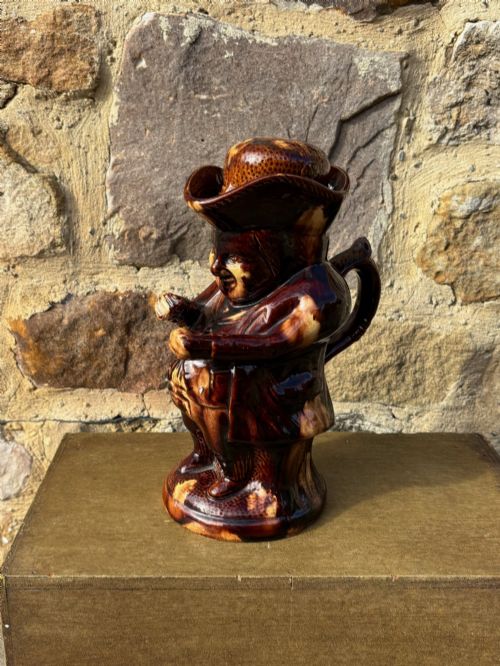
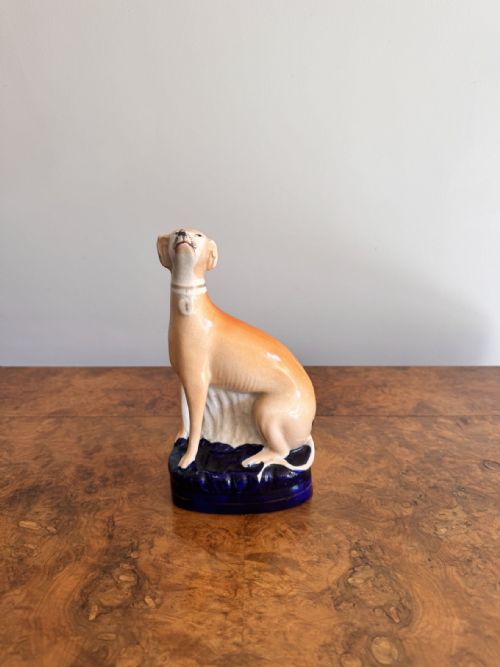
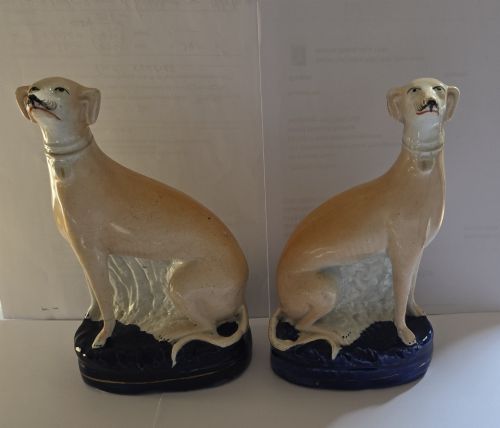
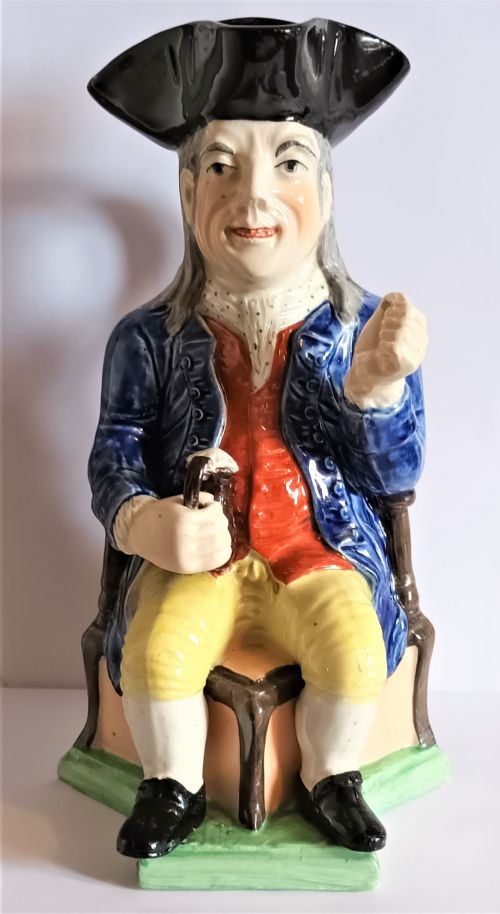
Buyers will also encounter large pairs of Victorian seated Staffordshire spaniel dogs, greyhounds, and whippet figures which often function as fireside ornaments rather than seating. Figurines of Queen Victoria and Toby jugs complete the spread of ceramic forms recorded in this tradition.
Methods and materials
Potters shaped these objects from earthenware and terracotta clay bodies, forming the structures by hand or in moulds before firing. Glaze, enamel, and gilt were then applied to the surfaces to add colour and sheen.
Treacle glaze treatments and cobalt blue embellishments appear across the figures and vessels, providing a durable glossy finish that protected the porous ceramic underneath.
Victorian Earthenware Seat Retail Price Guide 2026
Typical asking prices for victorian earthenware seat among the pieces listed under this phrase on Sellingantiques today, from the lower quarter to the upper quarter. They describe what is for sale here now, not the wider market.
Materials recorded span basic earthenware, terracotta, enamel, gilt, and glossy glaze finishes.
Judging quality
Substantial scale also distinguishes the more impressive conservatory and garden furniture from smaller domestic shelf ornaments.
The Victorian Earthenware Seat Glossary
- Earthenware
- Porous pottery fired at lower temperatures than stoneware, requiring a vitreous glaze to hold liquids and resist wear. It forms the primary body for the figures and garden furniture listed here.
- Treacle glaze
- A dark, glossy brown lead-based glaze popular on nineteenth-century British ceramics. It gives pottery a rich, treacly appearance that catches the light.
- Terracotta
- Unglazed brownish-red fired clay used for large sculptural figures and heavy garden vessels. It weathers naturally when placed in conservatories or gardens.
- Flatback
- A ceramic figure designed with an unadorned flat rear side meant to stand against a mantelpiece wall. This method saved on materials during production.
Victorian Earthenware Seat: Frequently Asked Questions
What is a conservatory seat?
A conservatory seat is a large ceramic or terracotta vessel designed to support weight while placed in a sunroom or indoor garden. These pieces utilise sturdy earthenware bodies to handle regular sitting.
They offer both a decorative anchor and a functional resting place within nineteenth-century domestic interior schemes.
How do I care for glazed earthenware?
Glazed earthenware requires gentle cleaning with a soft cloth and lukewarm water to protect the historic surface. Avoid harsh chemical cleaners that might damage the enamel or gilt details.
Keep these ceramic pieces away from freezing outdoor temperatures to prevent moisture trapped in the clay body from expanding.
Where were these ceramics made?
Many of these pieces originated in the Staffordshire potteries of England during the nineteenth century. Local clay and established kiln techniques drove the production of both figures and large seats.
Regional workshops adapted oriental styles and domestic animal subjects to suit Victorian tastes.
Are spaniel figures seats?
Staffordshire spaniel figures and greyhound sculptures are decorative ornaments rather than functional seating. They were traditionally placed on mantelpieces or by the hearth to watch over the room.
Their substantial size and paired groupings give them a strong visual presence similar to larger furnishings.