





Victorian Drinking Set
A victorian drinking set brings together the decanters, glassware and locking frames that defined nineteenth-century hospitality and entertaining.
Victorian Drinking Set
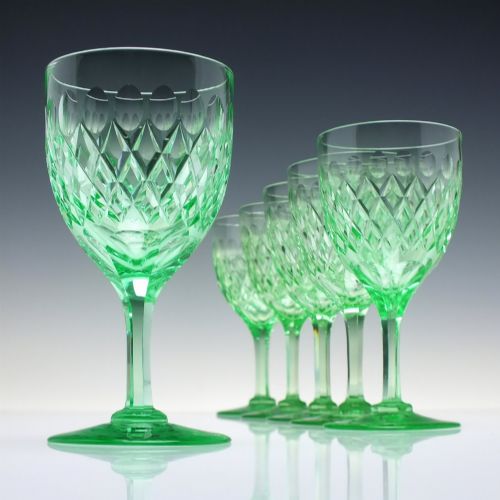
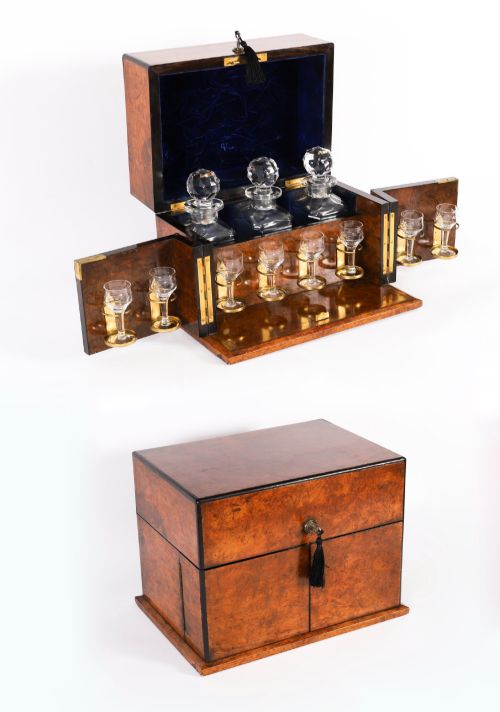
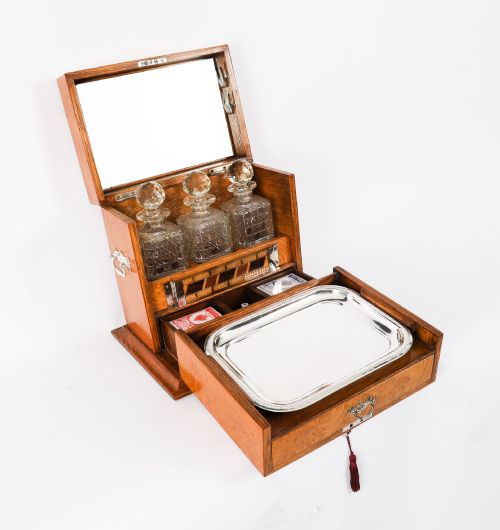
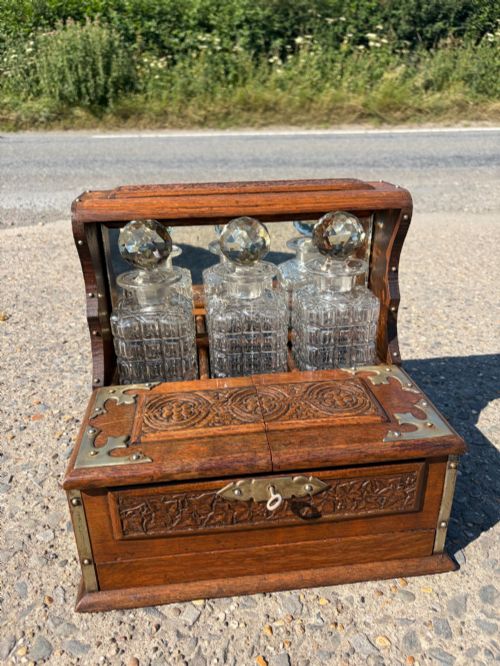
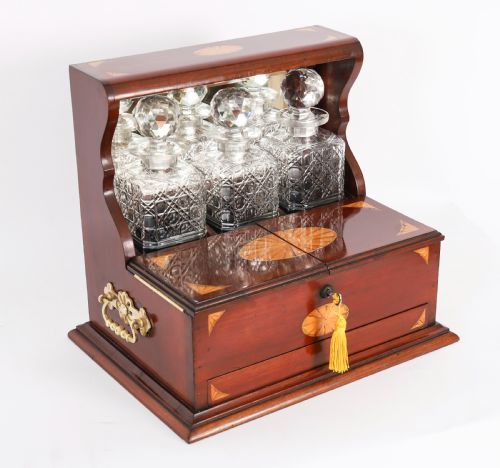
When you search for a victorian drinking set, you encounter everything from locking oak tantaluses fitted with cut crystal decanters to matched services of coloured wine glasses and spirit flasks. The most common form on this page is the tantalus, housing two or three decanters behind a brass-mounted frame, frequently combined with a games compendium. Alongside these security bars, the selection includes sets of hand-blown stemware in cranberry, green, amber and clear crystal.
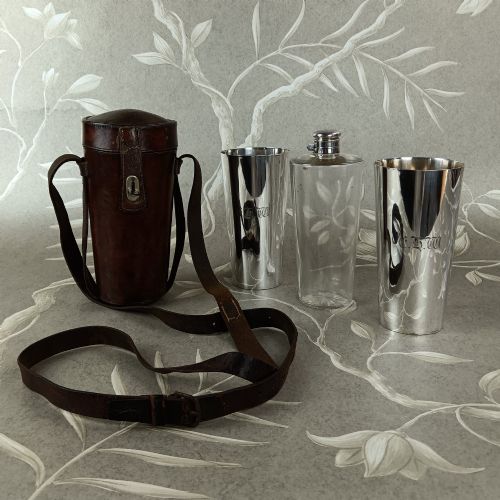
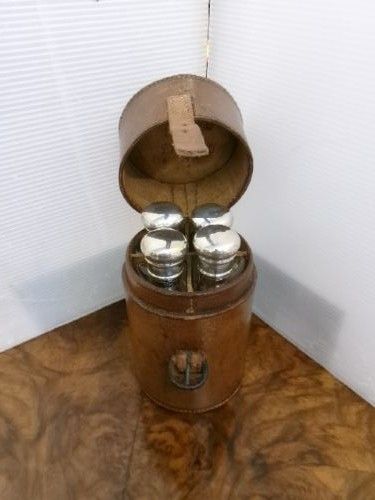
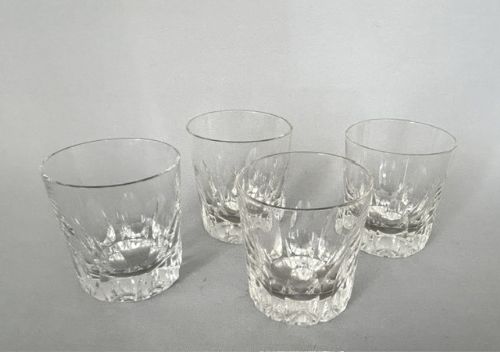
The objects span barware, liqueur stands, spirit sets and portable field campaign cases designed for travel. Oak predominates as the housing material, often inlaid with satinwood or walnut, while the glassware ranges from small whisky tumblers to heavy rummers and engraved dessert wine glasses. These sets reflect the domestic rituals of the period, keeping spirits secure while displaying colourful glassware on sideboards.
Materials and Construction
Makers built the frames of these drinking sets from solid oak, walnut and satinwood, applying brass mounts, locks and campaign handles for security and transport. The timber is frequently figured, marquetry strung or polished to a deep lustre, housing fitted interiors designed to hold decanters and glassware snugly in place.
Glassware components rely on hand-blowing, cutting, etching and silver plating. Decanters and tumblers utilise heavy crystal, cut glass or coloured glass such as cranberry and Bristol green, paired with silver-plated frames, barrel dispensers and tot pails.
Victorian Drinking Set Retail Price Guide 2026
Typical asking prices for victorian drinking set among the pieces listed under this phrase on Sellingantiques today, from the lower quarter to the upper quarter. They describe what is for sale here now, not the wider market.
Some Victorian drinkers required a locked wooden cage to stop guests helping themselves to the brandy.
Assessing Quality
Quality rests on the integrity of the mechanism and the crispness of the materials. A superior tantalus employs heavy cast brass locking bars and well-figured oak with precise marquetry stringing, rather than stamped sheet metal and plain timber. The mechanisms operate smoothly, securing the decanter stoppers firmly within the frame.
In the glassware, the distinction lies in the depth of the cut crystal, the resonance of the metal in the glass, and the uniformity of hand-blown services. Intricate wheel-engraving, matched sets of fifteen or sixteen pieces, and original silver plating elevate a drinking set above standard utility ware.
James Dixon And Sons
The Victorian Drinking Set Glossary
- Tantalus
- A locking drink cabinet that holds decanters securely behind a metal bar so guests cannot pour a drink without a key. The name derives from the mythological figure Tantalus, who was kept just out of reach of water.
- Cranberry Glass
- A rich red-pink glass coloured with gold chloride during production, widely used for Victorian wine glasses and stemware. It appears frequently in matched sets from the late nineteenth century.
- Rummer
- A large, heavy drinking glass with a short stem and a baluster profile, used for punch, beer or wine. These pieces date back to the Georgian period and continued into the Victorian era.
- Games Compendium
- A fitted box containing boards and pieces for pastimes like chess, whist or backgammon, often built into the base of a tantalus or dry bar. These multi-purpose boxes served as complete entertainment hubs for the home.
Victorian Drinking Set: Frequently Asked Questions
What is a tantalus?
A tantalus is a locking wooden frame that holds glass decanters in place with a metal bar, preventing servants or guests from accessing the spirits without a key.
First patented in the Victorian era, these security devices combine fine cabinetry with practical utility for the dining room or study.
How were spirit sets used?
Spirit sets were kept on sideboards or in studies to offer whisky, gin or brandy to visitors after dinner. They brought together decanters, tumblers and sometimes water jugs in a single portable or stationary display.
Travel versions, known as campaign sets, packed similar drinking vessels into leather or wooden cases for journeys.
Why are some glasses coloured?
Coloured glassware, including cranberry, emerald green and amber pieces, became popular during the Victorian period due to advances in glass chemistry and changing dining fashions.
Different metallic oxides added to the molten batch produced these vivid hues, which contrasted sharply with traditional clear crystal.
How do I date a drinking set?
Dating relies on combining the wood type, locking mechanisms, glass style and any maker's marks found on the silver plating or mounts. Oak frames with heavy brass locking bars and hand-blown cut crystal typically point to the Victorian and Edwardian decades.
Earlier Georgian examples tend to feature heavier rummers and simpler wooden cases without complex locking mechanisms.