

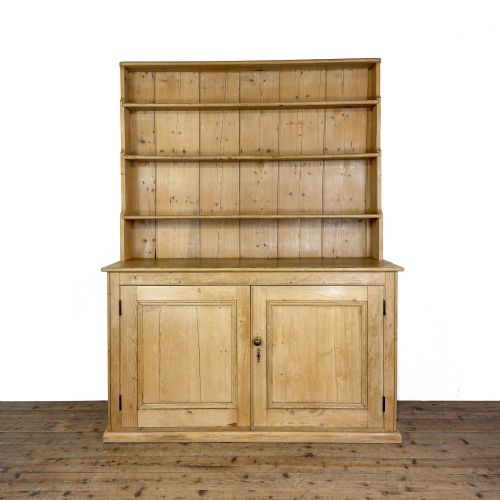
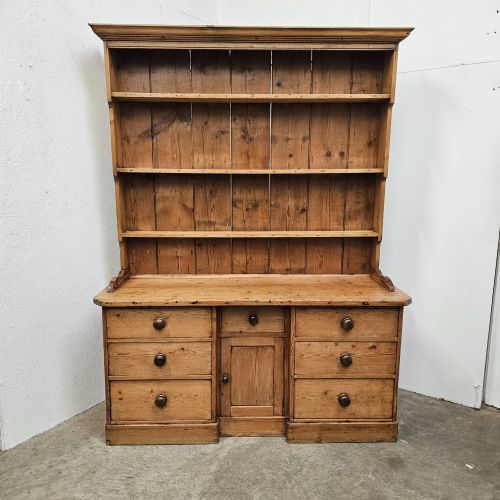

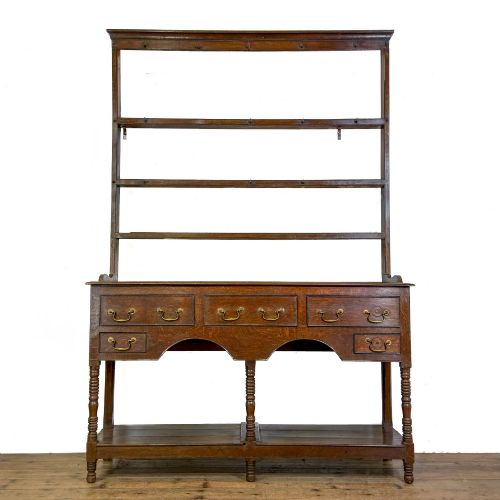


Victorian Dresser with Rack
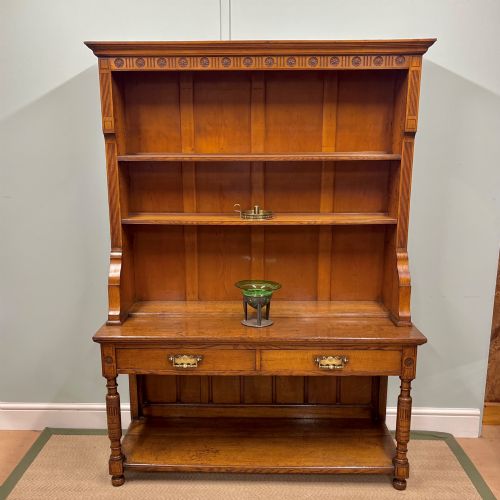
A victorian dresser with rack brings honest utility and robust timber presence to a room, offering both surface space and display shelving.
Victorian Dresser with Rack
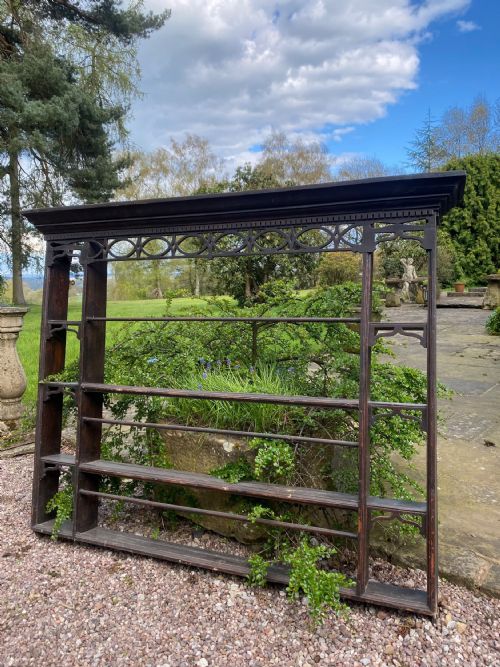
When you search for a victorian dresser with rack, you encounter sturdy kitchen and country storage pieces designed to hold domestic crockery and provisions. These items combine a lower base of drawers or cupboards with an upper plate rack or shelving unit.
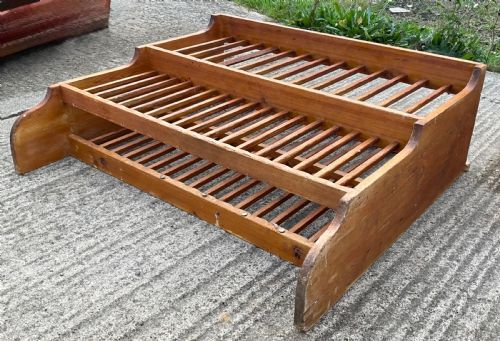
The pieces appearing on this page span the 18th century, the 19th century, and the year 1850, reflecting rural English and Welsh vernacular traditions. Forms range from simple pine wall shelves to grand oak Welsh dressers and breakfront configurations.
Regional styles such as Welsh country vernacular and English country farmhouse dominate the selection. Makers utilised local timber resources to construct durable furniture meant for daily household service.
Materials and Construction
Makers constructed these dressers primarily from solid oak and pine, sometimes incorporating multi-wood elements for contrast. These timbers provided the structural strength necessary for heavy daily use in busy kitchens and country houses.
Iron, brass, and metal hardware such as drawer pulls and hinges secured the moving parts. Glass and marble elements occasionally appear alongside traditional woodwork to finish specific functional details.
Victorian Dresser with Rack Retail Price Guide 2026
Typical asking prices for victorian dresser with rack among the pieces listed under this phrase on Sellingantiques today, from the lower quarter to the upper quarter. They describe what is for sale here now, not the wider market.
The listings span the 18th century, the 19th century, and 1850, utilising pine, oak, brass, metal, iron, mahogany, glass, and marble.
Assessing Quality
Quality rests in the selection of timber and the integrity of the regional construction methods. Pieces featuring dense oak and thoughtful joinery show a higher grade of craftsmanship than simpler utility items.
The sophistication of the regional design, such as breakfront drawer arrangements or Gothic revival details, distinguishes superior examples from standard vernacular pieces.
The Victorian Dresser with Rack Glossary
- Welsh Dresser
- A traditional kitchen storage unit featuring an open plate rack mounted above a base of drawers and cupboards. This form originated in rural Wales and served to display pewter and ceramic tableware.
- Potboard
- An open lower shelf built into the base of a dresser, traditionally used for storing pots and pans. It sits just above the floor, supported by the legs of the piece.
- Breakfront
- A cabinet design where the central section projects forward from the flanking sections. This configuration adds depth and architectural interest to the elevation of the furniture.
- Vernacular
- Architecture and furniture built by local craftsmen using traditional regional methods and local materials. These pieces prioritize practical utility over high-style academic design.
- Gothic Revival
- An architectural and decorative style drawing inspiration from medieval forms, featuring pointed arches and structural tracery. It gained popularity during the 19th century across various forms of decorative art.
Victorian Dresser with Rack: Frequently Asked Questions
What is a victorian dresser with rack used for?
These pieces served as the primary storage and display hub in historic kitchens and dining spaces. The lower cupboards and drawers held provisions and heavy utensils, while the upper rack showcased ceramic plates and bowls.
Today, they function well in contemporary kitchens or dining rooms for organising tableware and books. Their combination of enclosed storage and open display provides both practical utility and decorative presence.
How do I identify a Welsh dresser?
A Welsh dresser typically combines a substantial wooden base containing drawers and cupboards with an integrated plate rack superstructure. They are heavily associated with regional Welsh country vernacular traditions.
Many examples feature distinct local timber choices, such as native oak or regional pine. The proportions are usually robust and built to withstand the demands of rural domestic life.
What wood were these dressers made from?
Makers relied heavily on native hardwoods and softwoods, predominantly oak and pine. Oak pieces often display rich grain patterns and greater structural weight, while pine examples tend to have a lighter, honey-toned appearance.
Some items incorporate multi-wood construction, utilising contrasting timbers for decorative effect. Metal, brass, and iron hardware completed the construction of drawers and doors.
How do I care for an antique pine dresser?
Pine and oak furniture requires stable indoor humidity levels to prevent the wood from drying out or splitting. Avoid placing the piece in direct sunlight or close to active heat sources.
Clean surfaces gently with a dry or barely damp cloth, avoiding harsh chemical polishes. Regular dusting preserves the historic finish and natural patina of the timber.