




Victorian Drawing Study
These pieces for a Victorian drawing study capture the rigorous academic training and domestic artistic pursuits of the nineteenth century.
Victorian Drawing Study
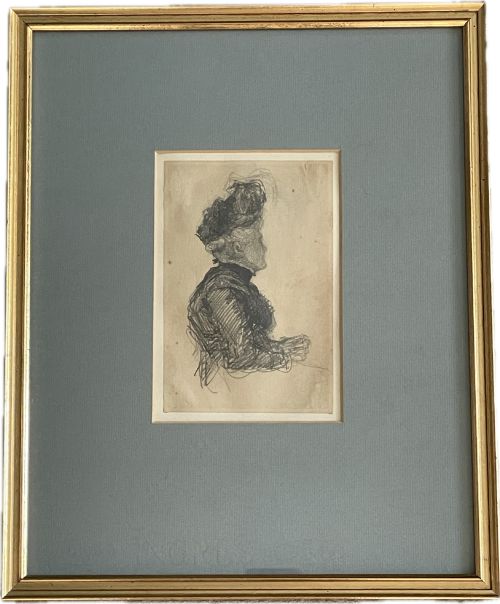
A Victorian drawing study encompasses original works on paper produced during the nineteenth century, ranging from rigorous academic life drawings to detailed architectural and landscape sketches. When you search this phrase, you encounter framed artworks that reflect both formal studio practice and personal observation.
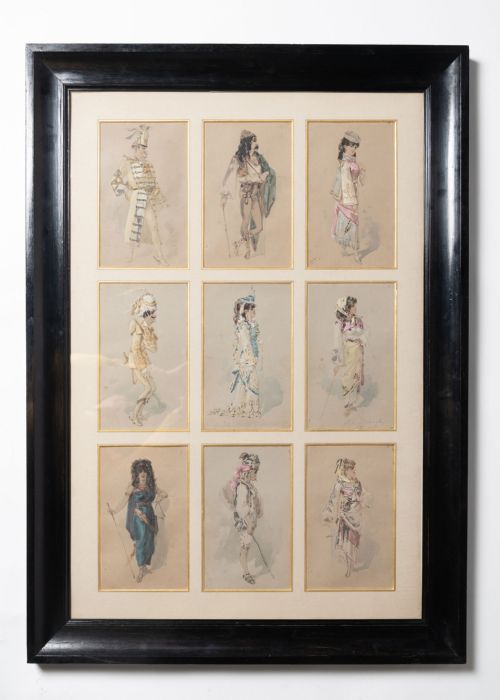
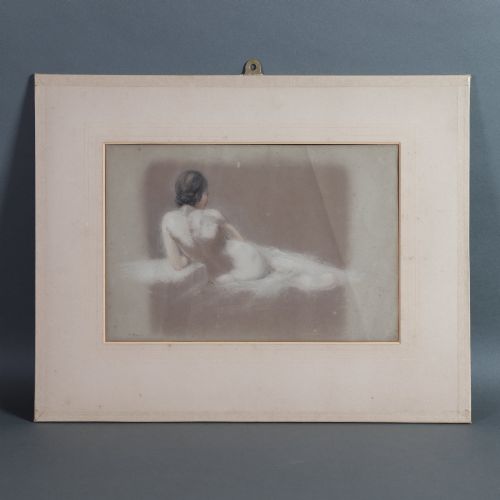
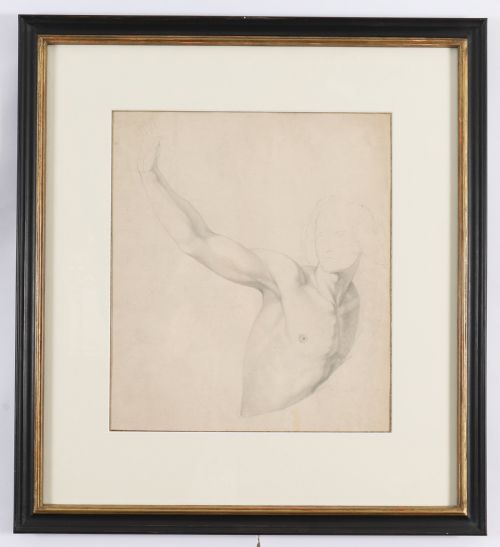
The most common examples on this page are figural studies, portraits, and architectural renderings created in graphite, charcoal, and watercolour. These sheets often served as preparatory works or exercises in academic realism and neoclassical styles.
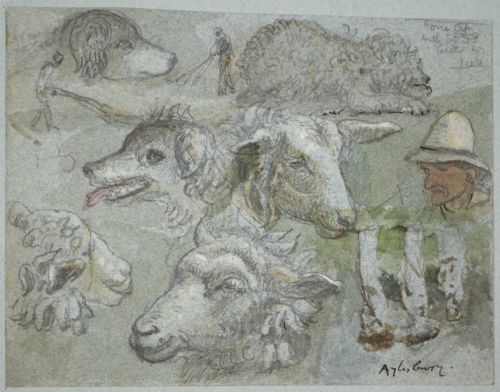
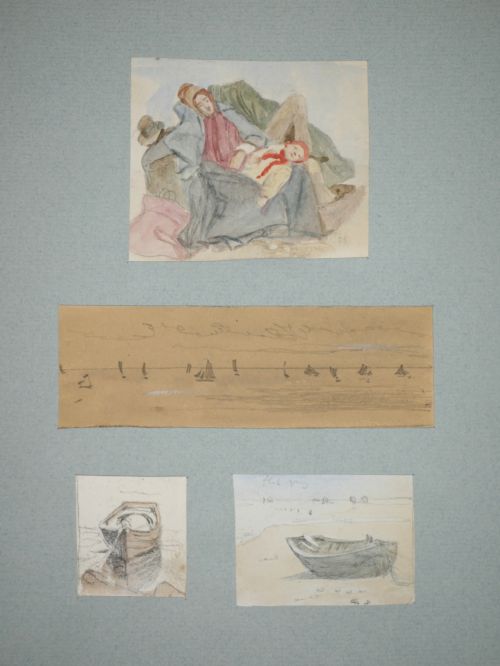
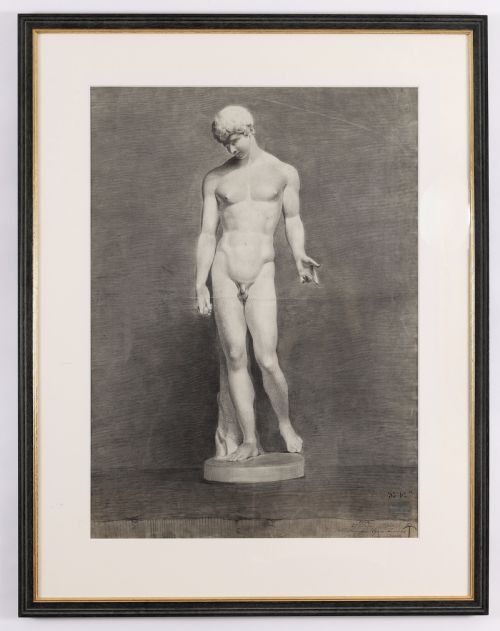
Makers and subjects span from historical copies after classical sculpture to intimate domestic scenes and landscapes. They document the visual education and aesthetic priorities of the Victorian era through direct hand-rendered media.
How They Were Made
Artists executed these works on paper using traditional media such as graphite, charcoal, chalk, and pen and ink, frequently combining them into mixed media studies. Many incorporate watercolour washes or grisaille techniques to model light and shadow.
Support materials consist primarily of antique paper housed within period wooden and gilt frames, sometimes protected by glass. The application ranges from delicate pencil hatching to bold charcoal strokes characteristic of academic training.
Victorian Drawing Study Retail Price Guide 2026
Typical asking prices for victorian drawing study among the pieces listed under this phrase on Sellingantiques today, from the lower quarter to the upper quarter. They describe what is for sale here now, not the wider market.
One cheeky dog waits in a nineteenth-century kitchen, caught mid-temptation in graphite.
What Varies in Quality
The distinction between standard student exercises and superior works lies in the precision of anatomical rendering, tonal depth, and sureness of line. Masterly handling of shadow and light elevates a simple study into a compelling visual record.
Condition and preservation of the paper support, along with the integration of original framing materials, contribute significantly to the standing of each piece. Works that retain clear signatures, dates, or documented academic provenance command greater interest.
James Smetham·William Etty·Henry Arthur Roberts·Sir Edwin Landseer·William Edward Frost·John Macallan Swan·Theobald Chartran·Alexandre Decamps·Baden Powell·George Richmond
The Victorian Drawing Study Glossary
- Academic Realism
- A style of painting and drawing produced under the influence of European academies of art. It emphasises precise anatomical accuracy and classical proportion.
- Grisaille
- A painting or drawing executed entirely in shades of grey or neutral greyish-brown. This technique often serves to emulate sculpture or establish tonal values.
- Plaster Cast
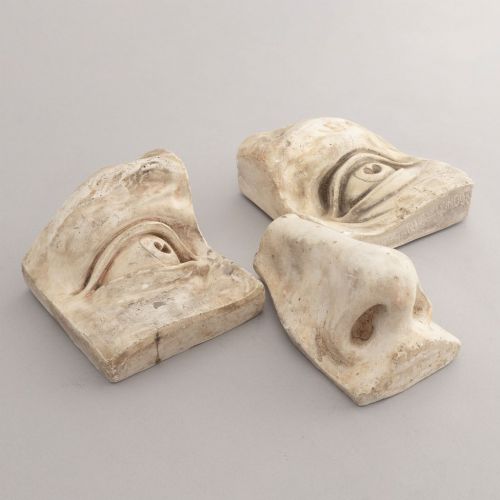
- A copy of a sculpture made in plaster, utilised extensively in nineteenth-century academies for students to draw from life. They provided consistent illumination and static form for practice.
- Mixed Media
- An artwork in which more than one medium or material has been employed. Victorian studies frequently combine graphite, chalk, and watercolour on the same sheet.
- Provincial
- Pertaining to regions outside the capital, often denoting work created by local artists or schools. These pieces reflect broader artistic movements filtered through regional practice.
Victorian Drawing Study: Frequently Asked Questions
What is a Victorian drawing study?
A Victorian drawing study is an original work on paper created during the nineteenth century as part of an artist's training, preparation, or observation.
These pieces include life drawings of the human form, architectural sketches, and landscape compositions rendered in media such as graphite, charcoal, and ink.
How were these drawings used?
Artists produced these studies to hone their technical skills, understand human anatomy through plaster casts and live models, or prepare for larger painted works.
Many were also created as finished records of domestic spaces, historical sites, or portraits of notable contemporaries.
How should I display them at home?
Because works on paper are sensitive to light, you should hang these framed drawings away from direct, strong sunlight to prevent fading of the pigments and paper.
Pairing them with period-appropriate wooden or gilt frames preserves their historic character while complementing traditional and contemporary interiors alike.
How do I identify the period?
Dating relies upon examining the paper characteristics, framing style, inscriptions, and artist signatures recorded on the sheet.
Stylistic markers such as academic realism, neoclassical subjects, and costume details further help place the artwork within the nineteenth century.