



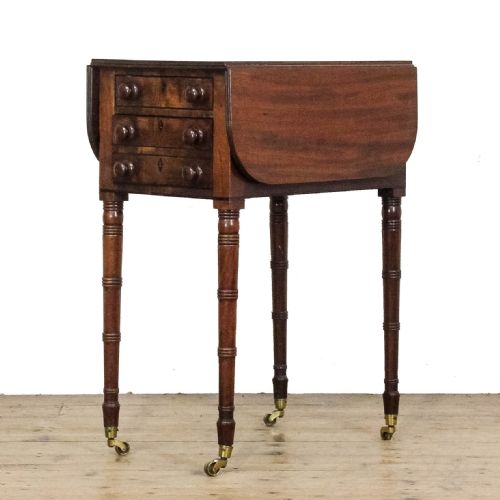
Victorian Drawers on Castors
Victorian drawers on castors are practical writing tables and side desks built to move easily across nineteenth century floors.
Victorian Drawers on Castors
Victorian drawers on castors are principally writing tables, desks, and work tables designed with small wheels attached to their feet for mobility. These pieces appear most frequently in mahogany, oak, and rosewood, spanning the nineteenth century from the Georgian and Regency periods through the late Victorian era.
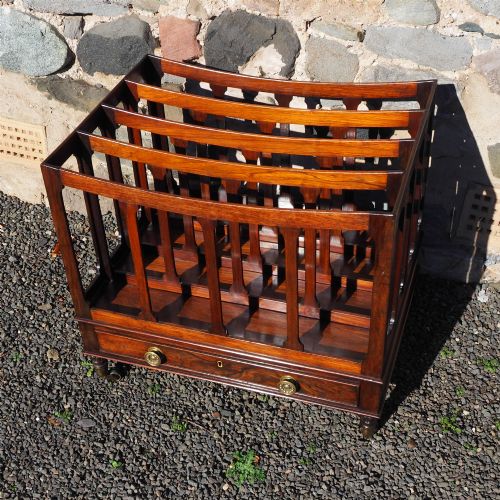
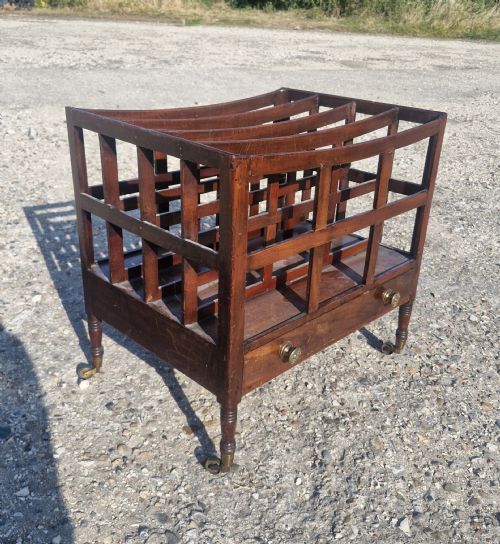
A buyer seeking victorian drawers on castors encounters forms ranging from simple two-drawer side tables to elaborate writing desks fitted with brass wheel mounts. The inventory includes smaller occasional tables, Pembroke work tables, and canterburys, all equipped with castors to allow repositioning within a room.
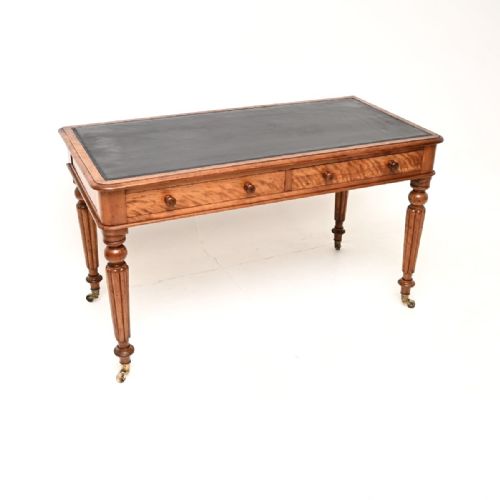
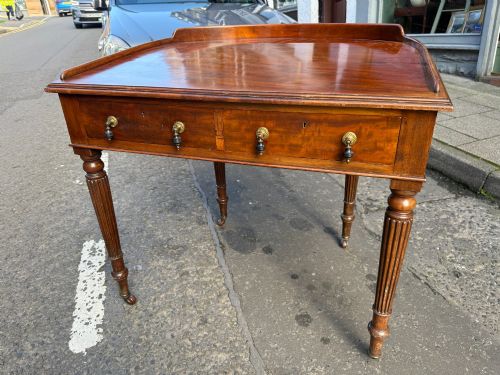
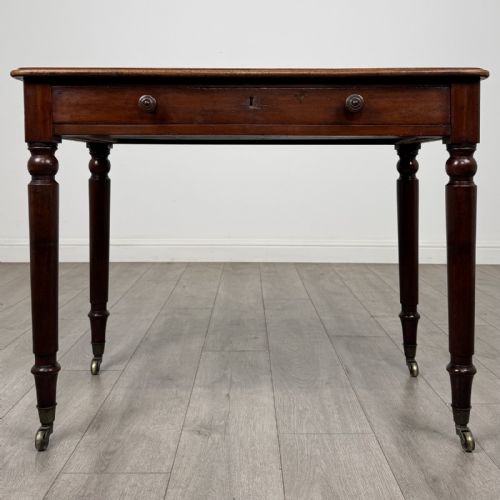
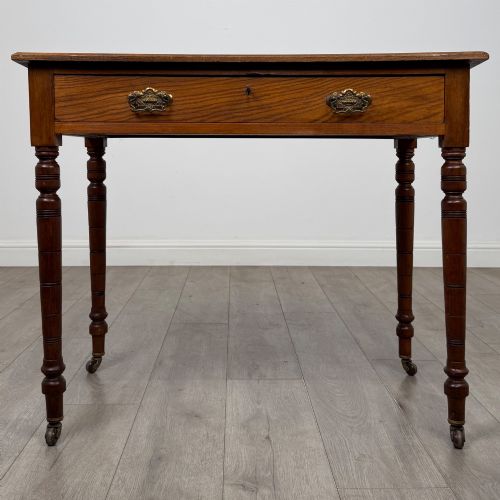
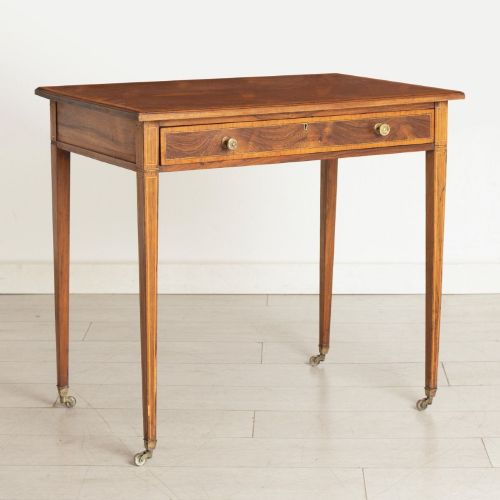
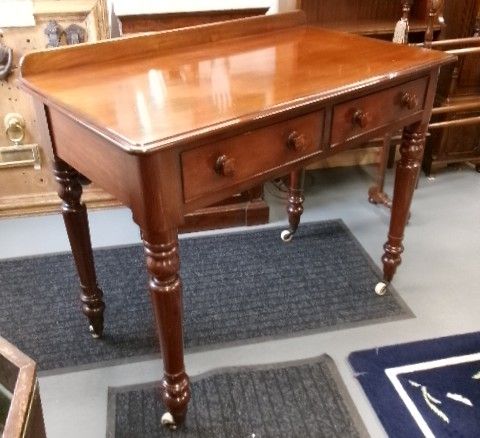
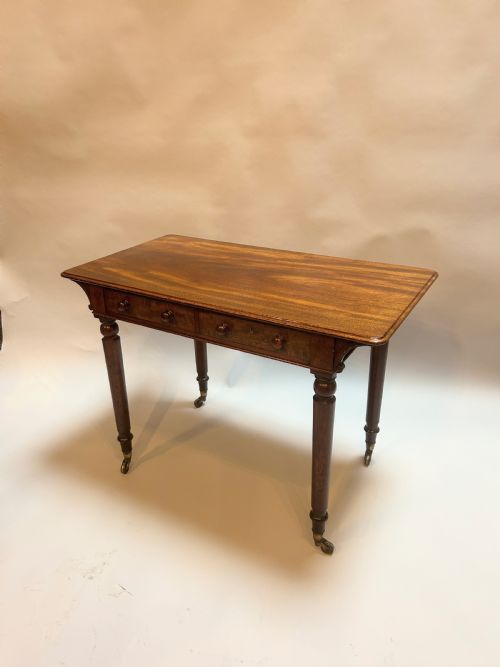
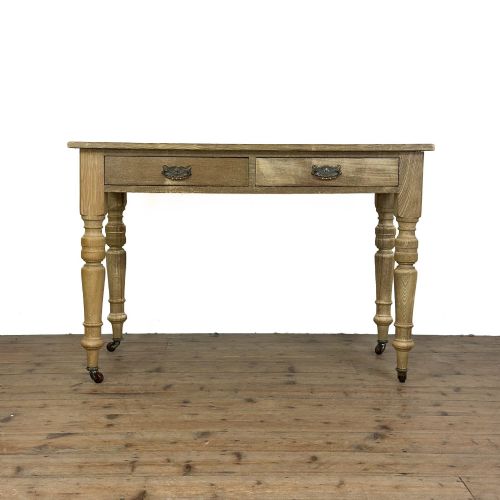
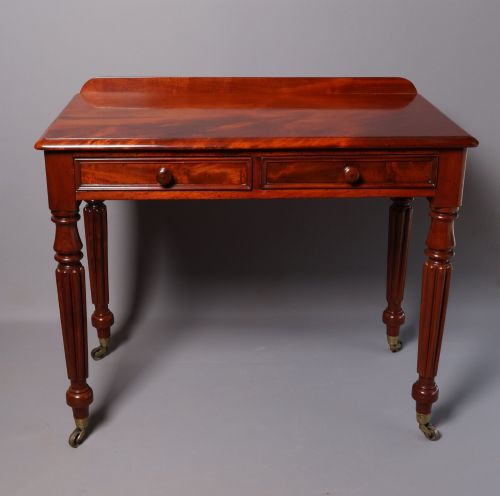
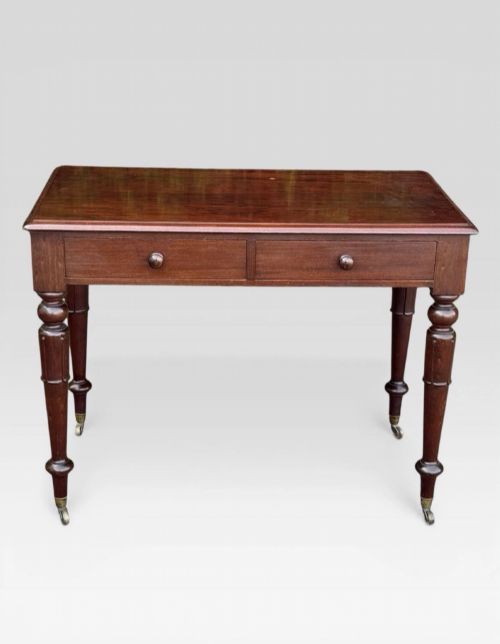
The dominant version on this page is the mahogany writing table featuring twin drawers beneath the top surface. These utilitarian yet polished pieces served practical domestic and study roles, combining storage space with the convenience of smooth movement.
How they were made
Cabinet makers utilised dense hardwoods such as mahogany, rosewood, walnut, and oak to construct the frames and drawer boxes of these tables. Secondary timbers like pine support internal structures, while decorative surfaces often feature finer veneers such as satinwood and satinbirch.
Fittings and mobility hardware relied heavily on brass and ceramic elements, particularly for the castors affixed to the bottom of each leg. Drawers utilised traditional joinery techniques, housed within carcases designed to withstand daily use in nineteenth century homes and libraries.
Victorian Drawers on Castors Retail Price Guide 2026
Typical asking prices for victorian drawers on castors among the pieces listed under this phrase on Sellingantiques today, from the lower quarter to the upper quarter. They describe what is for sale here now, not the wider market.
Listings feature tables spanning the Georgian, Regency, and Victorian periods, constructed primarily in mahogany, oak, and rosewood.
What varies in quality
The distinction between standard domestic furniture and finer examples lies in the selection of timber, such as figured Cuban mahogany or rich rosewood, alongside the crispness of the cabinet work. Maker attribution, through stamps or known workshop designs by firms like Maple and Co or Gillows, elevates the standing of a piece.
Secondary details, including the weight and finish of the brass castors, the neatness of drawer dovetailing, and the retention of original leather writing inserts, differentiate simpler utilitarian tables from pieces produced for wealthier households.
Maple and Co·W Walker and Sons·Gillows·J A Mein·W Williamson and Sons·Howard and Sons
The Victorian Drawers on Castors Glossary
- Castor
- A small wheel mounted on a swivel at the base of a table leg, allowing the piece to be rolled across the floor.
- Pembroke table
- A small occasional or breakfast table featuring hinged drop leaves on two opposing sides and frequently incorporating a single end drawer.
- Canterbury
- A low freestanding rack designed to hold sheet music, books, or portfolios, often constructed with a small drawer at the base.
- Wotnot
- An open set of multi-tiered shelves used for displaying ornaments or holding books, sometimes fitted with a lower drawer.
- Cuban mahogany
- A dense, heavily figured tropical hardwood prized by nineteenth-century cabinet makers for its deep colour and durability.
Victorian Drawers on Castors: Frequently Asked Questions
What were victorian drawers on castors used for?
These tables served as writing desks, study surfaces, and work tables where paperwork or needlework took place. The inclusion of castors meant they could be shifted closer to a window for light or moved out of the way when not in use.
In larger homes and libraries, such flexibility allowed domestic staff to rearrange furnishings easily for cleaning or changing room layouts without damaging carpets.
How do I identify a victorian writing table?
Victorian writing tables generally feature a rectangular top, often with a worked leather insert, positioned above one or two frieze drawers. The legs connect directly to the main body and terminate in small metal or ceramic castors.
Timber choice offers further clues, with solid mahogany, oak, and walnut dominating this period, occasionally accompanied by maker stamps inside the drawer edges.
Are these tables suitable for modern home offices?
Many nineteenth-century writing tables provide an ideal compact surface for a laptop and daily correspondence. Their shallow drawers suit stationery storage while keeping a modest footprint in smaller rooms.
Because they were built to sit freestanding in a room, the back is finished just as neatly as the front, allowing placement away from walls.
What is the difference between a side table and a writing table?
A side table typically offers a flat surface for lamps or ornaments and may or may not include drawers. A writing table is specifically proportioned for sitting at comfortably, usually featuring knee clearance beneath the drawers.
Writing variants often show ink stains inside the drawers or retain original tooled leather surfaces designed for a writing slope.