



Victorian Double Photo Frame
A victorian double photo frame holds two portraits side by side, offering a charming glimpse into family life from the nineteenth century.
Victorian Double Photo Frame
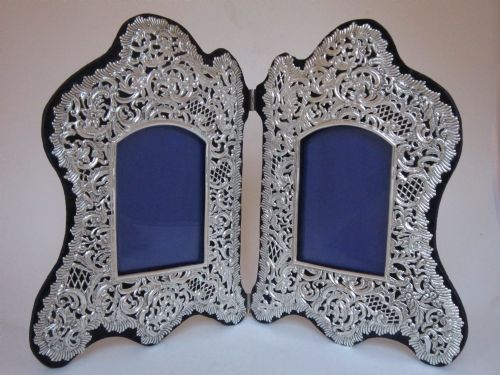
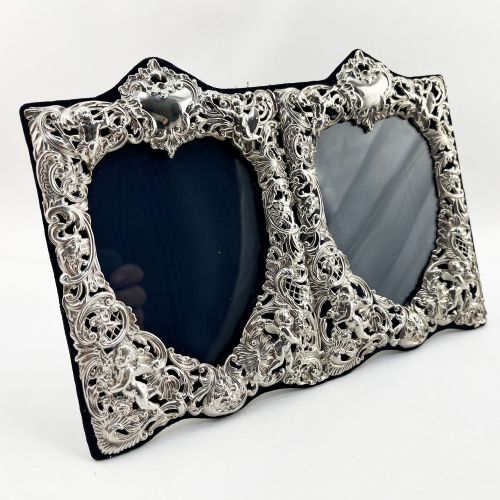
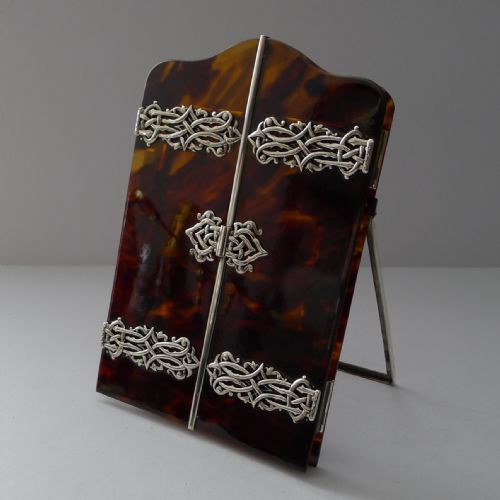
A victorian double photo frame brings together two hinged apertures designed to display companion portraits of loved ones. These pieces emerge predominantly from the Victorian and Edwardian periods, reflecting a nineteenth-century fascination with photography and familial sentiment.
Alternative forms span folding pocket frames intended for travel and novelty styles incorporating hardstone or enamel. Each variation provides a tangible link to Victorian interior display habits and desk accessories.
Materials and Construction
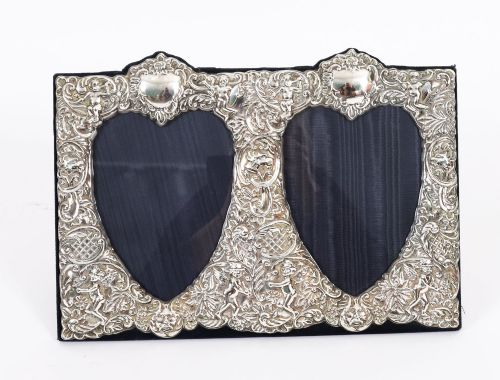
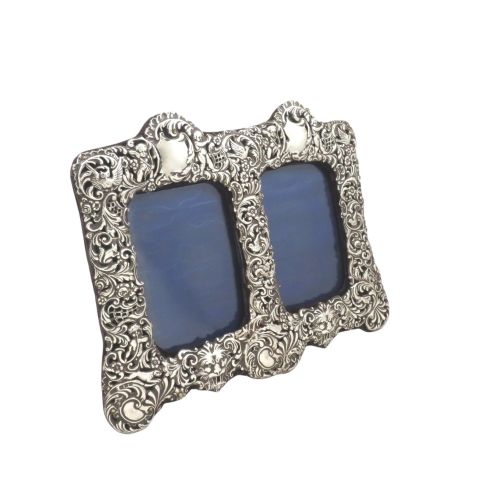
Makers constructed these frames using sheet sterling silver, gilded brass, or carved wood, frequently backed with plush velvet or leather. Metal components were stamped, cast, or pierced to create intricate borders before being fitted with protective glass panels.
Hinges joining the two apertures required careful alignment to ensure the frames folded smoothly without straining the metal or wood. Tortoiseshell and gold accents were applied to select pieces to elevate their visual appeal.
Easel stands were securely riveted to the reverse, allowing the double display to remain stable on desks and mantelpieces.
Victorian Double Photo Frame Retail Price Guide 2026
Typical asking prices for victorian double photo frame among the pieces listed under this phrase on Sellingantiques today, from the lower quarter to the upper quarter. They describe what is for sale here now, not the wider market.
Cupid motifs peer from corners of brass frames, secretly hoping your ancestors looked as charming as their photographs suggest.
Assessing Quality
Quality rests on the crispness of the chasing or casting in the metalwork and the integrity of the structural hinges. Superior frames exhibit sharp detailing in motifs such as cupids or floral scrolls rather than soft, worn edges.
The choice of primary material dictates much of the distinction, with heavy sterling silver and genuine tortoiseshell marking the upper tier compared to plated brass or simple timber. Original bevelled glass and intact velvet backing boards further separate standard examples from finer ones.
Hardy Brothers·Goldsmiths and Silversmiths
The Victorian Double Photo Frame Glossary
- Sterling silver
- A silver alloy containing 92.5 percent pure silver by mass, widely utilised for high-end Victorian picture frames bearing hallmarks. Hallmarks typically indicate the assay office, date letter, and maker's mark.
- Ormolu
- A gilding technique applied to a bronze or brass base, creating a rich golden finish seen on French and British luxury frames. This surface treatment resists tarnish while lending a warm metallic lustre.
- Easel back
- A hinged prop attached to the reverse of a frame to support it upright on a flat surface. These stands are often covered in original silk velvet or morocco leather.
- Tortoiseshell
- Material sourced from the shell of larger marine turtles, prized for its translucent amber and brown mottling. Victorian artisans frequently mounted this material beneath pierced silver grilles.
- Tramp art
- A form of woodwork created by self-taught makers using notched and chipped pieces of salvaged wood boxes. Such frames possess a distinctive folk art character.
Victorian Double Photo Frame: Frequently Asked Questions
How do I clean a silver frame?
Silver frames benefit from gentle dusting with a soft cloth to prevent the accumulation of dirt in intricate recesses. Harsh chemical dips should be avoided, as they strip the aged patina from the metal.
For stubborn tarnish, a mild silver cream applied sparingly with a soft brush preserves the delicate chasing around the photo aperture.
Were these frames meant for desks?
Many double frames were manufactured specifically as freestanding accessories for writing desks, boudoirs, and drawing room mantelpieces. Their hinged design allowed them to catch the light from different angles.
Smaller folding versions were also produced for travel, allowing individuals to carry likenesses of family members inside pocket cases.
How are photographs inserted?
Photographs typically slide into the rear of the frame behind a glass pane, secured by a removable wooden or cardboard backing board held with metal turn-pins. Older frames may require careful handling of fragile backing materials.
Original glass should be retained where possible to maintain the integrity of the piece.
What distinguishes Edwardian from Victorian frames?
Victorian frames often display heavier, more ornate ornamentation including high-relief scrollwork, putti, and dark velvet linings. The Victorian era favoured dense decorative schemes.
Edwardian pieces tend to introduce lighter neoclassical motifs, sleeker sterling silver borders, and a brighter overall aesthetic.