
Victorian Door Press
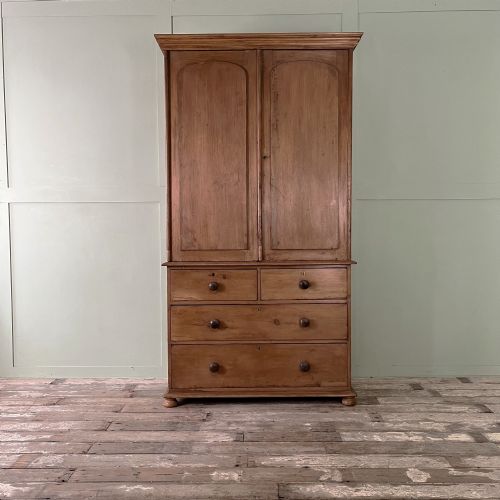
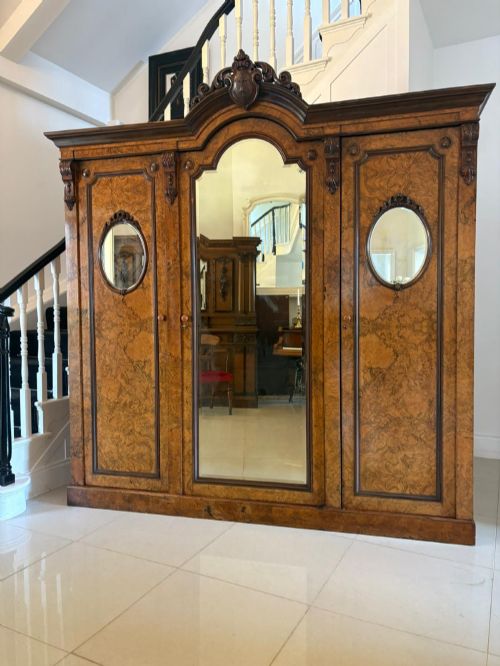
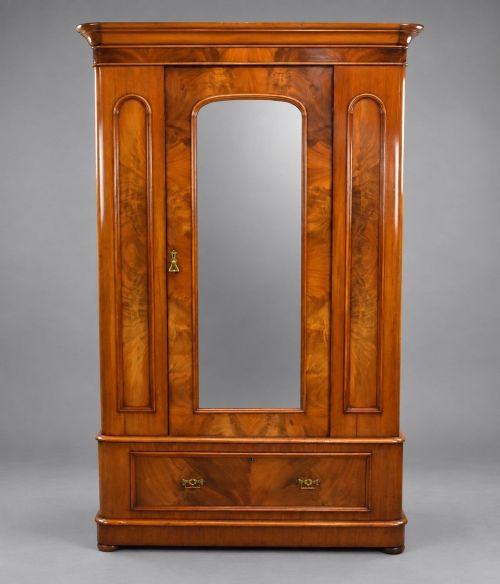
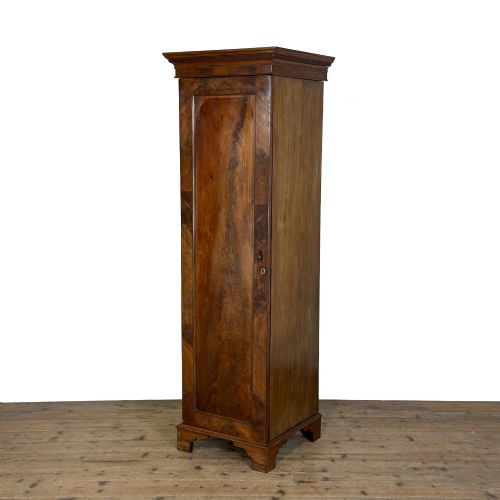
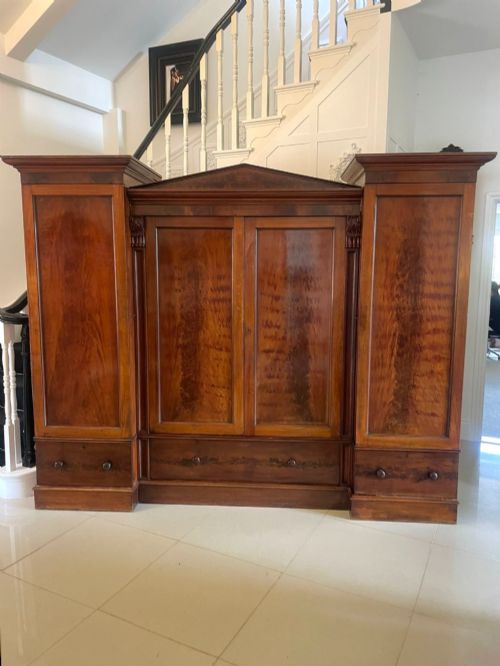
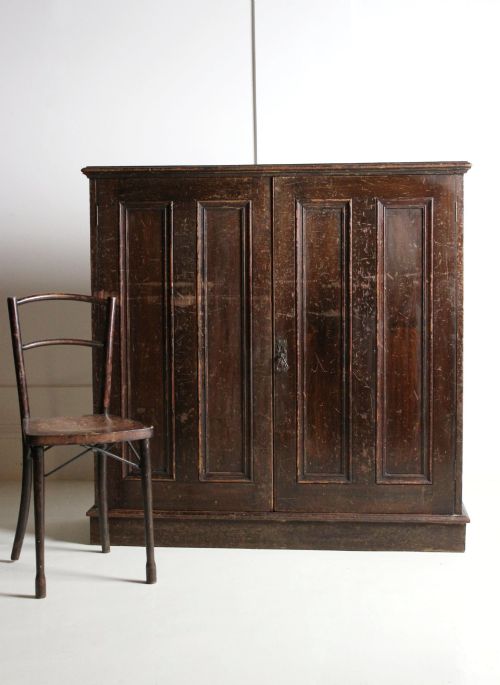
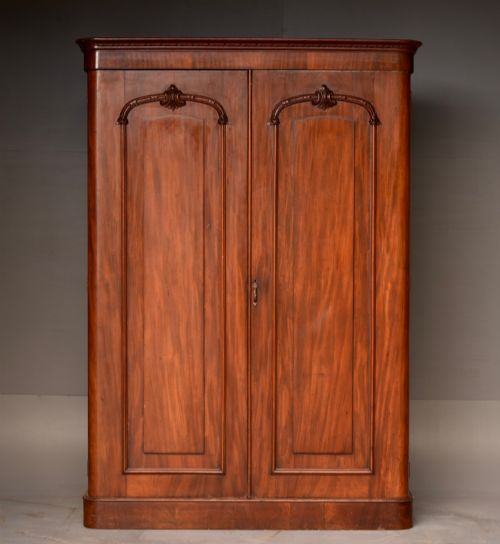
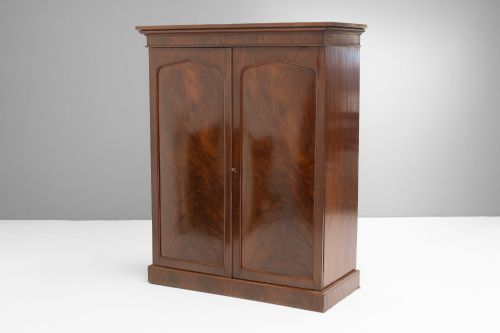
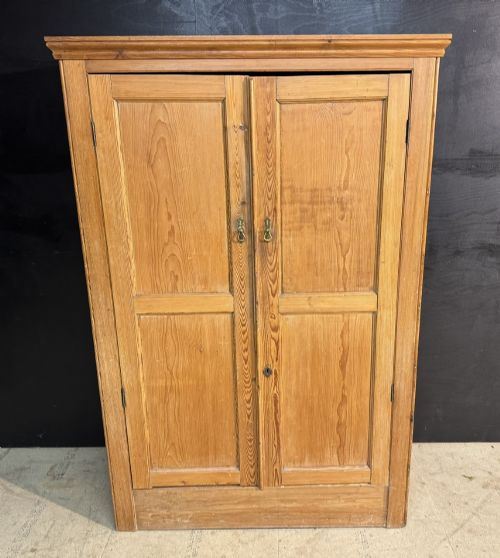
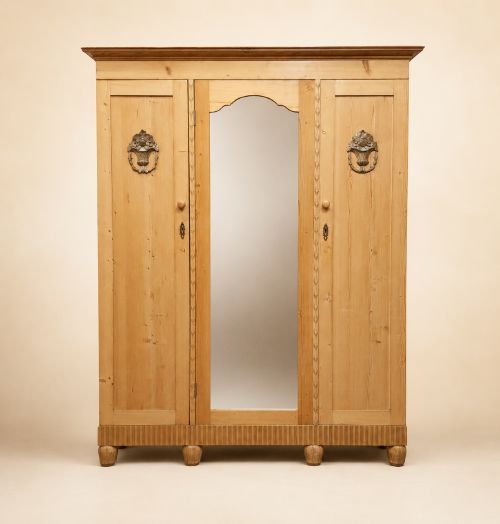
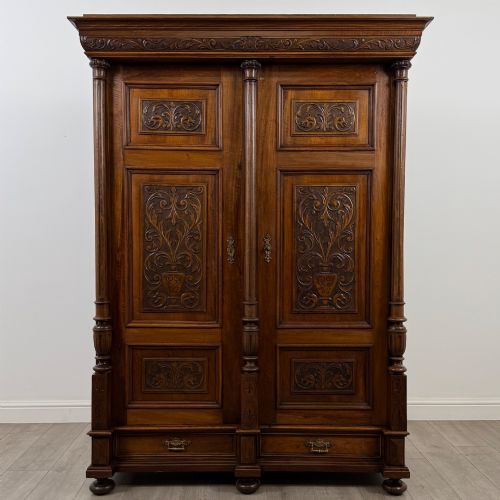
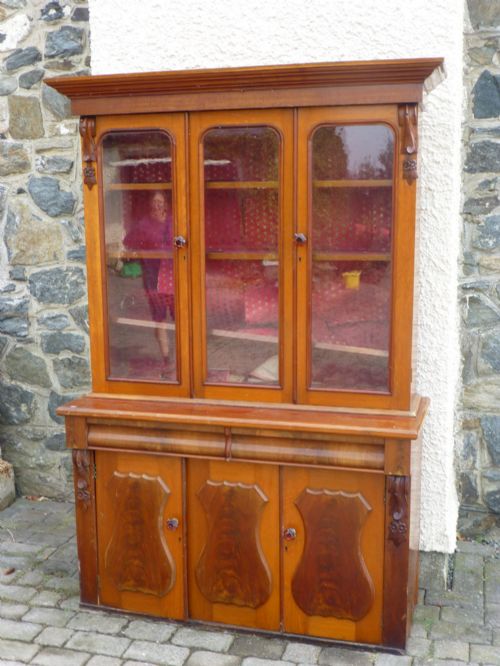
These large wardrobes, cupboards and linen presses sold under the term victorian door press offer substantial storage formed in solid pine, mahogany and oak.
Victorian Door Press
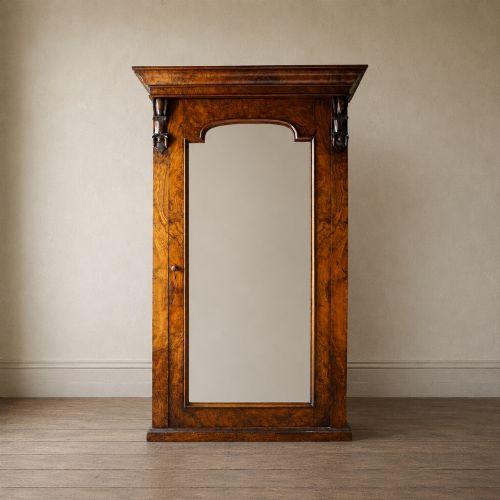
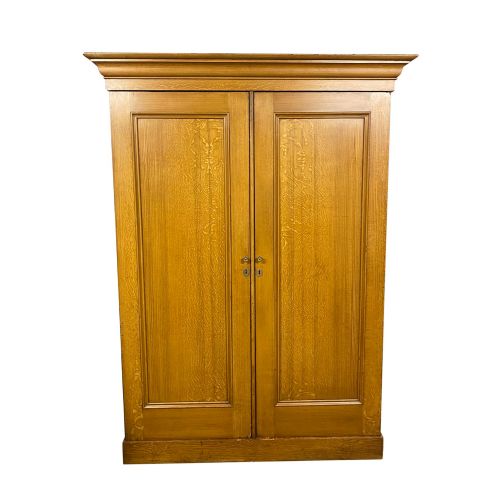
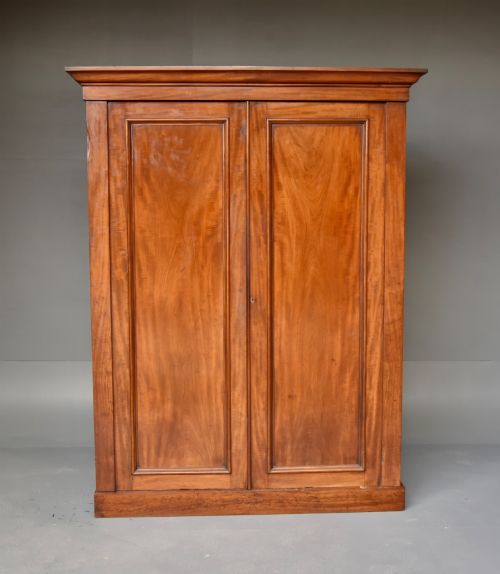
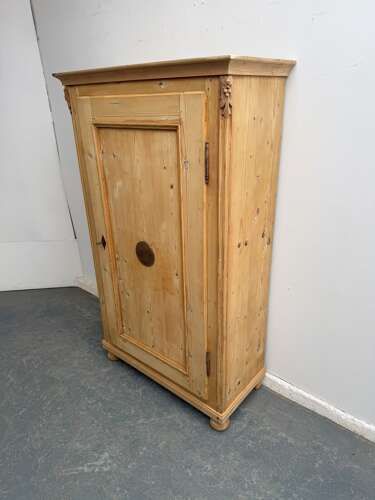
When buyers search for a victorian door press, they encounter large timber storage furniture from the nineteenth century designed for garments and household linens. The selection spans robust pine pieces intended for country houses alongside polished mahogany, walnut and burr elm designs made for grander interiors.
Most examples found here take the form of substantial wardrobes, compactum units, larder cupboards and linen presses. These items originate predominantly from the Victorian and Edwardian periods, stretching from the mid-nineteenth century into the early twentieth century.
Regional variations appear across the inventory, including Welsh vernacular dressers, French provincial armoires and Arts and Crafts designs in ash and oak. Each piece reflects the domestic storage needs of its original period through configuration options like hanging spaces, drawers and sliding linen trays.
How they were made
Makers utilised solid timbers such as pine, oak, ash and mahogany for the main carcases, often applying figured mahogany, burr walnut, maple or satinwood veneers to prominent surfaces. Construction methods relied on traditional joinery, including dovetail joints for drawers and panelled door assemblies that accommodated seasonal wood movement.
Surface finishes varied widely according to function and region, ranging from waxed or polished hardwood grains to painted schemes like original scumble faux oak work and chapel paint. Metal hardware in brass and iron provided structural hinges and operational handles, while glass panels and mirrors were integrated into doors during the later nineteenth century.
Listings feature woods including pine, mahogany, oak, ash, walnut, maple and satinwood across the nineteenth and early twentieth centuries.
What varies in quality
The degree of refinement in timber selection separates standard utility pieces from grander commissions, with figured veneers, burr walnut and flame mahogany marking the upper tier. Plain stained pine items made for functional domestic service sit at the simpler end of the scale.
Execution of decorative detail also distinguishes the range, moving from plain functional mouldings to carved ornamentation, arched panels and architectural cornices. The integrity of original surface treatments, whether clear polish, paint or scumble work, influences the character of the piece.
S & H Jewell
The Victorian Door Press Glossary
- Compactum
- A multi-compartment wardrobe combining hanging space, shelves and internal drawers within a single carcass. This configuration maximised storage efficiency in bedrooms.
- Linen press
- A tall cupboard featuring sliding trays in the upper section for folded textiles, positioned above lower storage drawers. They served to keep household linens organised and clean.
- Scumble
- A decorative paint technique used to simulate natural wood grain like oak over a plain base coat. It was common on nineteenth-century utility furniture.
- Breakfront
- A cabinet design where the central section projects forward from the flanking wings. This architectural arrangement created visual depth on large wardrobes and bookcases.
- Cornice
- The moulded horizontal timber projecting along the top edge of a cabinet. It provided a finished architectural crown to large wardrobes and presses.
Victorian Door Press: Frequently Asked Questions
What is a victorian door press used for?
These large nineteenth-century pieces served primarily for hanging garments and storing folded household linens in bedrooms and dressing rooms. Their internal configurations typically combined vertical hanging space with shelves and sliding trays.
Today, buyers utilise them to bring character and substantial storage capacity to contemporary bedrooms and hallways. Their deep carcasses accommodate modern clothing rails and bulky items easily.
Will a knockdown wardrobe fit in my home?
Many large nineteenth-century wardrobes and presses were built as knockdown units that disassemble into separate cornices, bases, sides and doors. This modular construction allowed makers to transport bulky furniture up staircases and through narrow doorways.
Buyers should check whether a specific listing uses this knockdown construction method before attempting placement in restricted spaces. Assembly typically requires basic mechanical aptitude and appropriate hand tools.
How do I care for wax and painted surfaces?
Waxed timber surfaces benefit from occasional applications of natural beeswax to nourish the wood and maintain a soft sheen. Avoid placing these pieces in direct sunlight or near heat sources that could dry out the historic timber.
Painted or scumble-finished cupboards require gentle dusting with a dry cloth to preserve the historic surface layer. Harsh chemical cleaners should be avoided on all antique finishes.