


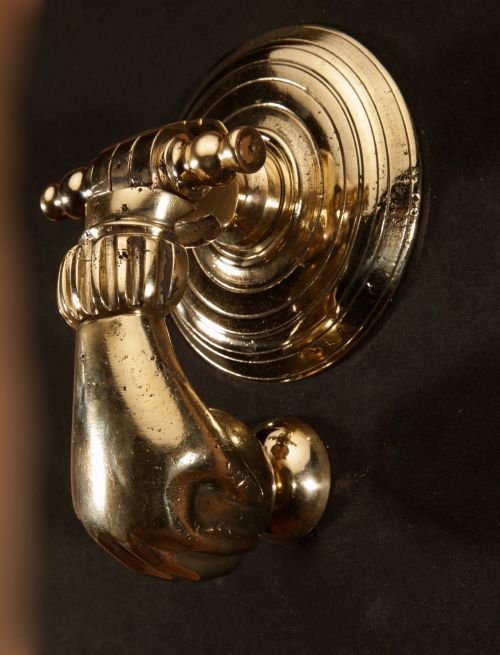


Victorian Door Knocker
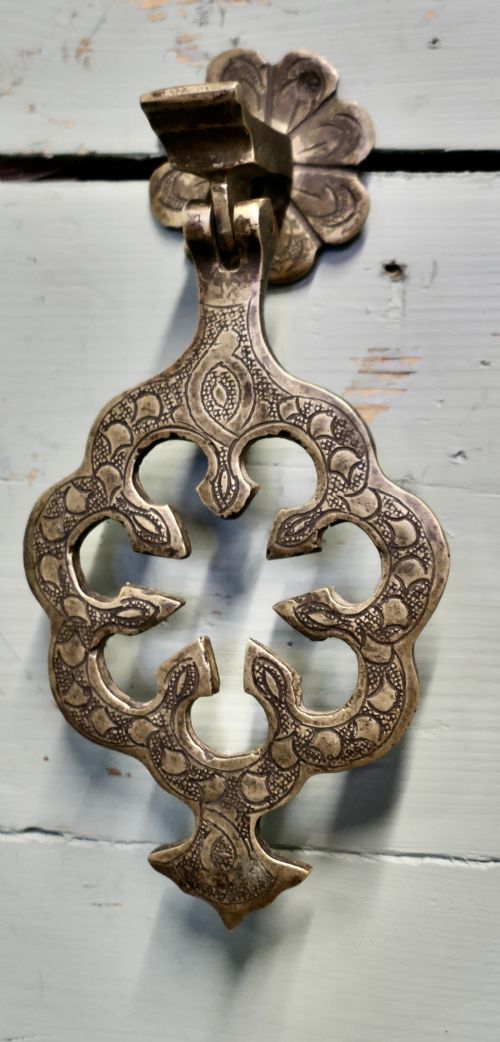
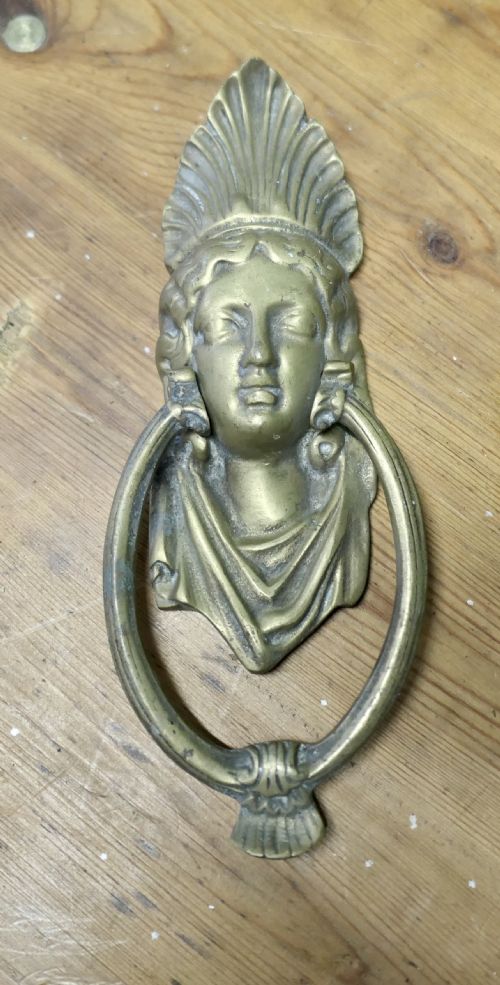
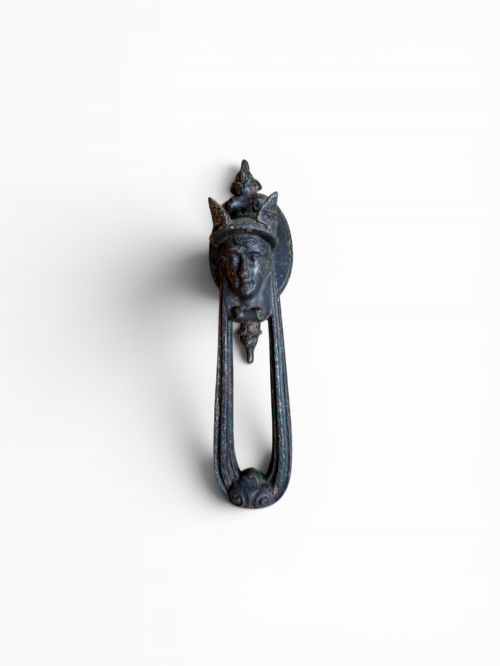
A victorian door knocker brings immediate character to an entrance, offering solid metalwork in brass, bronze or iron shaped into classical masks, marine creatures and gothic twists.
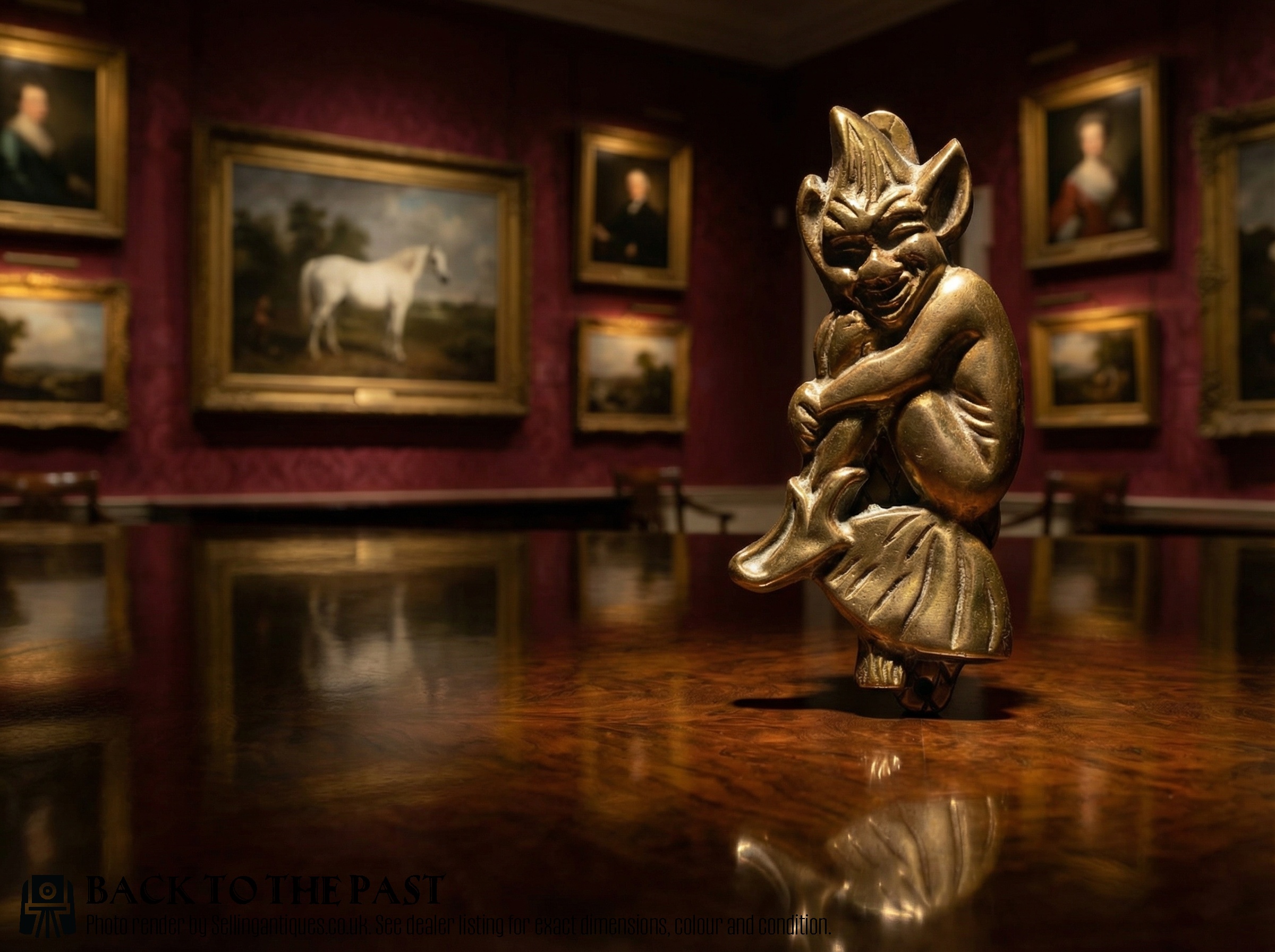
Victorian Door Knocker
A victorian door knocker serves as heavy architectural hardware designed to announce visitors, appearing primarily across nineteenth-century domestic properties. These pieces span standard lion masks and urn motifs alongside maritime forms like dolphins, anchors and sea serpents.
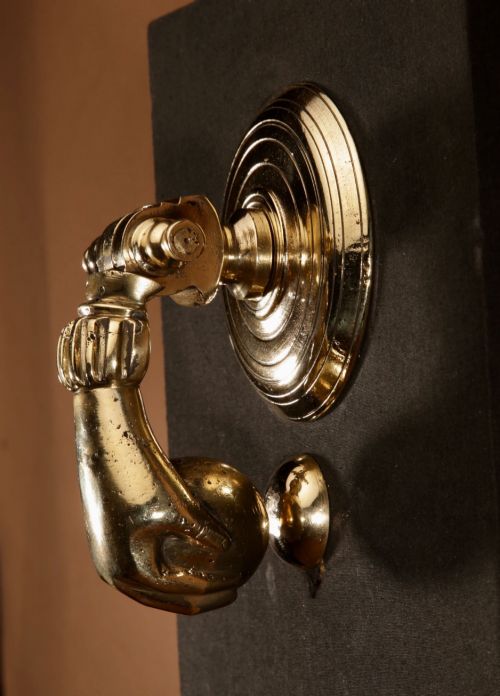
Makers utilised diverse thematic inspirations, producing mythological figures such as sphinxes, caryatids and green men, as well as novelty subjects like hands, imps and elves. Buyers encounter both standalone knockers and complete sets incorporating matching letterboxes and striking plates.
The architectural evidence shows various proportions, from compact designs to substantial fourteen-inch examples. Cast iron and brass predominate, often found paired with matching fire tools or door knobs.
Materials and Casting
Foundries manufactured these fixtures predominantly in solid brass, cast brass and cast iron, with occasional examples cast in bronze or polished bronze. Metal was poured into moulds to achieve high relief, creating the crisp details seen on lion manes, ram horns and caryatid drapery.
Victorian Door Knocker Retail Price Guide 2026
Typical asking prices for victorian door knocker among the pieces listed under this phrase on Sellingantiques today, from the lower quarter to the upper quarter. They describe what is for sale here now, not the wider market.
Among the marine menagerie, a mischievous elf with a lantern peers out alongside sea serpents and Maltese dolphins.
Distinctions in Execution
Substantial solid brass and heavy cast iron pieces provide superior acoustic resonance and durability compared to lighter hollow alternatives. Maker attribution, such as foundry marks by Kenrick, separates standard production hardware from recognised workshop output.
Kenrick & Sons
The Victorian Door Knocker Glossary
- Striking plate
- The metal plate attached to the door face that receives the impact of the knocker. This protects the wood from continuous wear and tear.
- Caryatid
- A sculpted female figure serving as an architectural support. These appear integrated into the structural sides of ornate hardware.
- Doctors knocker
- A specific style featuring a vertical drop bar mounted on a backplate, historically favoured on professional residences. This design produces a distinct sharper sound.
- Green man
- A face carved from or entwined with leaves and vines. This decorative motif draws on medieval traditions revived during the nineteenth century.
Victorian Door Knocker: Frequently Asked Questions
How do I mount a heavy iron knocker?
Heavy iron hardware requires sturdy wood screws driven through pre-drilled pilot holes to support the weight during daily use. Matching the screw metal to the fixture prevents galvanic corrosion over time.
Ensure the striking plate aligns precisely with the hammer point to avoid uneven impact on the door surface.
How do I clean antique brass?
Gentle washing with warm soapy water and a soft brush removes accumulated dirt without destroying the aged surface tone. Avoid harsh abrasive compounds that strip away historical patination.
Allow the metal to dry completely before applying any protective wax coating.
Are iron and brass knockers from the same period?
Both iron and brass hardware were produced concurrently throughout the nineteenth century. Iron frequently served utilitarian or gothic revival designs, while brass accommodated polished classical and maritime subjects.
Foundries often manufactured identical models in multiple metal types depending on customer preference.