



Victorian Dog Sculpture
Victorian dog sculpture captures the character and loyalty of hounds and pets through the skilled hands of nineteenth-century makers.
Victorian Dog Sculpture
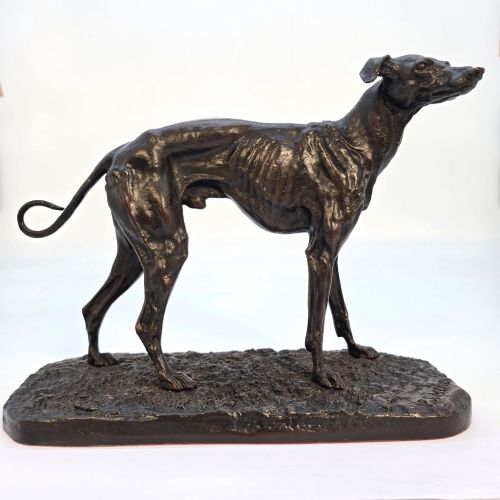
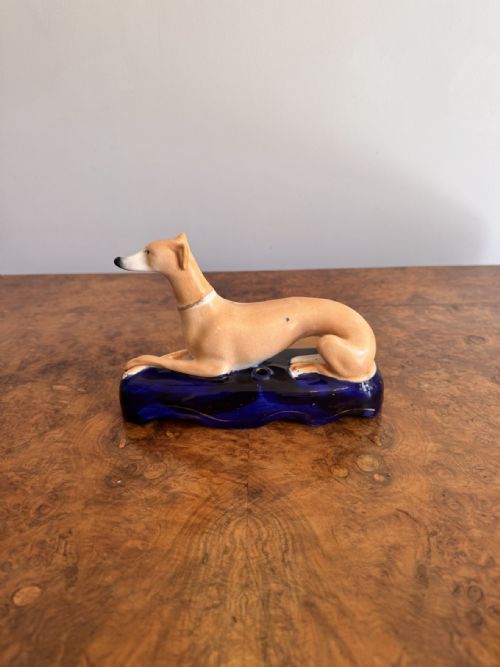
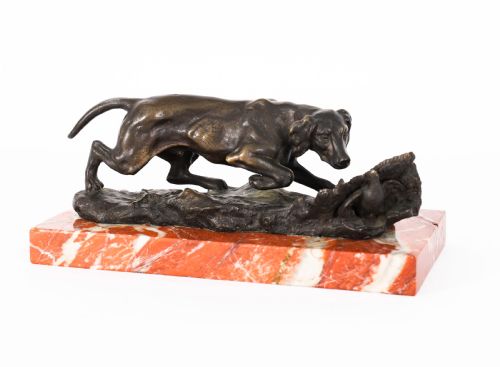
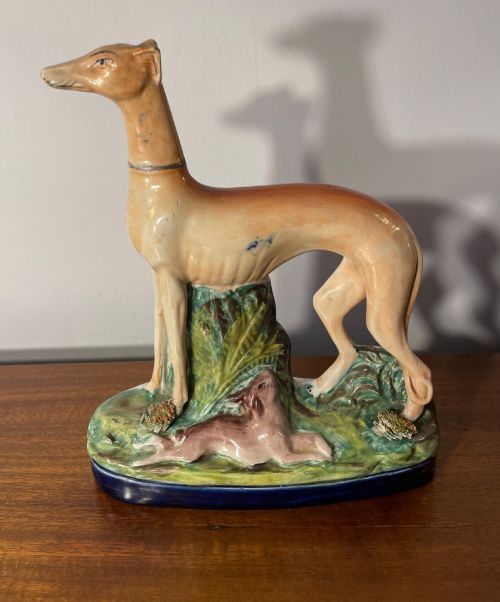
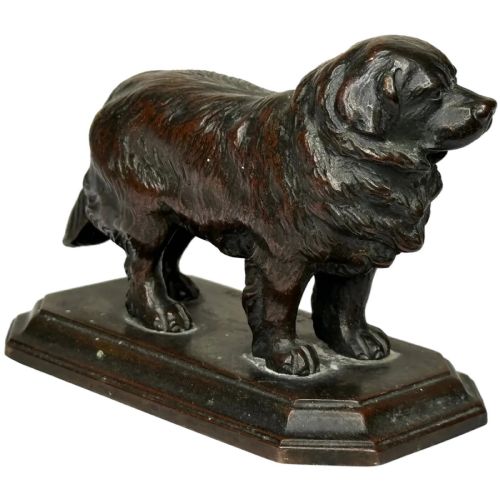
A victorian dog sculpture represents domestic pets and sporting hounds in media ranging from cast bronze to glazed pottery. Buyers searching for a victorian dog sculpture encounter everything from desk ornaments like inkwells and tobacco boxes to life-size terracotta figures and mantel display pieces. These works record the varied breeds favoured during the nineteenth century, including pugs, greyhounds, spaniels, and setters.
The objects span domestic decorative figurines and desk accessories produced across Britain, France, Austria, and Italy. Pieces often reflect the era's fascination with animalier subjects, capturing realistic anatomy alongside humorous or sentimental poses. Formats vary from small bronze paperweights and cold-painted figures to substantial ceramic groups and carved wooden boxes.
How They Were Made
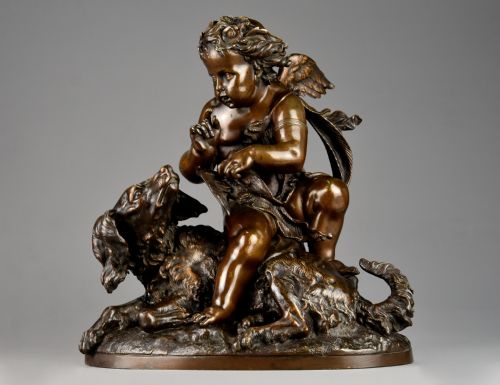
Foundries utilised the lost-wax casting method for bronze models, allowing intricate detail in fur, muscle, and collars before applying patinas or cold-painted colours. Ceramic and terracotta works involved moulding clay or earthenware, followed by glazing or hand-painting to render realistic coat patterns.
Carved pieces relied on traditional woodworking and stonemasonry techniques, shaping materials such as Derbyshire alabaster and timber into Black Forest animal subjects. Parian ware production employed specialised porcelain biscuit casting to achieve the smooth, marble-like finish characteristic of classical statuary.
Victorian Dog Sculpture Retail Price Guide 2026
Typical asking prices for victorian dog sculpture among the pieces listed under this phrase on Sellingantiques today, from the lower quarter to the upper quarter. They describe what is for sale here now, not the wider market.
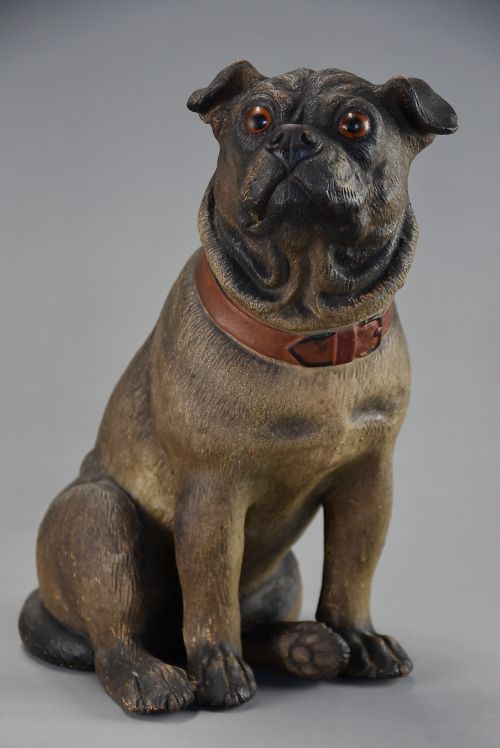
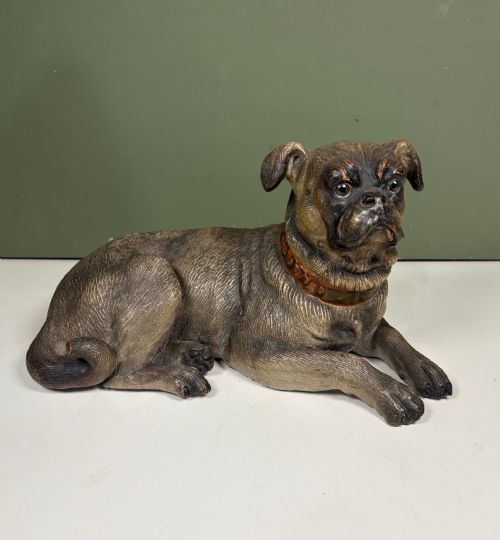
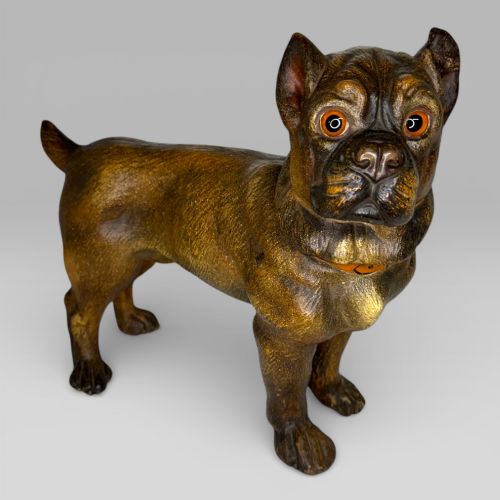
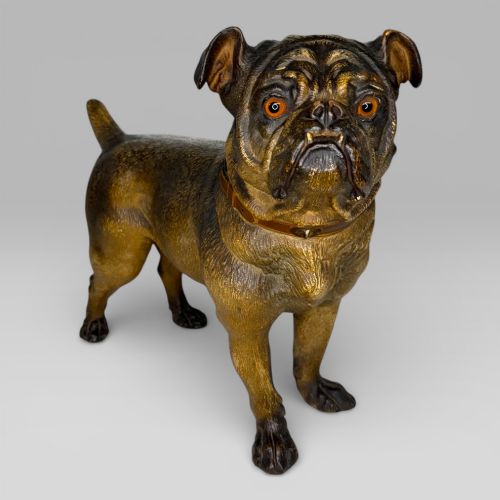
Pugs dominate the nineteenth-century ceramic and terracotta hound lineup, often caught mid-tilt or gazing with soulful glass eyes.
What Varies in Quality
Quality rests upon the precision of anatomical rendering and the fineness of surface chasing in metal or modelling in clay. Master modellers and recognised foundries achieved expressive postures and convincing textures that lesser commercial outputs missed.
The preservation of original surface finishes, such as cold-painted polychrome pigments or deep bronze patination, determines the integrity of the piece. Crisp detailing around paws, muzzles, and coats distinguishes superior studio productions from standard decorative castings.
Carl Kauba·Alfred Dubucand·Pierre Jules Mene·Prosper Lecourtier·Jules Moigniez·Bright And Sons·Thomas Parr·John Durham·Auguste Nicholas Cain·Arthur Waagen·Joseph Francois Victor Chemin·Franze Bergman·Stephan Buchinger
The Victorian Dog Sculpture Glossary
- Animalier
- A nineteenth-century artistic movement focused on the realistic depiction of animals, particularly in sculpture. Practitioners studied live subjects in menageries to achieve anatomical accuracy.
- Cold-painted bronze
- A technique where bronze figures are painted with cold oil or enamel paints rather than being fired in a kiln. This finish is delicate and prone to flaking if handled improperly.
- Parian ware
- A fine-grained, unglazed porcelain developed in Britain to imitate carved marble. It gained popularity for portrait busts and literary or animal figures during the nineteenth century.
- Spelter
- An alloy of zinc and lead used as an inexpensive substitute for bronze. It was frequently cast into decorative figures and painted to resemble more costly metals.
Victorian Dog Sculpture: Frequently Asked Questions
What materials were used for these sculptures?
Sculptors and manufacturers employed a wide variety of mediums depending on the intended function and cost of the object. Bronze, terracotta, Parian ware, earthenware, glass, carved wood, and marble all appear frequently among nineteenth-century works.
Foundries favoured metal for durable animalier studies, while potteries utilised clay and ceramic glazes for Staffordshire figures and majolica groups. Wood and alabaster served primarily for decorative boxes and architectural ornaments.
How do I distinguish bronze from spelter?
Bronze possesses a heavier weight and a resonant sound when struck gently, whereas spelter feels lighter and softer. Examining the underside or areas of wear often reveals the greyish metal beneath a painted or patinated spelter surface.
Foundry marks and crisper surface chasing generally indicate bronze casting. Spelter figures tend to exhibit softer details due to the lower melting point and wear characteristics of the zinc alloy.
Were these figures meant for display or use?
Many pieces served a dual purpose as decorative ornaments and functional desk accessories. Tobacco boxes, inkwells, and paperweights combined sculptural animal studies with everyday utility.
Larger terracotta models, life-size figures, and mantel groups existed purely for visual display within Victorian interiors. Smaller figurines populated studies, libraries, and drawing rooms as conversation pieces.
What are cold-painted bronzes?
Cold-painted bronzes are metal sculptures decorated with oil-based paints applied after casting without high-temperature firing. This method allowed makers to render naturalistic coat colours and markings on dogs like pugs and bulldogs.
Because the paint sits on the metal surface rather than fusing with it, handling and cleaning require particular care to preserve the remaining pigment.