





Victorian Display Server
A victorian display server brings nineteenth century architectural presence and practical surface space into a modern room.
Victorian Display Server
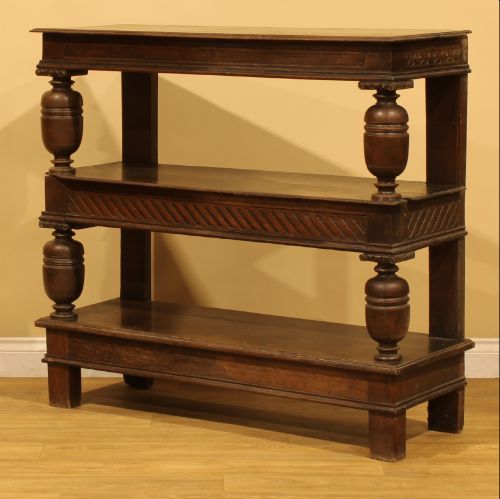
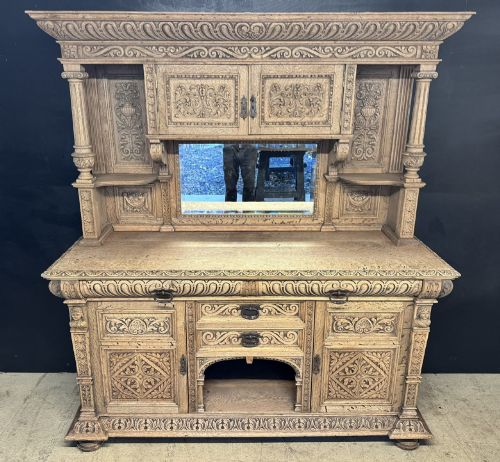
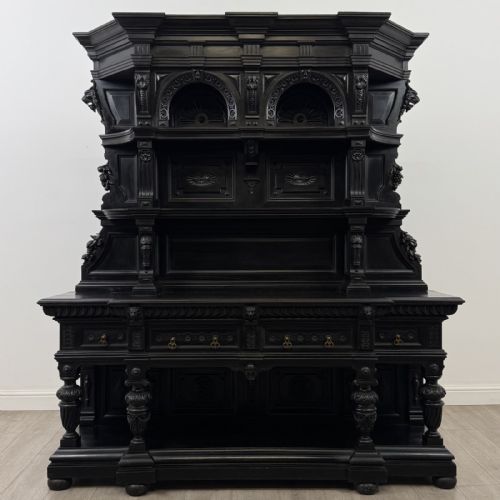
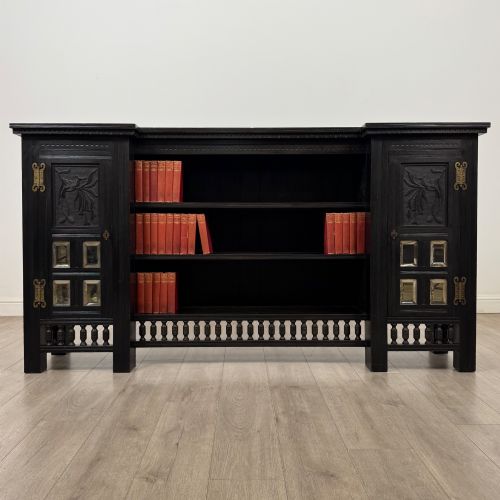
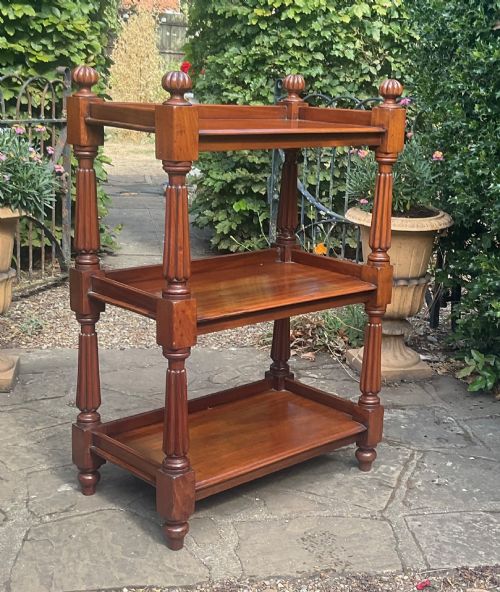
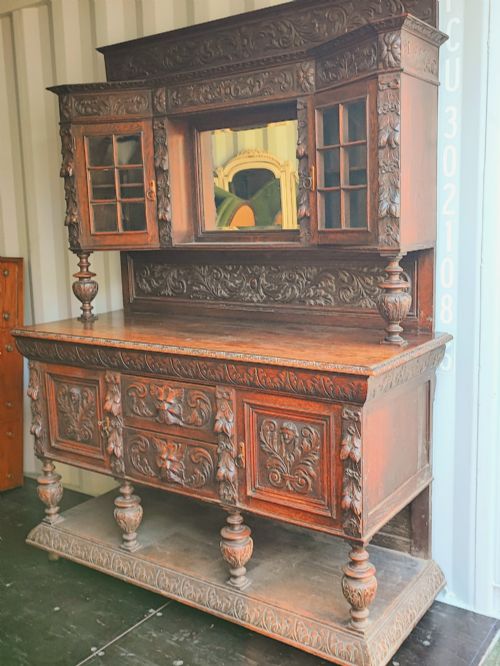
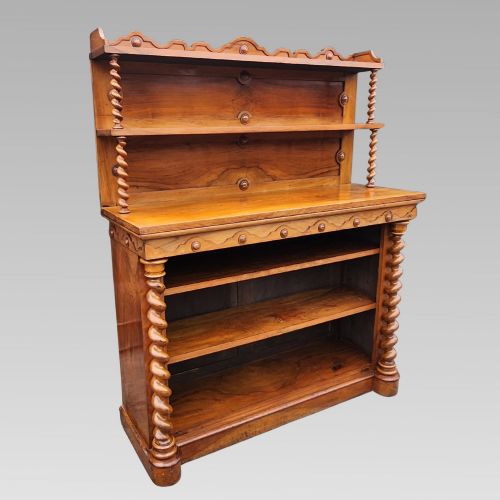
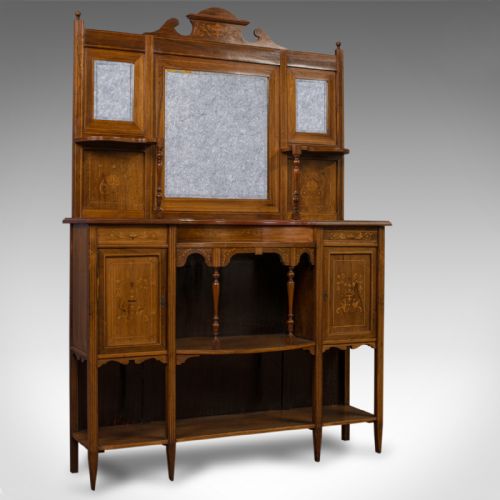
When you search for a victorian display server, you encounter heavy timber furniture designed for nineteenth century entertaining and display. The selection spans robust sideboards, chiffoniers, credenzas, and multitiered etageres.
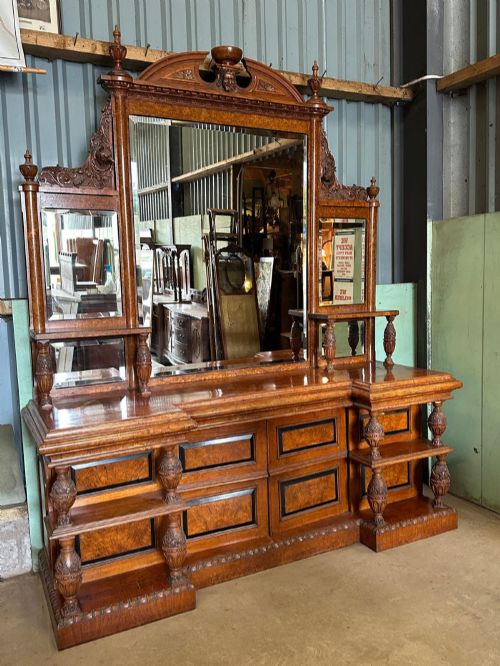
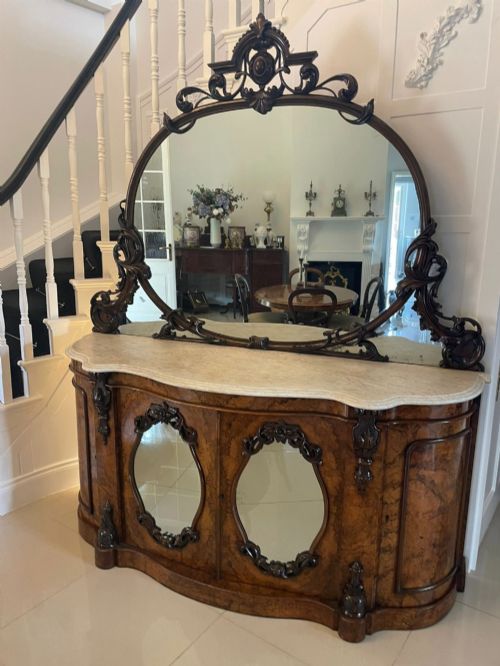
Mahogany, oak, and walnut dominate the offerings, often incorporating mirrored backs for reflecting light and displaying silver or glassware. Forms range from compact music cabinets to large carved oak servers intended for formal dining rooms.
Materials and construction
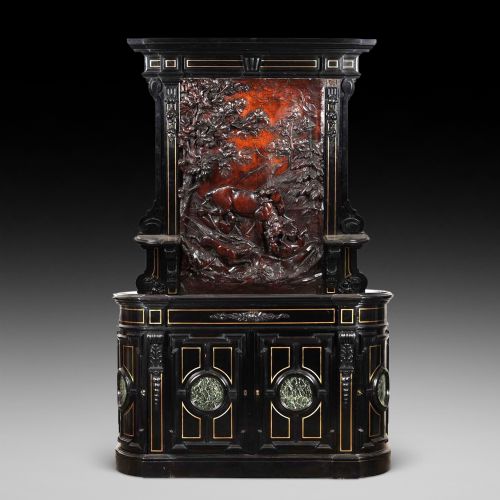
Cabinetmakers utilised dense hardwoods including mahogany, pollard oak, burr walnut, and ebonised wood, sometimes accented with boxwood inlay or marble. Surfaces frequently feature detailed lion mask carvings and applied mouldings.
Glazed doors, mirrored glass backsplashes, and tiered shelving structures demanded precise joinery to support heavy display items and crockery.
Victorian Display Server Retail Price Guide 2026
Typical asking prices for victorian display server among the pieces listed under this phrase on Sellingantiques today, from the lower quarter to the upper quarter. They describe what is for sale here now, not the wider market.
Listings feature woods like mahogany, walnut, oak, and ebonised timber alongside marble surfaces.
Judging execution
Quality rests in the depth and crispness of the hand carving, particularly around lion masks and applied foliage. Fine examples exhibit carefully selected burr veneers and tight, uniform grain matching.
The integrity of the structural joinery, the clarity of original mirror glass, and the stability of multitiered etagere frameworks distinguish superior pieces from standard workshop production.
Shapland & Petter
The Victorian Display Server Glossary
- Etagere
- A piece of furniture consisting of a set of open shelves for displaying small objects. These tiered units often function as slim sideboards or buffets.
- Chiffonier
- A low sideboard or cabinet, typically with doors enclosing shelves and sometimes topped with a mirror. They emerged as popular dining and drawing room storage during the nineteenth century.
- Credenza
- A sideboard or buffet, frequently featuring mirrored backs and fine wood veneers. The form provides substantial surface area for serving and display.
- Burr walnut
- A figured wood veneer derived from the abnormal growth of a walnut tree. It yields swirling grain patterns prized on cabinet doors and tabletops.
- Ebonised wood
- Timber stained or treated to imitate ebony. This dark finish gained favour during the nineteenth century, particularly in aesthetic movement and revival pieces.
Victorian Display Server: Frequently Asked Questions
What is a display server?
A display server is a nineteenth century furniture piece intended for serving food and exhibiting decorative objects in a dining room or parlour.
These items combine storage cupboards or drawers with surface tops, and frequently incorporate mirrored backs or open shelving tiers.
How do I date these pieces?
Dating relies on identifying specific stylistic revivals, timber choices, and construction methods recorded across the nineteenth century. Periods span from early Victorian mahogany pieces to later Arts and Crafts and Jacobean revival designs.
Examination of secondary timbers, backboards, and hardware provides further chronological indicators for individual items.
Where should I place a server?
These servers suit dining rooms, living spaces, and hallways where their surface depth and display capacity function effectively. Pieces with mirrored backs help brighten darker corners by reflecting ambient light.
Ensure adequate wall clearance for taller mirror-back variants and consider floor weight capacity for dense oak or walnut frames.
How do I care for the wood?
Maintain timber surfaces by dusting with a dry lint-free cloth and avoiding silicone-based polishes. Keep pieces away from direct heat sources and strong sunlight to protect delicate veneers and wax finishes.
Glass panels and mirrors require standard non-ammonia cleaner applied directly to a cloth rather than the wood.