



Victorian Display Easel
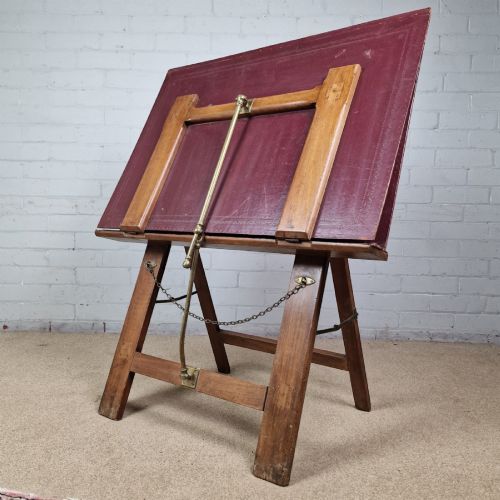
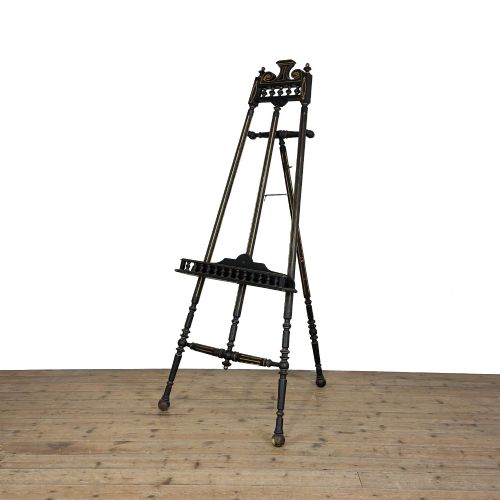
A victorian display easel holds a painting, photograph or folio with practical presence.
Victorian Display Easel
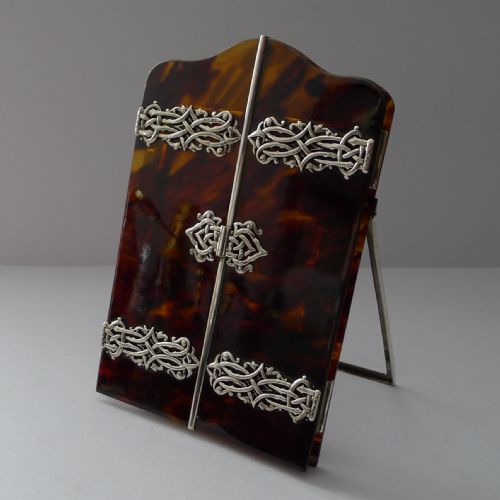
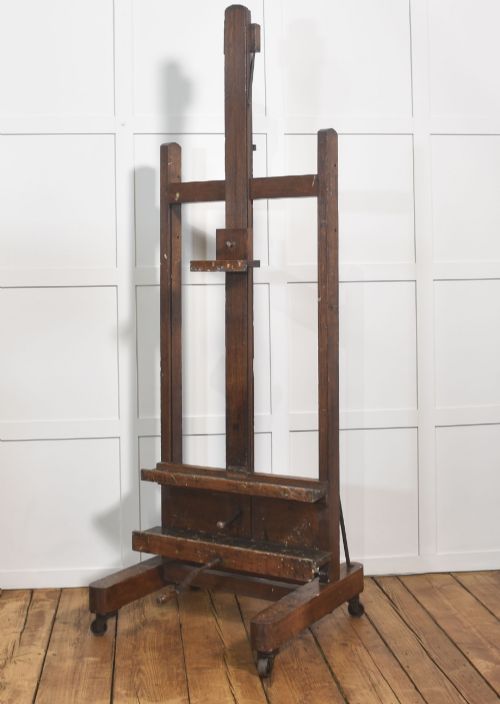
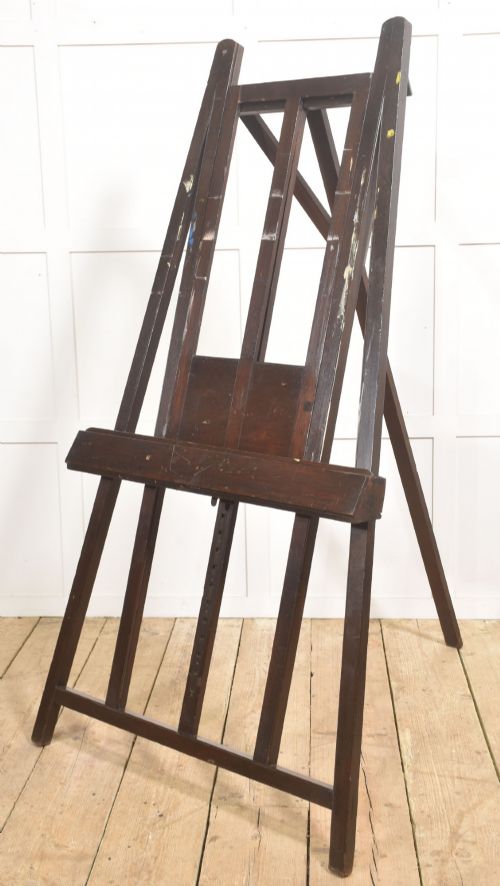
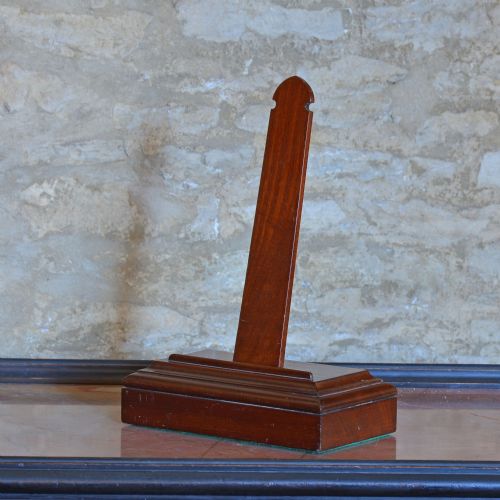
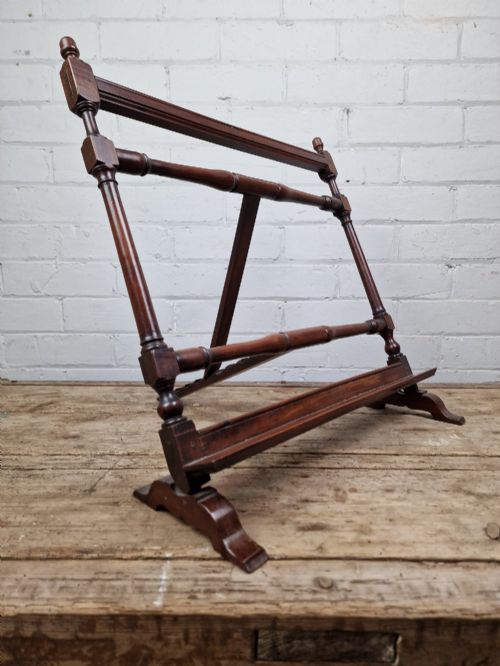
A victorian display easel ranges from tall, fully adjustable studio timber frames in mahogany or oak to delicate bamboo and table-top designs meant for drawing rooms. These pieces served artists and homeowners alike, holding canvases, picture frames, and music stands securely.
You will most commonly encounter mahogany and oak studio versions alongside folding bamboo display pieces and small table-top stands in walnut. Many pieces incorporate brass fittings, gilt bronze, or ivory inlay, reflecting the diverse decorative styles of the nineteenth century.
How they were made
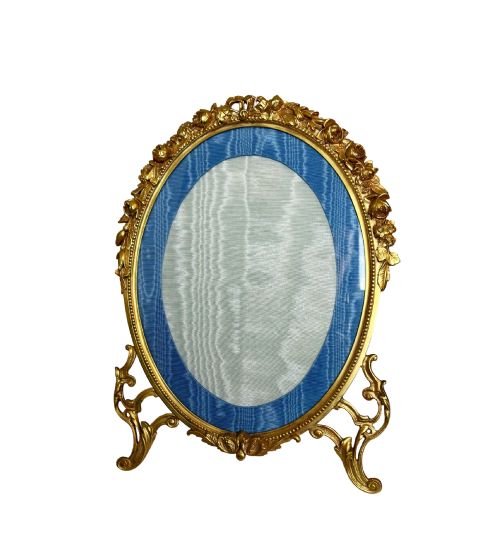
Cabinet makers utilised dense hardwoods such as mahogany, walnut, and oak, constructing heavy studio frames and delicate table-top stands with solid joinery. Metal elements like brass, cast iron, and ormolu provided the adjustable mechanisms for studio models and the decorative embellishments for picture frames.
Specialised techniques included ebonising, bone and ivory inlay, and pierced fretwork, particularly seen in bamboo and aesthetic movement examples. Surfaces were finished to highlight natural timber grains or painted black to emulate expensive exotic woods.
Materials span mahogany, oak, walnut, bamboo, and cast iron, alongside decorative touches of brass, glass, and gilt bronze.
What varies in quality
The sophistication of the mechanical adjustment mechanism separates standard studio models from the finest workshop examples. Fully adjustable ratchets, smooth winding screws, and robust brass fittings indicate superior utility and construction.
Design complexity and material selection dictate the tier of a piece, moving from simple turned timber to intricate French rococo carvings, ormolu mounts, or fine ivory inlay. The integrity of original joints and the preservation of delicate fretwork or bamboo sections further define the standing of each piece.
Benjamin Taylor and Sons·Windsor and Newton
The Victorian Display Easel Glossary
- Ebonised
- Timber treated to resemble ebony, a technique popular in nineteenth-century aesthetic movement furniture. It gives a deep black, uniform finish.
- Ormolu
- Gilt bronze ornamentation applied to mounts and frames, frequently found on french revival pieces. This finish adds metallic lustre to timber and glass objects.
- Folio stand
- A piece designed to hold large books, prints, or portfolios for viewing. These stands feature sloping racks or shelves.
- Fretwork
- Ornamental design created by cutting patterns through thin wood with a fretsaw. This technique decorates the crests of display easels.
- Gothic revival
- A nineteenth-century architectural and decorative style inspired by medieval forms. Pieces often display pointed arches and heavy oak construction.
Victorian Display Easel: Frequently Asked Questions
What is the difference between a studio easel and a display easel?
Studio easels are heavy, practical frames built to hold working canvases for artists, often featuring complex mechanical winches and large timber bases. Display easels are lighter, decorative pieces intended to showcase finished artwork, photographs, or folios in a domestic setting.
While a studio easel prioritises robust adjustment for painting, a display easel emphasises aesthetic appeal through bamboo, inlaid wood, or ornate fretwork.
How do I use a display easel in a modern room?
A display easel provides an alternative to wall hanging, allowing you to stand framed pictures, mirrors, or large books on tables or directly on the floor. Floor-standing models anchor corners or empty wall spaces with vertical timber lines.
Table-top versions suit sideboards or desks, holding smaller photographs or plates securely without fixing hardware into walls.
Are these pieces fully adjustable?
Many nineteenth-century studio examples retain their original brass winding mechanisms, sliding pegs, and ratchets to alter the height and angle of the held work. However, lighter bamboo and table-top display pieces are often fixed in their configuration.
Checking the listings will confirm whether a specific studio or gallery model maintains its mechanical functionality.
How do I identify a piece from the aesthetic movement?
Aesthetic movement pieces often feature ebonised wood surfaces, simple geometric lines, and Japanese-inspired decorative motifs. They contrast sharply with the heavier, ornate carving of standard Victorian revival furniture.
You may also find bamboo construction and contrasting inlay details characteristic of this late nineteenth-century preference for artistic refinement.