



Victorian Dinnerware Set
A victorian dinnerware set brings nineteenth-century dining traditions directly to the modern table through robust ironstone, fine porcelain and hand-painted detail.
Victorian Dinnerware Set
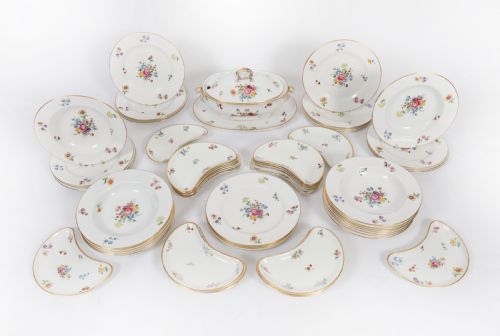
A victorian dinnerware set encompasses diverse gatherings of ceramics designed for nineteenth-century table service, ranging from extensive family collections to smaller sets of plates and soup bowls. These groupings capture the domestic habits of the period, reflecting formal multi-course meals as well as everyday household dining.
The selections encountered here span expansive services with dozens of pieces down to modest plate sets, including specialised forms like child's toy dinner services and soup bowls. Makers recorded across these listings include Davenport, Spode, Copeland, Coalport, Masons, Doulton, Limoges and Elkin & Newbon.
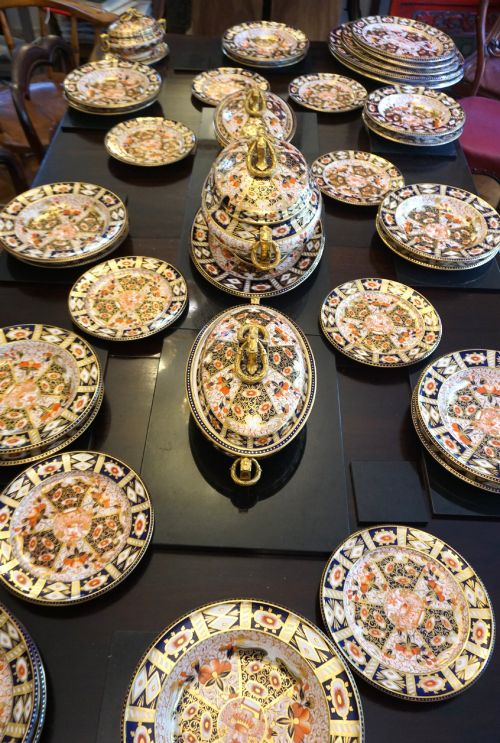
Origins stretch across English potteries and continental houses, showcasing styles from traditional blue and white willow patterns to vibrant Imari Japan designs, Chinoiserie and botanical decorations. Pieces frequently date from the mid to late nineteenth century, capturing the evolution of ceramic production during the era.
Materials and production methods
Ceramic bodies within these services rely heavily upon durable earthenware, dense ironstone and refined porcelain, providing the structural foundation for daily use or formal display. Glazes seal these surfaces, while enamel colours and gold leaf accents are applied to enrich the visual appeal of borders and central motifs.
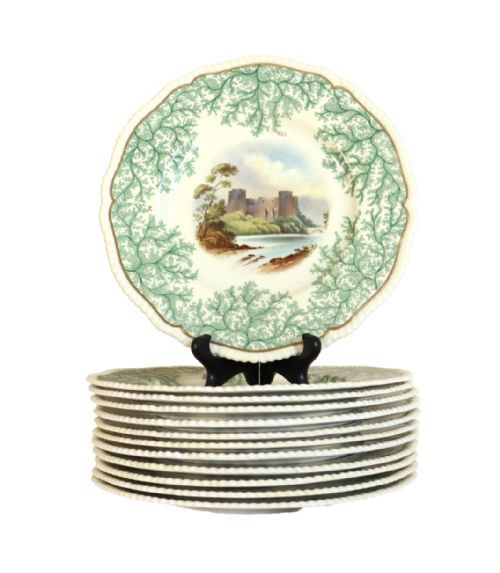
Decoration techniques combine transfer-printing, exemplified by classic blue and white seaweed borders and willow patterns, with intricate hand-painted botanical scenes and Chinoiserie or Imari palettes. Firing processes in nineteenth-century kilns bonded these pigments and gilding to the ceramic base, leaving enduring physical evidence of period craftsmanship.
Victorian Dinnerware Set Retail Price Guide 2026
Typical asking prices for victorian dinnerware set among the pieces listed under this phrase on Sellingantiques today, from the lower quarter to the upper quarter. They describe what is for sale here now, not the wider market.
The listings on this page span the 19th Century, Victorian era, and Edwardian period, incorporating materials like porcelain, ironstone, and gold leaf.
Distinctions in quality and execution
Quality across these ceramic services is determined by the crispness of transfer-printing, the precision of hand-painted brushwork and the preservation of delicate gilt highlights. Superior sets maintain consistent glaze coverage and vibrant enamel colours across every individual plate, bowl and serving piece.
The completeness of a service and the reputation of the producing pottery or maker heavily influence the standing of a collection. Elaborate patterns featuring extensive gilding or specialised forms like child's toy services demonstrate distinct levels of artisan investment and factory capability.
Davenport·Spode·Copeland·Coalport·Masons·Doulton·Limoges·Elkin & Newbon
The Victorian Dinnerware Set Glossary
- Ironstone
- A dense, durable type of earthenware patented in the nineteenth century to withstand heavy dining use. It offers greater strength than standard pottery while retaining a smooth glazed surface.
- Imari Japan pattern
- A decorative style inspired by Japanese export wares, typically featuring a rich palette of cobalt blue, iron red and gold leaf. This aesthetic was widely adopted by nineteenth-century English potteries.
- Transfer-printing
- A mechanical technique for applying detailed patterns to ceramics by engraving a design on a metal plate, pulling it on paper, and pressing it onto the biscuit ware before glazing. It allowed complex scenes like the willow pattern to be produced consistently.
- Gilt
- A thin layer of gold or gold leaf applied to the rims and handles of ceramic tableware to provide a decorative finish. Its preservation indicates how carefully a service has been handled and washed over generations.
- Porcelain
- A fine, hard ceramic fired at high temperatures, known for its translucent quality and smooth white body. It represents the more refined end of nineteenth-century table service manufacturing.
Victorian Dinnerware Set: Frequently Asked Questions
How were these dinner services used?
Nineteenth-century dining involved multiple courses served sequentially, requiring specialised vessels such as large dinner plates, soup bowls and serving dishes. Extensive sets accommodated formal household gatherings and large family dinners.
Servants brought these ceramic services from the kitchens to the dining table, where food was presented before individual portions were distributed to guests.
Can I use antique plates every day?
Many nineteenth-century ceramics remain structurally sound for regular dining, though hand washing is generally recommended to protect delicate enamels and gold leaf highlights. Avoiding modern dishwashers preserves the historic glaze.
Careful handling ensures that these durable ironstone and porcelain pieces continue to function as practical tableware in a modern household.
How do I identify the period of a service?
Pottery marks stamped, impressed or painted on the underside of ceramics provide essential clues to the manufacturing date and maker. Impressed diamond registration symbols supply precise month and year data.
Stylistic indicators, such as transfer-printed motifs or hand-painted botanical borders, also help align a service with nineteenth-century production trends.