



Victorian Dining Utensil
These victorian dining utensil examples bring the weight of nineteenth-century silver and silver plate directly to the table.
Victorian Dining Utensil
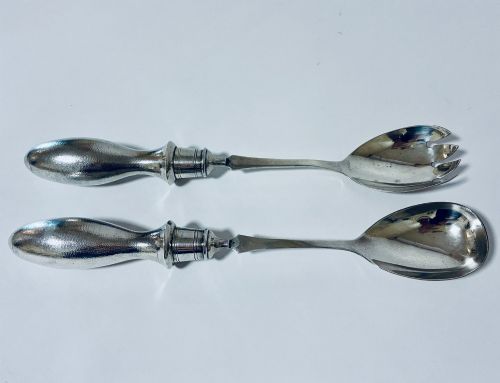
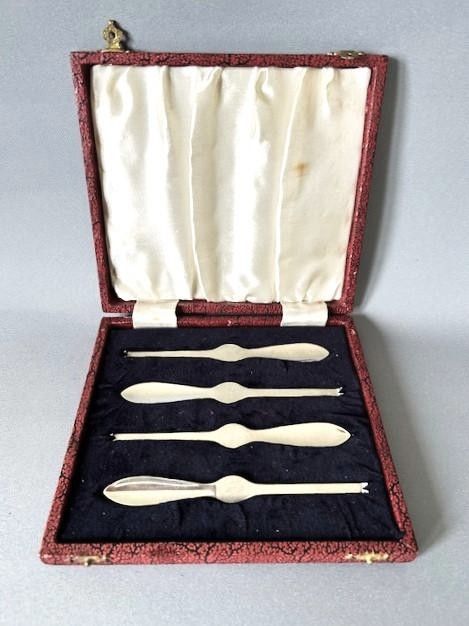
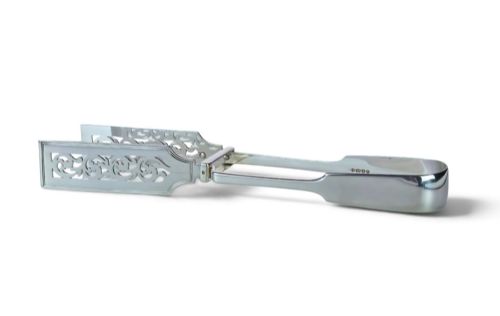
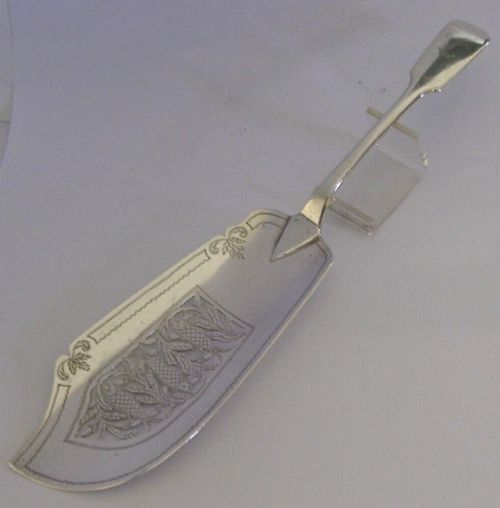
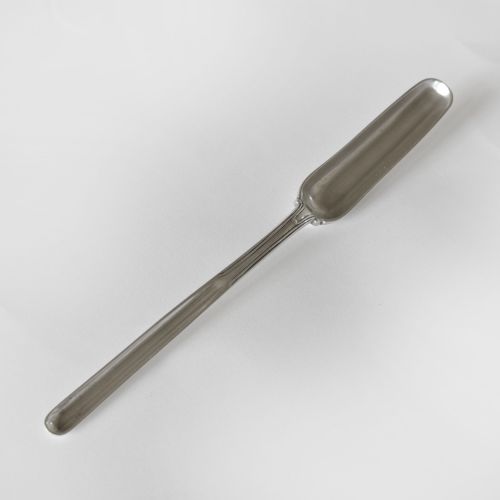
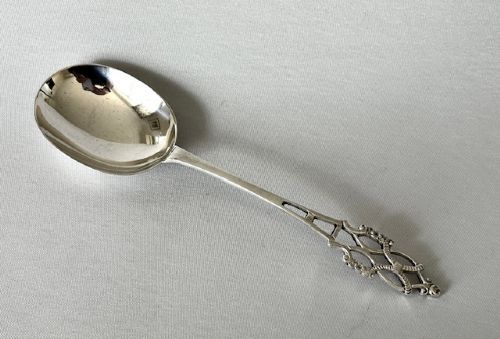
When searching for a victorian dining utensil, buyers encounter specialised serving pieces designed for specific nineteenth-century courses and dining habits. These items include serving tongs, fish servers, marrow scoops, and grape scissors used across the Victorian, Georgian, and Edwardian periods.
Origins range across English workshops and domestic production, capturing the stylistic shifts from Georgian restraint through Victorian elaboration into early Edwardian manufacture. Each form reflects the specific culinary requirements of grand dining rooms of the nineteenth century.
Materials and construction
Makers utilised solid sterling silver and durable base metals coated in silver plate to construct these items. Casting and hand-piercing techniques created elaborate decorative ends on serving tongs and fish servers.
Techniques such as casting formed robust structural components for grape scissors and lobster crackers while maintaining refined ornamental detail. Metalworking traditions of the nineteenth century ensured structural integrity for heavy table service.
Victorian Dining Utensil Retail Price Guide 2026
Typical asking prices for victorian dining utensil among the pieces listed under this phrase on Sellingantiques today, from the lower quarter to the upper quarter. They describe what is for sale here now, not the wider market.
Listings span the Georgian, Victorian, and Edwardian periods, utilising sterling silver, silver plate, and base metal.
Judging quality
Quality rests upon the crispness of cast decoration and the precision of pierced elements on items like asparagus tongs and fish servers. Superior examples retain clear maker marks and balanced proportions in the hand.
The thickness of the silver or the uniformity of the silver plating distinguishes standard production from finer workshop output. Well-preserved definition in family crests and engraved ornamentation indicates superior execution.
Elizabeth Eaton
The Victorian Dining Utensil Glossary
- Sterling silver
- A standard alloy consisting of high-purity silver used extensively in nineteenth-century cutlery and serveware. It provides durability and a deep lustre.
- Silver plate
- A base metal foundation coated with a layer of pure silver. This method offered an accessible alternative to solid silver for large dining items.
- Fish servers
- A matched knife and fork set utilised for serving fish courses. The blade is typically wide and heavily decorated with pierced work.
- Grape scissors
- Specialised curved scissors designed for severing individual sections of fruit from the bunch without damaging surrounding grapes.
Victorian Dining Utensil: Frequently Asked Questions
What are Victorian dining utensils?
These pieces comprise specialised cutlery and serveware manufactured during the nineteenth century for formal meals. They include serving tongs, fish servers, marrow scoops, and grape scissors designed for specific culinary tasks.
Such items reflect the elaborate dining rituals of the period, requiring dedicated instruments for courses involving fish, marrow, fruit, and asparagus.
How do I identify silver plate?
Silver-plated items utilise a base metal core covered by a thin layer of pure silver. They provide the appearance of solid silver through alternative manufacturing methods.
Examing edges and wear points often reveals the underlying base metal where the silver coating has thinned over decades of use.
How should I clean silver serving pieces?
Maintenance requires gentle cleaning with non-abrasive silver polish and soft cloths to preserve the metal surface. Avoid harsh chemical dips that strip away desirable patination.
Storing pieces in tarnish-resistant cloths helps protect the sterling silver or silver plate between uses.