
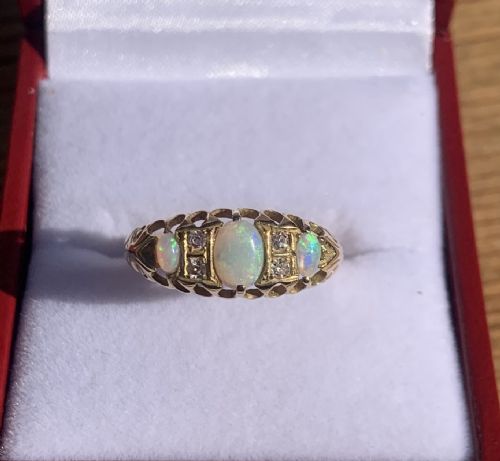


Victorian Diamond Bridge Ring
A victorian diamond bridge ring brings together fine gem-setting and curved metalwork from the late nineteenth and early twentieth centuries.
Victorian Diamond Bridge Ring
A victorian diamond bridge ring is a finger ornament typically featuring a raised central setting or curved profile spanning the band. These pieces emerge predominantly from the Victorian, late Victorian, and Edwardian periods, with occasional examples from around nineteen thirty.
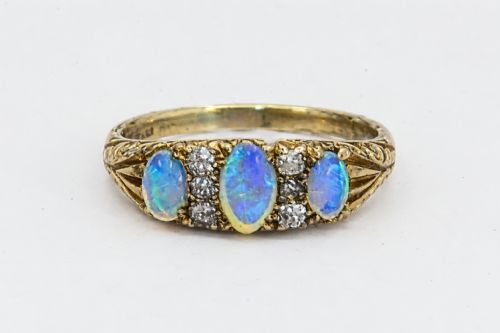
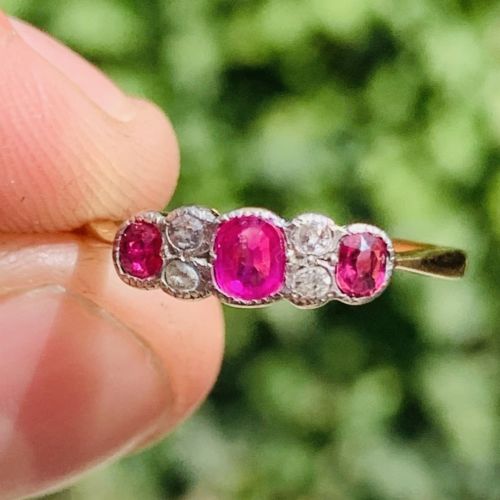
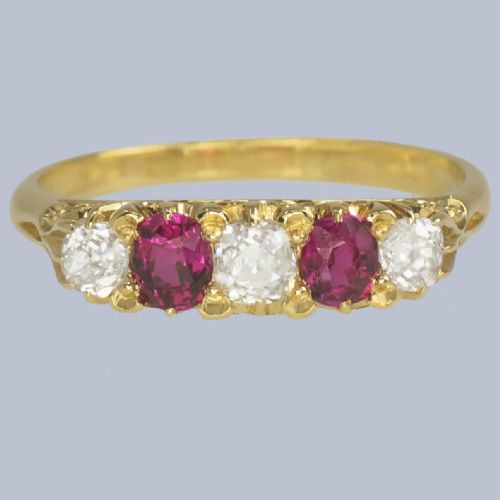
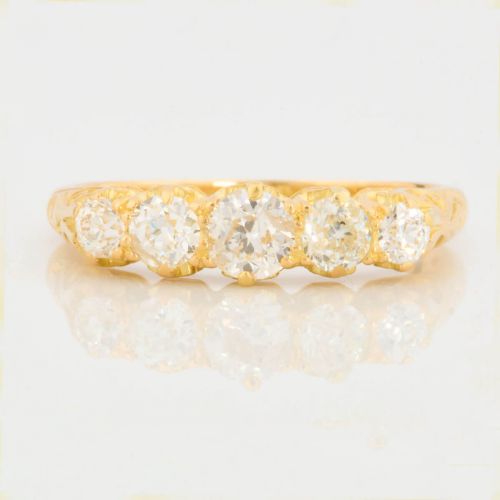
The designs incorporate distinct forms such as boat, bateau, and trilogy arrangements. These configurations showcase old cut diamonds alongside coloured gems like rubies, sapphires, opals, and turquoise.
Buyers encounter rings fashioned mainly in eighteen carat gold, fifteen carat yellow gold, and platinum combinations. The stones sit securely within traditional claw or flush mounts designed to catch the light from multiple angles.
How they were made
Goldsmiths shaped the bands from eighteen carat gold, fifteen carat yellow gold, and platinum, often pairing yellow gold shanks with platinum settings to enhance the brilliance of white stones. These metals were cast or hand-wrought to support the elevated bridge structures.
Jewellers set diamonds using old mine cuts and old cuts, complemented by rose cut variations. Alongside these, rubies, sapphires, opals, and turquoise were hand-cut and secured into boat and multi-stone arrangements.
Some nineteenth-century makers curved these rings so sharply that a small wooden ship could practically sail beneath the diamond bridge.
What varies in quality
The standard of a victorian diamond bridge ring rests upon the harmony of its proportions and the skill of the gem-setting. Superior examples display balanced spacing between the diamonds and coloured stones, ensuring the elevated bridge profile remains graceful rather than heavy.
Material selection also dictates the hierarchy, particularly the clarity and colour play of opals, the depth of Burmese rubies and sapphires, and the integrity of the gold or platinum mounts. Finer pieces retain crisp claw work and minimal wear to the structural metal.
The Victorian Diamond Bridge Ring Glossary
- Bridge ring
- A ring featuring a raised section or arch spanning the finger above the main band. This construction allows other rings to sit flush against it.
- Old cut diamond
- A hand-faceted diamond cut before modern automated standards, typically possessing a smaller table and higher crown. These stones exhibit a softer, warmer scintillation under candlelight.
- Boat ring
- A ring setting shaped like the hull of a boat, curving upwards from the shoulders to a central cluster. It was a popular silhouette during the Victorian era.
- Trilogy ring
- A ring set with three stones, traditionally symbolising the past, present, and future. In these pieces, diamonds often flank a central sapphire, ruby, or opal.
- Platinum
- A dense, durable white metal utilised in jewellery manufacturing from the Edwardian period onward. Its strength allowed jewellers to create delicate, lace-like settings for diamonds.
Victorian Diamond Bridge Ring: Frequently Asked Questions
How do I wear a bridge ring?
The elevated central profile of a bridge ring allows a plain wedding band or compatible straight ring to slide neatly underneath the span.
Because of the raised setting, wearers often remove the ring during heavy manual tasks to protect the underlying metal structure and stone mounts.
What metals were used?
Goldsmiths constructed these rings predominantly in eighteen carat gold and fifteen carat yellow gold. Platinum also appears, particularly in Edwardian and late Victorian pieces where white metal enhanced diamond brightness.
Combinations of yellow gold shanks with platinum-topped settings are common among the surviving examples.
How do I date these rings?
Dating relies on stylistic markers such as boat-shaped profiles, specific gemstone combinations, and the transition from yellow gold to platinum settings between the Victorian and Edwardian eras.
Punch marks, hallmarking conventions, and the presence of old mine cut or old cut diamonds provide further chronological context.