


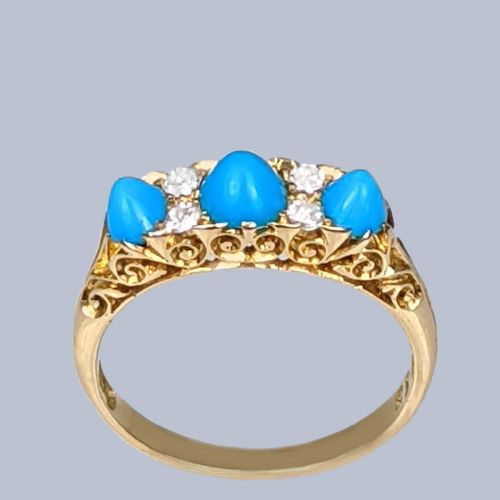
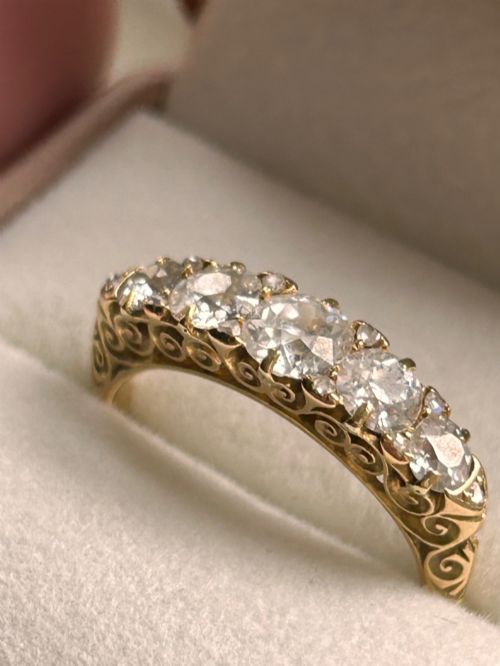
Victorian Diamond Band
A victorian diamond band is a low-profile ring set with old cut stones, offering secure daily wear and distinct period character.
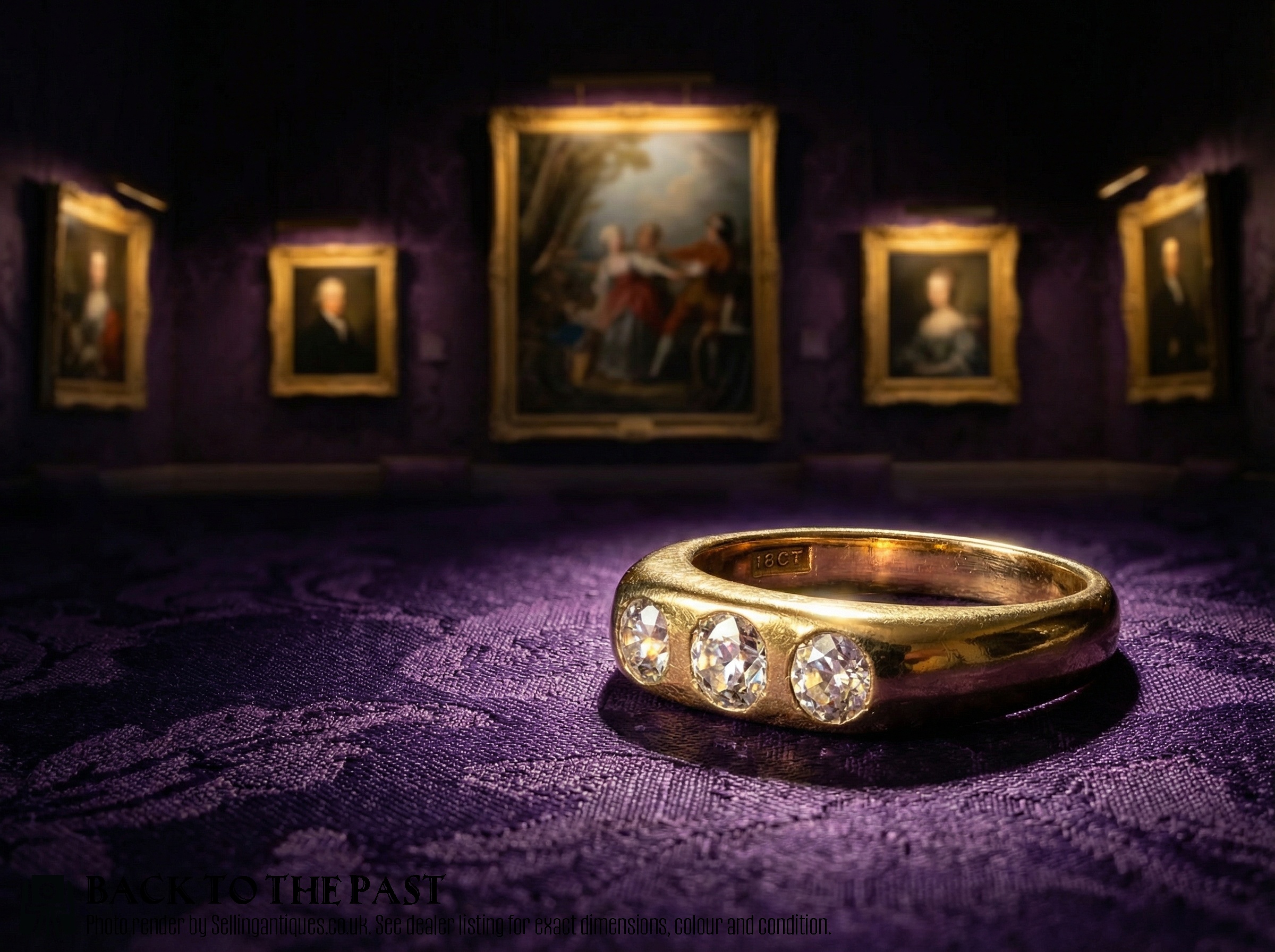
Victorian Diamond Band
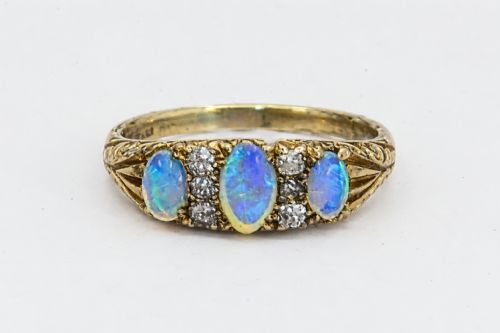
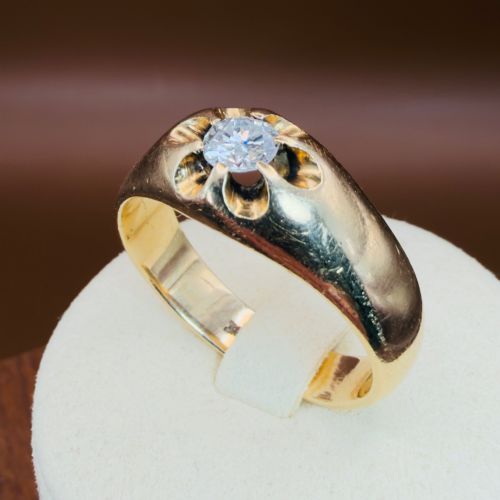
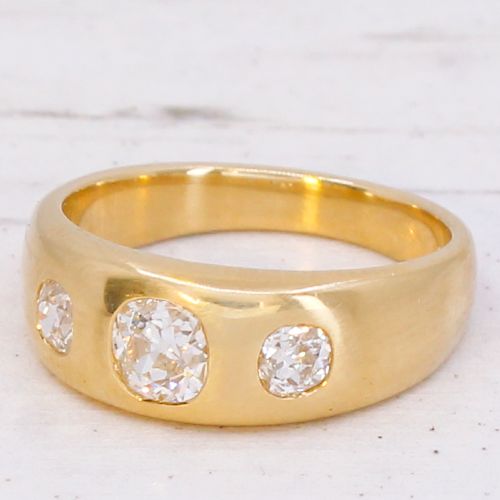
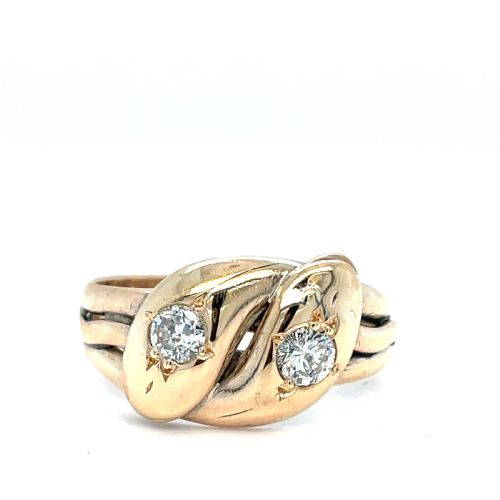
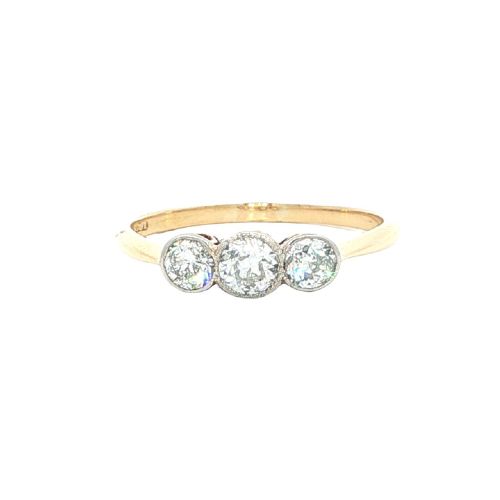
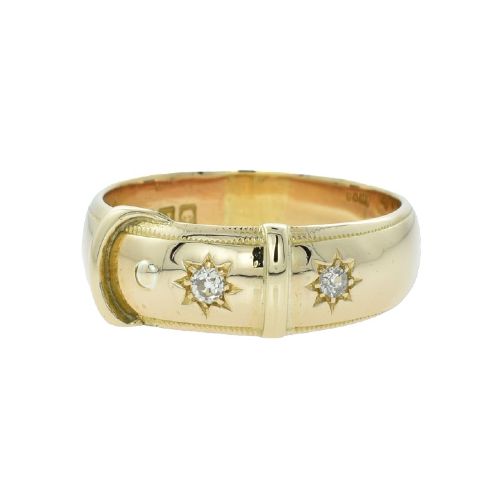
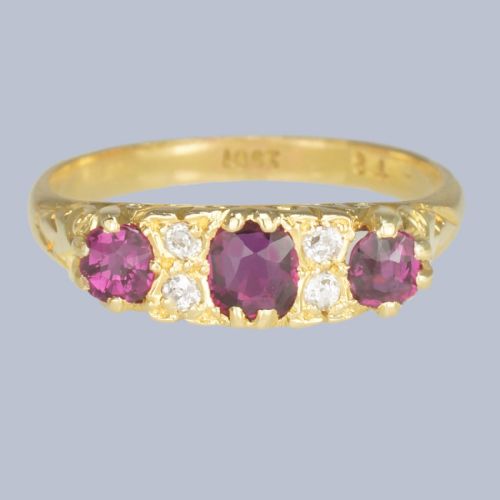
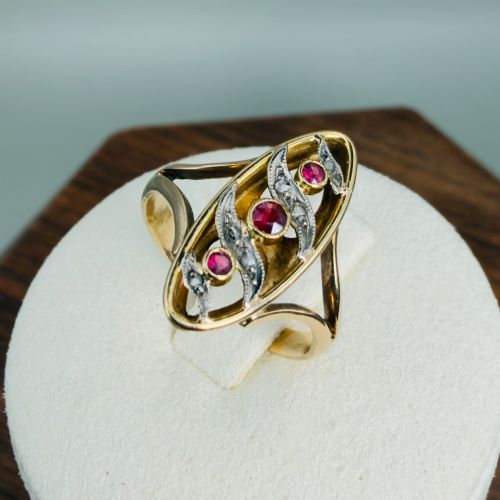
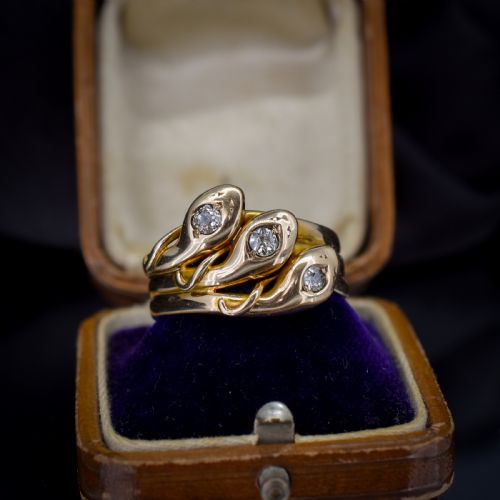
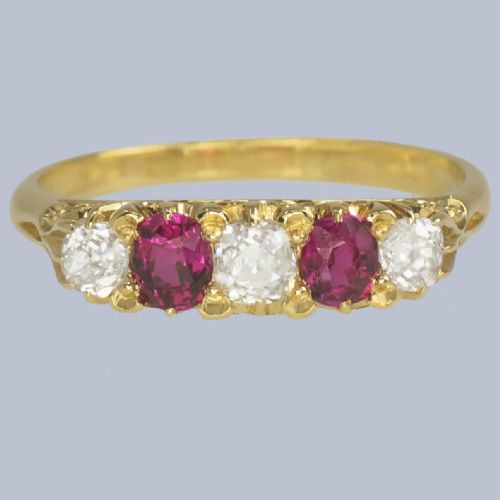
A victorian diamond band brings together dense gold work and flush-set or star-set stones designed for practical elegance. The evidence shows these rings appearing primarily in forms such as gypsy bands, buckle rings, boat shapes, and snake motifs.
Most examples encountered here span the late nineteenth century, specifically from the 1880s through to the 1890s, alongside related pieces extending into the 1920s. These rings function as continuous bands of gold integrated smoothly with old cut diamonds.
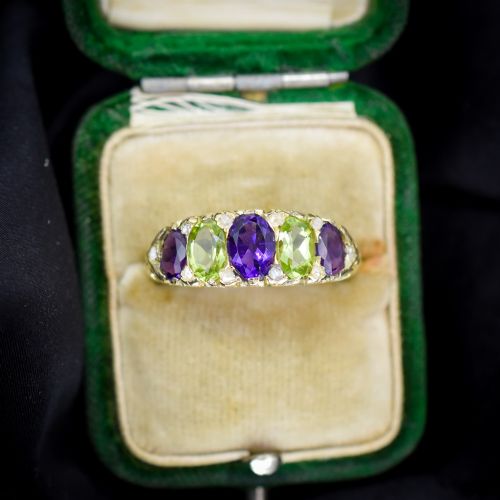
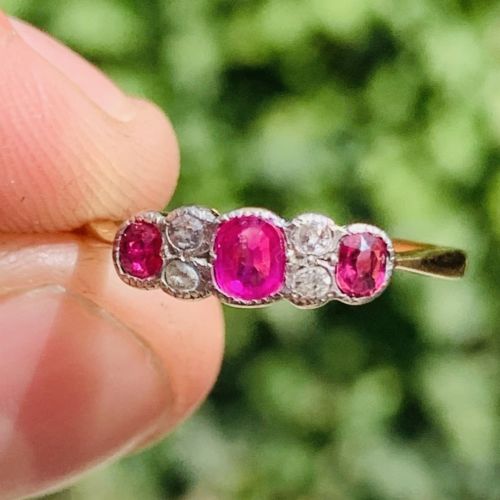
Makers frequently combined diamonds with coloured gems including natural coral, ruby, sapphire, and various shades of yellow, rose, and standard 18ct and 15ct gold. The resulting profile sits flat against the hand, making it a robust choice for everyday use.
How they were made
Goldsmiths utilised heavy yellow, rose, and standard gold bases, often casting or forging substantial bands weighing into double-digit gram weights. Old cut diamonds were then hand-set directly into the metal, frequently secured with star-shaped star gypsy settings or enclosed within buckle and snake designs.
Techniques relied on hand-carving and chasing the gold to create ornate relief patterns or smooth, heavy gypsy profiles. Gems such as coral, rubies, and sapphires were integrated alongside the diamonds using flush or gypsy mounting methods to protect the girdle of each stone.
Listings show these rings spanning from the 1880s through the 1890s, alongside examples extending into the 1920s, fashioned in 18ct and 15ct gold.
What varies in quality
Quality rests in the heft of the gold and the crispness of the hand-chased star settings and engraved motifs. Substantial metal weight, as seen in heavy buckle and wide band formats, provides structural integrity that lighter castings lack.
The choice and cut of the gems also define the piece, with old cut diamonds showing distinct hand-faceted proportions alongside well-matched sapphires, rubies, or natural coral. Superior examples maintain sharp relief in snake scales or buckle details without wear softening the underlying gold.
The Victorian Diamond Band Glossary
- Gypsy band
- A style of ring where the stones are flush-set into a thick band of metal that tapers towards the back. This setting style keeps the stones secure and protects the edges from daily knocks.
- Old cut diamond
- A hand-faceted diamond cut before the advent of modern machinery, typically featuring a small table, high crown, and open culet. These stones display distinctive broad flash patterns under candlelight.
- Star setting
- A method of flush-setting a diamond where small triangular incisions are hammered into the surrounding metal around the stone. This creates the appearance of a starburst radiating from the gem.
- Buckle ring
- A ring fashioned to resemble a buckled belt, symbolising loyalty and attachment in nineteenth-century jewellery. These designs often incorporate diamonds into the strap or buckle head.
- Boat ring
- A boat-shaped mounting arrangement where multiple gems are set in an elongated, curved row resembling the hull of a vessel. It is a distinctive Georgian and Victorian multi-stone configuration.
Victorian Diamond Band: Frequently Asked Questions
How do I wear a gypsy band?
A gypsy band sits flush against the finger, making it exceptionally comfortable for daily wear alongside other rings.
Its low profile ensures the stones and metal do not catch on clothing or daily items.
Are these rings solid gold?
The pieces listed utilise solid 18ct and 15ct gold foundations rather than plated metals.
This high gold content contributes to the substantial weight and durability found across these Victorian bands.
How do I date a Victorian band?
Dating relies on stylistic clues such as star settings, snake motifs, buckle shapes, and specific hallmarks or stamped dates.
The records show examples reliably anchored in the 1880s and 1890s.