


Victorian Desk Set Inkwell
These Victorian desk set inkwell pieces bring nineteenth-century writing tables to life with fitted glass inserts, brass mounts, and polished hardwood stands.
Victorian Desk Set Inkwell
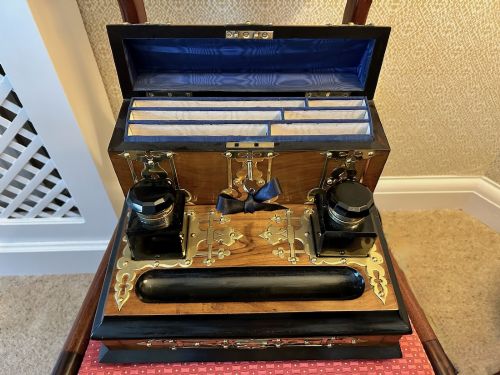
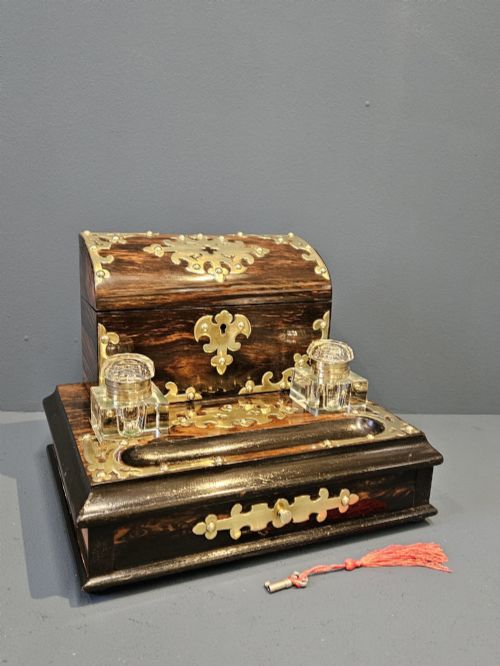
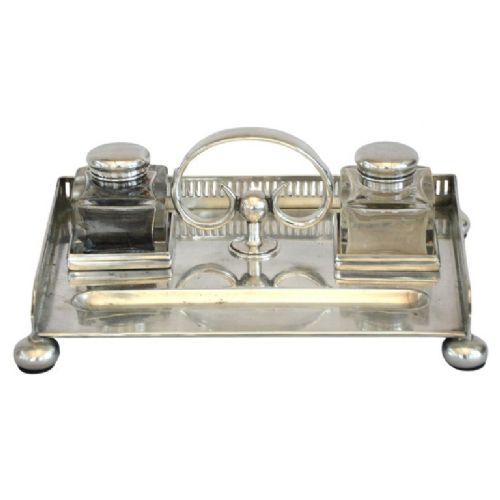
A victorian desk set inkwell combines a secure stand with one or more receptacles for holding liquid ink and resting writing implements. These pieces range from simple single glass pots housed in brass bases to grand walnut, coromandel, and boulle work stands incorporating stationary compartments.
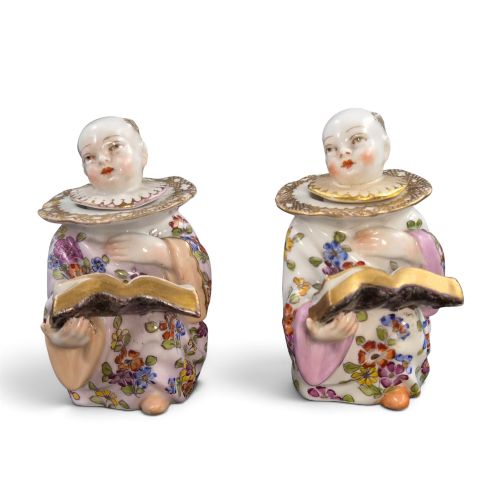
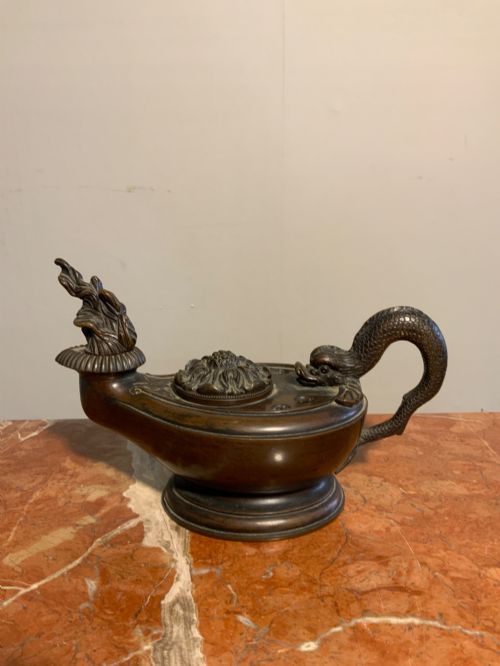
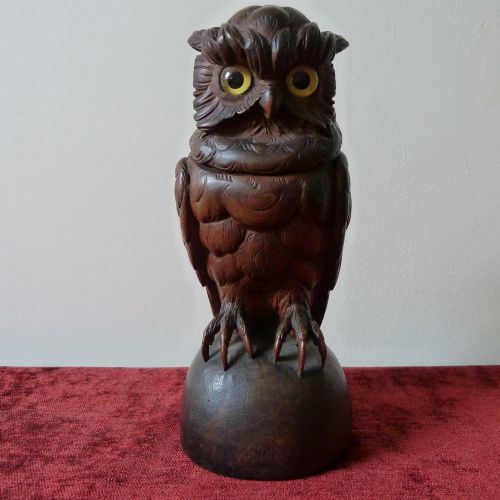
The objects stem predominantly from the nineteenth century, taking diverse forms including double inkstands, figural designs like carved owls, and elaborate desk tidies. Buyers frequently encounter wooden stands inlaid with brass or mother-of-pearl alongside heavier cast-brass and ormolu examples.
Originating across Britain, France, and wider Europe, these pieces reflect the formal correspondence habits of the period. Many survive with their original cut glass or porcelain ink inserts intact within fitted trays.
Materials and construction methods
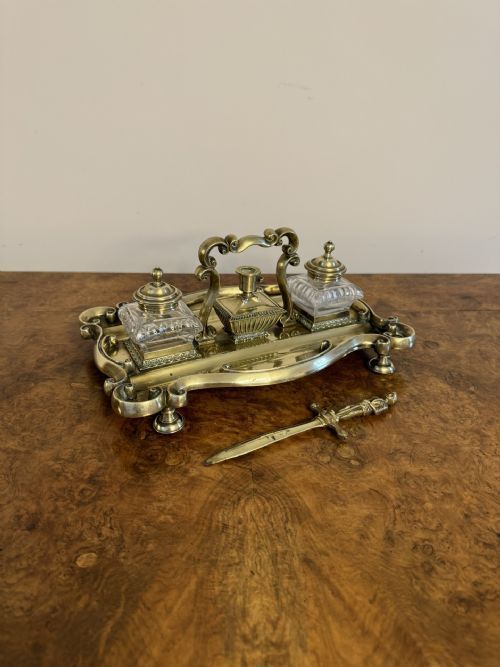
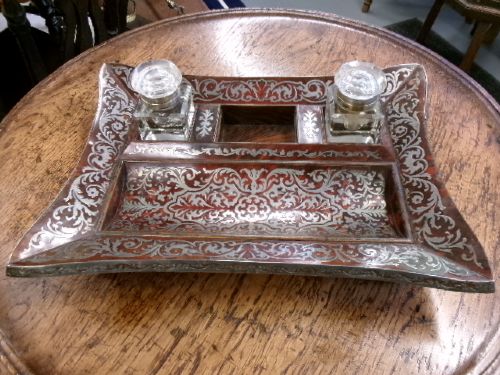
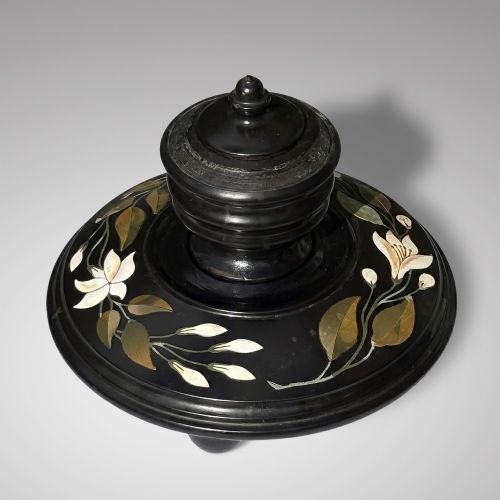
Craftsmen utilised dense exotic timbers such as coromandel, walnut, and rosewood for the foundations, often mounting them with cast brass, ormolu, and gilt bronze. Surface ornamentation frequently involved intricate Boulle work, tortoiseshell inlay, and Ashford marble.
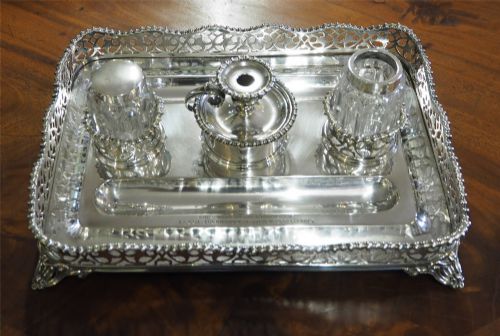
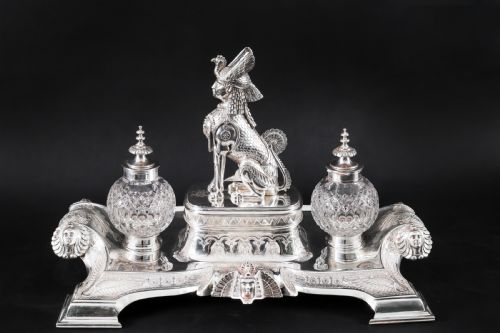
Glassmakers produced heavy cut glass and crystal inserts to hold the ink safely without corrosion. Metalworkers shaped brass, silver plate, and sterling silver through casting and plating, creating detailed stands and hinged lids.
Several stands take the watchful form of carved wooden owls gazing across the Victorian study.
Distinguishing quality in desk stands
The standard of a victorian desk set inkwell rests on the crispness of its metal casting, the precision of wood inlays, and the integrity of the fitted compartments. Superior examples integrate matching cut glass inserts and retain their original keys for locking stationary compartments.
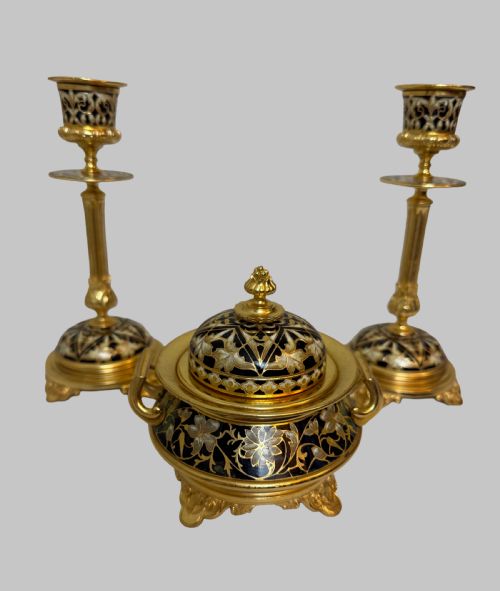
Material selection dictates much of the distinction, where solid hardwoods and heavy fire-gilded ormolu outclass simpler plated alternatives. Artisanal touches, such as hand-carved wooden animal figures or complex champlevé enamel work, elevate specific pieces above standard production.
Edmé Samson·Elkington·Wilkinson Co·Walker And Hall·Robert Garrard
The Victorian Desk Set Inkwell Glossary
- Standish
- A portable tray or stand holding inkwells, pen holders, and sanders for writing. This traditional term applies to the more comprehensive nineteenth-century desk assemblies.
- Boulle work
- An elaboration of tortoiseshell and brass inlay developed in France and utilised on luxury nineteenth-century desk furniture. The technique creates contrasting metallic and dark organic patterns across wooden surfaces.
- Ormolu
- Gilt bronze ornamentation applied to furniture and decorative metalwork during the nineteenth century. The process involves treating cast bronze with a mercury and gold amalgam to achieve a rich golden finish.
- Coromandel
- A dense, heavily figured Southeast Asian timber prized for dark brown coloration and contrasting black grain. Cabinetmakers selected this luxury wood for high-end Victorian writing boxes and inkstands.
- Champlevé
- An enamelling technique where troughs are dug into a metal surface and filled with vitreous paste before firing. This method decorates bronze and brass desk accessories with coloured patterns.
Victorian Desk Set Inkwell: Frequently Asked Questions
What is a victorian desk set inkwell used for?
These pieces served as organised desktop stations for holding liquid ink, dipping pens, and storing blotting paper or correspondence.
writers used the integrated compartments to keep writing implements contained and protect wooden furniture from ink spills.
How do I clean an old brass and glass inkwell?
Glass inserts lift out easily for washing in warm soapy water to remove dried ink residue without touching the surrounding metalwork.
brass and ormolu components require only a soft dry cloth to maintain their aged patina without stripping historic finishes.
Are the ink inserts usually original?
Many surviving stands retain their original heavy cut glass or moulded inserts, often matching the exact dimensions of the fitted wells.
replacement glass inserts appear frequently because the original glass components were prone to chipping or staining over decades of use.
How do I date a nineteenth century inkstand?
Stylistic clues such as Napoleon III tortoiseshell inlay or Art Nouveau whiplash bronze lines help narrow down the period of manufacture.
metal hallmarks on silver mounts and maker stamps on the base provide precise documentation for dating specific pieces.