





Victorian Desk Pen
When a collection calls for a Victorian desk pen, you are looking at nineteenth-century writing accessories designed to bring order and elegance to the correspondence table.
Victorian Desk Pen
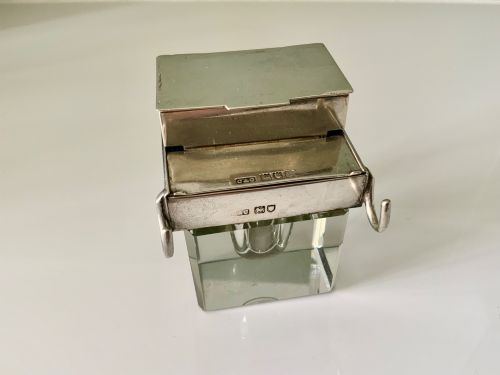
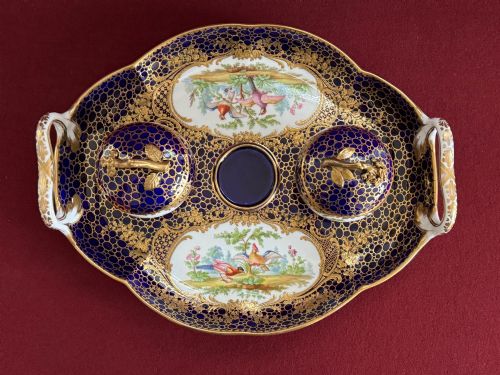
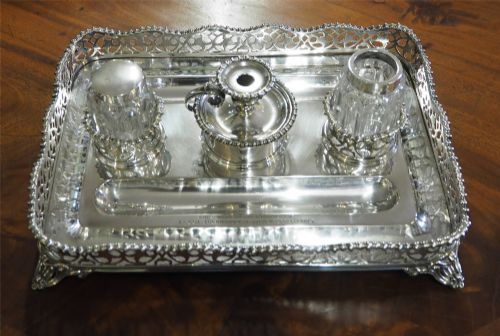
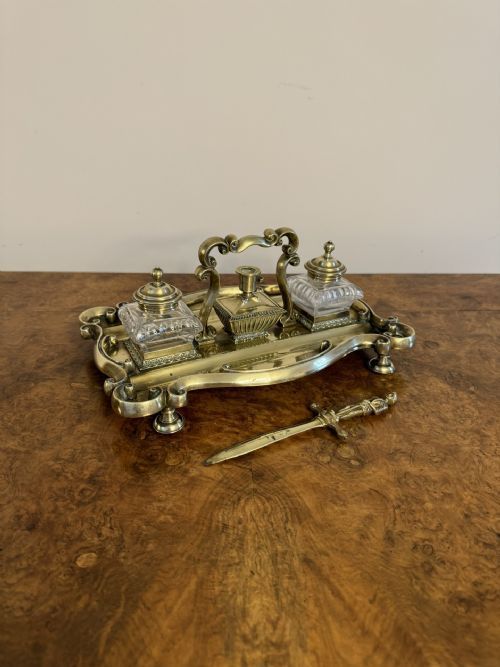
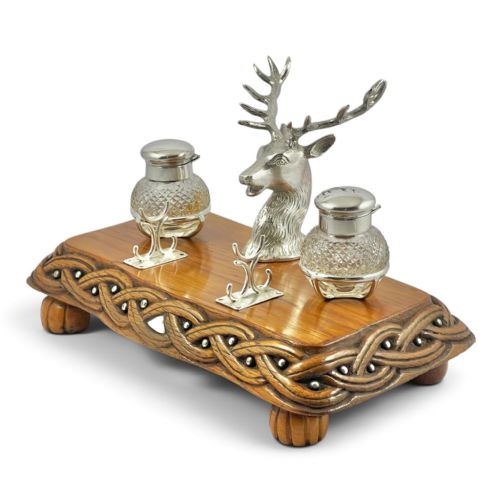
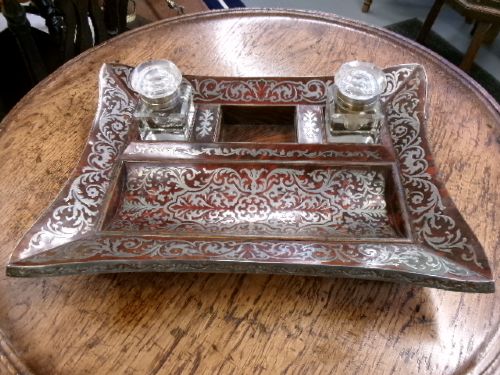
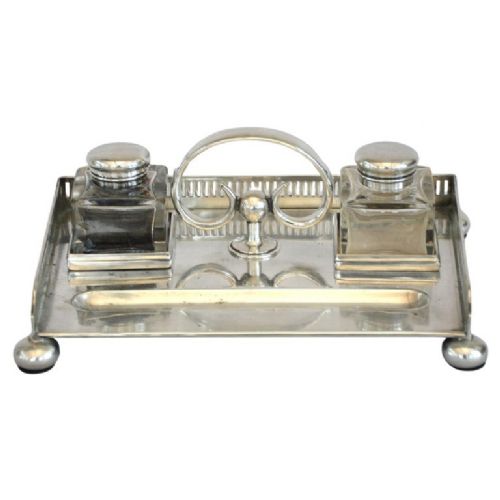
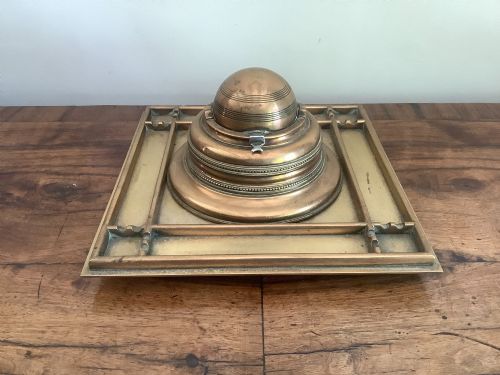
A victorian desk pen appears alongside related writing equipment such as inkstands, inkwells, and pen trays on the nineteenth-century writing table. These writing tools span standard domestic accessories and more elaborate desk tidies produced during the Victorian and Edwardian periods.
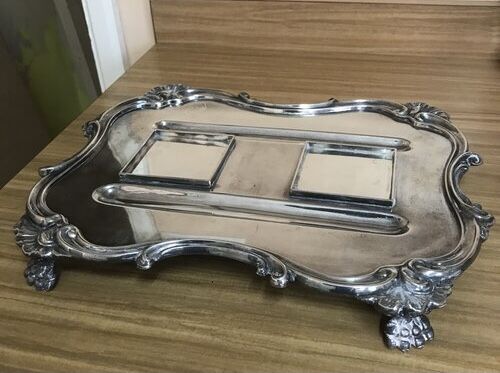
The objects frequently combine functional writing implements with decorative mounts, often incorporating rests for dip pens alongside glass or ceramic ink receptacles. Examples range from simple brass and wooden desk trays to substantial silver-mounted stands equipped with multiple inkwells and taper sticks.
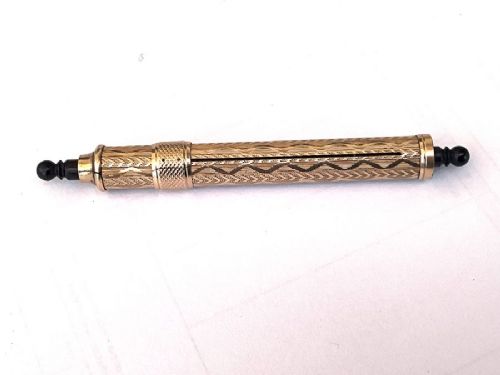
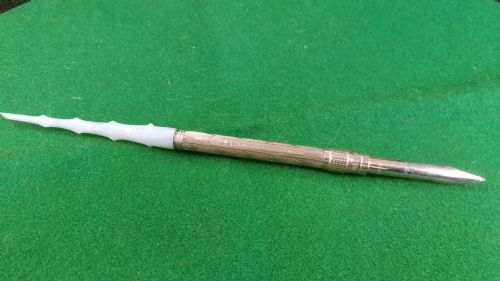
Makers often integrated pen trays directly into larger desk stands, while standalone dip pens utilised gold-plated or sterling silver shafts. Buyers encounter both portable campaign styles and heavier stationary pieces intended to remain permanently upon a library or partner desk.
Materials and construction
Metals form a substantial proportion of these pieces, utilising cast brass, bronze, or copper alongside solid sterling silver and silver plate. Many bases incorporate carved hardwoods like walnut, oak, coromandel, and mahogany, frequently embellished with inlaid brass, mother of pearl, or tortoiseshell.
Glass and earthenware components appear extensively for inkwell inserts, cut glass reservoirs, and Staffordshire ceramic figures such as whippets and greyhounds serving as quill holders. Specialised techniques like Boulle work, ormolu casting, and hand-painted Kashmiri papier-maché demonstrate the diverse decorative methods applied to nineteenth-century desk accessories.
Victorian Desk Pen Retail Price Guide 2026
Typical asking prices for victorian desk pen among the pieces listed under this phrase on Sellingantiques today, from the lower quarter to the upper quarter. They describe what is for sale here now, not the wider market.
Nineteenth-century writers cleaned their nibs on novelty brass and silver pheasants, dogs, and boot scrapers resting upon the desk.
Factors of distinction
Quality rests upon the execution of the decorative work and the integrity of the materials, separating mass-produced items from finer artisanal productions. Heavier gauges of silver, precision-cut glass, and intricate ormolu mounts signal superior craftsmanship.
Elkington·Mabie Todd & Co·Walker And Hall·Sampson Mordan & Co·Robert Garrard
The Victorian Desk Pen Glossary
- Inkstand
- A fitted tray or stand holding one or more inkwells, sanders, and pen rests for a writing desk. These fixtures anchored the correspondence area of the nineteenth-century study.
- Dip pen
- A writing instrument with a nib mounted on a shaft that requires frequent immersion in an inkwell. These implements were standard before the widespread adoption of fountain pens.
- Ormolu
- Gilded bronze or brass applied as a decorative mount on furniture and desk accessories. This French technique added brilliant metallic highlights to nineteenth-century decorative arts.
- Boulle work
- Marquetry utilising brass and tortoiseshell inlaid in ornate patterns across wooden surfaces. It takes its name from the master cabinetmaker André-Charles Boulle.
- Pen wipe
- A small fabric or leather accessory used to clean excess ink from a pen nib. These items were often fashioned into novelty animal shapes or decorative table objects.
Victorian Desk Pen: Frequently Asked Questions
What is a Victorian desk pen used for?
These instruments served for everyday correspondence, signing documents, and writing letters before the invention of modern fountain pens.
They functioned alongside inkstands as essential tools for the nineteenth-century writer.
How do I date a Victorian desk pen?
Dating relies upon hallmarks on silver components, registry marks, or stylistic indicators such as Rococo Revival or Art Nouveau motifs.
Comparative analysis of materials like tortoiseshell, coromandel, and brass inlay also helps determine the decade of production.
Where were these desk accessories placed?
They sat upon partner desks, Davenport writing slopes, and library tables within nineteenth-century homes and offices.
Larger stands remained stationary on heavy furniture, while smaller portable compendiums travelled with the owner.
What materials are common in these pieces?
Common materials include brass, silver plate, sterling silver, glass, and various exotic hardwoods like walnut and mahogany.
Decorative elements frequently feature tortoiseshell, mother of pearl, and ceramic porcelain figures.