






Victorian Defence Stick
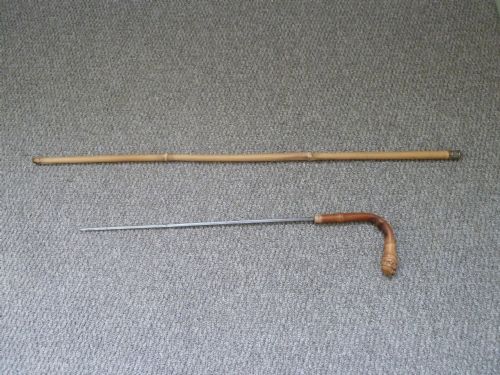
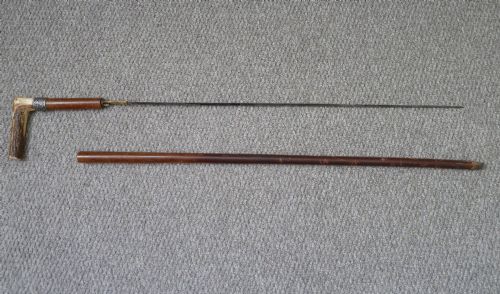
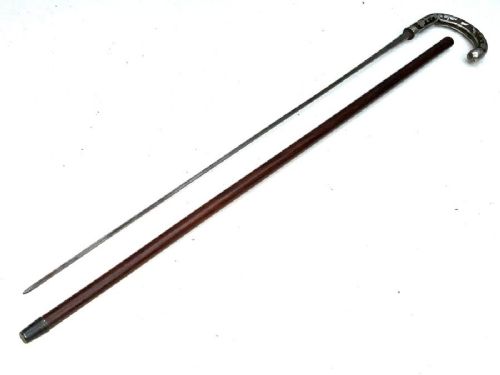
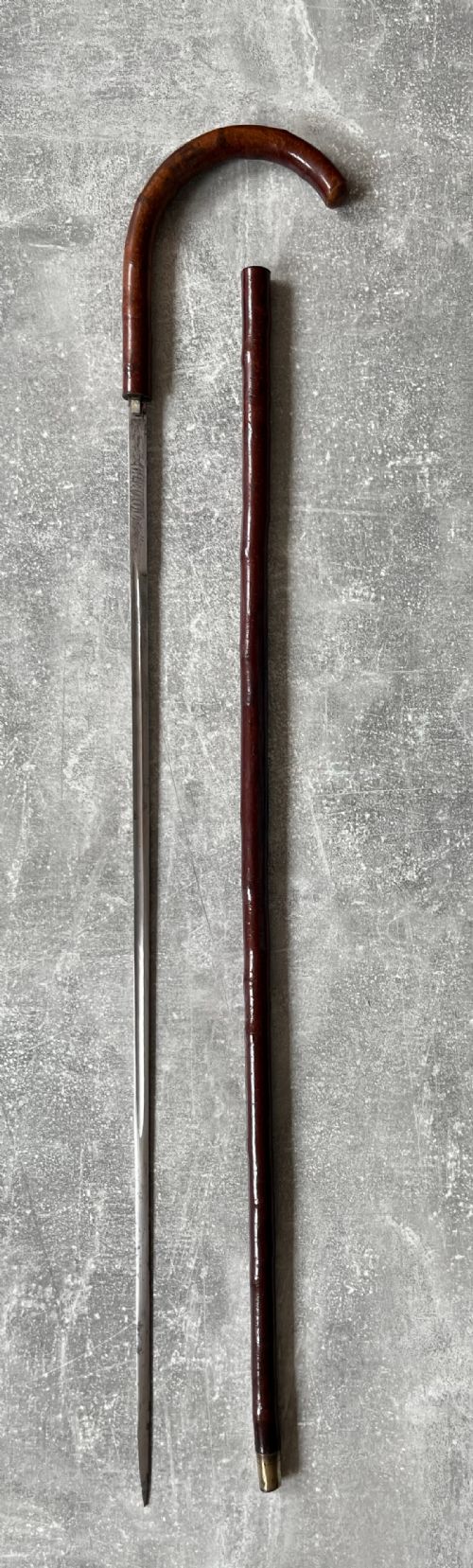
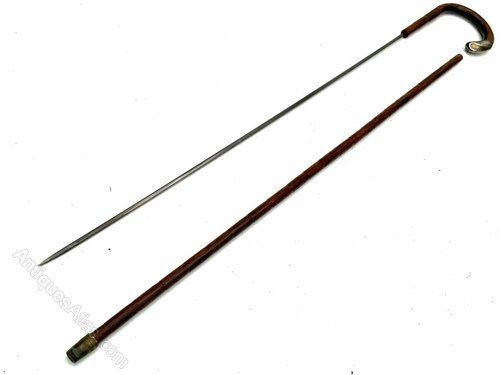
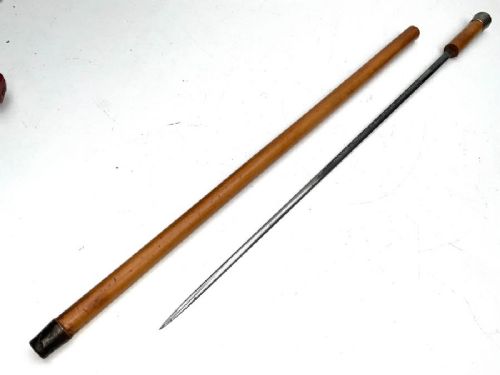
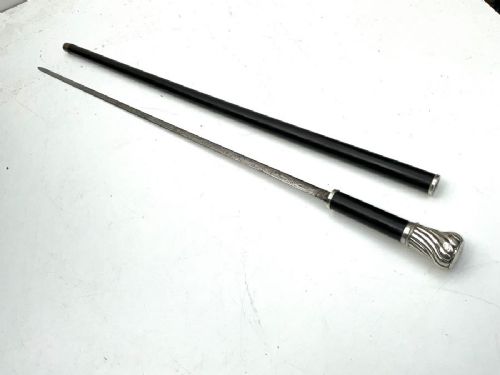
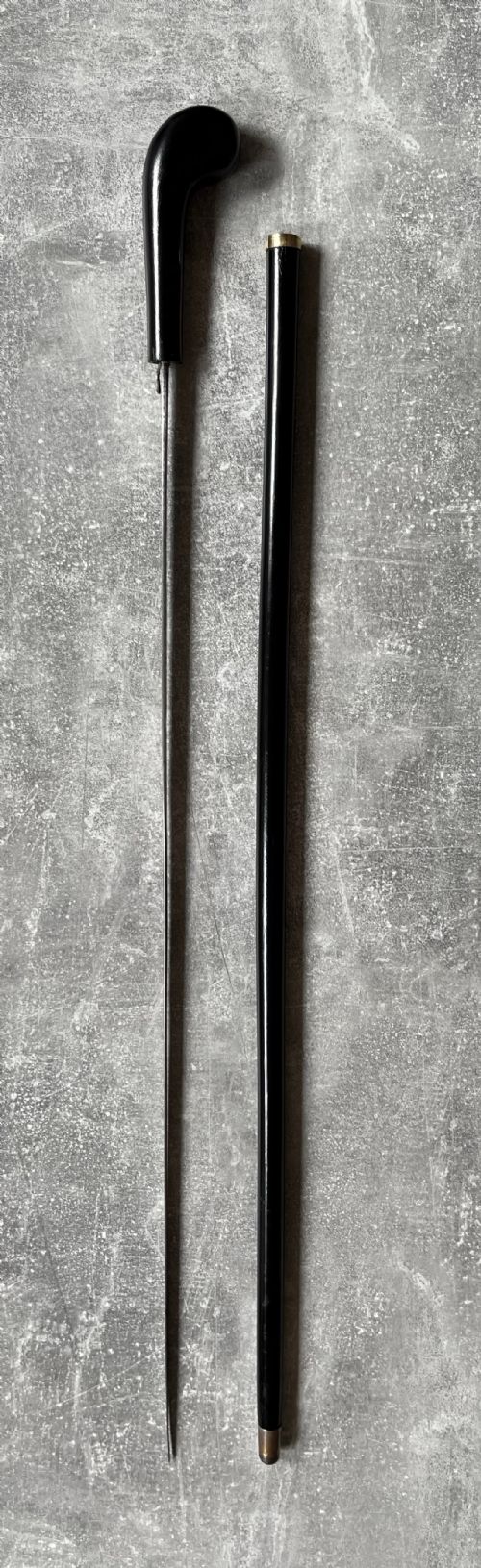
A victorian defence stick is a gentlemen's walking cane concealing a concealed steel blade, carried for personal protection.
Victorian Defence Stick
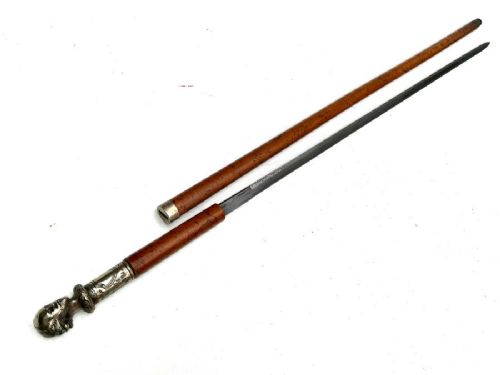
A victorian defence stick takes the outward form of a gentleman's walking cane while housing a steel blade inside the shaft. These pieces appear in various configurations spanning the late nineteenth century and into the early twentieth century.
The materials visible on these walking sticks include partridge wood, malacca, ebonised wood, bamboo, cherrywood, and blackthorn, paired with handles fashioned from horn, silver, bone, and antler. The blades themselves range from standard steel to Toledo and Wilkinson variants.
Makers and retailers such as Brigg produced these items alongside regional makers in places like Kendal, creating pieces suited to gentlemen requiring discreet personal protection during daily transit.
Materials and construction
Makers utilised sturdy natural woods such as partridge wood, malacca, and ebonised wood to form the hollow outer shafts of a victorian defence stick. These timbers were selected for straight grain and resilience during everyday use as a support aid.
Metal components include steel for the concealed blades, alongside brass and silver collars reinforcing the handle joints. Antler, horn, bone, and silver formed the ergonomic grips at the top of the shaft.
Blades were forged from steel, with specific examples bearing Toledo or Wilkinson signatures, fitted securely within the wooden channel to remain concealed until drawn.
Victorian Defence Stick Retail Price Guide 2026
Typical asking prices for victorian defence stick among the pieces listed under this phrase on Sellingantiques today, from the lower quarter to the upper quarter. They describe what is for sale here now, not the wider market.
A gentleman could quietly check the time with his pocket watch in one hand while keeping a Toledo blade securely tucked inside his walking stick.
Gradations in quality
The standard of a victorian defence stick rests upon the quality of the timber selection and the refinement of the handle work. Examples featuring silver repousse collars or carved horse head handles demonstrate superior craftsmanship compared to plain utility items.
Blade origin dictates part of the standing, with recognised steel origins like Toledo or Wilkinson marking higher workshop standards. The precision of the fit between the blade and the wooden scabbard shaft further separates standard production from finer output.
Brigg·Kendal
The Victorian Defence Stick Glossary
- Toledo blade
- A steel blade originating from the Spanish city renowned for swordsmithing. These blades are frequently found within nineteenth-century walking canes.
- Partridge wood
- A dense tropical timber exhibiting characteristic partridge-feather patterning, utilised for walking stick shafts. It provides exceptional weight and durability.
- Malacca
- A type of rattan cane featuring characteristic joints and a warm brownish hue, commonly employed for gentleman's walking sticks. It offers a lightweight yet resilient structure.
- Silver collar
- A decorative metal band fitted around the neck of the walking stick beneath the handle. These mounts often bear hallmarks indicating the year of manufacture.
- Blackthorn
- A dense hardwood derived from the sloe bush, featuring natural knot formations and a dark bark. It is traditionally shaped into stout walking sticks and defence pieces.
Victorian Defence Stick: Frequently Asked Questions
How do you open a defence stick?
Most examples secure the internal blade with a simple friction fit, a twist mechanism, or a release catch near the collar. Pulling the handle straight out from the shaft reveals the steel blade.
Care must be taken when drawing the blade to avoid damaging the internal wooden channel or the locking mechanism.
Were these carried for everyday use?
Gentlemen routinely carried walking canes as part of daily attire during the Victorian and Edwardian eras. The hidden blade provided an extra layer of personal security while navigating urban streets.
These pieces functioned simultaneously as standard walking supports and discreet self-defence implements.
How do you date a defence stick?
Dating relies on examining hallmarks on silver mounts, the style of the handle, and the general construction methods. Hallmarks on collars provide precise assay office years.
Timber choices and blade inscriptions also offer chronological clues matching the late nineteenth and early twentieth centuries.
What woods were used for the shafts?
Common timbers include malacca, partridge wood, ebonised wood, bamboo, and blackthorn. Each material offered distinct visual qualities and physical weight.
Hardwoods were preferred for their ability to withstand the hollow boring process required to house the steel blade.