
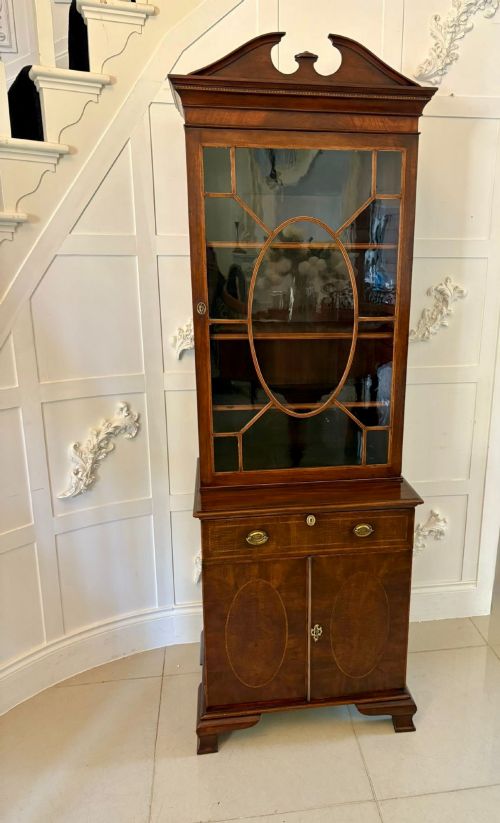
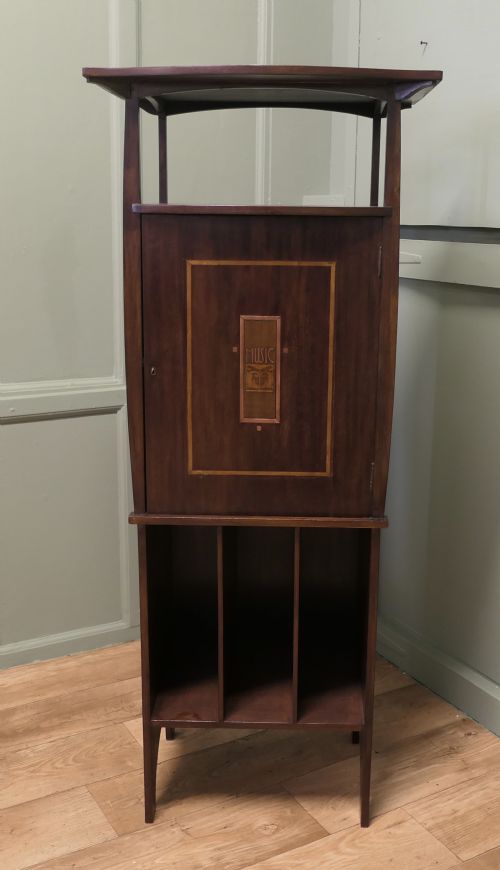
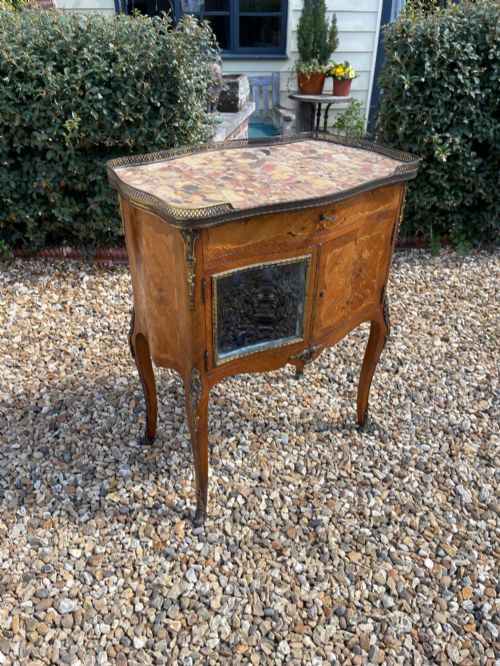


Victorian Decorative Storage Cabinet
A victorian decorative storage cabinet brings rich period craftsmanship and practical organisation into a room.
Victorian Decorative Storage Cabinet
A victorian decorative storage cabinet spans several distinct forms including bookcases, music cabinets, side cabinets, cupboards, coal boxes, games cabinets, and dentist's cabinets. These items originate from periods such as the Victorian era, Edwardian period, and specific dates like 1880, 1890, and 1900.
The version most commonly met on this page is constructed from woods like mahogany, walnut, pine, and oak, often enhanced with wood inlay, brass, glass, marble, and metal mounts.
Styles range widely across the selections, incorporating Victorian design, Arts and Crafts, French Rococo Revival, and rustic European aesthetics.
Materials and construction
Maker construction relies heavily on solid and veneered timbers such as mahogany, walnut, and pine, frequently finished with detailed wood inlay to create surface pattern.
Hardware and decorative accents utilise brass and gilt-metal, while specific furniture types incorporate inset porcelain plaques and glass panels.
Specialised items integrate fitted interiors designed for sheet music, coal storage, billiards scoring, or medical instruments.
Listings feature items dated across the Victorian and Edwardian eras, spanning the late nineteenth and early twentieth centuries.
Distinguishing quality
Quality rests upon the crispness of carved details, the precision of wood inlay, and the retention of original brass or gilt-metal mounts rather than later replacements.
The choice of primary timber and secondary woods dictates the visual depth of the piece, with burr walnut and figured mahogany sitting at the higher end of the scale.
Structural integrity of doors, hinges, and fitted internal compartments distinguishes everyday utility items from superior decorative examples.
GM Elwood·JS Henry
The Victorian Decorative Storage Cabinet Glossary
- Pier cabinet
- A low cabinet designed to fit against a narrow section of wall between windows, frequently featuring glass doors for displaying ornaments.
- Purdonium
- A specialised domestic coal box or scuttle, typically hinged and front-opening, designed to sit neatly by a fireplace.
- Inlay
- A decorative technique where contrasting woods or materials are inserted into recessed portions of the base timber to form patterns.
- Ebonised
- Wood treated with a chemical stain or finish to simulate expensive ebony wood, popular in nineteenth-century cabinetmaking.
- Burr walnut
- Timber taken from a tree growth that produces intricate, swirling grain patterns highly prized for cabinet veneers.
Victorian Decorative Storage Cabinet: Frequently Asked Questions
What rooms suit a music cabinet?
A music cabinet fits well in a living room, study, or hallway where its compact proportions and internal shelving provide useful storage for small items.
Originally built for sheet music, these small cupboards easily adapt to hold stationery, modern media, or general household collections.
How do I identify an Edwardian piece?
Edwardian items typically date from the opening decade of the twentieth century and often show lighter construction methods compared to earlier decades.
Design influences during this time frequently looked back to earlier Georgian or classical motifs while maintaining a simpler domestic scale.
What is a purdonium used for?
A purdonium served as a decorative coal container positioned beside the fireplace to keep fuel close at hand without cluttering the hearth.
These pieces usually include a sloping front and a matching small shovel stored within a dedicated interior compartment.
How do I care for walnut veneer?
Burr walnut and other fine veneers require protection from direct sunlight and excessive temperature fluctuations to prevent the timber from drying out.
Application of a traditional beeswax polish helps maintain the lustre of the polished wood surface without building up heavy chemical residues.