





Victorian Decorative Hardware
Victorian decorative hardware brings period character to doors and walls through solid brass, bronze and crystal fitted with architectural detail.
Victorian Decorative Hardware
Victorian decorative hardware encompasses architectural fittings designed to furnish homes with functional metalwork that displays distinct historical styles.
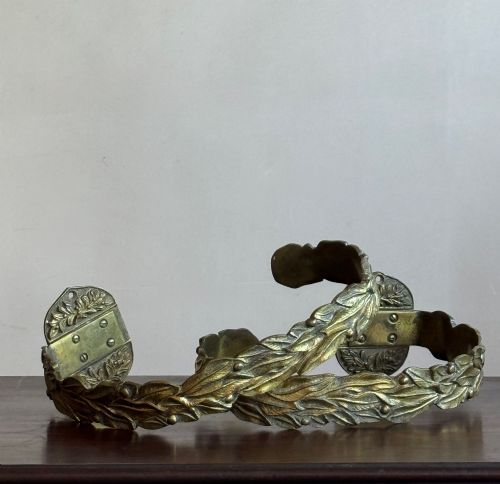
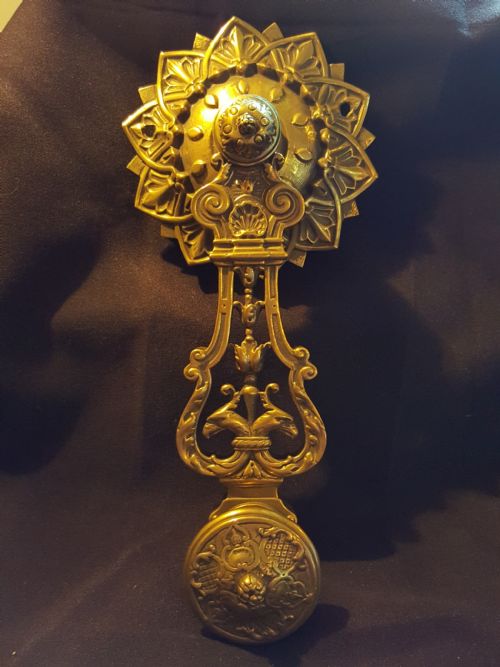
The selections span functional items such as door knockers, finger plates, handles, hinges, locks, bolts and bell ringers alongside window and curtain accessories like tie-backs.
Buyers encounter numerous pieces originating from the nineteenth century, including specific items from the eighteen-eighties and eighteen-nineties alongside related items from adjacent periods.
Materials and construction
Items are cast or forged primarily from brass, solid brass, cast brass, bronze, ormolu, gilt brass, gilt bronze and polished steel.
Many fixtures incorporate decorative details such as blue glass, lead crystal, enamel and porcelain inserts fixed within metal mounts.
Victorian Decorative Hardware Retail Price Guide 2026
Typical asking prices for victorian decorative hardware among the pieces listed under this phrase on Sellingantiques today, from the lower quarter to the upper quarter. They describe what is for sale here now, not the wider market.
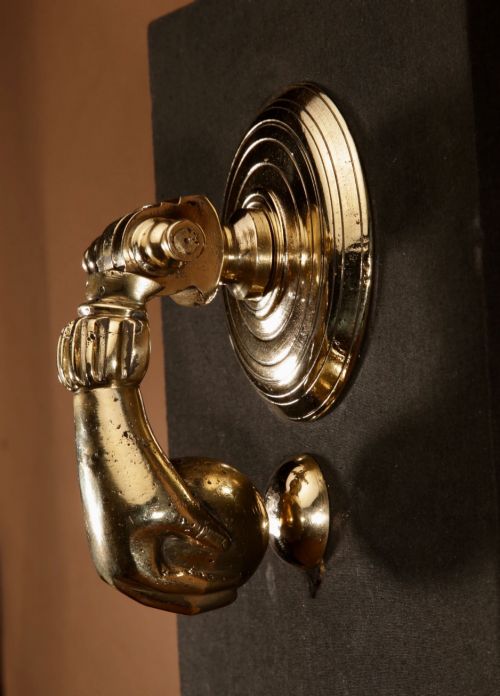
Several items take whimsical animal forms, including a heavy bronze hand holding a knocker and a brass Maltese dolphin ready to strike.
Factors of quality
Quality rests upon the weight of the metal casting and the crispness of chased or moulded relief work on figures, foliage and geometric patterns.
Superior items maintain original operating components like keys, striking plates and internal lock mechanisms alongside undamaged glass or ceramic elements.
Henri Picard
The Victorian Decorative Hardware Glossary
- Ormolu
- A gilded bronze finish applied to decorative metalwork to imitate solid gold and prevent tarnishing. This technique was frequently utilised on nineteenth-century French furnishings.
- Finger plate
- A protective metal or ceramic sheet mounted beside a door knob to prevent finger marks on the paintwork. These plates often display Gothic or Arts and Crafts ornamentation.
- Curtain tie-back
- A wall-mounted arm used to hold drapery back from a window. Examples from the period are cast in brass or gilt bronze with decorative terminals.
- Architectural salvage
- Building elements rescued from older properties for reuse in restoration projects. This category includes hinges, bolts, locks and knockers removed during demolition.
Victorian Decorative Hardware: Frequently Asked Questions
What is Victorian decorative hardware?
These items are functional metal fittings created during the nineteenth century to operate doors, secure windows and manage interior furnishings.
They include utilitarian objects like locks and bolts alongside decorative accessories such as door knockers and curtain tie-backs shaped in revival styles.
How do I identify Gothic revival pieces?
Gothic revival hardware borrows architectural motifs from medieval cathedrals, such as pointed arches, quatrefoils, dragons and heavy strap hinges.
These designs utilise cast brass and iron to create a robust appearance suited to period properties.
Can antique door hardware still be fitted?
Most items can be installed on standard doors, though nineteenth-century locks and spindles may require minor adjustments to fit contemporary mechanisms.
Buyers should check dimensions and spindle sizes before attempting installation on modern doors.
What styles are common in this hardware?
The listings show a range of aesthetic movements including Gothic Revival, French Chateau, Arts and Crafts, Neoclassical, Renaissance Revival and French Empire Revival.
Each style dictates the ornamentation, from plain utilitarian brass to ornate dolphin door knockers and porcelain bell pushes.