
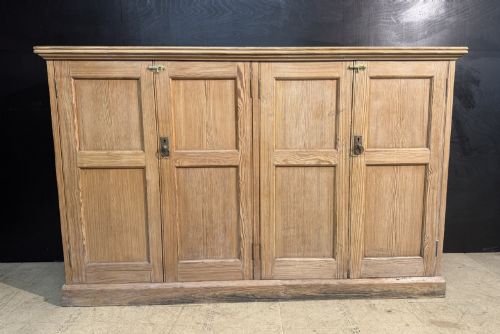
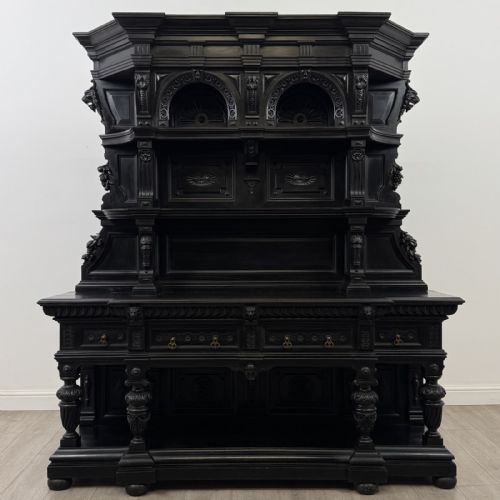
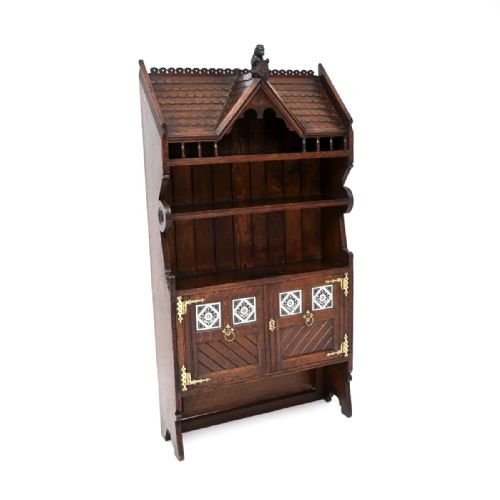
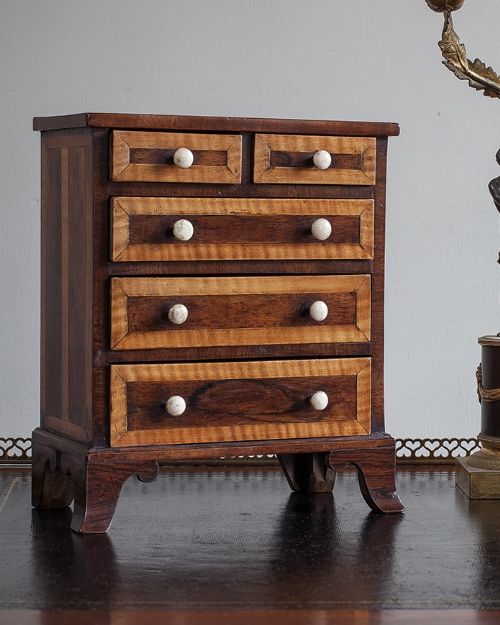
Victorian Cupboard Unit
A victorian cupboard unit provides sturdy, practical storage while anchoring a room with genuine nineteenth-century character and timber presence.
Victorian Cupboard Unit
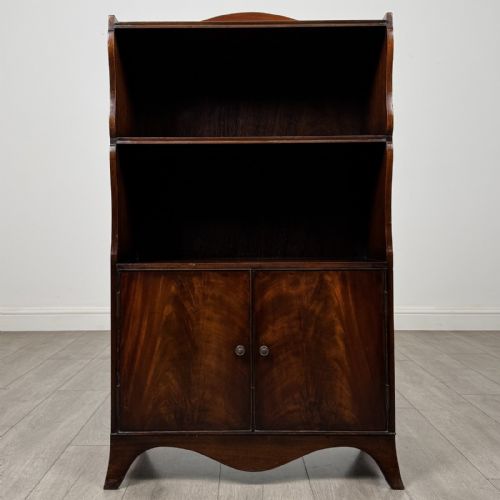
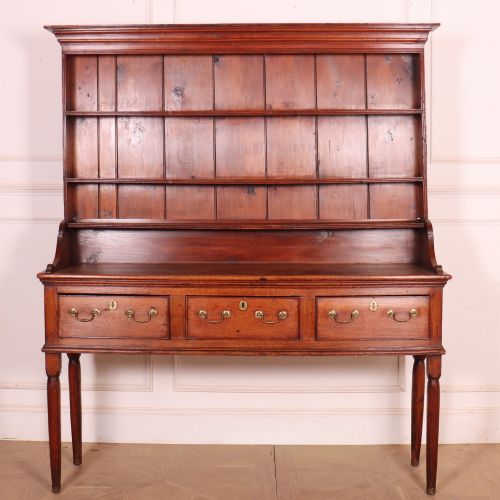
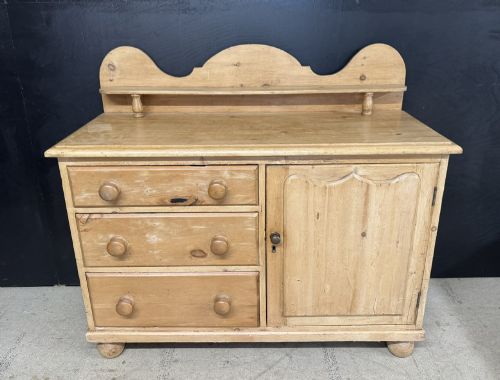
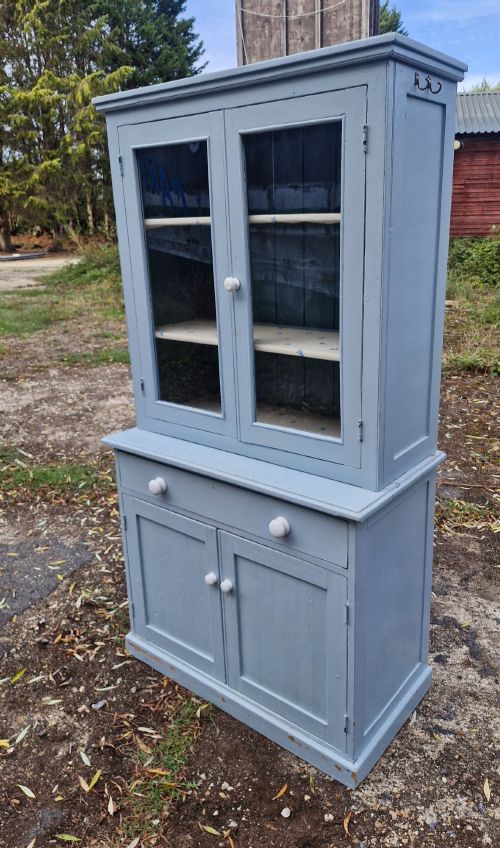
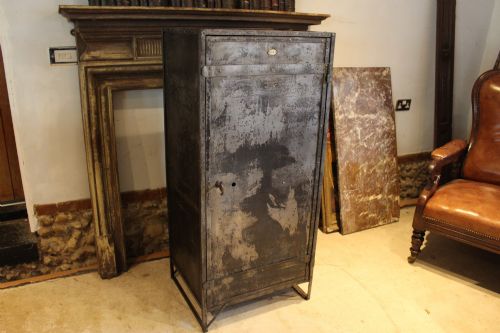
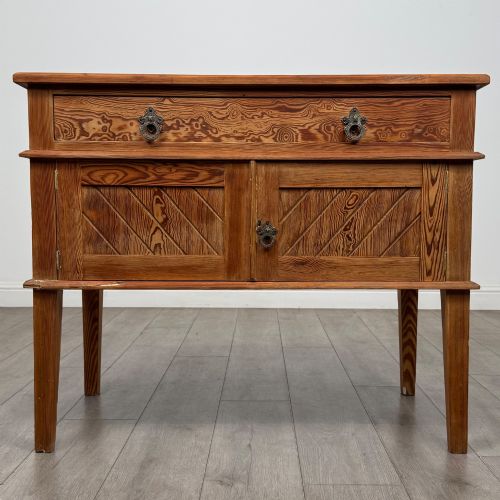
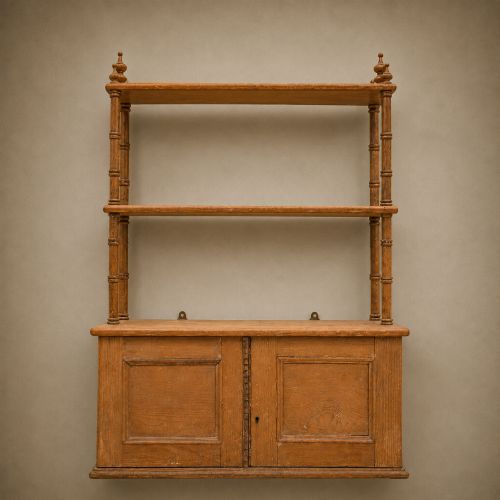
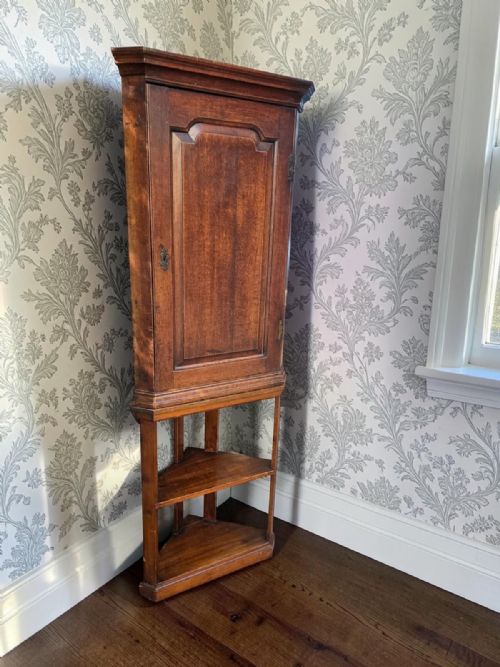
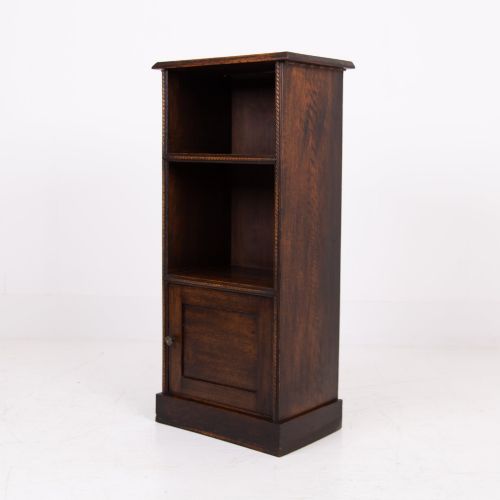
A victorian cupboard unit spans a varied selection of domestic and utility storage forms, most frequently appearing in practical pine alongside denser hardwoods like mahogany and oak. Buyers encounter everything from tall larder cupboards and two-part kitchen cabinets to compact corner cupboards and low storage units designed for specific household tasks.
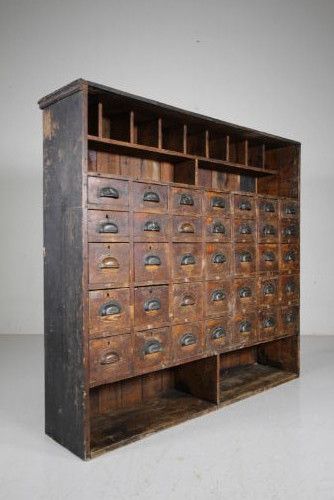
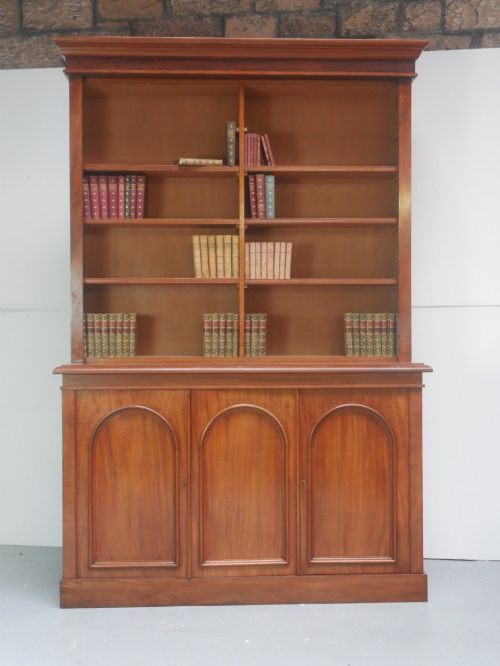
The selection ranges across the nineteenth century into the early twentieth century, taking in country farmhouse pine, formal mahogany library pieces, and industrial workshop banks of drawers. Regional pieces often retain their original painted surfaces or stripped pine finishes, reflecting how working households adapted simple timber furniture to daily life.
Materials and Technique
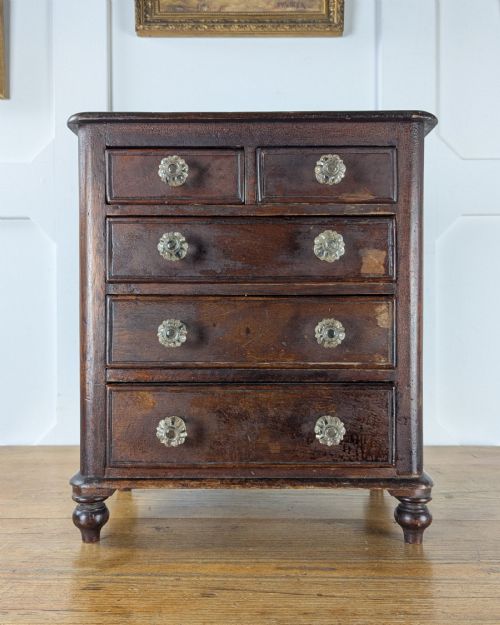
Makers relied heavily on solid pine, oak, and mahogany, constructing carcases with pegged joints, dovetailed drawer boxes, and fielded panel doors designed to accommodate seasonal wood movement. Brass and iron hardware, from drop handles to latch closures, secured functional doors and multi-drawer banks built for heavy daily use.
Finishes vary from waxed or polished hardwood grains to layered historic paint on utility pine pieces and specialised metal or glass integrations found in industrial and display cabinets.
Several cupboards retain their original railway ticket origins, having once dispensed travel permissions before retiring to domestic service.
Distinctions in Quality
Quality rests on the integrity of the original construction, timber selection, and how well utilitarian pieces preserve their uncompromised structural proportions. Superior examples retain original brass or iron hardware, unblemished panel work, and unaltered interior shelving rather than modern replacements.
The distinction between a humble workshop storage unit and a refined parlour cabinet lies in the joinery finesse, such as fine dovetailing on drawer banks and carefully matched timber grains on mahogany or burr walnut surfaces.
John Moyr Smith·Luxmore's of Ilfracombe·Edwards & Roberts
The Victorian Cupboard Unit Glossary
- Corner Cupboard
- A storage unit specifically built with angled sides to fit snugly into the corner of a room, saving floor space while utilising neglected angles.
- Fielded Panel
- A wooden door panel with bevelled or recessed edges that allows the central board to expand and contract naturally without splitting.
- Bank of Drawers
- A multi-drawer cabinetry unit originally designed for commercial, workshop, or apothecary storage rather than domestic clothing.
- Larder Cupboard
- A tall storage piece traditionally used for food preservation, often featuring vented panels or slatted shelving for air circulation.
- Chiffonier
- A low sideboard or cabinet developed during the nineteenth century, typically featuring enclosed storage cupboards beneath a surface shelf.
Victorian Cupboard Unit: Frequently Asked Questions
What rooms suit a victorian cupboard unit best?
These versatile storage pieces integrate smoothly into kitchens, living rooms, and hallways where practical shelving and surface presence are required.
Compact corner versions utilise dead angles in smaller rooms, while larger larder or multi-door cupboards anchor spacious dining areas.
How do I care for stripped pine surfaces?
Keep timber surfaces clean using a dry or barely damp cloth, avoiding harsh chemical sprays that strip natural wax finishes.
Apply a traditional beeswax polish periodically to nourish the dry nineteenth-century pine and maintain a soft, protective sheen.
Are these units suitable for modern kitchen storage?
Many nineteenth-century cupboards and drawer banks provide exceptional capacity for contemporary kitchen provisions, crockery, and dry goods.
Deep shelves and multi-drawer configurations easily accommodate modern storage needs while introducing authentic period texture.
How can I tell a country pine piece from a formal one?
Country pine and utility items emphasise straightforward utility, often featuring visible dovetails, simple brass handles, and historic painted or waxed finishes.
Formal pieces utilise dense hardwoods like mahogany or oak alongside refined details such as raised galleries, inlay work, and glazed display doors.