
Victorian Cupboard Top
When you search for victorian cupboard top, you meet compact bedside cabinets, washstands, and library bookcase upper sections designed for nineteenth-century domestic storage.

Victorian Cupboard Top
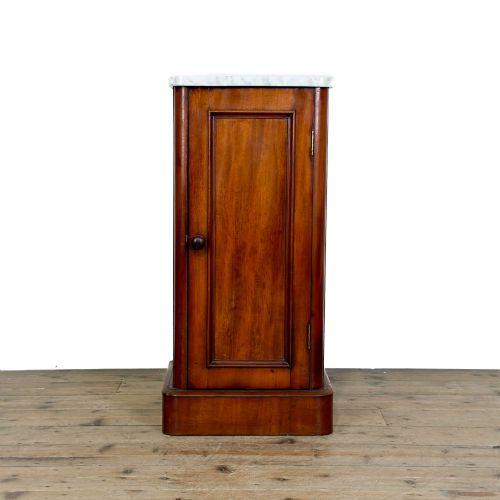
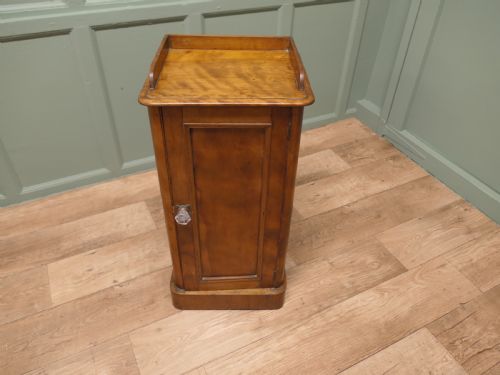
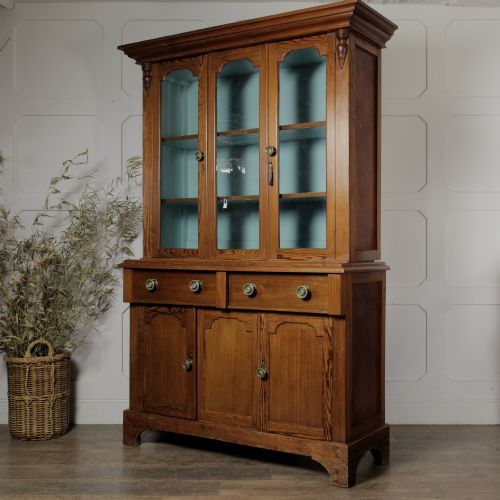
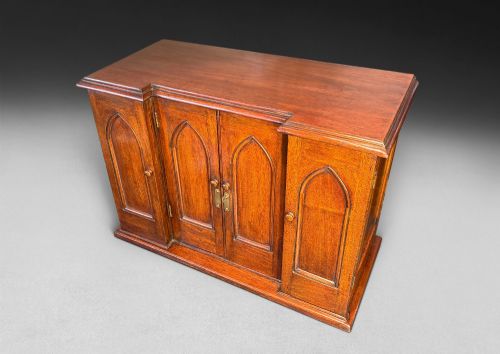
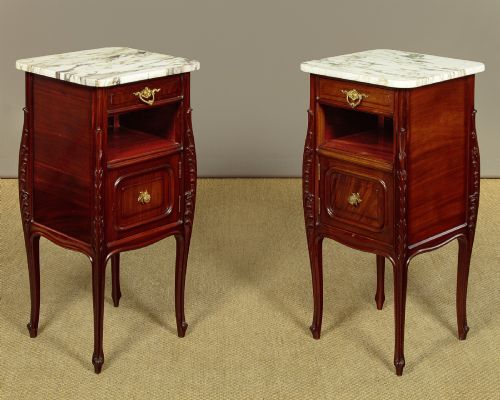
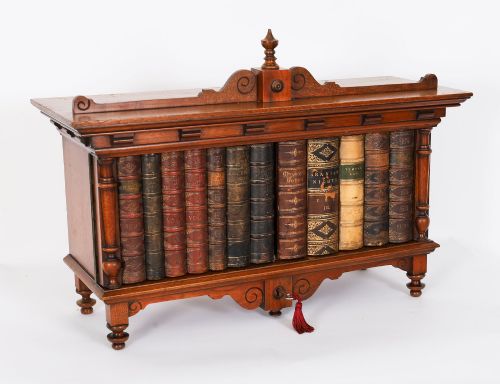
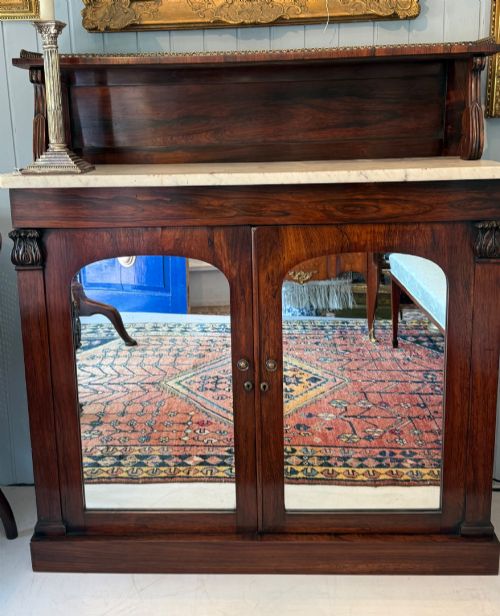
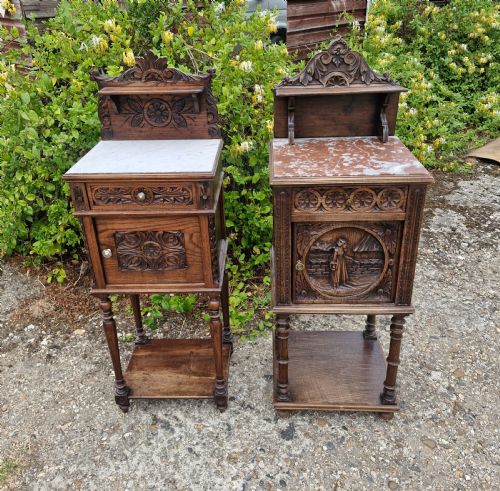
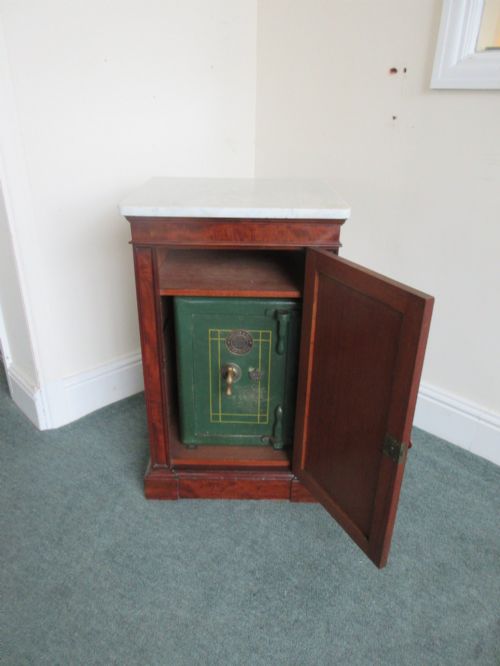
A victorian cupboard top encompasses a variety of smaller storage forms from the nineteenth century, ranging from bedside pot cupboards with inset marble slabs to tabletop collectors' cabinets and upper bookcase sections. These pieces reflect the functional demands of Victorian rooms, offering enclosed shelving or drawer space in compact footprints.
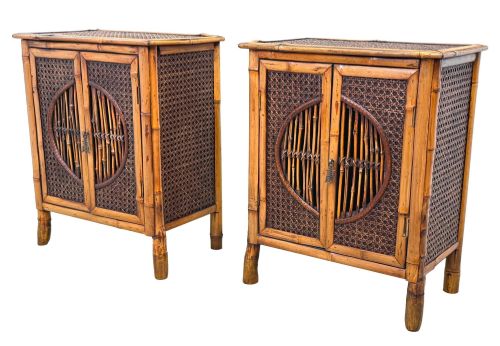
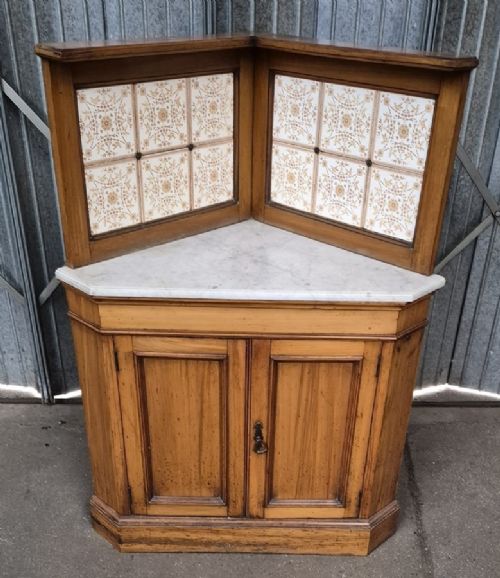
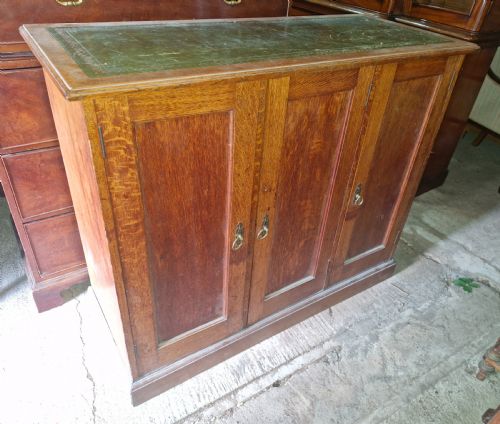
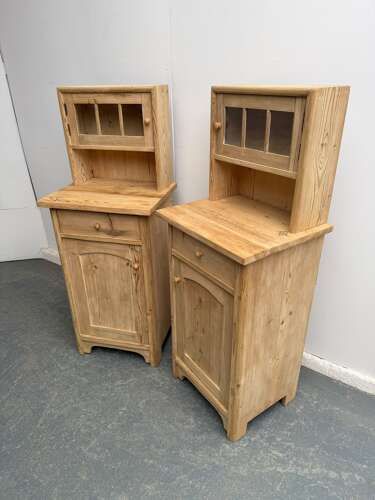
The selections on this page frequently include mahogany, walnut, and pine bedside cabinets, alongside glazed bookcase tops and miniature bamboo cupboards. Many examples originate from the broader Victorian and Edwardian periods, demonstrating the era's preference for functional timber furniture with ornamental detail.
Materials and construction
Cabinet makers utilised a diverse range of timbers, employing dense hardwoods like mahogany, walnut, rosewood, and satinwood alongside utilitarian softwoods such as pine and oak. Decorative surfaces often incorporated burr walnut veneers, ebonised finishes, or marquetry inlay.
Marble tops frequently appeared on bedside cabinets and washstands to provide a durable, water-resistant surface, whilst glazed doors utilised timber framing to display books or china within the upper sections of bookcases.
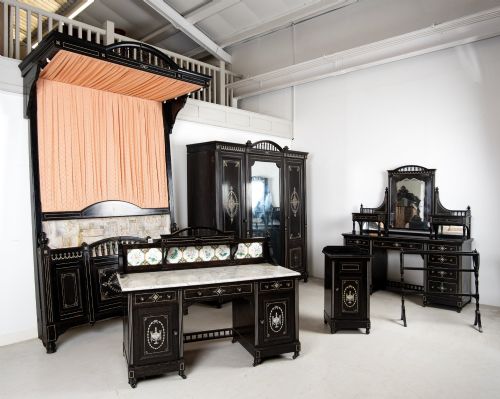
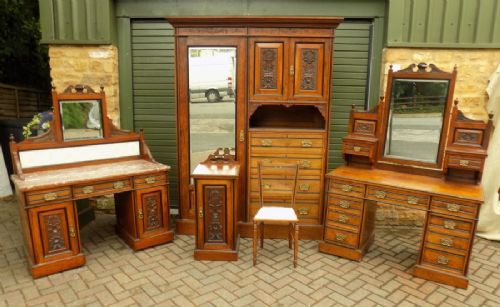
Storage forms span from miniature bamboo table-top cupboards to full bedroom suites and glazed library bookcase sections.
What varies in quality
The distinction between standard and superior pieces rests upon timber selection and the precision of the construction. Solid hardwoods and figured veneers like burr walnut elevate a cabinet above basic pine or oak utilitarian items.
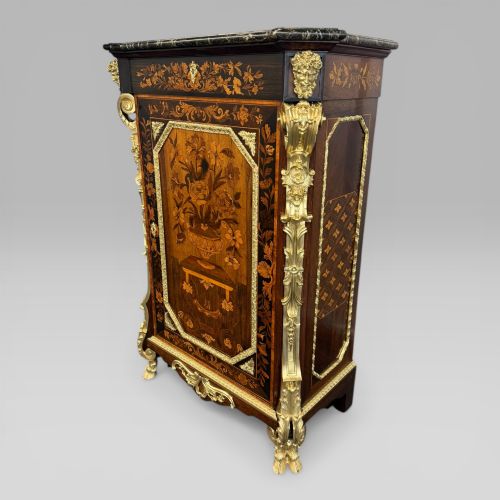
Refinement in decorative details, such as hand-carved mouldings, ormolu mounts, or intricate inlay work, separates everyday domestic furniture from pieces produced by notable makers or specialised workshops.
Walker And Sons·Edward Holmes Baldock·John Moyr Smith·C Mellier And Co
The Victorian Cupboard Top Glossary
- Pot cupboard
- A small bedside cabinet designed originally to house a chamber pot behind a single door, often featuring an enclosed compartment above a shelf.
- Pier cabinet
- A narrow display cabinet intended to fit against the wall space between windows, frequently glazed and ornamented with decorative mounts or marquetry.
- Marquetry
- The art of applying pieces of veneer to a structure to form decorative patterns, utilising woods of different colours and grains.
- Boulle
- A technique of inlaying brass and tortoiseshell popularized in French furniture design, sometimes seen on imported or revival pier cabinets of the period.
- Aesthetic movement
- A late nineteenth-century design style emphasising visual beauty over narrative subject matter, often incorporating ebonised surfaces and exotic motifs.
Victorian Cupboard Top: Frequently Asked Questions
What is a pot cupboard used for today?
Modern interiors repurpose these compact nineteenth-century cabinets as bedside tables or small storage units. Their enclosed shelves accommodate contemporary items whilst maintaining a traditional footprint.
The marble tops originally chosen for hygiene remain practical surfaces for lamps and small objects in modern bedrooms.
How do I identify an Edwardian piece from a Victorian one?
Edwardian furniture generally exhibits lighter timbers and simpler lines compared to the heavier proportions and darker finishes typical of mid-Victorian design. Stylistic overlap remains common around the turn of the century.
Maker marks, construction methods, and secondary woods help clarify the exact period of manufacture when exterior styling appears transitional.
Are marble tops on these cabinets original?
Many bedside cabinets and washstands retain their original inset marble slabs, which were chosen for their durability and ease of cleaning. Variations in marble colour and thickness reflect the specific quarry sources used by nineteenth-century makers.
Inspect the fit within the timber frame to understand how the stone relates to the overall cabinet structure.
How do I care for antique pine and mahogany?
Polishing timber surfaces with traditional wax preserves the finish and prevents the wood from drying out over time. Avoid placing wooden cabinets in direct sunlight or near heat sources to prevent warping.
Regular dusting with a soft cloth maintains the natural lustre of both polished mahogany and painted or waxed pine surfaces.