



Victorian Crystal Wine Jug
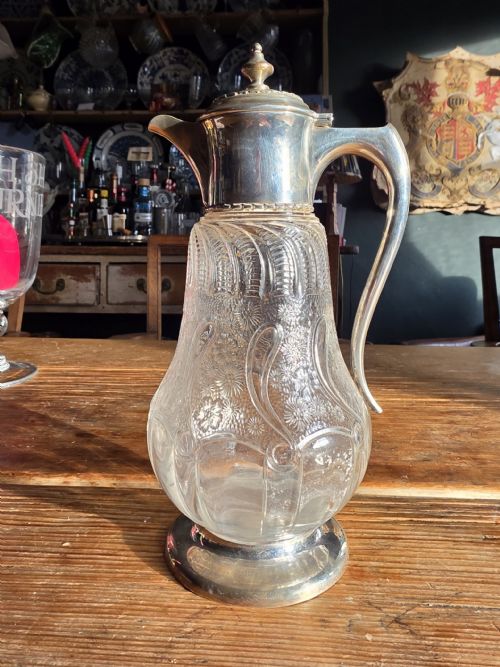
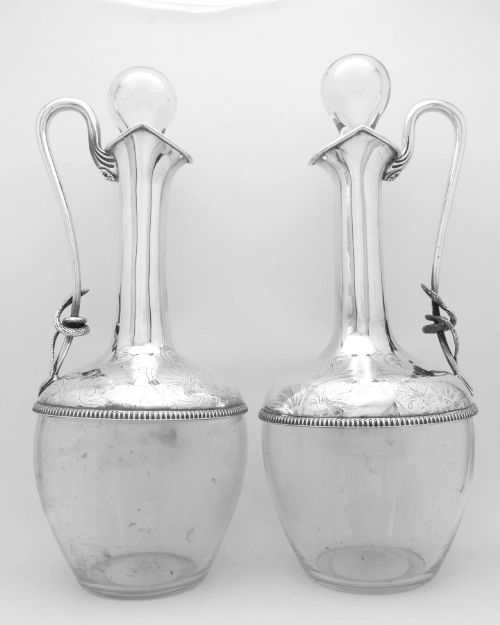
A victorian crystal wine jug brings considerable gravitas to the table, combining heavy cut glass with ornate silver mounts.
Victorian Crystal Wine Jug
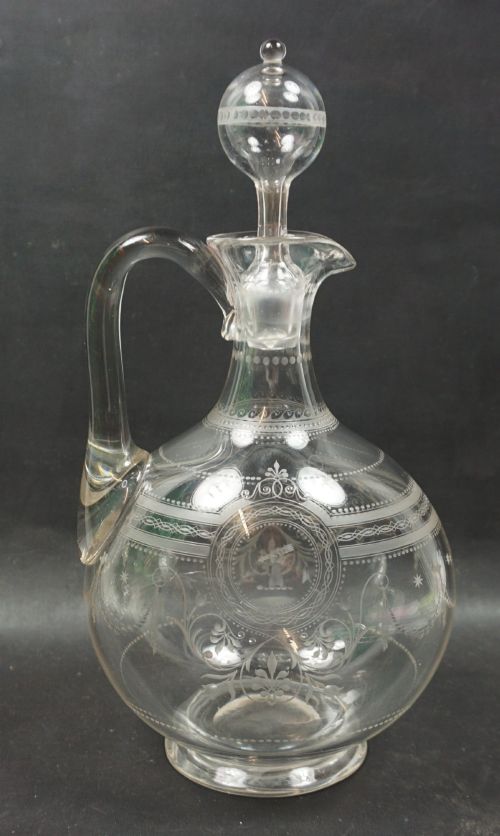
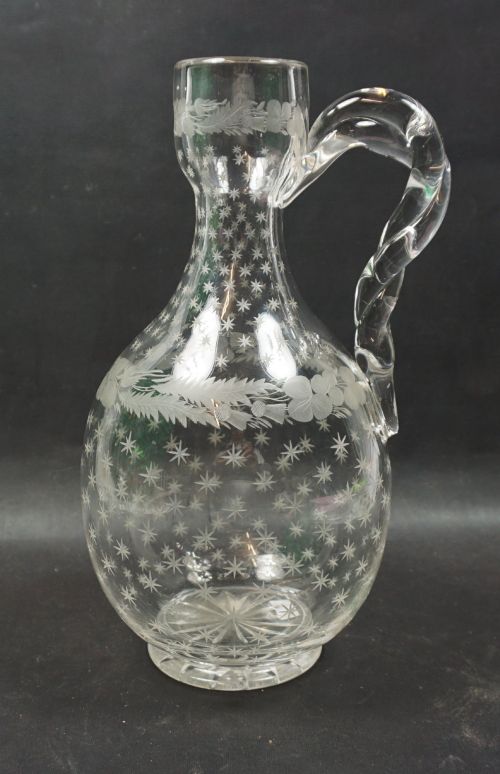
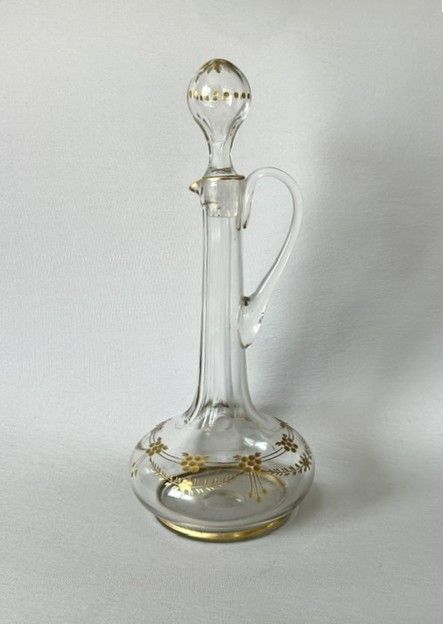
When you search for a victorian crystal wine jug, you encounter serving vessels primarily designed for claret and dessert wines during the nineteenth and early twentieth centuries. The examples on this page span the Victorian and Edwardian eras, incorporating related forms such as decanters, ewers and pitchers alongside traditional claret jugs.
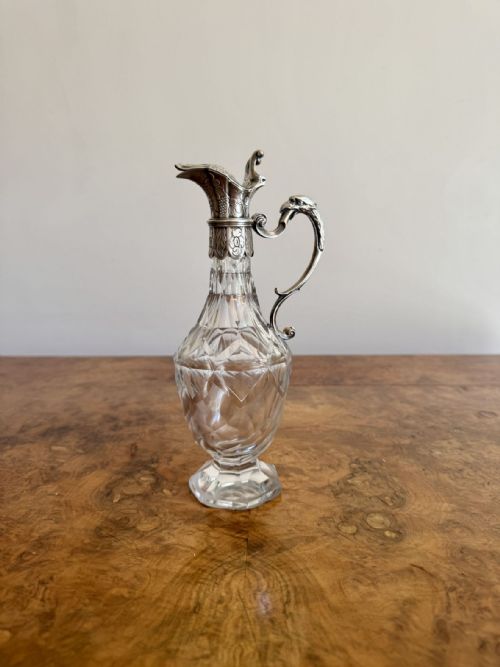
The version you are most likely to meet pairs a heavy body of cut glass or clear crystal with mounts, handles and hinged lids made from sterling silver or silver plate. Stylistic influences range from classic Victorian Rococo Revival and French Second Empire motifs to later Arts and Crafts designs.
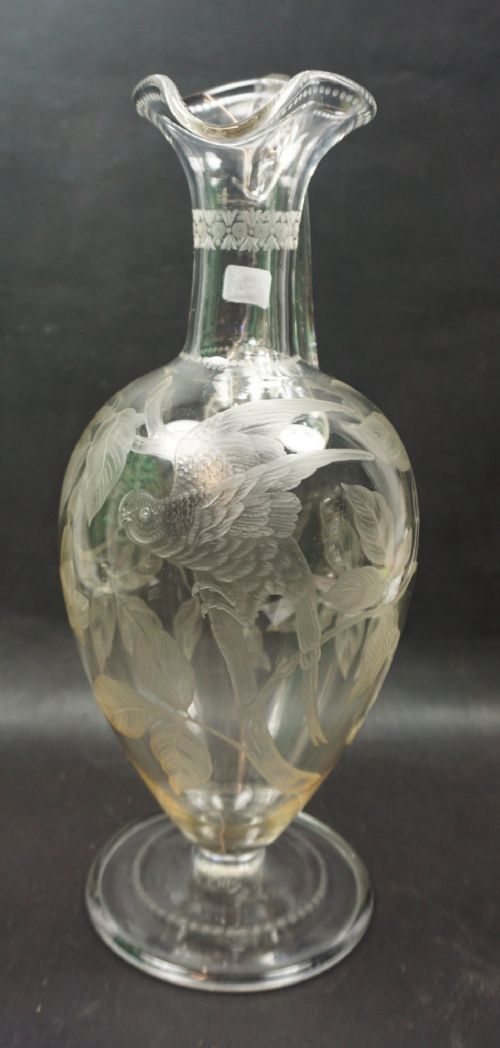
Makers utilised various decorative techniques on the glass bodies, including deep hobnail cutting, grape and vine engraving, gilding and white latticinio threads. These vessels functioned both as practical dining table accessories and as decorative centrepieces.
How they were made
The construction relies on the union of two distinct crafts: glassblowing and silversmithing. Glass bodies were blown, sometimes into moulds to create panel or hobnail cuts, then hand-polished and occasionally engraved with botanical motifs like fruiting vines.
Silver mounts, whether sterling or silver-plated, were cast, chased or engraved to form collars fitted securely around the neck of the jug, joined to handles and hinged lids that often terminated in masks or serpent shapes.
Victorian Crystal Wine Jug Retail Price Guide 2026
Typical asking prices for victorian crystal wine jug among the pieces listed under this phrase on Sellingantiques today, from the lower quarter to the upper quarter. They describe what is for sale here now, not the wider market.
Listings feature items dated from the 1860s through the Edwardian period, utilising both sterling silver and silver plate.
What varies in quality
Quality rests primarily on the depth and crispness of the glass cutting and the weight of the crystal body. Sharp, well-defined facets refract light strongly, whereas softer or shallower cutting indicates a more commercial production.
The proportion and weight of the metal mounts also determine the calibre of a piece. Substantial sterling silver or robust silver-plated mounts with intricate casting, such as Bacchus masks or serpent handles, elevate the piece above simpler utilitarian iterations.
William Comyns·Asprey and Co. Ltd·Hukin and Heath·Baccarat
The Victorian Crystal Wine Jug Glossary
- Claret jug
- A specialised vessel designed for serving red wine, particularly claret, equipped with a handle and a hinged lid to preserve the wine. These pieces often feature elaborate silver mounts and crystal bodies.
- Latticinio
- A glassmaking technique involving opaque white or coloured glass threads embedded within clear glass to form delicate linear patterns. It appears on mid-nineteenth-century vessels.
- Hobnail cut
- A prominent faceted diamond pattern cut into the surface of glassware, creating a textured, light-catching exterior. This deep cutting is frequently found on nineteenth-century crystal.
- Silver plate
- A layer of silver fused to a base metal, commonly utilised for the mounts and handles of nineteenth-century serving jugs as a durable alternative to solid sterling silver.
Victorian Crystal Wine Jug: Frequently Asked Questions
What is a victorian crystal wine jug?
These items are decorative serving vessels produced during the nineteenth and early twentieth centuries for holding and pouring wine at the dining table. They typically combine a heavy crystal or cut glass body with metal mounts.
Craftsmen produced them in various styles reflecting the aesthetic movements of their respective decades, incorporating silver plate or sterling silver handles, collars and hinged lids.
How do I date a wine jug?
Dating relies heavily on hallmarks stamped into the silver mounts, which indicate the assay office, year and maker. Stylistic clues such as floral engraving, cut glass patterns and the overall form also help narrow down the period.
Pieces originating from the Victorian era often display ornate revival decoration, whereas Edwardian or later examples may lean towards simpler lines or distinct arts and crafts influences.
How were these jugs used?
Hosts utilised these vessels to decant and serve wine, particularly claret, during formal meals and gatherings. The hinged lid kept the contents covered while seated at the table.
Beyond their functional role in wine service, they functioned as ornamental table centrepieces designed to catch the light of dining room chandeliers.
How do I care for crystal and silver?
Maintenance involves gentle hand washing in warm water using mild soap, avoiding harsh abrasives that could scratch the crystal surface or damage silver plating. Drying thoroughly with a soft cloth prevents water spots on the glass.
Silver mounts benefit from occasional polishing with a suitable cloth, taking care not to rub cleaning agents directly onto the glass or interior seals.