



Victorian Crystal Glasses
Victorian crystal glasses bring weight and clarity to the table, combining nineteenth-century craftsmanship with brilliant cut facets.
Victorian Crystal Glasses
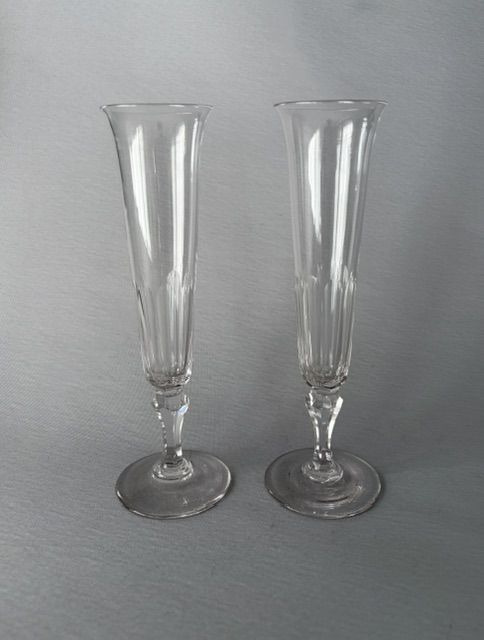
Victorian crystal glasses encompass a range of drinking vessels produced during the nineteenth century, including champagne flutes and decorative goblets. These items reflect the domestic dining habits of the period, where heavy glass played a central role in formal entertaining.
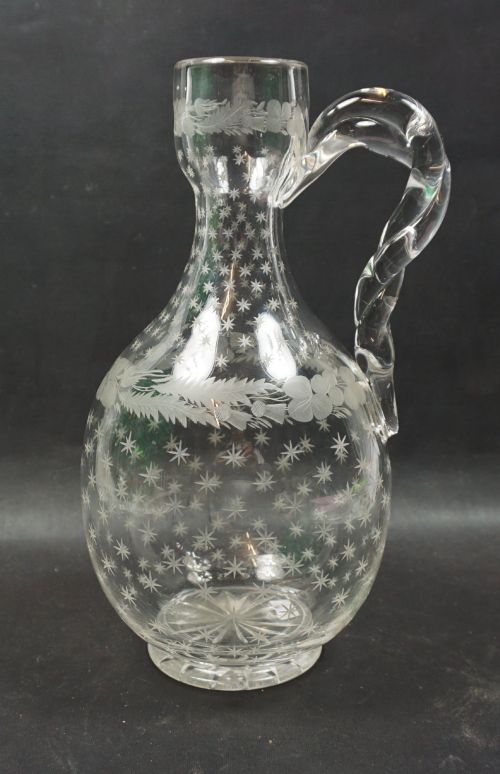
Buyers seeking victorian crystal glasses encounter pieces defined by moulded patterns, hollow stems, and wheel-etched motifs. The selection includes matched sets alongside individual tablewares made for nineteenth-century households.
Materials and production
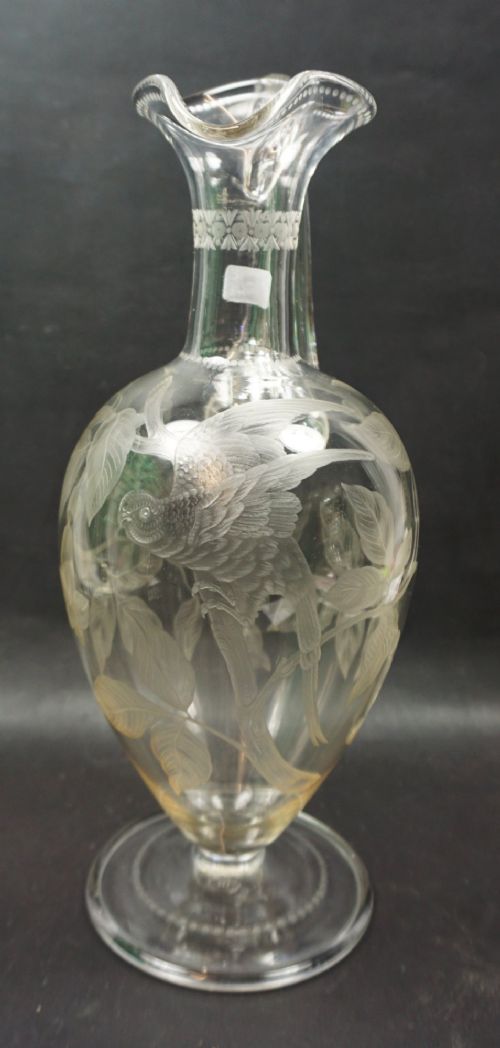
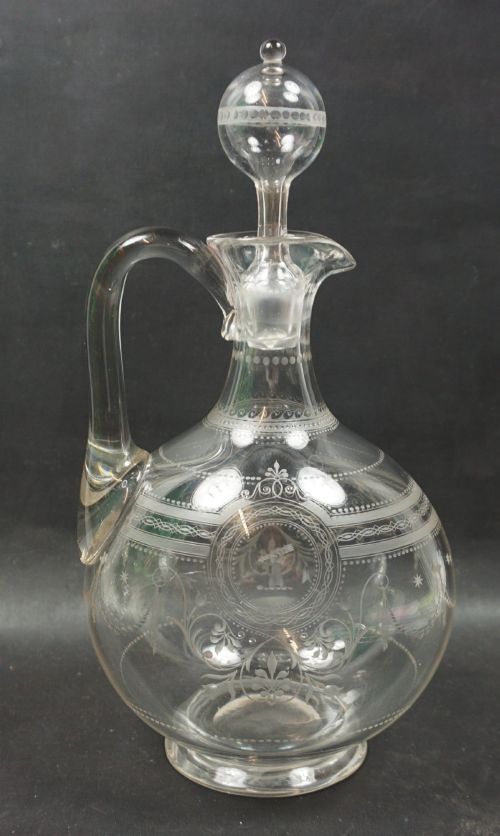
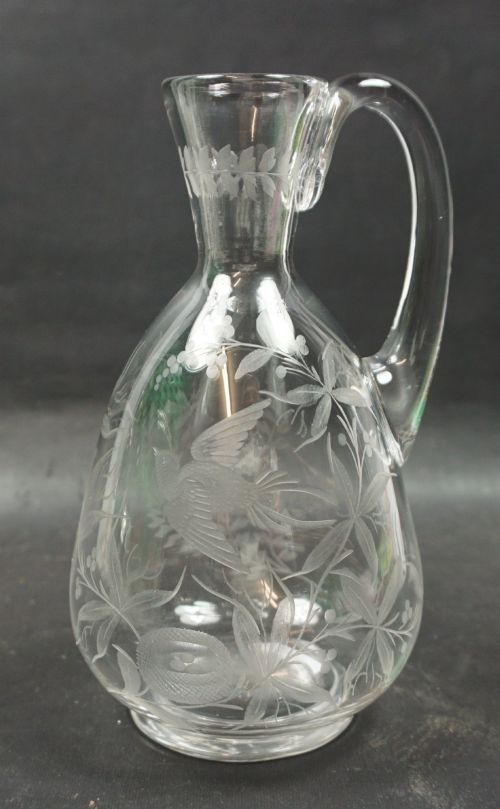
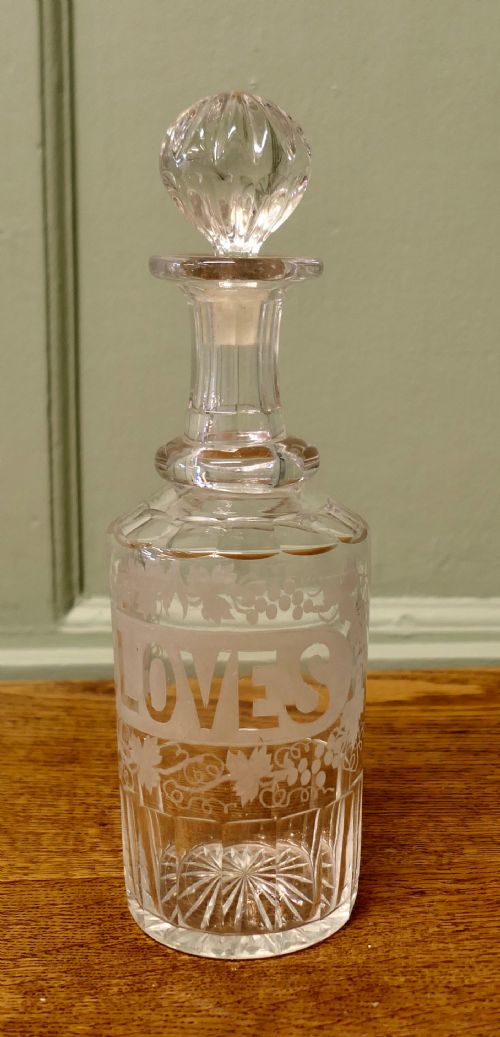
Makers utilised lead crystal and heavy glass, shaped through blowing and moulding techniques before cooling. Artisans then applied wheel-cutting, hobnail patterns, and star-etching to create tactile surface decoration.
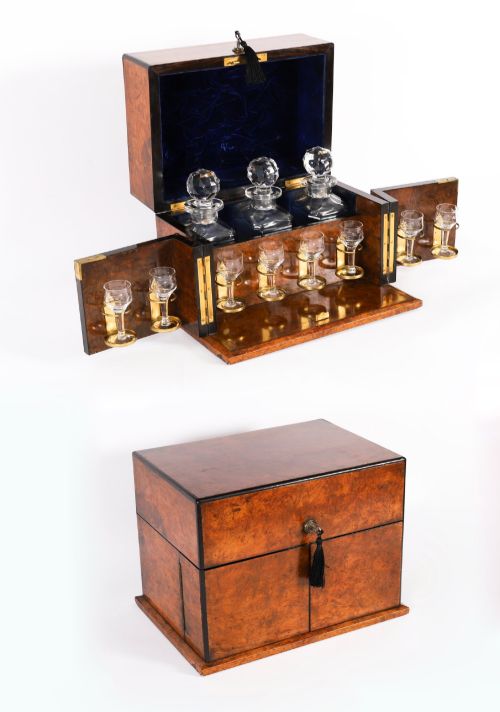
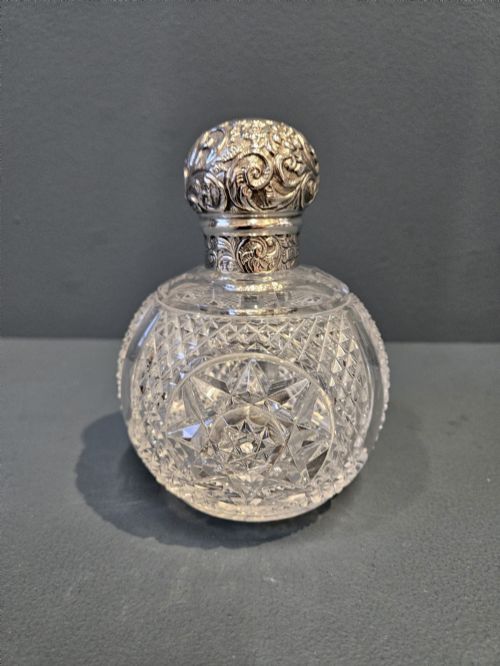
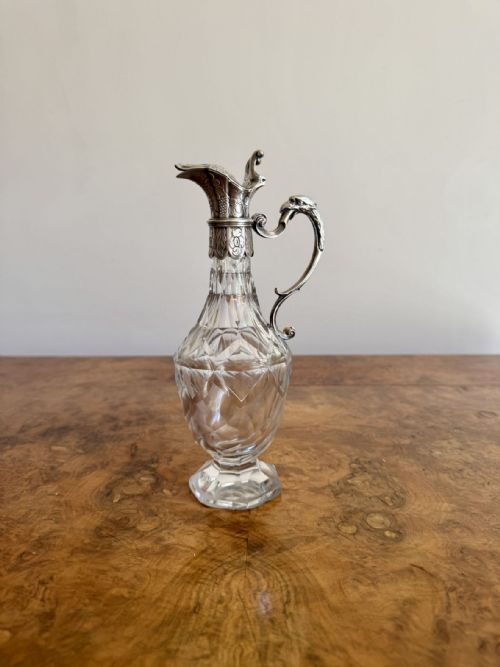
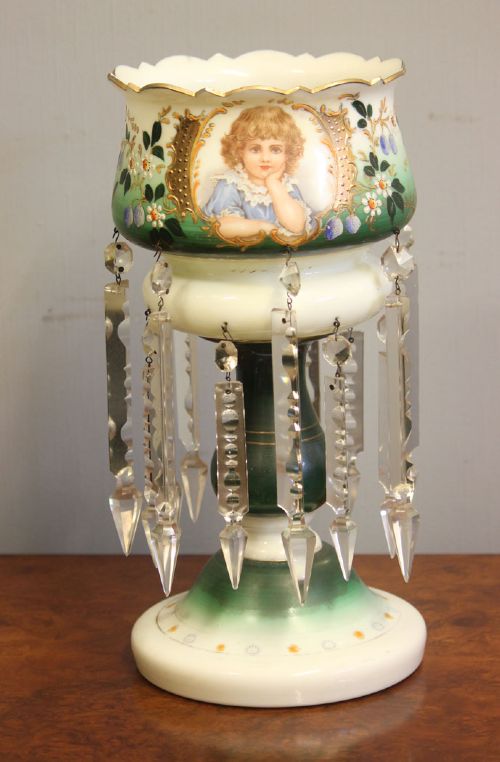
Many vessels incorporate additional elements such as silver mounts, gilding, and applied coloured glass canes. These decorative additions required specialist handling to integrate metal and glass components securely.
Victorian Crystal Glasses Retail Price Guide 2026
Typical asking prices for victorian crystal glasses among the pieces listed under this phrase on Sellingantiques today, from the lower quarter to the upper quarter. They describe what is for sale here now, not the wider market.
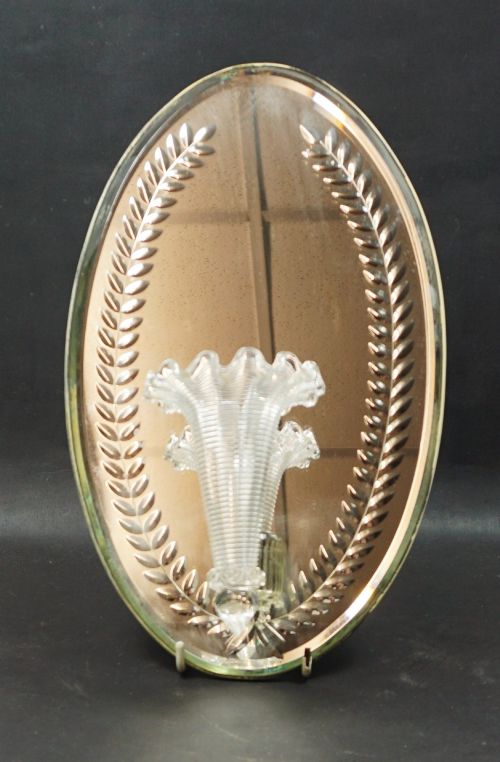
Listings feature nineteenth-century items in cut glass, crystal, and brass, spanning styles from Victorian to French Empire.
Quality factors
Quality rests in the precision of the cutting and the clarity of the material itself. Deeper wheel-engravings and sharper facet edges indicate superior execution by the glasscutter.
The weight and balance of the vessel also distinguish finer examples. Thicker walls and well-proportioned stems demonstrate greater technical skill during formation.
William Comyns·Asprey and Co. Ltd·Stevens and Williams·Moser·Walker and Hall
The Victorian Crystal Glasses Glossary
- Cut glass
- Glass decorated by holding it against a rotating wheel to grind away material and form geometric patterns. This technique produces distinct facets that catch the light.
- Lead crystal
- Glass containing metal oxides that increase brilliance, weight, and resonance. This material allows for deeper cutting without fracturing.
- Hobnail cut
- A raised, pointed pattern resembling the hobnails used in boot soles. It creates a heavily textured surface across the body of the glass.
- Star-etched
- A decorative motif incised into the surface in the shape of a star. It appears frequently on nineteenth-century stemware and bases.
Victorian Crystal Glasses: Frequently Asked Questions
How do I clean antique crystal?
Wash pieces by hand using lukewarm water and mild detergent. Avoid sudden temperature changes to prevent thermal shock and potential cracking.
Dry the glass immediately with a lint-free cloth to maintain clarity and prevent water spots from forming on the cut facets.
Can I use these glasses daily?
These vessels suit occasional use for formal dining or special gatherings. Hand washing remains essential due to the delicate nature of nineteenth-century materials.
Store them securely on stable shelving away from the edge to prevent accidental chipping of the rims and stems.
How do I identify Victorian glass?
Examine the weight, colour, and manufacturing marks. Nineteenth-century lead crystal typically feels heavier than modern equivalents and displays subtle surface irregularities.
Look for hand-cut facets rather than moulded seams, which indicate older production methods used before automated pressing became widespread.