



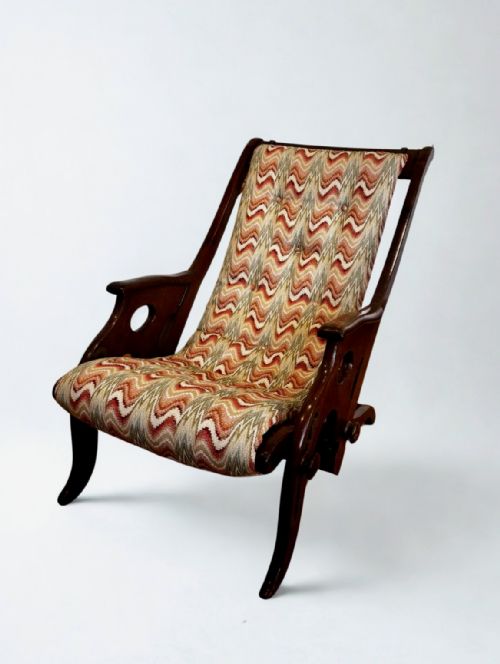
Victorian Craft Chairs
These victorian craft chairs bring honest construction and vernacular simplicity into daily use, combining sturdy woods with rush and leather for enduring utility.
Victorian Craft Chairs
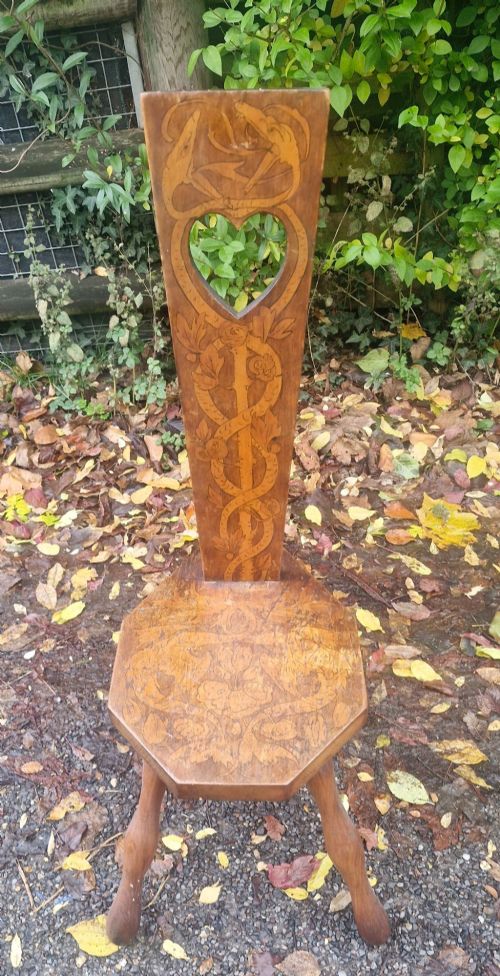
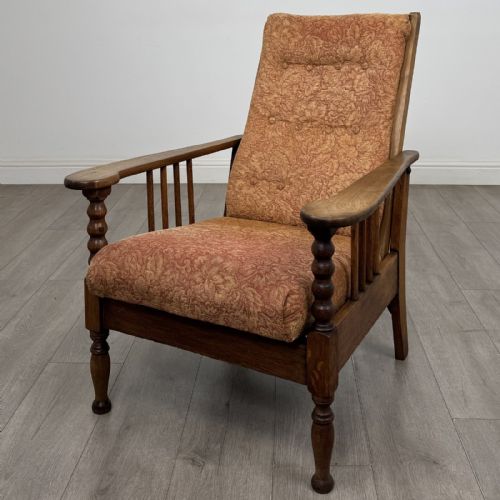
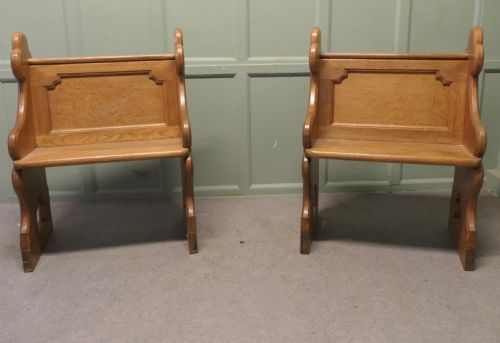
Victorian craft chairs encompass a diverse range of seating forms produced during the nineteenth and early twentieth centuries, drawing heavily upon vernacular traditions and reform movements. You encounter armchairs, side chairs, dining chairs, and hall seats that reflect the broader philosophies of the Arts and Crafts and Aesthetic movements.
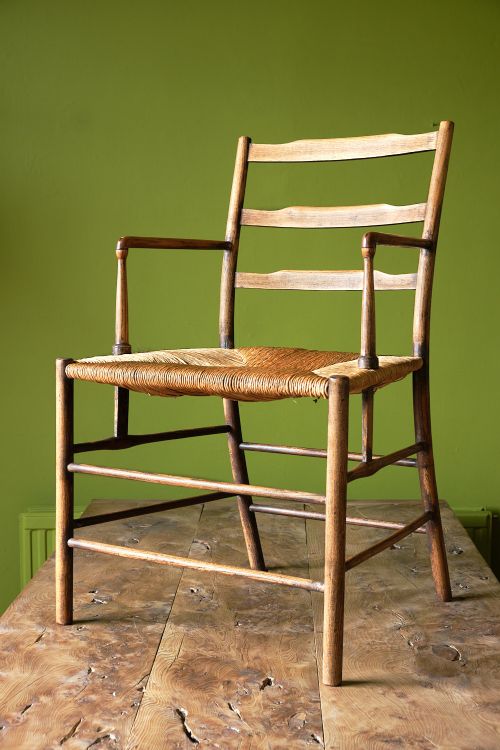
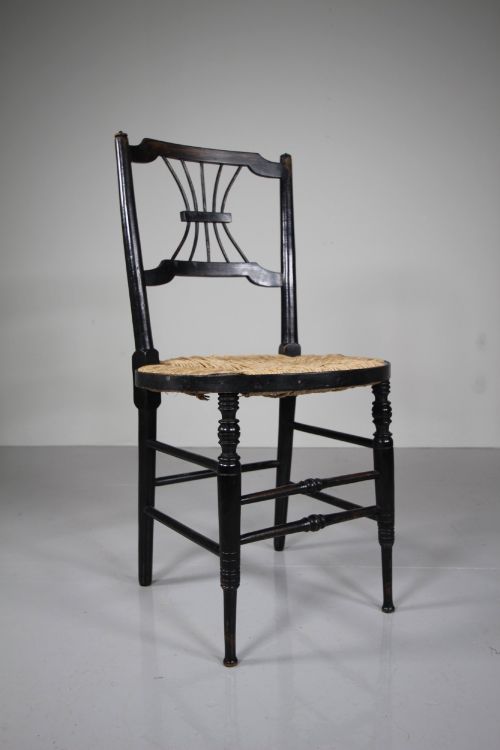
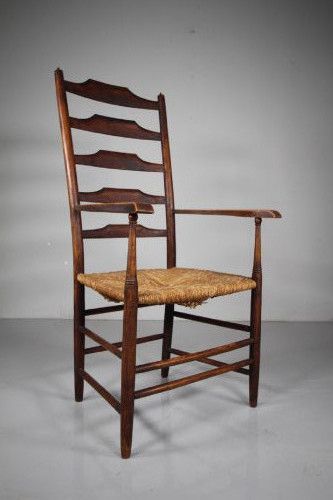
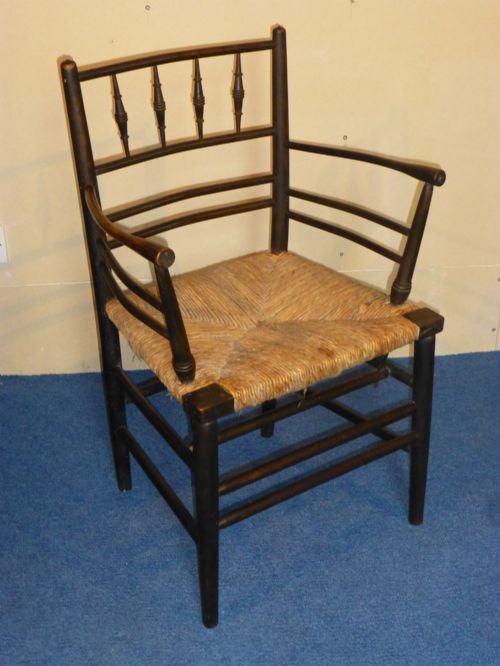
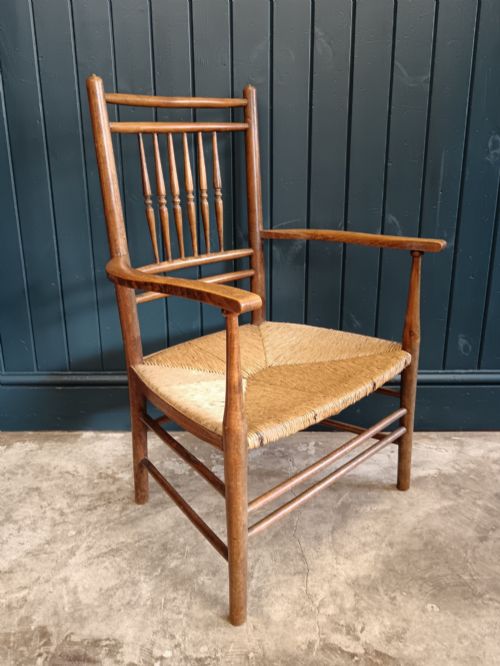
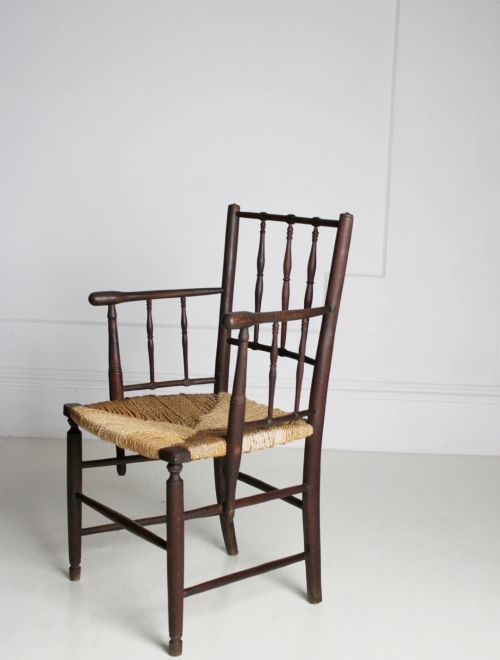
The most common examples on this page are Sussex chairs and rush-seated armchairs associated with designers like Philip Webb and makers such as Morris and Co. These pieces range from simple elm and beech country Windsors to ebonised spindle-back fireside chairs and sturdy oak library seating.
Materials and Technique
Wood selection defines these pieces, with makers utilising solid oak, walnut, mahogany, beech, and elm to ensure structural integrity. Traditional joinery methods prevail, employing turned spindles, pegged joints, and steam-bent components to shape frames without excessive ornamentation.
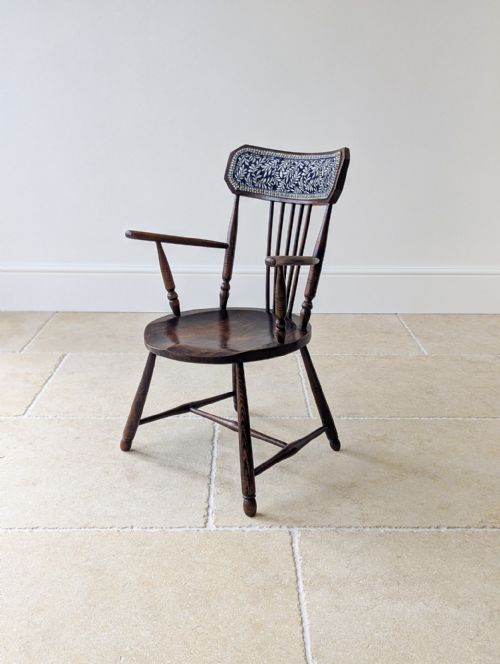
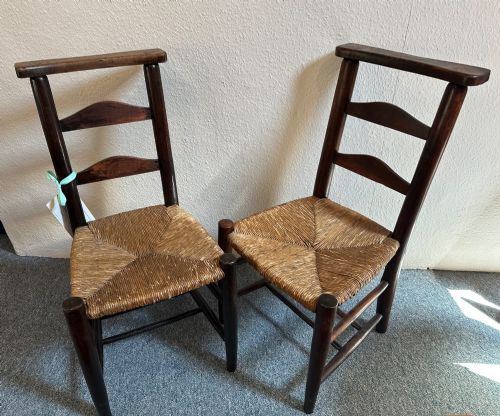
Seating surfaces rely heavily on natural materials like woven rush, alongside padded leather inserts, brass hardware, and decorative ceramic Minton tiles embedded into wooden frameworks.
Victorian Craft Chairs Retail Price Guide 2026
Typical asking prices for victorian craft chairs among the pieces listed under this phrase on Sellingantiques today, from the lower quarter to the upper quarter. They describe what is for sale here now, not the wider market.
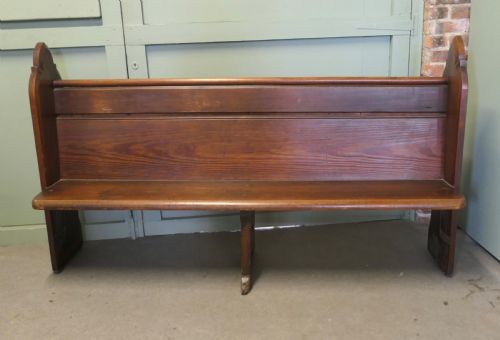
Object types span armchairs, side chairs, hall chairs, desk chairs, benches, piano stools, and bedroom chairs.
Design and Execution
Quality separates standard commercial production from pieces tied directly to prominent reform workshops and specific designers. Superior examples display refined proportions, thoughtful turning on spindle backs, and retained maker markings or stamps.
The integrity of original woven rush seats and the retention of ebonised or stained finishes significantly influence the character of each piece, distinguishing utilitarian workshop output from ambitious artistic design.
Morris and Co·Philip Webb·E W Godwin·Liberty and Co·Philip Clissett·Shoolbred
The Victorian Craft Chairs Glossary
- Sussex Chair
- A lightweight nineteenth-century chair type produced by Morris and Co, inspired by traditional vernacular designs and featuring spindle backs and rush seats.
- Rush Seat
- A seating surface woven from natural marsh grasses, providing a resilient and textured platform characteristic of vernacular and Arts and Crafts furniture.
- Ebonisation
- A chemical treatment or staining process applied to timber to darken the grain and imitate ebony, commonly utilised in Aesthetic movement seating.
- Spindle Back
- A chair back constructed from a series of turned wooden rods, offering structural support while maintaining visual lightness.
Victorian Craft Chairs: Frequently Asked Questions
How do I identify a genuine Sussex chair?
Look for turned wooden spindle backs, rush seating, and ebonised or stained finishes typical of nineteenth-century production. Many examples connect directly to the designs of Philip Webb for Morris and Co.
Examine the turning quality and structural lightness, as these vernacular-inspired forms prioritize functional simplicity over heavy ornamentation.
Where were these chairs used originally?
These seating forms served multiple domestic and institutional spaces, from bedrooms and libraries to dining rooms and ecclesiastical settings. Simpler Windsor and rush-seated models functioned as versatile everyday seating.
More formal library armchairs and tiled hall chairs suited public buildings, offices, and artistic Victorian interiors.
How should I care for rush seats?
Keep rush-seated chairs in rooms with stable humidity levels to prevent the natural marsh grass from drying out and becoming brittle. Avoid excessive moisture during cleaning, using a soft brush to remove dust.
Protect the woven surface from sharp impacts and heavy point loads to preserve the integrity of the natural plant fibres.
What defines Aesthetic Movement seating?
Aesthetic movement chairs emphasise simplified forms, ebonised surfaces, and Japanese-influenced structural lines. They often feature delicate spindle work and contrasting upholstery in fabrics or leather.
This style moves away from heavy Victorian revivalism toward artistic refinement and lighter domestic utility.