

Victorian Country Seating
Victorian country seating brings robust elm, ash, and beech benches, stools, and Windsor chairs into daily use.
Victorian Country Seating
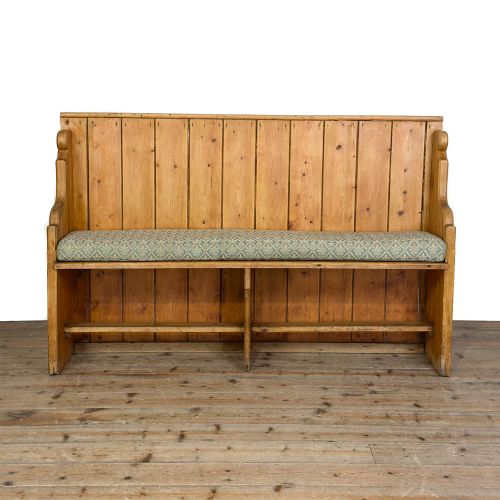
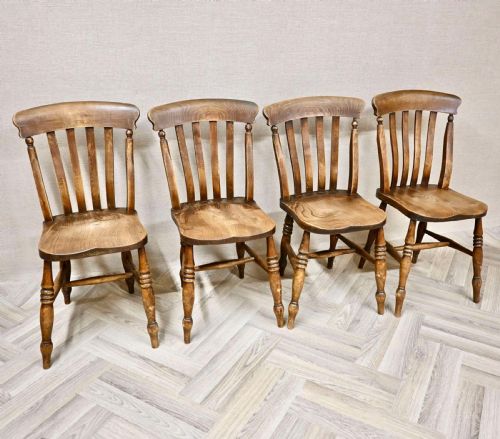
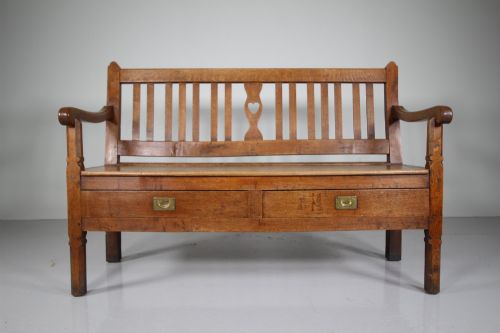
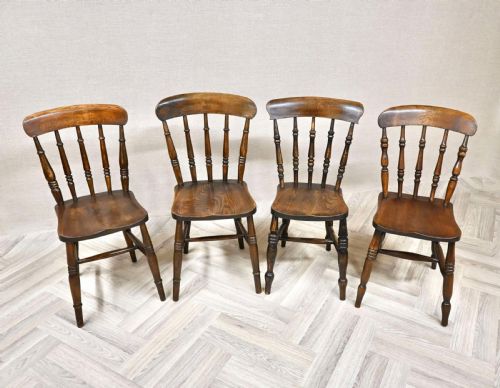
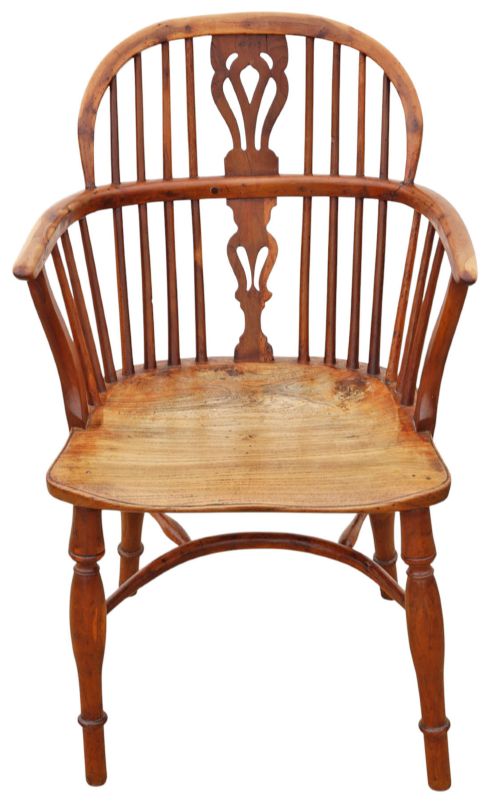
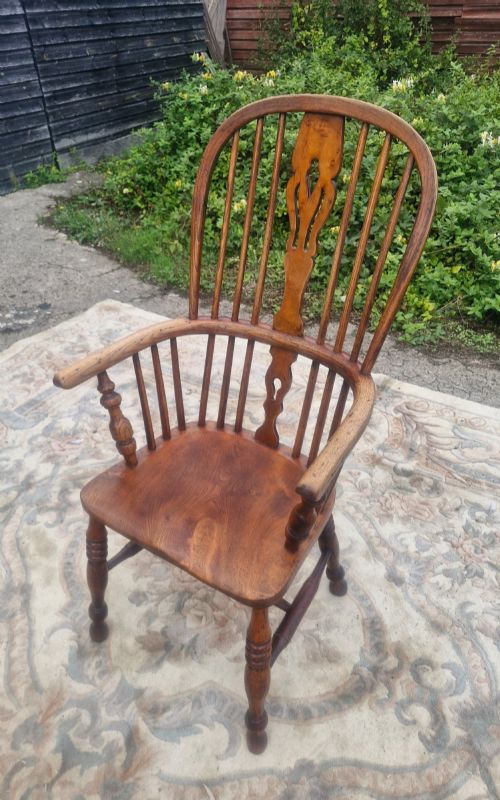
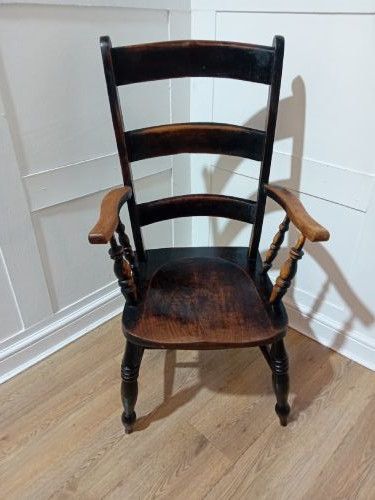
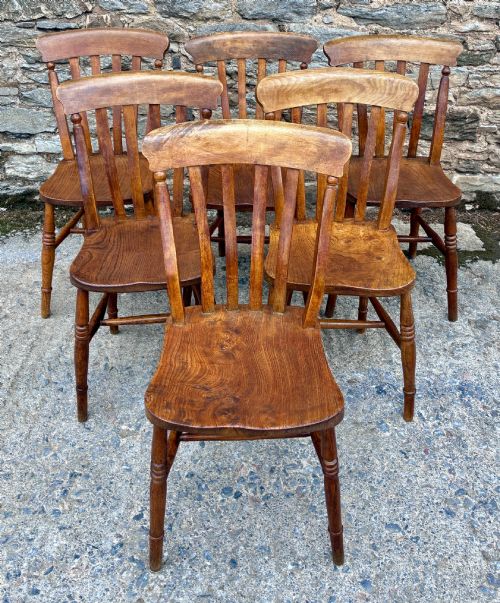
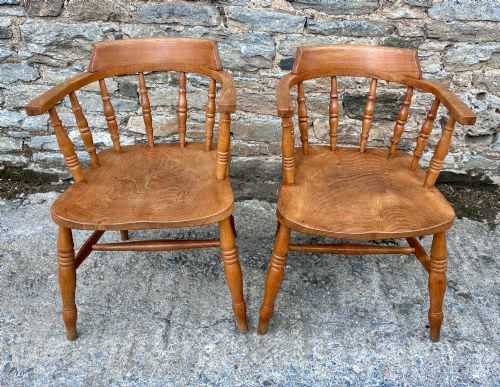
Victorian country seating encompasses sturdy utilitarian forms built for domestic and tavern use during the nineteenth century. Buyers encounter numerous Windsor chairs, kitchen chairs, and long pine or oak benches designed for everyday domestic interiors.
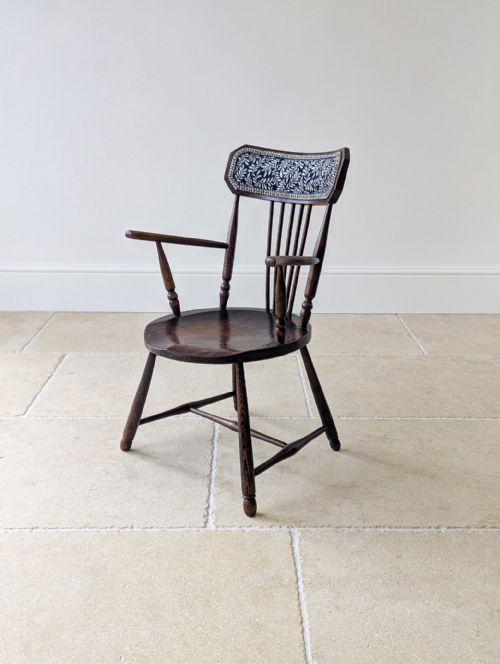
The selection ranges from simple lathe-back and stick-back kitchen seating to substantial hall benches and open armchairs. Regional variations such as Thames Valley and Welsh models appear alongside standard English farmhouse seating.
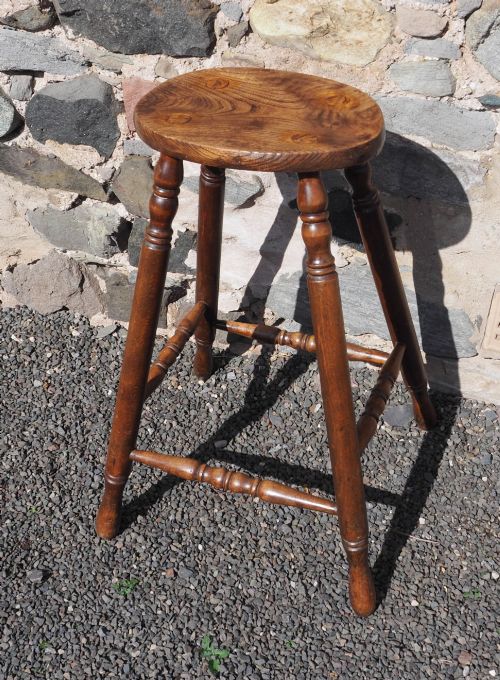
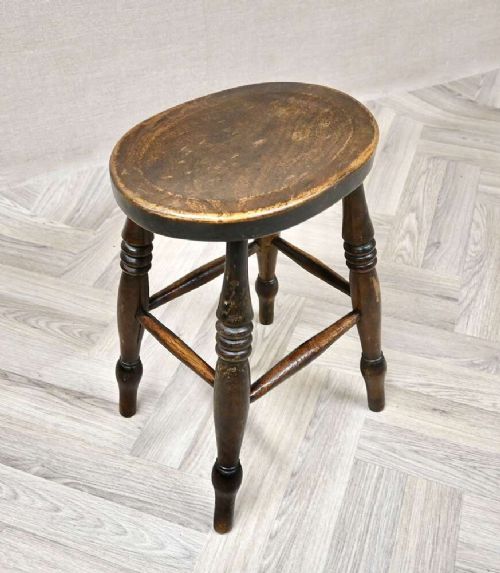
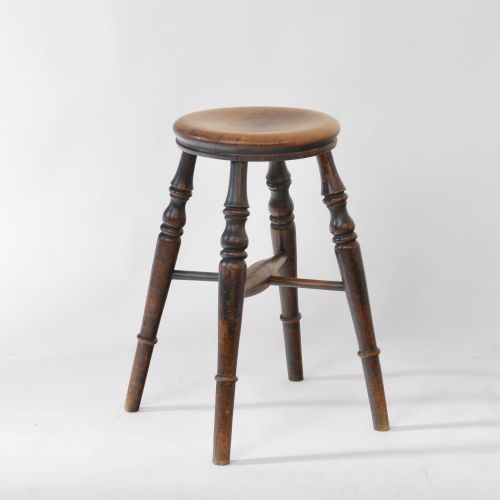
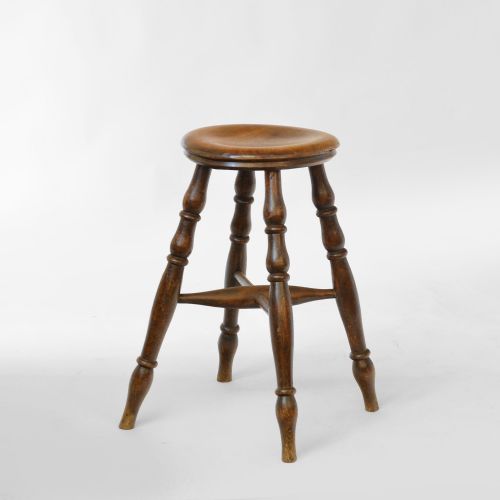
Stools and settles complete the category, offering compact solutions in sycamore and elm. These pieces derive their character from provincial workshops rather than urban cabinet makers.
Construction and Materials
Craftsmen utilised native British timbers, pairing solid elm seats with bent ash or beech for spindles and steam-bent bows. This combination provided the necessary flexibility and structural strength for heavy daily use.
Joinery relied on traditional methods including wedged tenons and mortise joints without metal fixings. Many examples retain original surface finishes such as wax or polished wood patination developed over generations.
Quality and Proportion
Superior examples demonstrate careful selection of timber grain, particularly in contoured elm seats and figured yew or ash armbows. Finer pieces maintain balanced proportions and retain their original structural components without excessive replacement parts.
Lower tiers often show crude repairs, heavy utilitarian wear, or mismatched timber replacements. The presence of regional signatures, such as specific spindle turnings or distinct wheelback splats, elevates the standing of individual chairs.
Howard and Sons·Philip Clissett·Hampton and Sons
The Victorian Country Seating Glossary
- Windsor chair
- A wooden chair built with a solid sculpted seat into which the legs and back spindles are separately tenoned. The design relies on stick construction rather than a traditional framed carcass.
- Carver elbow-chair
- An armchair designed with low wooden arms, often used at the head of a dining table or as a fireside seat.
- Settle
- A wooden bench featuring a high solid back to block draughts and enclosed arms. It served as communal seating near hearths in country houses and taverns.
- Lathe back
- A chair back constructed with flat vertical wooden slats turned on a lathe. This vernacular style provides rigid support without upholstered padding.
- Wheelback
- A Windsor chair variation featuring a pierced splat shaped like a cartwheel. It represents a decorative refinement popular in nineteenth-century provincial dining sets.
Victorian Country Seating: Frequently Asked Questions
How do I identify a genuine Windsor chair?
Authentic nineteenth-century Windsor chairs feature a saddle-shaped solid elm seat with visible wedged tenons poking through the top surface. The spindles and legs show minor irregularities from hand-turning on a lathe rather than automated uniformity.
Traditional pieces use native woods like ash for the bent bow and beech for the lower frame. Inspect the underside to verify the wedged construction and joint integrity.
Where were country benches used?
Benches in elm, pine, and oak served primarily in hallways, kitchens, and long dining rooms of rural properties. Slim variants fitted narrow corridors, while longer examples accommodated communal dining.
Taverns and public houses also utilised sturdy wooden benches and high stools for patrons. Their heavy construction withstood constant commercial environments.
What is a Thames Valley chair?
Thames Valley chairs are distinctive nineteenth-century regional Windsors associated with workshops along the River Thames. They frequently incorporate yew wood and feature elaborately turned stretchers and crinoline hoops.
These models display superior carving on the arm bows and central splats compared to standard provincial kitchen chairs. Collectors prize them for their refined vernacular design.
Can I use antique stools daily?
Nineteenth-century stools built from sycamore, ash, and elm offer robust seating suitable for regular placement in modern kitchens and dining spaces. Their solid wood construction handles daily friction effectively without fragile joints.
Regular waxing preserves the dry patination of the wood while preventing the surface from drying out. Avoid placing them near direct heat sources to protect the vintage timber.
How should I clean antique wood finishes?
Maintain wooden surfaces using a soft cloth and traditional beeswax to nourish the dry nineteenth-century grain. Avoid modern chemical sprays or water-based cleaning products that strip original patination.
Gentle buffing removes surface dust while preserving the historic character built up over generations of use. Consistent mild care keeps the timber stable and rich in tone.