



Victorian Country Pine Server
A victorian country pine server brings practical domestic utility and honest rural character into modern rooms.
Victorian Country Pine Server
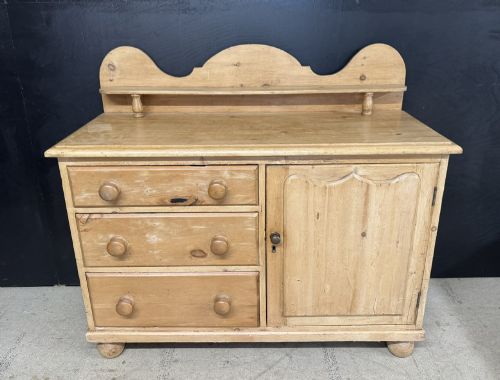
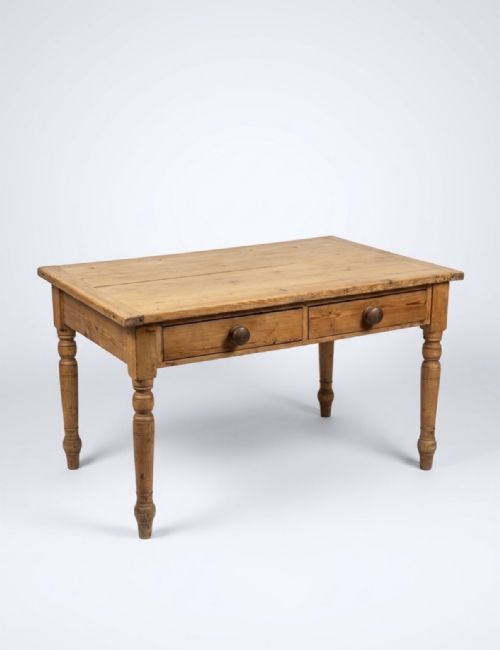
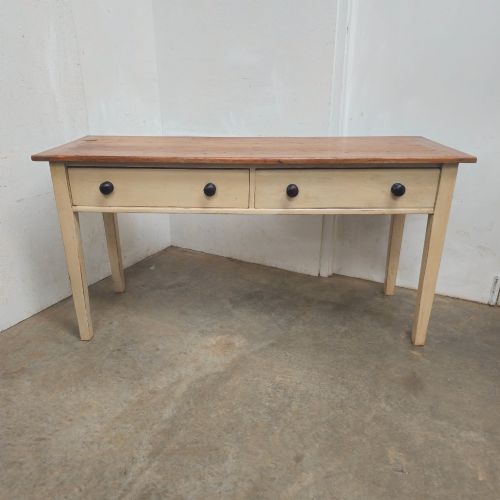
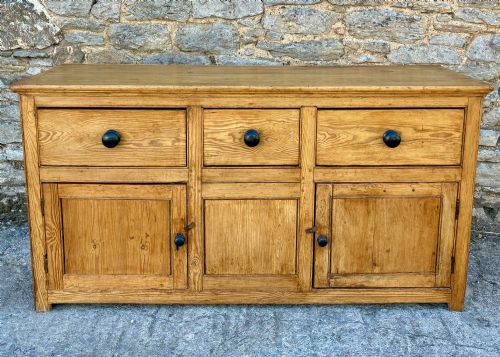
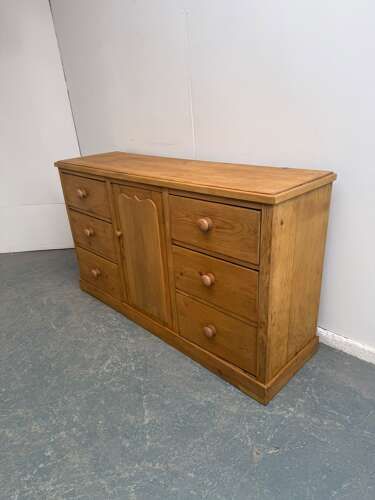
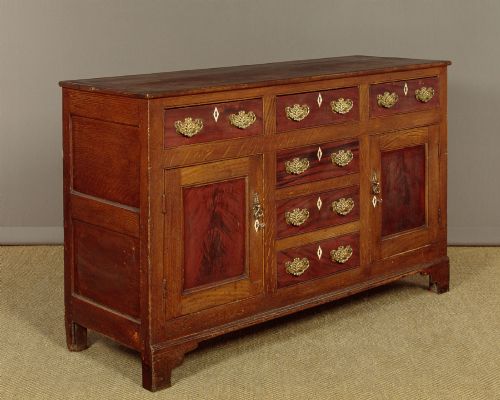
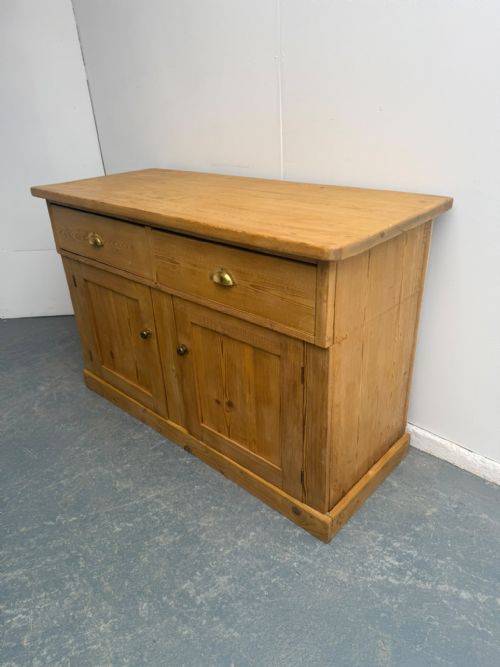
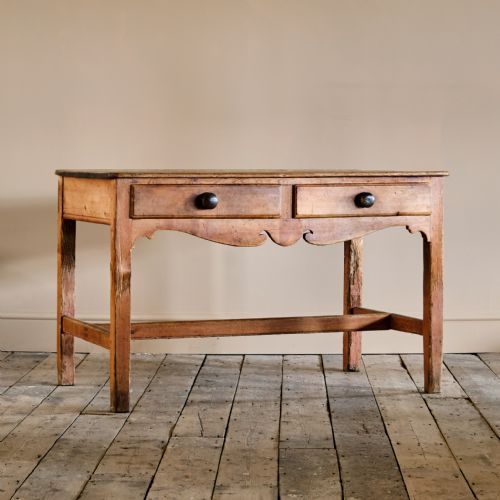
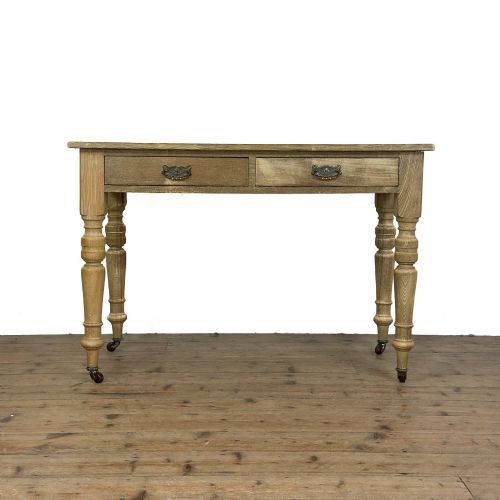
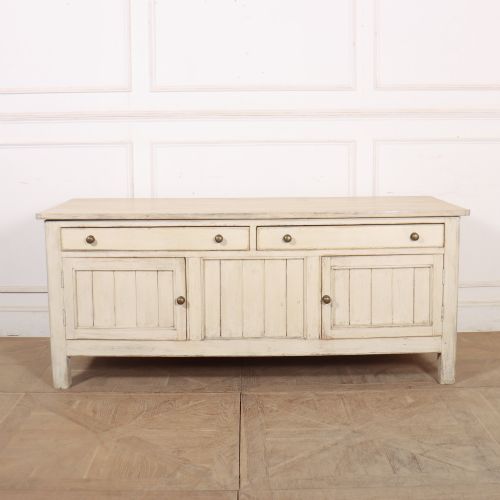
A victorian country pine server typically takes the form of a robust dresser base, sideboard, or serving table designed for daily household labour and storage. These pieces originate predominantly from the nineteenth century, spanning periods from Regency examples through to the late eighteen-hundreds, reflecting the straightforward needs of domestic kitchens and pantries.
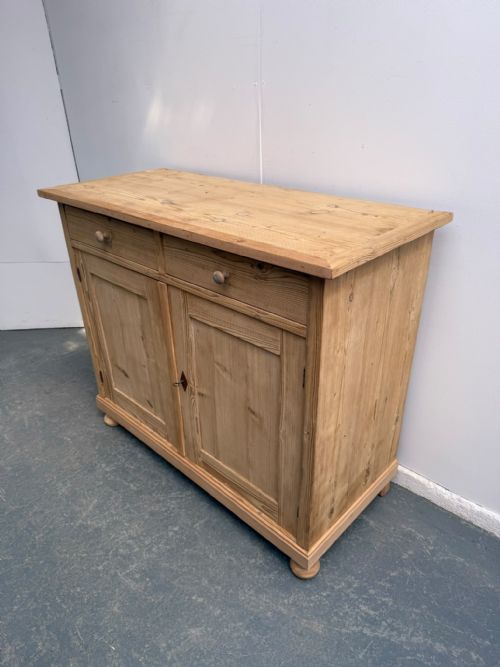
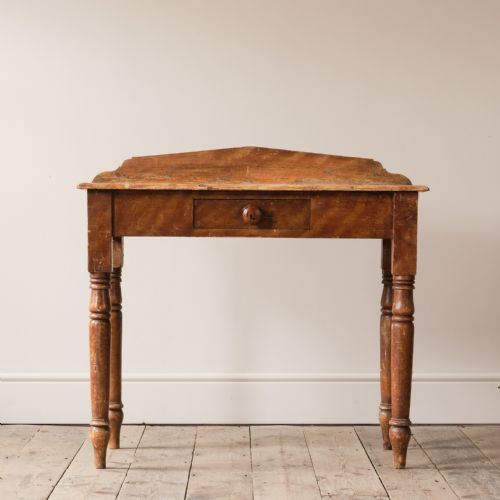
Buyers encountering this category will most frequently discover dresser bases and sideboards featuring practical drawer arrangements and lower cupboards. Many retain their original painted finishes, scumble glaze, or have been stripped and waxed to reveal the natural grain of the timber.
Originating largely from English and Scottish provincial settings, these items range from modest proportions suitable for smaller rooms to monumental country house proportions with multiple doors and drawers. They serve as versatile additions to contemporary spaces that require grounded, utilitarian furniture with genuine age.
What varies in quality
Quality rests in the integrity of the original construction and the preservation of authentic surface finishes, such as untouched layers of early paint or honest wax patination. Pieces retaining their original brass or iron fittings and sound structural timber command greater appreciation among collectors.
Proportion and scale also distinguish finer examples, where well-balanced drawer configurations and generous working depths elevate simple utility furniture into distinguished statements of country craftsmanship.
Listings feature items spanning the eighteenth century through to nineteen-hundred, constructed from pine, pitch pine, and painted timber.
The Victorian Country Pine Server Glossary
- Dresser base
- A low sideboard or cabinet featuring surface workspace and lower storage cupboards or drawers, traditionally used for food preparation and serving.
- Scumbled finish
- A decorative painting technique involving a translucent top glaze manipulated over a lighter base coat to simulate the rich grain of costly timber.
- Pitch pine
- A dense, resinous variety of pine known for its durability and prominent grain pattern, frequently utilised in heavier nineteenth-century furniture.
- Bread slide
- A pull-out shelf integrated into the cabinetry of a server or dresser base, originally designed for cooling baked loaves.
- Waxed pine
- Timber finished with natural beeswax to protect the surface while developing a warm, soft lustre through handling over decades.
Victorian Country Pine Server: Frequently Asked Questions
How are these servers used today?
These servers function wonderfully as sideboards in dining rooms, kitchen prep stations, or media consoles in living spaces. Their generous drawers and cupboards offer practical hidden storage for modern tableware and household items.
The sturdy top surfaces easily support lamps, decorative objects, or serving platters during gatherings. Bringing one into a home immediately grounds the interior with historical texture and utility.
Are painted finishes original?
Many pieces retain their original nineteenth-century paint layers, which often exhibit charming wear and craquelure developed through decades of domestic use. Pigments range from simple muted tones to traditional scumbled finishes designed to mimic oak or mahogany.
Other examples have been stripped down to bare wood and waxed to highlight the natural grain and knots of the pine. Examining the layers within corners and crevices helps determine the history of the surface.
What distinguishes pitch pine?
Pitch pine contains a high resin content that gives the wood exceptional durability and a distinctly reddish-orange hue with pronounced grain lines. Cabinetmakers favoured this material for larger furniture subjected to heavy use.
Objects constructed from pitch pine often feel heavier and display a striking visual depth compared to standard softwood varieties. This specific timber became particularly popular during the later nineteenth century.
How do I care for waxed pine?
Maintaining waxed pine requires regular dusting with a soft, dry cloth and occasional application of quality beeswax to nourish the timber. Avoid placing these pieces near direct heat sources or in overly damp environments to prevent the wood from warping.
Gentle care preserves the soft patination built up over generations without stripping away the historical character. Spills should be wiped away promptly to protect the wax barrier.