





Victorian Country Kitchen Box
These Victorian country kitchen box items are solid wooden storage pieces offering practical utility and period charm for any home.
Victorian Country Kitchen Box
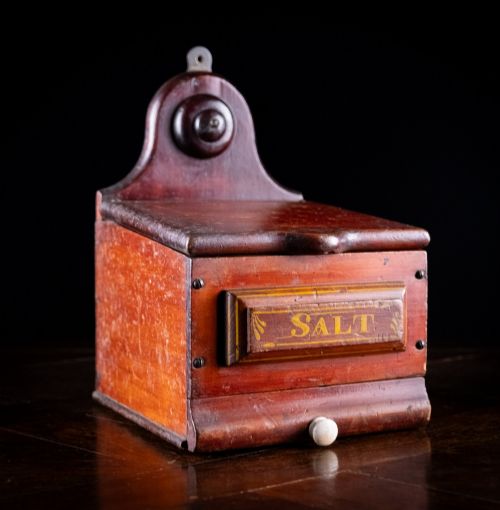
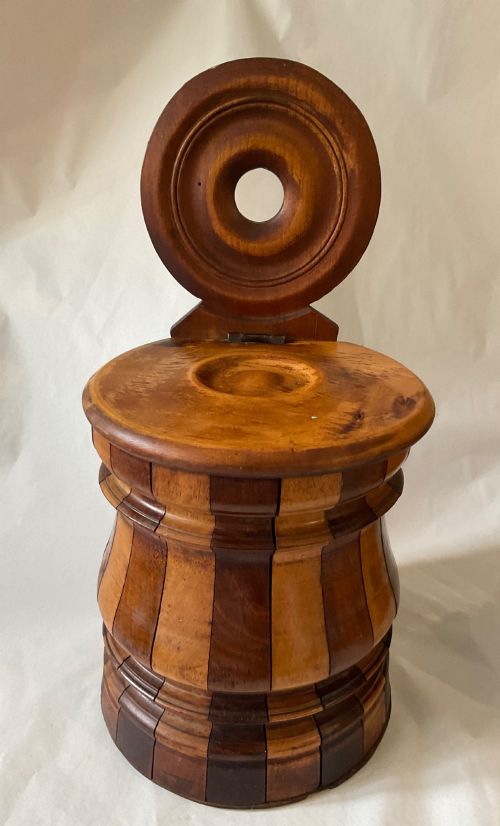
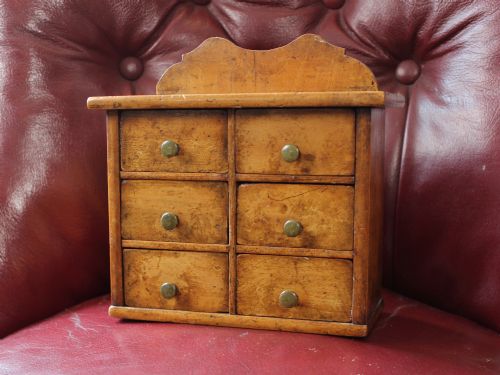
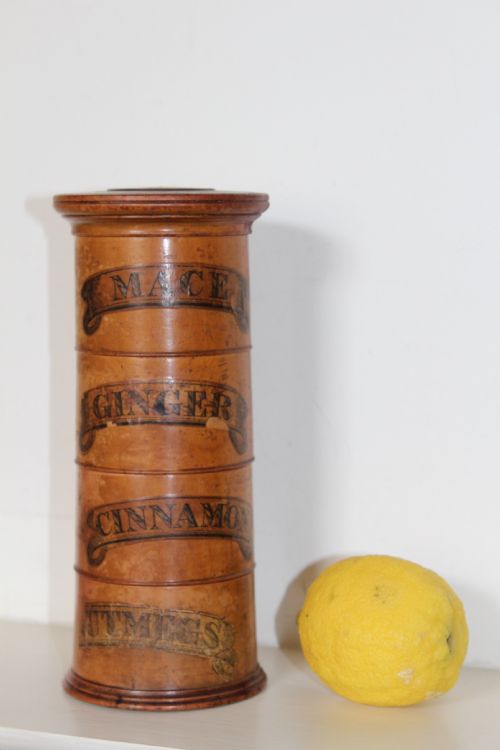
A victorian country kitchen box encompasses various utilitarian wooden containers designed for domestic use during the nineteenth century and the Edwardian era. You will frequently encounter wall-hanging spice boxes, salt boxes, and desktop work boxes fashioned for everyday household tasks.
The selection here includes functional kitchenalia alongside related items like benches, log bins, and toleware buckets from the same domestic sphere. Most examples originate from nineteenth century workshops and rely on robust construction suited to busy rural environments.
How they were made
These items rely principally on native timbers such as pine, oak, and fruitwood, often combined in a single piece to balance structural strength with appearance. Iron bands and brass fittings provide reinforcement and functional hardware for items subject to regular handling.
Joinery methods reflect straightforward carpentry designed for utility rather than ornate display, utilising exposed joints and durable fasteners. Surfaces frequently retain original painted finishes or bare timber patination acquired through decades of practical domestic service.
Victorian Country Kitchen Box Retail Price Guide 2026
Typical asking prices for victorian country kitchen box among the pieces listed under this phrase on Sellingantiques today, from the lower quarter to the upper quarter. They describe what is for sale here now, not the wider market.
Listings feature items spanning the 19th century and the Edwardian period, constructed from pine, oak, fruitwood, and mixed timber.
What varies in quality
Quality rests primarily upon the selection of timber and the preservation of original surfaces, ranging from simple utilitarian pine to richer fruitwood and oak constructions. Pieces featuring clever compartmentalisation or surviving painted decoration stand apart from plain everyday utility items.
Proportion and structural integrity define the better examples, where careful carpentry ensures drawers and hanging lids operate smoothly after generations of use. Wear patterns and patination tell the history of each object, distinguishing honest domestic age from later alterations.
The Victorian Country Kitchen Box Glossary
- Fruitwood
- Dense timber derived from fruit-bearing trees such as pear or apple, utilised for smaller items like spice drawers due to its fine grain.
- Toleware
- Lacquered or enamelled metalware, typically iron or steel, used for durable domestic containers such as kitchen buckets.
- Kitchenalia
- Utilitarian objects and implements formerly used in domestic food preparation and kitchen management.
- Salt box
- A wall-mounted container featuring a sloping lid designed to keep kitchen salt dry and accessible near the hearth.
Victorian Country Kitchen Box: Frequently Asked Questions
What were these boxes used for?
These boxes served practical storage functions in nineteenth century households, holding dry goods, spices, salt, or sewing equipment close at hand.
Their robust construction allowed them to withstand the daily demands of busy country kitchens and domestic workspaces.
How do I date a kitchen box?
Dating relies on examining the timber species, construction techniques, and any original surface treatments or painted finishes present on the object.
Nineteenth century pieces typically display hand-cut joinery and honest wear that distinguishes them from later reproductions.
How should I care for old pine?
Old pine benefits from minimal intervention, requiring only occasional dusting with a dry cloth to protect the surface patination.
Avoid excessive moisture and direct sunlight to prevent the timber from drying out or splitting over time.
Are wall-hanging boxes difficult to mount?
Most wall-hanging boxes feature integrated hanging brackets or pre-bored fixing points designed for secure attachment to vertical surfaces.
Ensure appropriate wall fixings are used to support the weight of the timber and its contents safely.