



Antique Oak Work Box
An antique oak work box is a practical container built for sewing, writing or domestic storage that brings tactile warmth to a room.
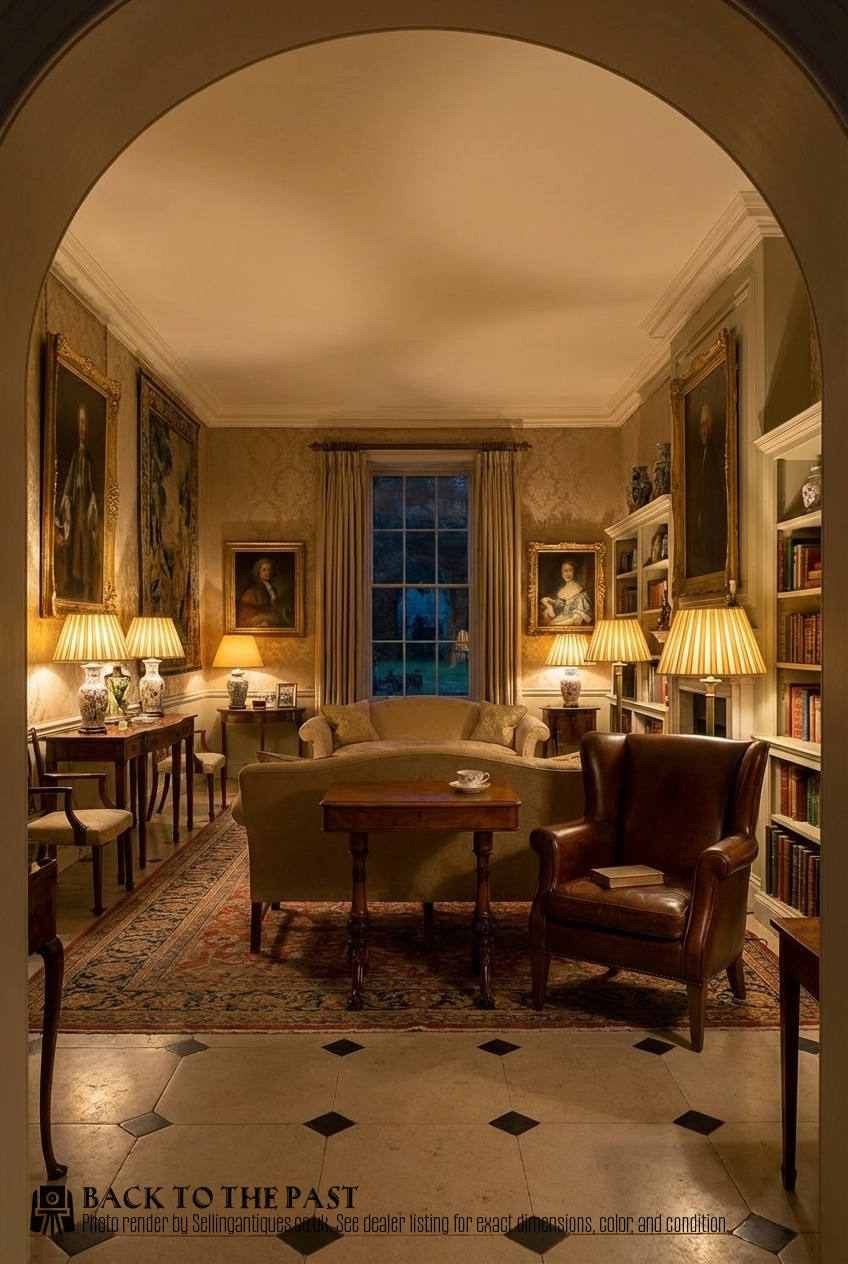
Antique Oak Work Box
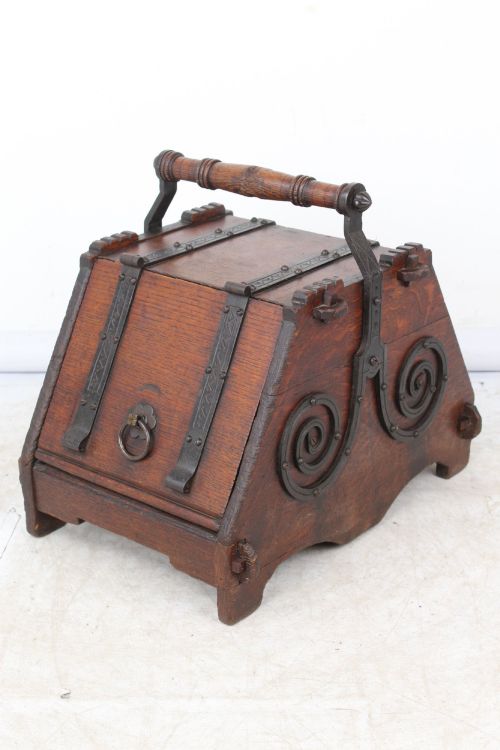
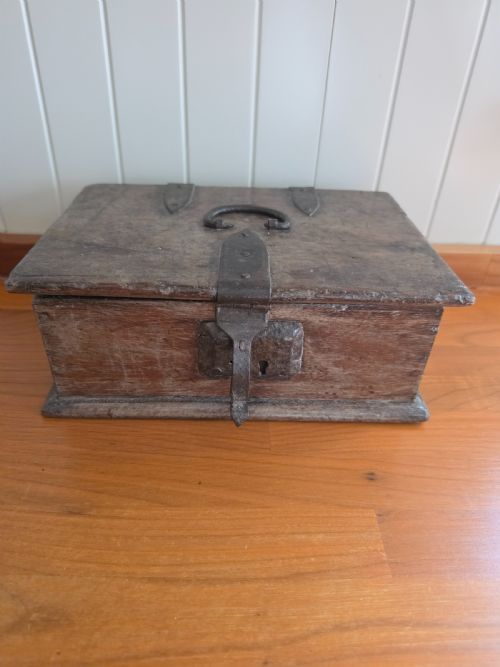
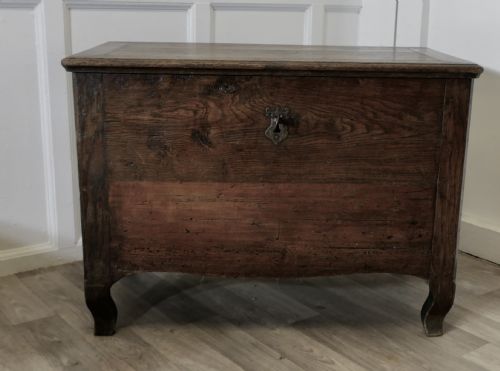
When you search for an antique oak work box, you encounter robust timber receptacles spanning centuries of domestic and travelling use. These pieces range from small table-top coffers and strong boxes fitted with wrought iron mounts to drop flap work tables and fitted sewing chests.
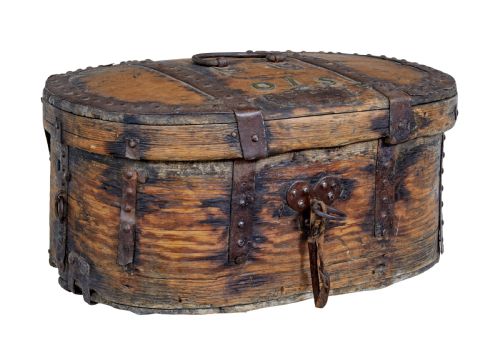
The examples seen here stretch across the Georgian and Victorian eras, alongside continental pieces originating in France, Scandinavia and Germany. You are just as likely to find a country kitchen carry or a Pollard oak work table as you are an iron-bound travelling box.
Early specimens reflect vernacular traditions from the sixteenth and seventeenth centuries, while later nineteenth-century iterations incorporate fitted interiors for ladies' sewing and handicrafts. Each piece demonstrates the enduring utility of oak combined with functional compartmentalisation.
Materials and construction methods
Makers relied primarily on solid oak, frequently selecting figured pollard oak veneers for decorative surfaces on nineteenth-century tables. Timber boards were joined using traditional methods and often reinforced with heavy wrought iron straps, locks and hinges.
Hardware details typically include brass handles, escutcheons and working locks with keys. Certain continental and regional pieces also incorporate pigments for hand-painted exterior finishes or interior fabric linings.
A sturdy seventeenth-century strong box likely held family coins long before a Victorian lady repurposed it for embroidery silks.
Evaluating craftsmanship and condition
Quality in these boxes rests on the selection of the timber, the crispness of any ironwork and the integrity of the original joins. Plain boards handle everyday use differently from figured pollard oak veneers, which demand precise cabinet-making to survive intact.
The presence of original working locks, keys, hinges and interior compartments elevates a piece significantly. Altered interiors, replaced ironwork or non-original feet distinguish ordinary utilitarian boxes from finer workshop productions.
Boothroyd Sons Rimmer·St Dunstan s
The Antique Oak Work Box Glossary
- Pollard oak
- Timber taken from a tree that has been pruned at a height above livestock reach, producing a dense, highly figured grain pattern. Cabinet-makers utilised these distinctive veneers on nineteenth-century tables and boxes.
- Coffer
- A large, sturdy wooden chest traditionally used for storing valuables or documents. Earlier examples often feature iron-bound construction and heavy locks.
- Escutcheon
- A flat plate of brass or iron surrounding a keyhole. It protects the surrounding wood from wear and adds decorative emphasis to the lock.
- Drop flap
- A hinged leaf attached to the side or top of a table that lifts to extend the surface area. This mechanism appears on nineteenth-century work tables designed for sewing and needlework.
Antique Oak Work Box: Frequently Asked Questions
What is an antique oak work box?
An antique oak work box is a timber container built to hold sewing implements, documents or household sundries. These pieces range from small travel strong boxes to fitted tables with drop flaps.
They served practical domestic roles in country kitchens, drawing rooms and bedchambers. Today they function as decorative storage on desks and side tables.
How do I date an oak work box?
Dating relies on construction methods, hardware styles and timber selection. Sixteenth and seventeenth-century pieces display heavy joinery and hand-wrought iron, while Georgian and Victorian versions often feature refined dovetailing and brass fittings.
Continental examples incorporate regional decorative traits, such as Scandinavian paint or German iron straps, which help pinpoint their origins.
Were these boxes used only for sewing?
While many contained compartments for threads, needles and lace, others served as strong boxes for valuables, documents or cutlery. Housekeepers carried specific trays and carries for daily domestic tasks.
Interior layouts often reveal the intended purpose, featuring partitioned trays, velvet linings or open wells.
How do I care for antique oak furniture?
Oak responds well to stable room temperatures and protection from direct sunlight. Minimal cleaning with a dry or barely damp cloth preserves the natural patina of the wood.
Avoid commercial silicon polishes that build up on the grain over time. Traditional wax feeds the dry timber appropriately.