


Victorian Copper Log Container
A victorian copper log container brings warmth and industrial heft to a hearth, holding fuel while reflecting the firelight.
Victorian Copper Log Container
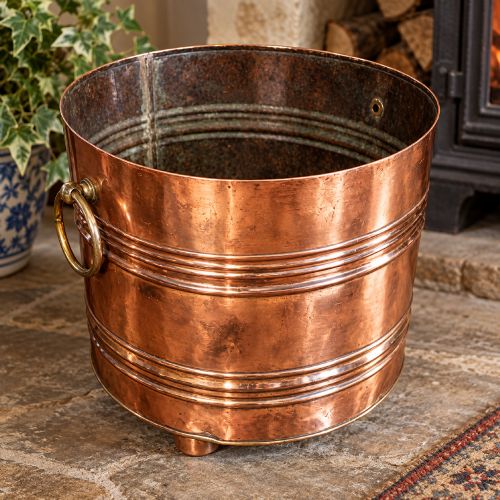
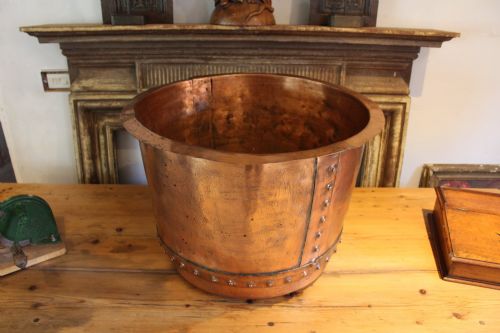
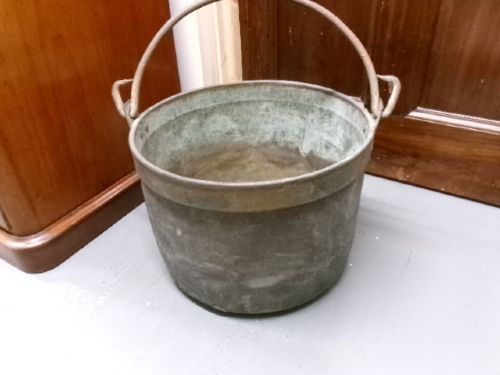
When searching for a victorian copper log container, buyers encounter robust vessels designed primarily for fireside utility during the nineteenth century. These items double as coal buckets, scuttles, and planters, reflecting the versatile metalwork of the period.
The versions most frequently met on this page date from the mid to late nineteenth century, spanning distinct stylistic movements from utilitarian designs to Arts and Crafts interpretations. Many pieces combine copper bodies with contrasting brass handles or iron fittings.
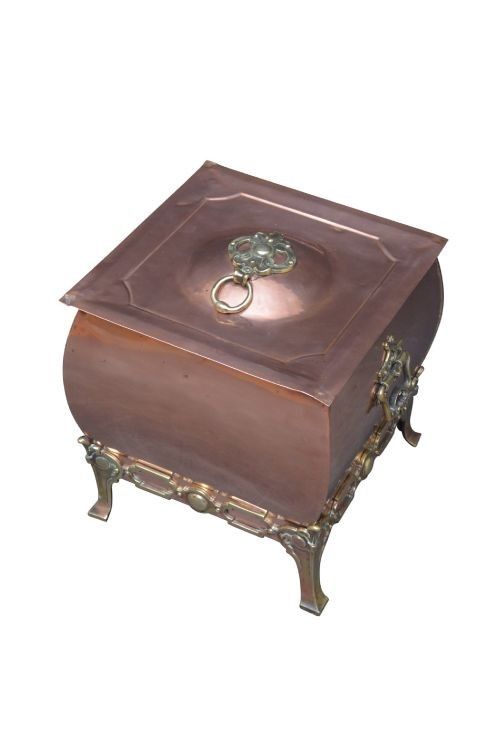
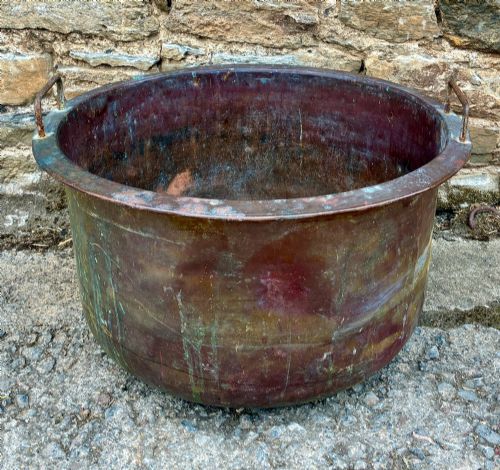
Forms vary from cylindrical bins and oval lidded vessels to helmet-shaped scuttles and open buckets. These containers frequently transition between hearth accessories and garden planters depending on their size and construction.
How they were made
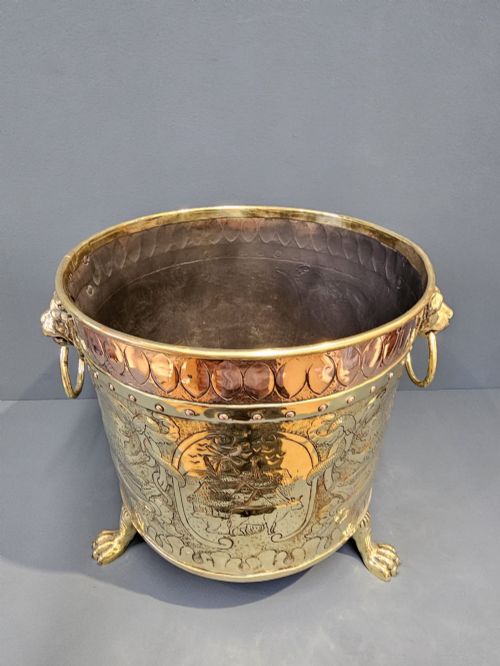
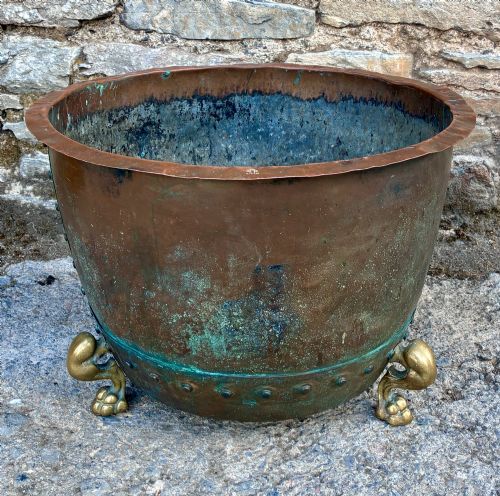
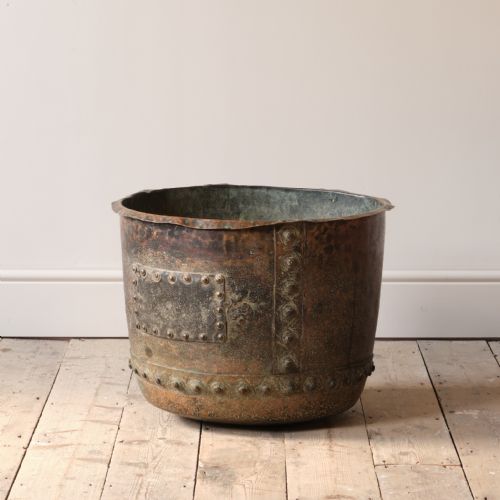
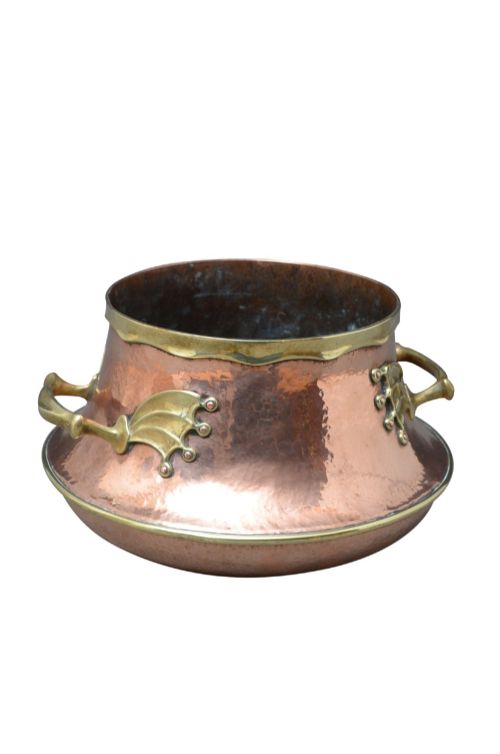
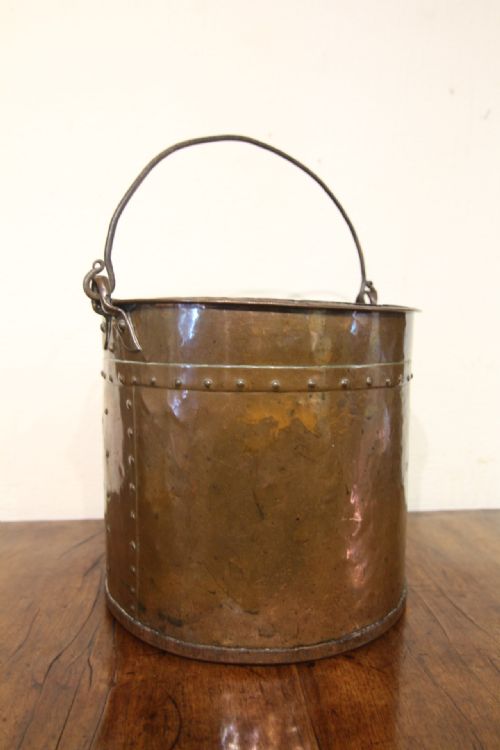
Construction relies heavily on sheet copper shaped into cylinders, ovals, and tapered helmets, often joined by visible rivets that provide both structural strength and decorative detail. Metalworkers utilised brass for handles, bands, and rims, introducing a warm tonal contrast.
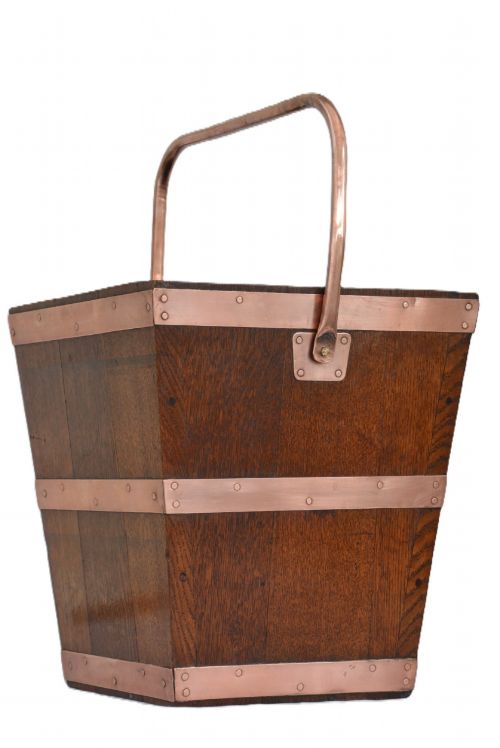
Wrought iron and oak appear frequently in handles and internal structures, grounding the lighter copper bodies with durable supports. Embossing and hammering techniques surface on examples influenced by Arts and Crafts and Art Nouveau ideals, displaying textured surface patterns.
Listings feature pieces spanning the nineteenth century up to the 1920s, utilising copper, brass, iron, and oak.
What varies in quality
The calibre of a piece depends upon the thickness of the metal sheet and the integrity of the riveted joints. Heavier gauges of copper resist denting and maintain structural rigidity under the weight of heavy logs or coal.
Detailing distinguishes standard utilitarian vessels from finer decorative examples, particularly in the casting of brass fittings, swing handles, and applied bands. The harmony between mixed metals such as copper, brass, and iron dictates the visual success of the object.
The Victorian Copper Log Container Glossary
- Riveted
- Joined with metal pins that are hammered flat at the ends. This technique secures overlapping copper sheets in nineteenth-century vessels.
- Helmet scuttle
- A coal container featuring a flared, asymmetrical rim resembling a classical helmet. This shape allowed fuel to pour cleanly onto the fire.
- Jardiniere
- An ornamental pot or stand for plants and flowers. These vessels share forms with log bins and frequently serve dual purposes.
- Arts and Crafts
- A design movement emphasising handcraftsmanship and simple forms. Pieces from this style often display hammered copper surfaces.
- Cauldron
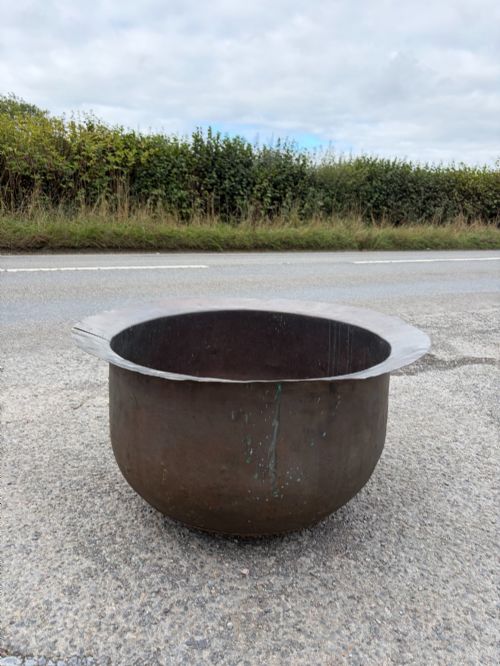
- A large round vessel with a swing handle. These rounded containers were adapted from cooking pots into fireside storage.
Victorian Copper Log Container: Frequently Asked Questions
How do I clean my log container?
Cleaning requires warm water and mild soap applied with a soft cloth to remove dust and soot accumulation. Avoid harsh abrasives that strip the aged patina.
Leaving the natural oxidation intact preserves the historical appearance of the metal. Polishing depends entirely on personal preference for bright finish versus aged darkness.
Were these used only for logs?
These vessels served multiple duties around nineteenth-century homes, primarily holding coal, peat, or wood for hearths. Their waterproof metal construction also suited them for carrying water.
Many examples function equally well today as plant holders, garden planters, or umbrella stands. Their durable fabrication accommodated heavy materials without leaking.
How do I identify an Arts and Crafts piece?
Arts and Crafts examples display visible hand-hammered textures on the copper surface rather than machine-smooth finishes. The design focuses on honest construction and simple, functional lines.
These pieces often date toward the late nineteenth or early twentieth century. They frequently feature plain riveted seams and subdued brass detailing.