
Victorian Condiment Pot
A victorian condiment pot brings the character of nineteenth-century dining tables into modern homes through silver and glass work.
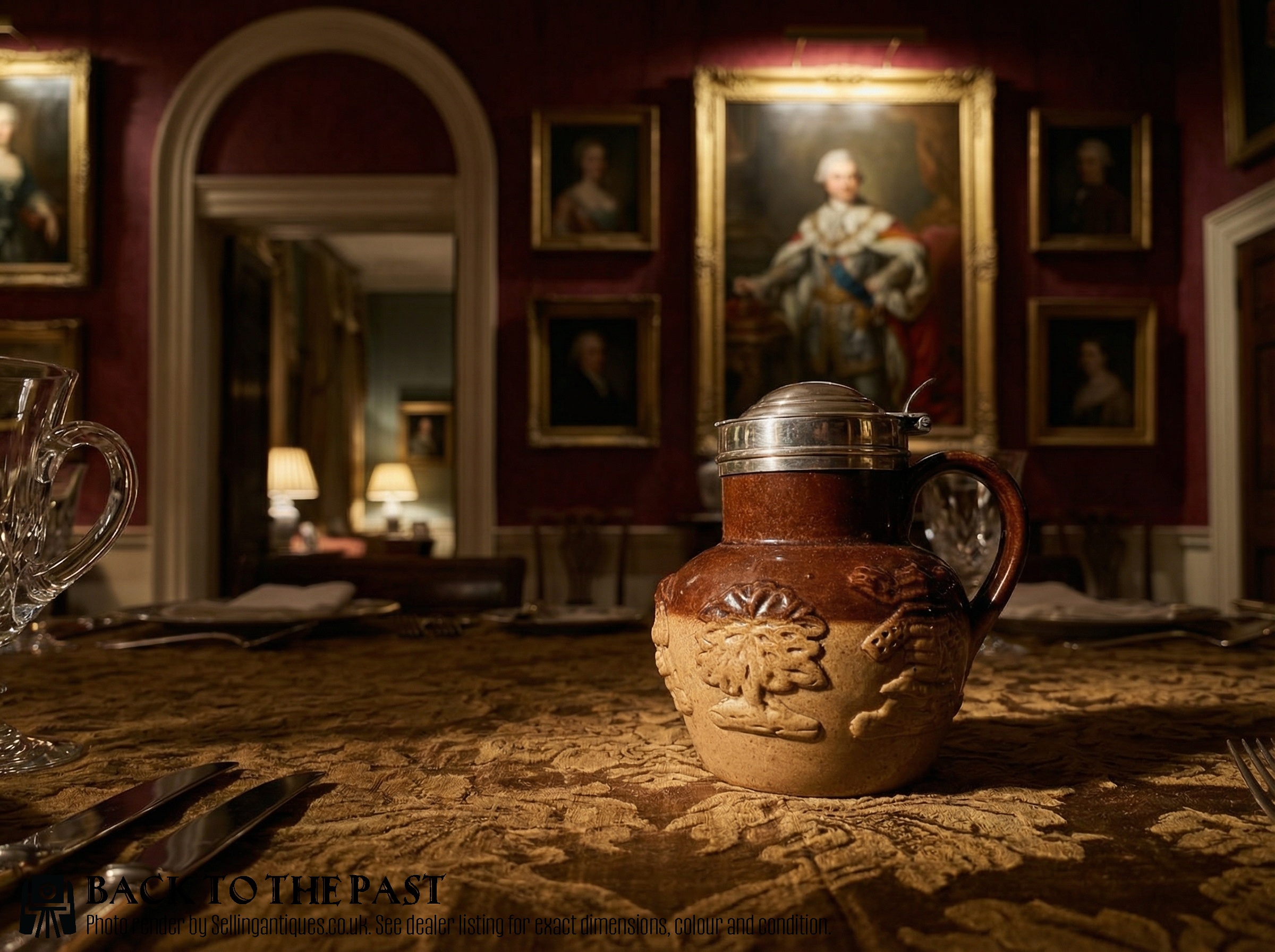
Victorian Condiment Pot
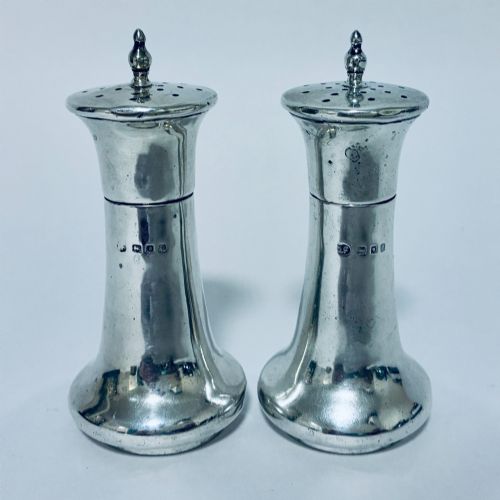
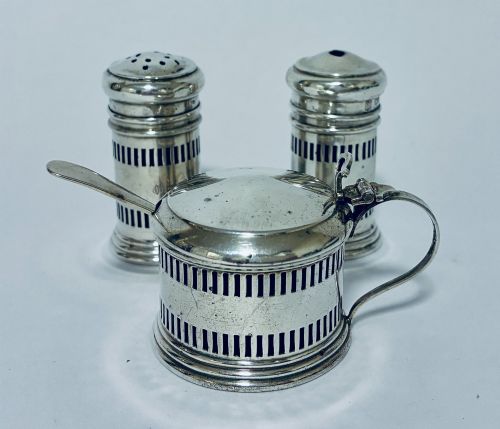
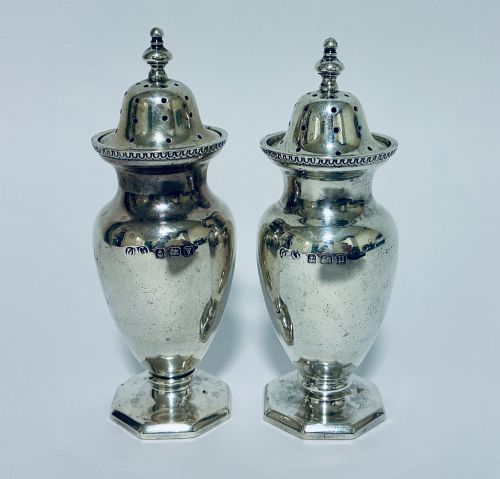
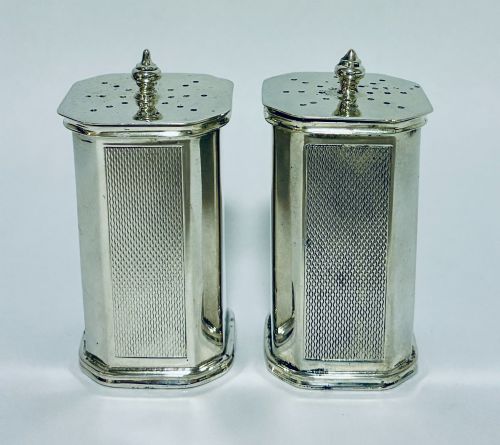
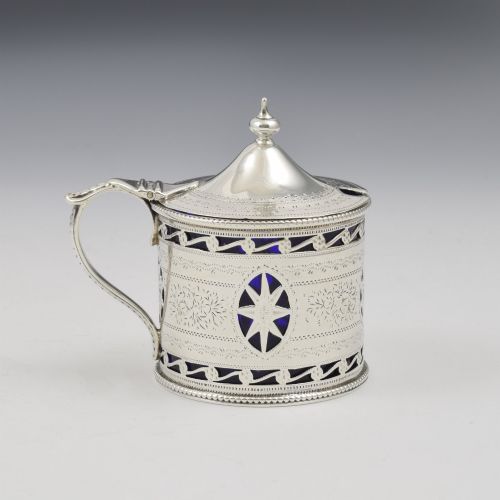
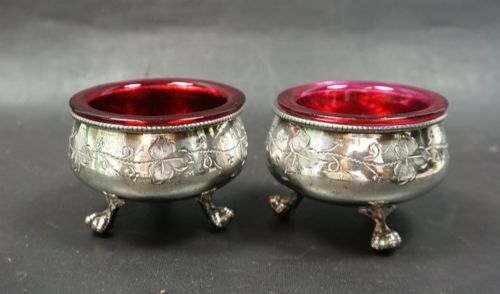
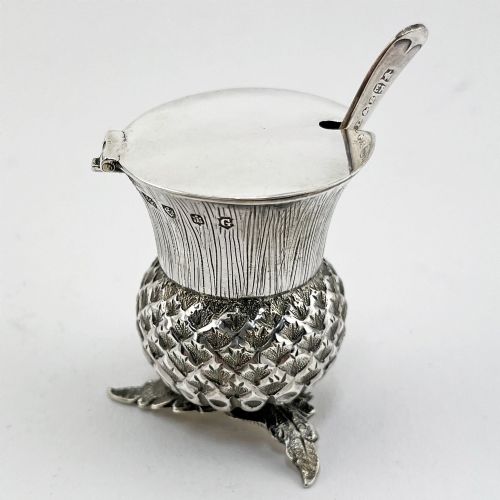
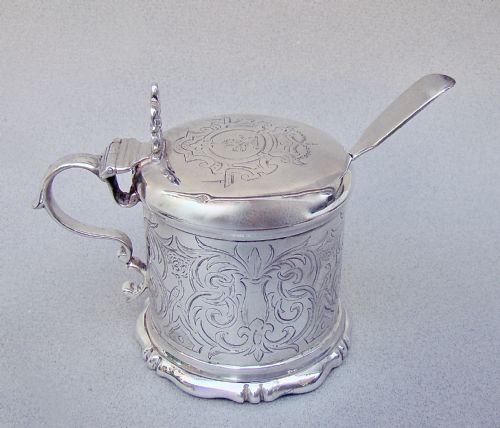
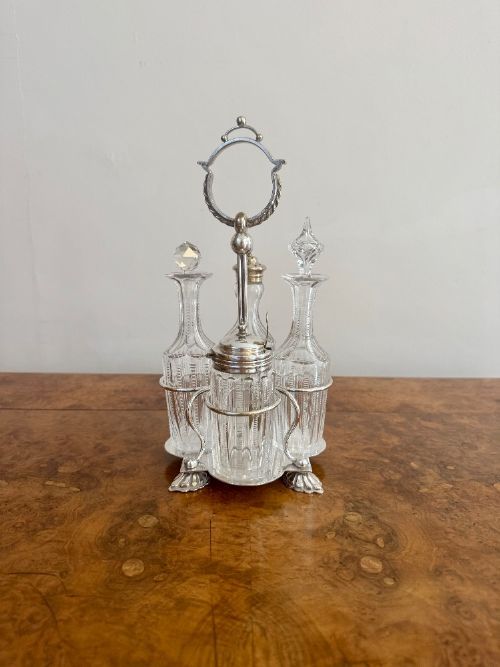
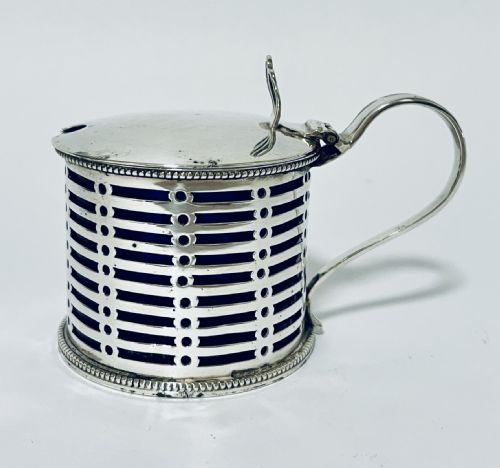
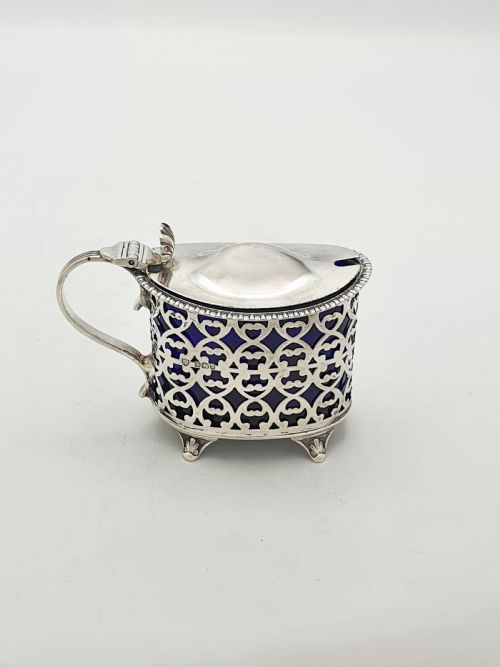
A victorian condiment pot comprises mustard pots, pepper pots, salt cellars and multi-bottle cruet sets made for nineteenth-century table service. Mustard pots and pepper casters appear frequently in sterling silver and silver plate, often accompanied by glass liners.
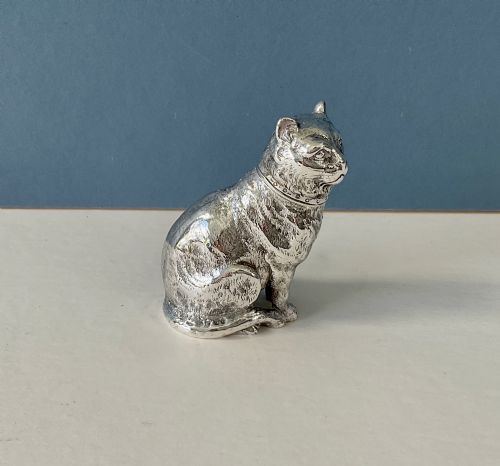
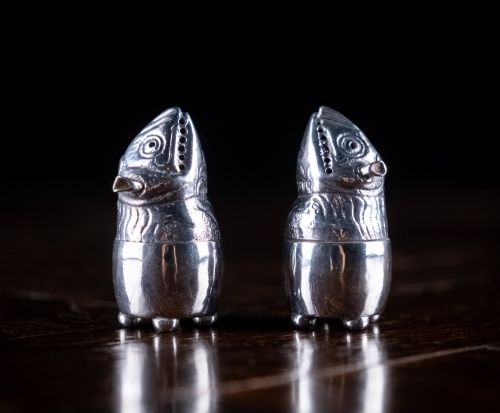
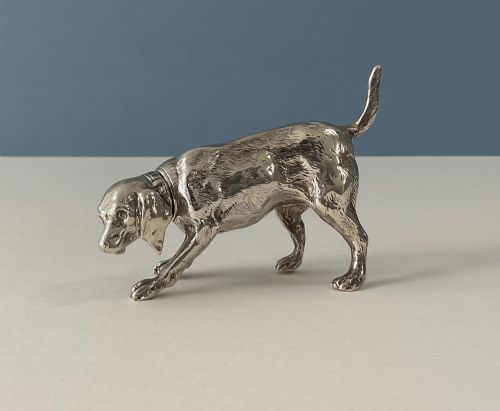
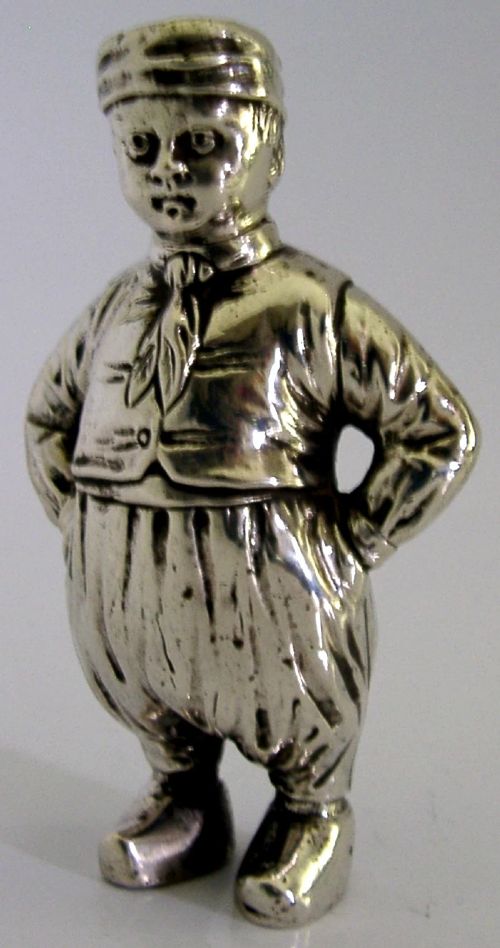
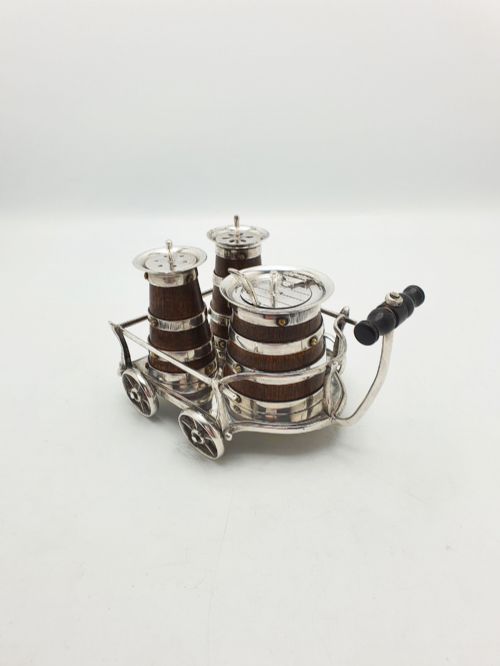
Makers produced single items alongside boxed three-piece and four-piece sets designed to hold various seasonings together on the dining table. Novelty animal forms such as birds, cats, dogs and owls also emerge across the period alongside standard drum and oval shapes.
Craftsmanship and Weight
Quality rests upon the thickness of the silver sheet, the crispness of the pierced or chased decoration and the presence of clear hallmarks recording the maker and year. Substantial metal weight and well-fitted hinged lids distinguish finer vessels from lighter production pieces.
The integration of original coloured glass liners and intact internal gilding separates superior examples from those altered or assembled from mismatched components over time.
Listings feature items spanning the early Victorian period through the Edwardian era, incorporating sterling silver, silver plate, cut glass, velvet, cobalt glass and cranberry glass.
Frederick Brasted·Nathan & Hayes·Charles & George Fox·Mappin Brothers·Alexander Macrae
The Victorian Condiment Pot Glossary
- Sterling Silver
- A silver alloy containing 92.5 percent pure silver by mass, widely used by Victorian silversmiths for durable tableware.
- Silver Plate
- A layer of silver applied to a base metal core, providing the appearance of solid silver at a lower production cost.
- Cruet Set
- A matched collection of bottles, jars or pots held in a frame for dispensing condiments at the table.
- Pierced Work
- A decorative technique where metal is cut through to create openwork patterns that reveal coloured glass liners beneath.
- Hallmark
- A series of stamped marks on precious metals indicating the standard of purity, the assay office, the maker and the year of production.
Victorian Condiment Pot: Frequently Asked Questions
How do I clean silver condiment pots?
Wash silver pieces gently in warm soapy water using a soft cloth, avoiding abrasive dips that can damage historic surfaces. Dry thoroughly with a lint-free towel to maintain the natural shine of the metal.
Keep glass liners separate during cleaning to prevent moisture from becoming trapped between the glass and the silver mount. Store items away from direct sunlight and damp environments.
Can I use these pots for everyday dining?
These vessels function well on modern tables for serving mustards, salts and pepper during meals. Ensure glass liners are washed promptly after use to prevent vinegar or salt residue from marking the metal.
Silver plate and sterling silver tolerate regular handling if treated with care and washed by hand rather than placed in modern dishwashers.
How do I date a silver condiment pot?
Examine the hallmarks stamped on the base or lid, which typically include a maker mark, a purity mark, an assay office symbol and a date letter. Reference tables help match the date letter to the exact year of manufacture.
Stylistic details such as pierced gallery work, cabriole feet or novelty animal shapes also help narrow down the production era to the Victorian or Edwardian periods.
What are novelty condiment pots?
Novelty condiment pots are shaped to resemble animals, birds, figures or everyday objects like tree trunks and oak barrels. Silversmiths created these playful designs to entertain guests at formal Victorian dinners.
Birds, cats, dogs and owls appear frequently as pepper pots or salt cellars, with removable heads or bases for filling.