

Victorian Concealed Sword Cane
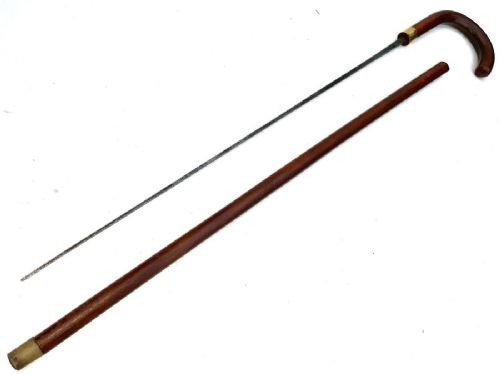
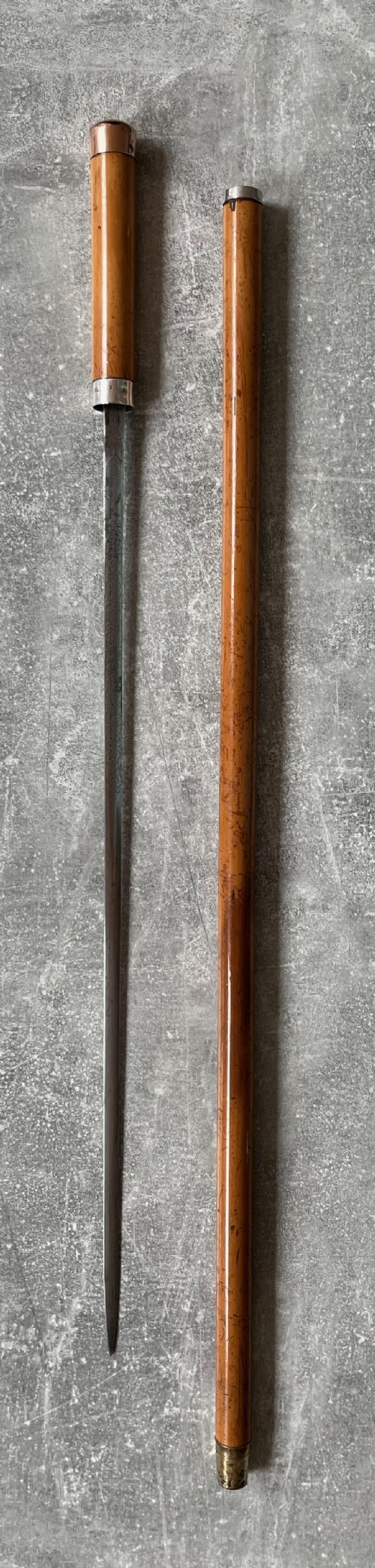
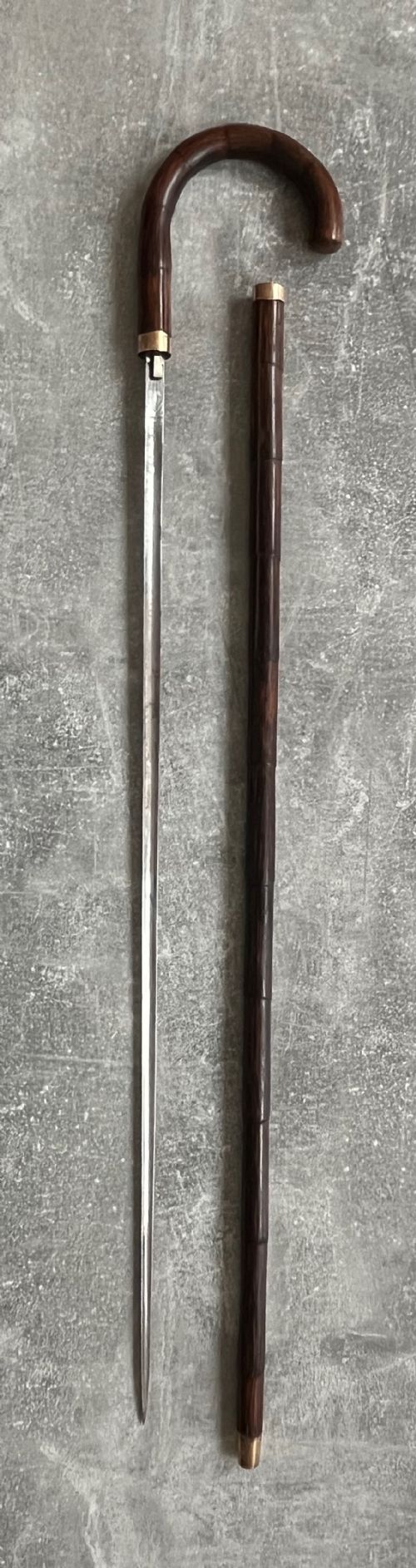
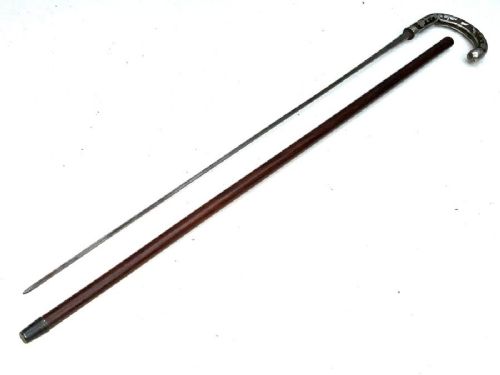
A victorian concealed sword cane combines everyday gentlemanly decorum with hidden protection, housing a steel blade within timber shafts.
Victorian Concealed Sword Cane
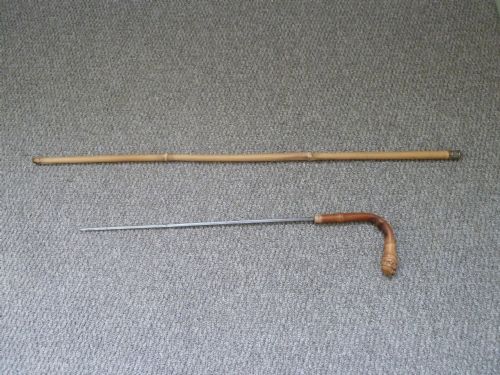
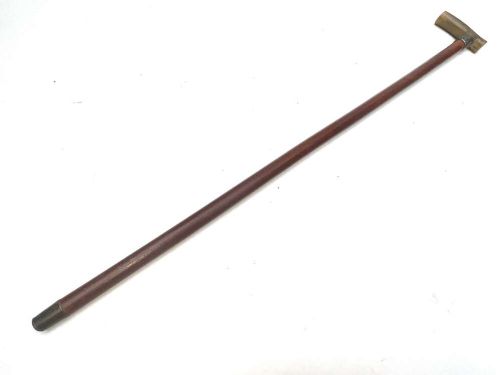
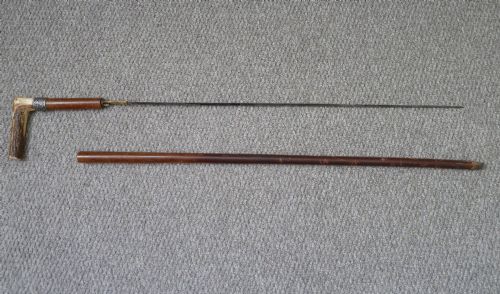
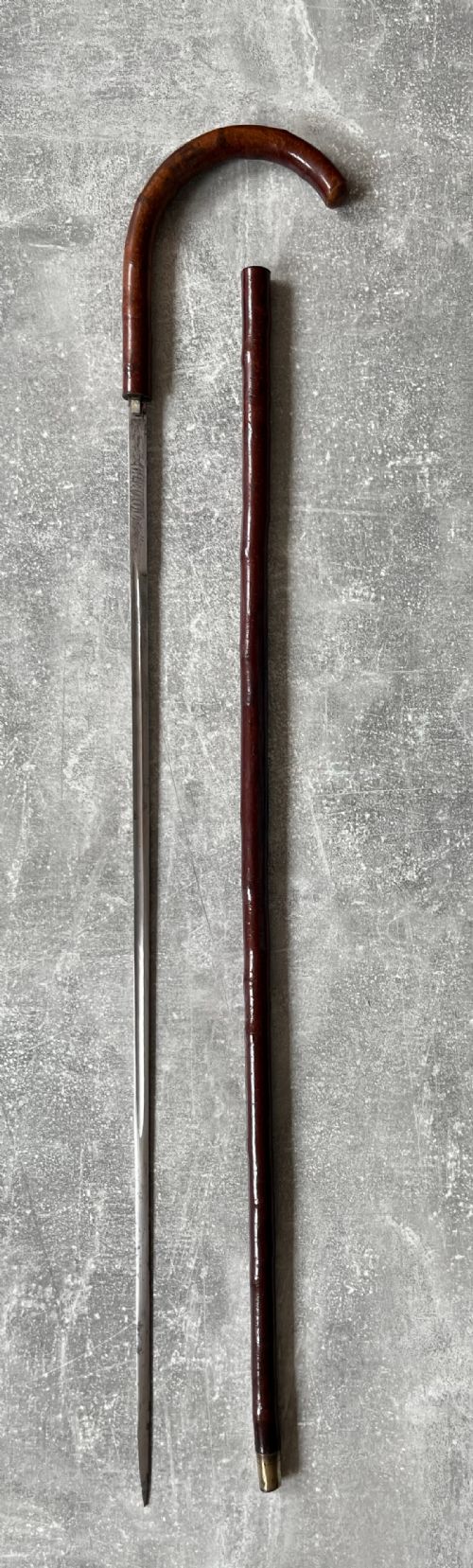
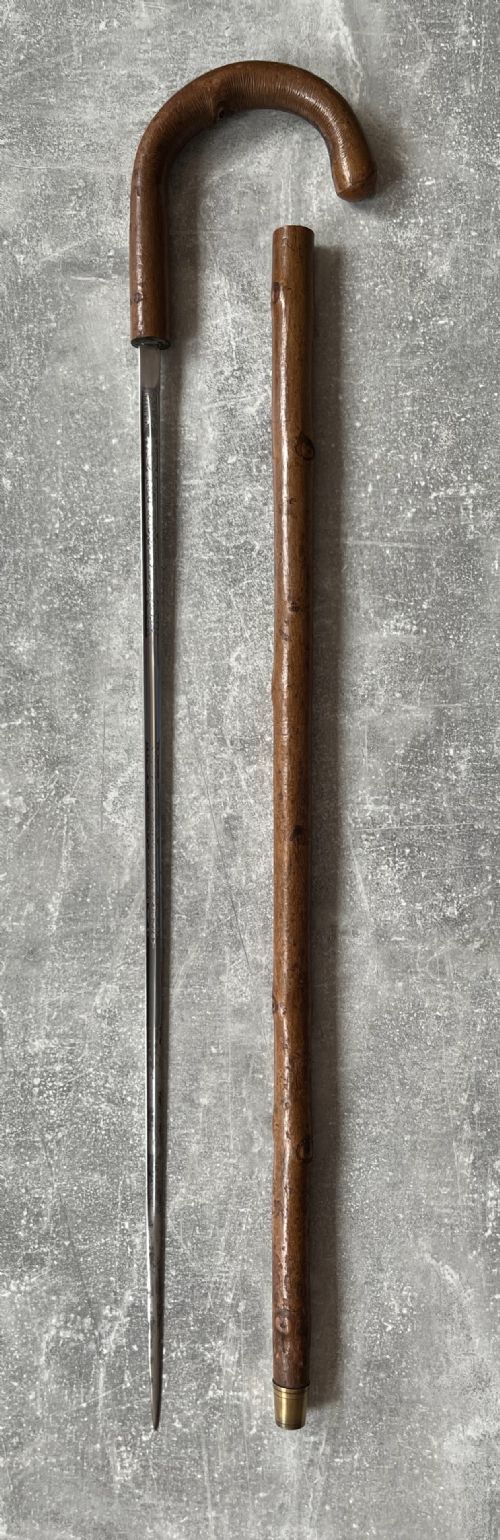
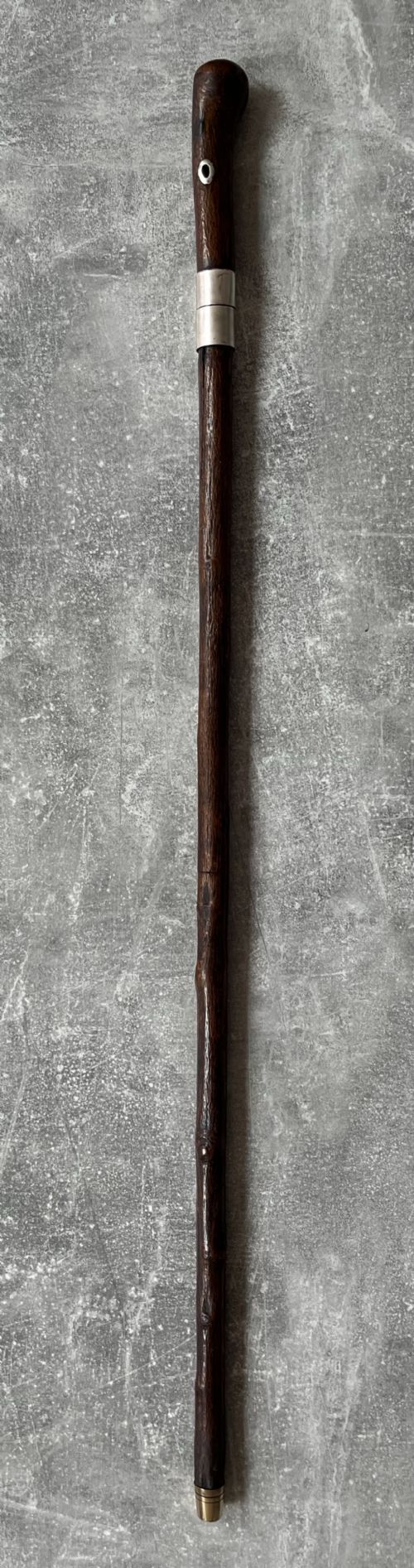
A victorian concealed sword cane appears as an ordinary walking stick, cane, or swagger stick to the casual observer, yet houses a hidden steel blade secured by a release mechanism. These pieces served gentlemen, military officers, and civilians navigating city streets during the nineteenth and early twentieth centuries.
Origins range from British makers to French workshops and Imperial German military suppliers, reflecting international demand for personal defence items disguised as gentlemanly accessories.
Materials and construction
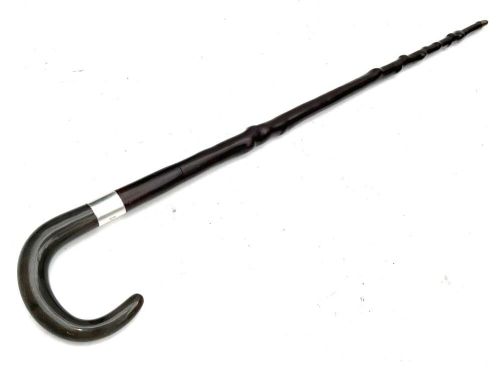
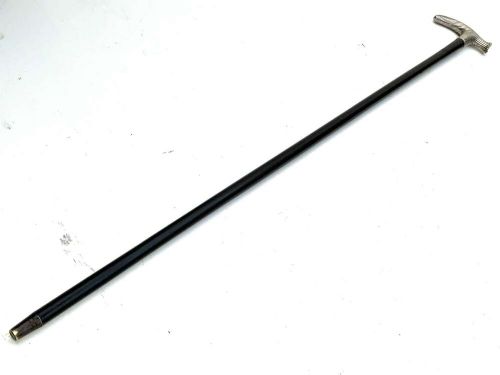
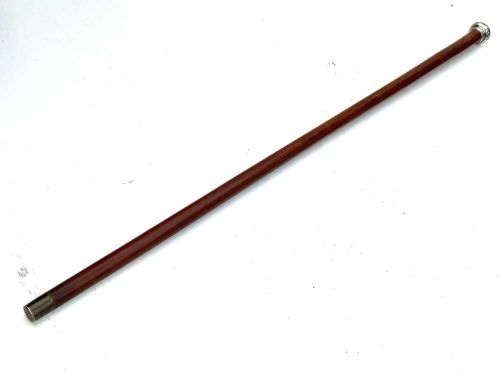
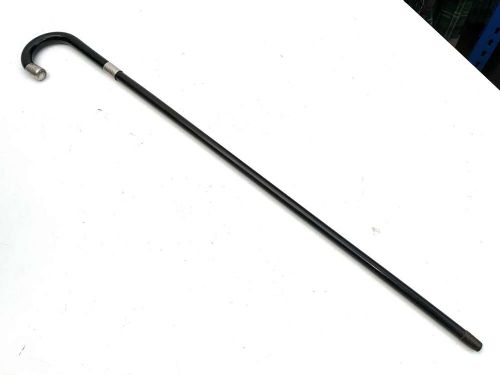
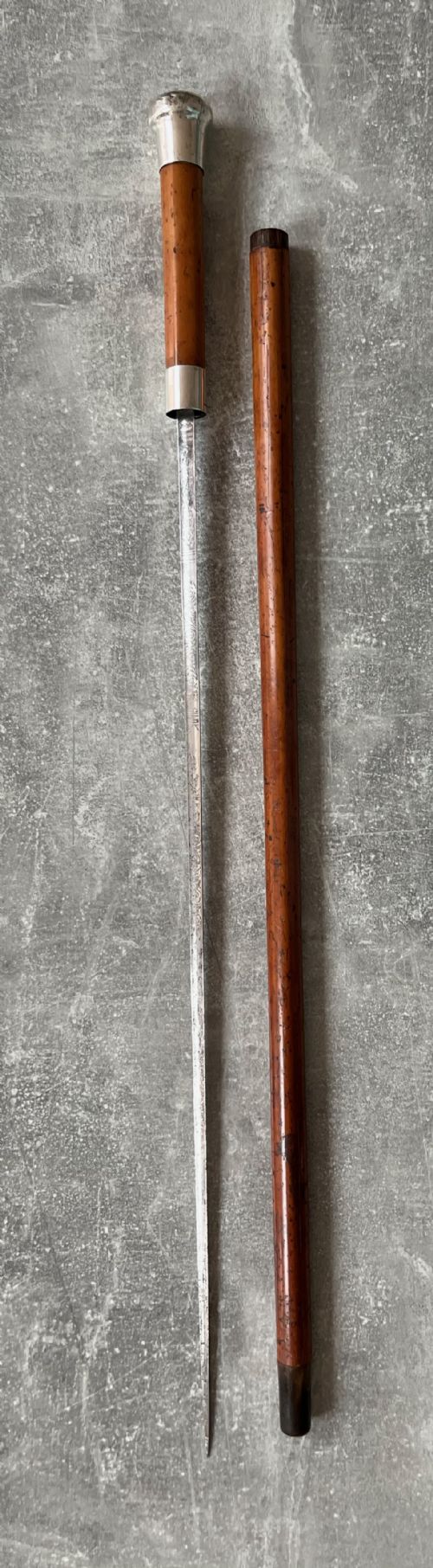
Shafts are constructed from natural woods such as malacca, partridge wood, cherrywood, hazel, bamboo, blackthorn, holly, rosewood, and ebonised wood, alongside leather-covered and faux bamboo variations. Metal components include brass, silver, and gold-plated mounts, collars, and knops, occasionally complemented by bone, horn, and Sevres porcelain.
Internal blades are forged from steel, frequently featuring Toledo production or specialised etching, and secured within the wooden shafts by mechanisms like button releases.
Victorian Concealed Sword Cane Retail Price Guide 2026
Typical asking prices for victorian concealed sword cane among the pieces listed under this phrase on Sellingantiques today, from the lower quarter to the upper quarter. They describe what is for sale here now, not the wider market.
Some gentlemen preferred a concealed weapon disguised behind delicate Sevres porcelain and gold plating, proving that afternoon tea required readiness for sudden intrigue.
Distinction and craftsmanship
The distinction between standard examples and superior specimens rests upon the execution of the handle, the quality of the blade, and the integration of the join. Finer pieces feature marked blades from renowned makers like Wilkinson alongside precious metal mounts, carved horn, root handles, or decorative porcelain knops.
Lesser examples rely on plain timber shafts and unmarked steel without supplementary ornamentation, though the mechanical precision of the concealed locking mechanism remains critical across all tiers.
Brigg·Wilkinson
The Victorian Concealed Sword Cane Glossary
- Sword stick
- A walking cane containing a concealed blade housed inside the main shaft. This dual-purpose object functioned primarily as a walking aid while providing discrete personal defence.
- Toledo blade
- A steel blade produced in the Spanish city of Toledo, celebrated for historical sword-making traditions and spring-tempered metal. These blades were often imported and mounted into British and European walking sticks.
- Malacca cane
- A durable, highly polished rattan stemming from Southeast Asia, identifiable by distinct joints along the shaft. It was favoured for walking sticks due to its strength and resilience.
- Swagger stick
- A short, light stick carried by military officers as a badge of rank, which occasionally doubled as a concealed sword stick. These items often feature military associations or regimental styling.
- Knop
- A rounded knob or decorative handle forming the top of a walking stick. Knops on sword canes frequently incorporate horn, bone, silver, or porcelain.
Victorian Concealed Sword Cane: Frequently Asked Questions
How do you open a sword cane?
Most concealed sword canes utilise a mechanical button release or a friction fit to secure the blade within the wooden shaft. Pressing the button or pulling firmly on the handle disengages the internal catch.
Once released, the steel blade slides smoothly out of the timber housing, revealing the full length of the weapon.
Who carried victorian sword sticks?
Gentlemen, civilians, and military officers carried these walking sticks during the nineteenth and early twentieth centuries. They provided an accepted means of personal protection during urban transit or travel.
Officers also utilised swagger stick versions as part of their military equipment and daily dress.
What materials are sword cane handles made from?
Handles and knops utilise a wide variety of natural and manufactured materials depending on the intended status of the piece. Common choices include horn, bone, silver, gold plating, and decorated Sevres porcelain.
Certain examples feature rustic root-ended wooden handles, crooked shafts, or hammer head grips carved directly from the timber.
Are all sword cane blades marked?
Blades vary significantly, with some bearing maker marks or etchings while others remain plain. High-quality pieces frequently display specific signatures such as Toledo or Wilkinson on the steel.
Unmarked blades are equally common on standard civilian walking sticks from the period.