

Victorian Commode Chest
A victorian commode chest offers practical bedroom storage combined with decorative presence, ranging from vernacular country pine to polished continental mahogany.
Victorian Commode Chest
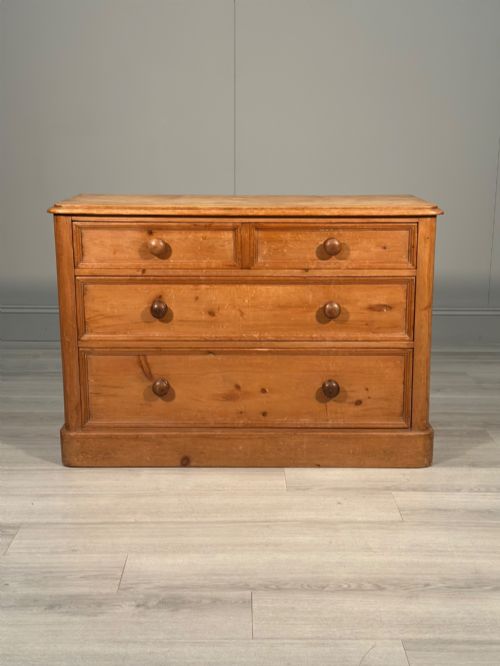
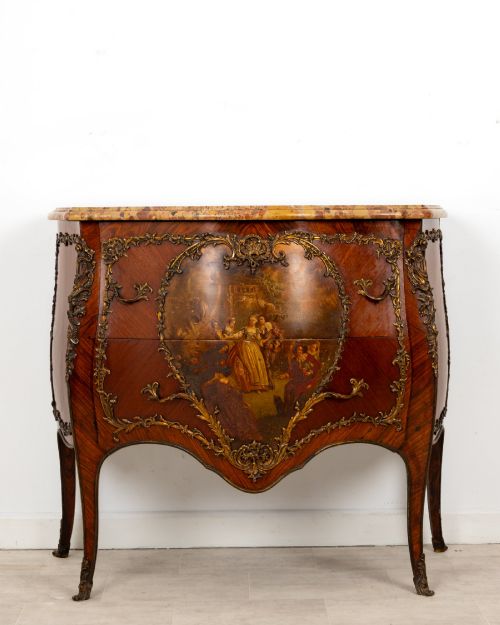
When browsing a victorian commode chest, buyers encounter a dual tradition of English drawer storage and continental commode forms dating through the nineteenth century. The selection spans robust provincial pieces and refined imported examples.
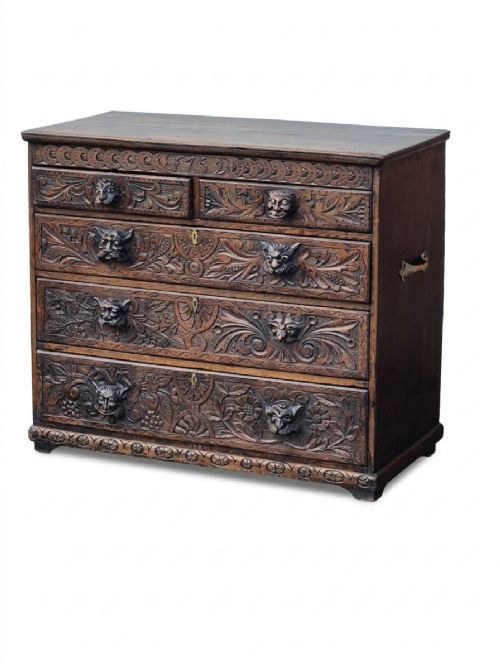
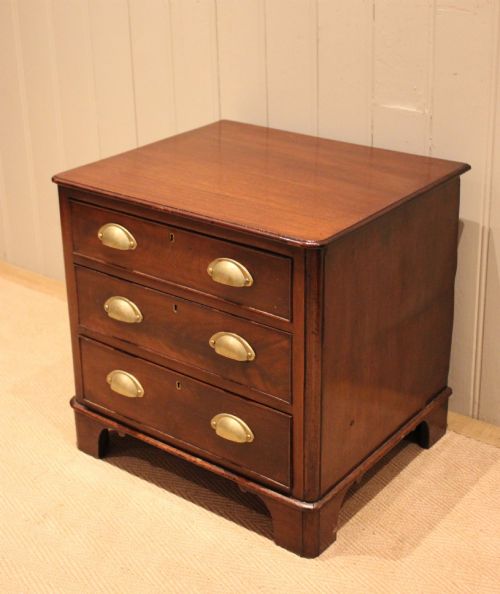
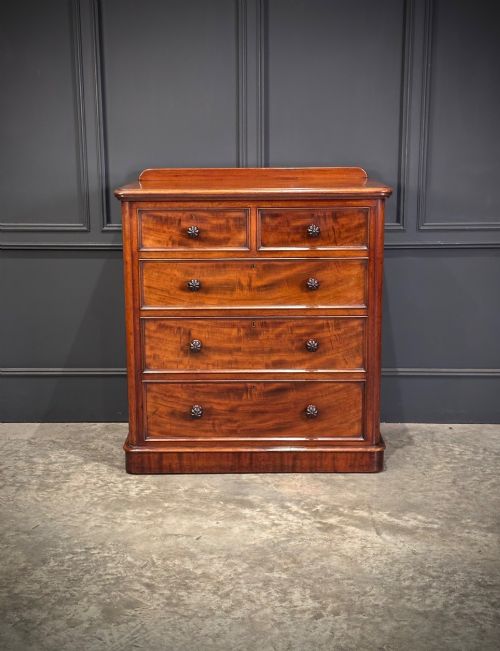
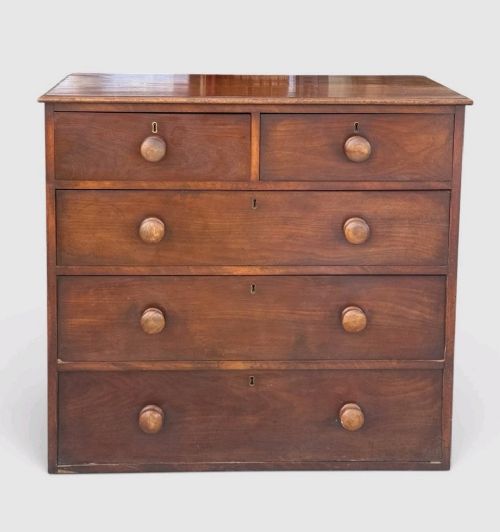
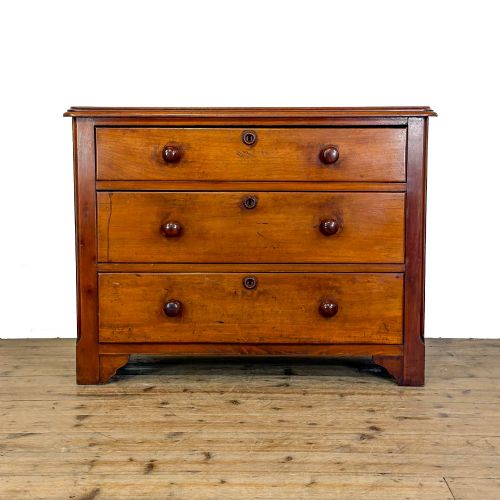
British regional pieces in pine, oak and mahogany provide utilitarian drawer capacity for domestic interiors. Alongside these sit continental interpretations featuring marble tops and parquetry surfaces.
The category bridges straightforward domestic furniture and decorative reception room pieces designed to command attention in a hallway or bedroom.
Materials and Construction
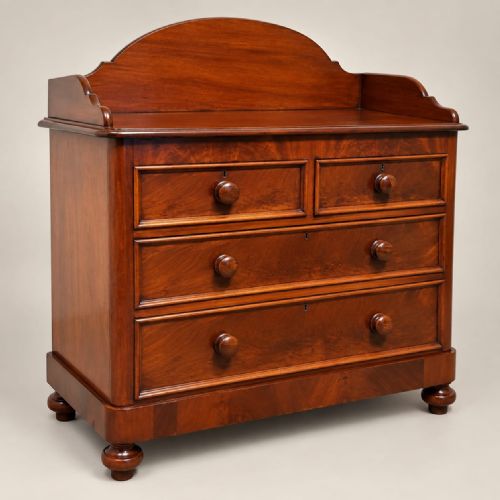
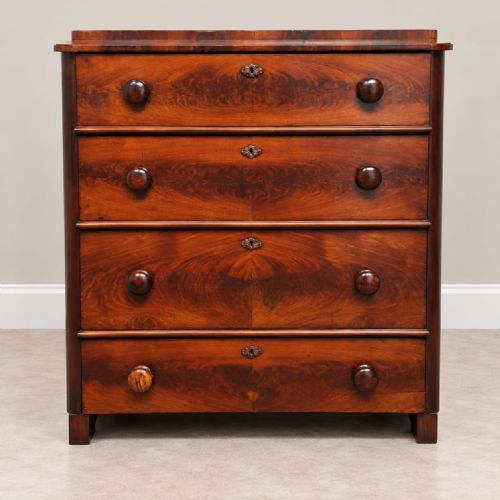
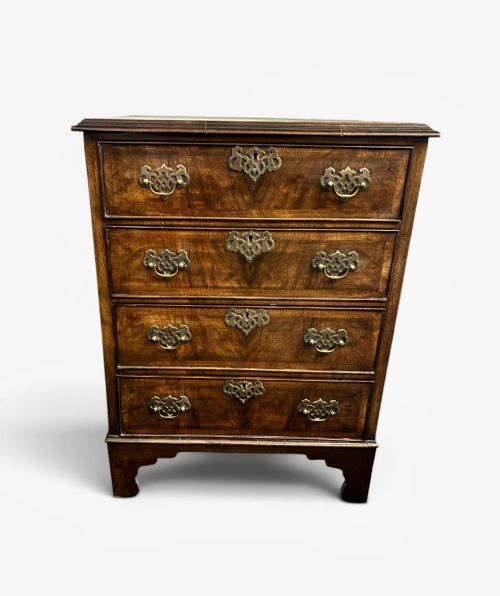
Cabinetmakers utilised solid timbers such as mahogany, oak and pine for structural carcases, frequently applying flame veneer or marquetry to display grain patterns. Brass hardware and turned wooden bun handles secure the drawer fronts.
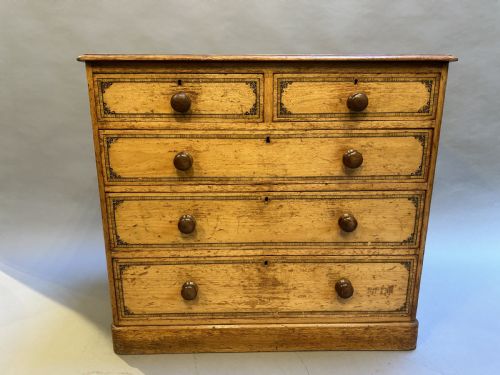
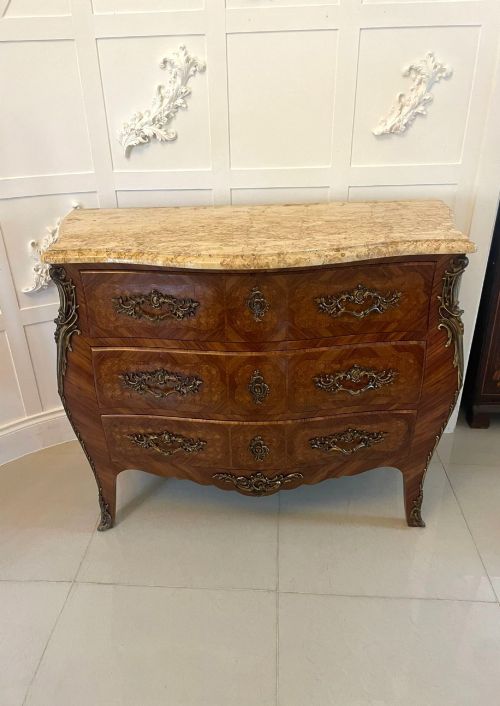
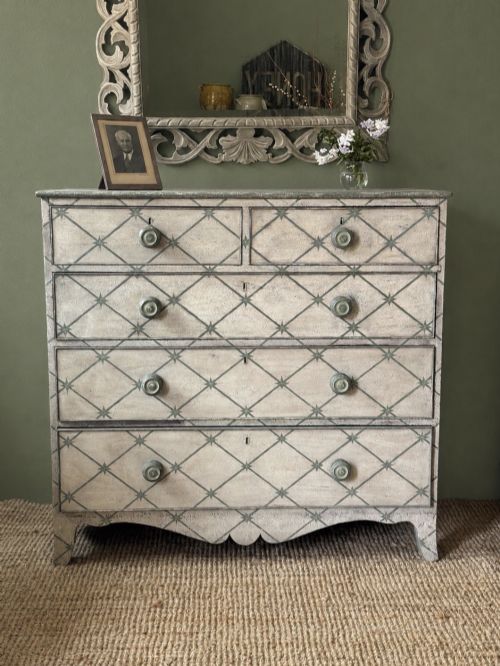
Continental models incorporate heavy marble slabs and cast bronze mounts, while vernacular pine examples rely on simple waxed finishes and stencilled decoration. Drawer frames employ traditional dovetailed joints to withstand daily use.
Listings feature mahogany, pine, oak and exotic veneers alongside marble and brass.
Evaluating Execution
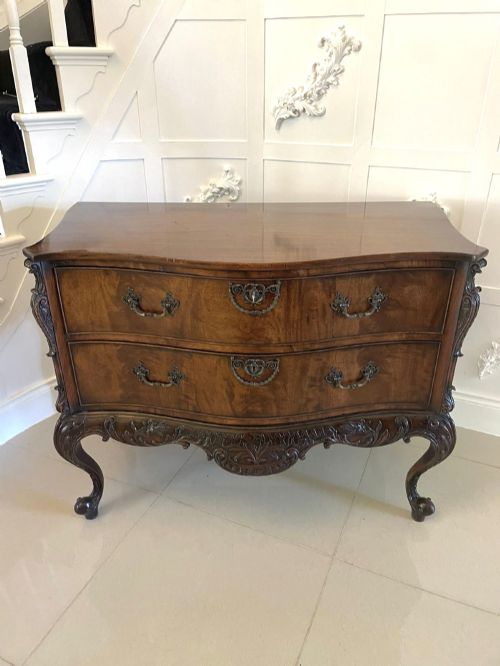
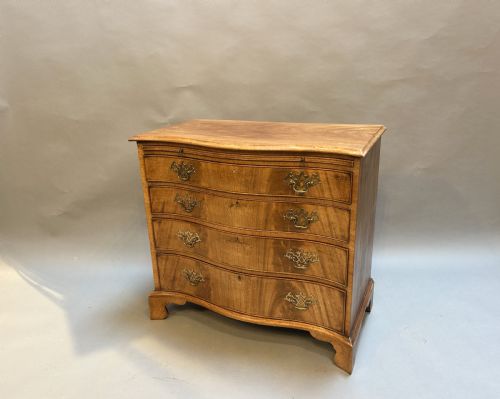
Quality rests in the selection of timber figures, such as figured mahogany or kingwood, and the precision of the parquetry inlay. Superior examples demonstrate fluid serpentine contours and tight cabinet joints.
Secondary elements like the thickness of the marble top, the weight of bronze mounts and the integrity of internal drawer linings separate standard utility pieces from high-status salon furniture.
Heal and Son·Gillows
The Victorian Commode Chest Glossary
- Commode
- A low cabinet or chest of drawers designed for domestic storage, often featuring a marble top in continental examples.
- Serpentine
- A furniture front curving outward at the centre and inward at the sides, creating a dynamic silhouette.
- Parquetry
- Geometric patterns of wood veneer laid down to form a decorative mosaic surface on cabinet fronts.
- Marquetry
- Inlaid woodwork forming pictorial or decorative designs using various tinted veneers and natural materials.
- Ormolu
- Gilt-bronze mounts applied as decorative ornaments to the corners and feet of fine nineteenth century cabinets.
Victorian Commode Chest: Frequently Asked Questions
How do I clean a marble top?
Use a soft cloth dampened with warm water and mild soap, avoiding acidic cleaning products that etch the polished stone surface.
Dry the marble thoroughly afterwards to prevent water marks from settling into the porous material.
Where should I place a commode chest?
These pieces function well in bedrooms for clothing storage or in hallways as a statement surface beneath a mirror.
Ensure the floor is level, particularly with heavier marble-topped models, to prevent structural strain on the timber joints.
Are these drawers suitable for daily use?
Nineteenth century drawer construction is robust and intended for practical storage, provided the runners are kept clean and lightly waxed.
Opening drawers evenly from the centre prevents jamming and protects the original dovetail joinery from undue stress.
How can I tell English from continental pieces?
English examples typically utilise solid mahogany, oak or pine with straightforward drawer configurations and minimal external metalwork.
Continental pieces frequently combine kingwood veneer, parquetry patterns, heavy marble slabs and cast bronze mounts.