


Victorian Cityscape Art
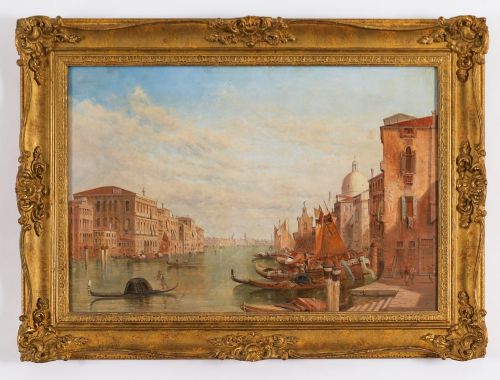
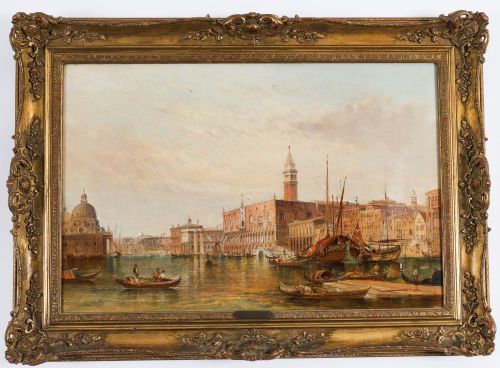
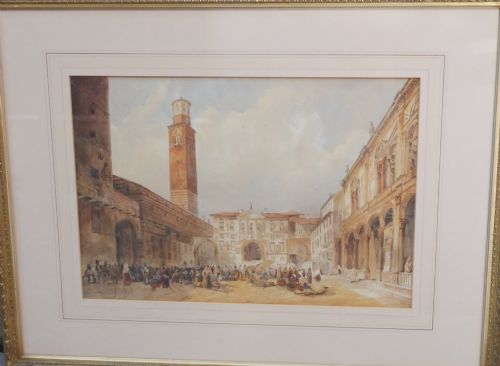
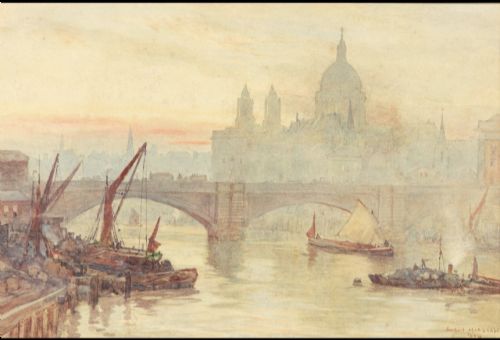
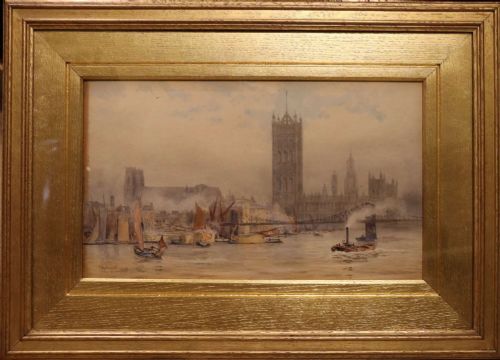
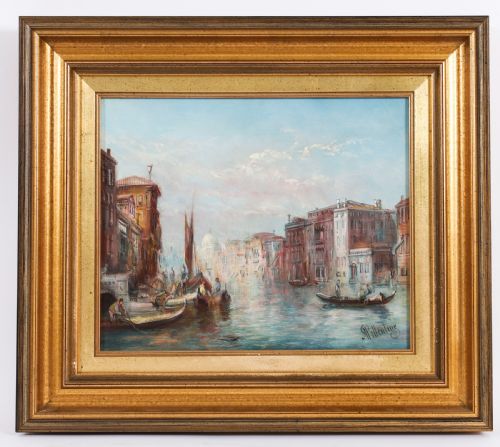
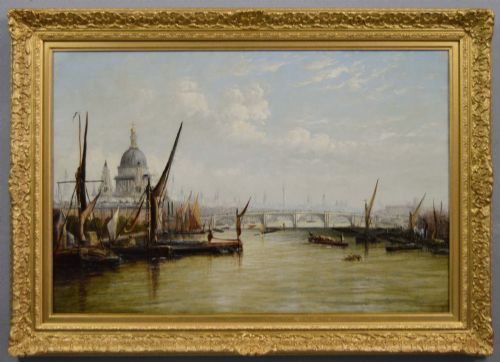
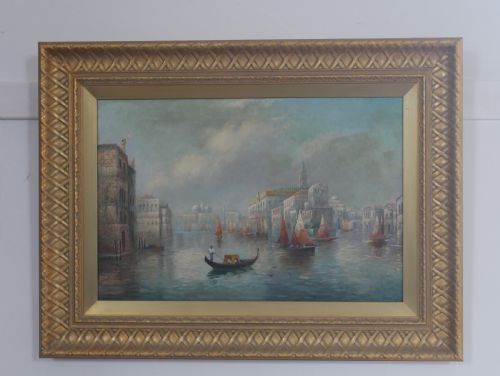
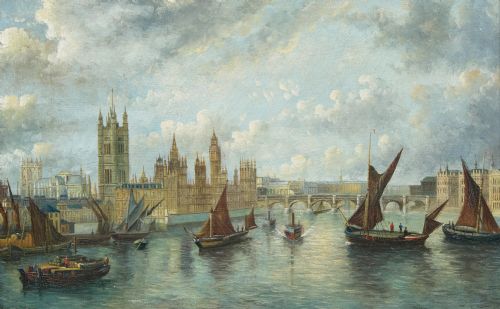
Victorian cityscape art captures the bustling canals of Venice, the banks of the Thames, and crowded continental streets through the eyes of nineteenth-century painters.
Victorian Cityscape Art
Victorian cityscape art presents urban views from the nineteenth century, focusing heavily on grand canals, iconic London landmarks, and continental street scenes.
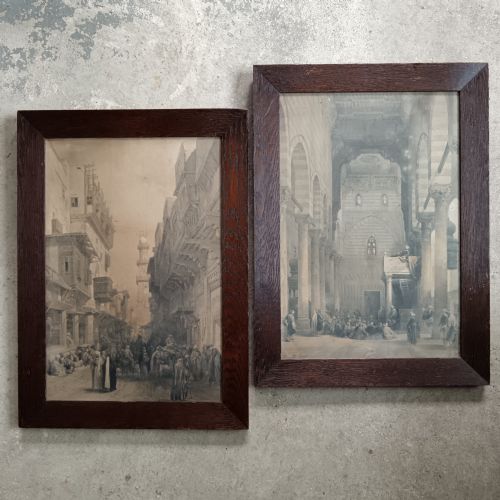
A buyer seeking this phrase encounters oil paintings on canvas or board, watercolours on paper, and framed prints depicting recognisable cities like Venice, London, Edinburgh, and Bruges.
The material spans works from the 1870s, 1880s, and 1890s through to the Edwardian period, capturing busy harbours, architectural facades, and river traffic.
Materials and construction methods
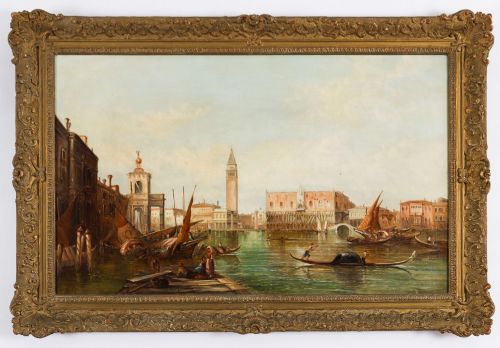
Painters utilised oil on canvas or board to build luminous layers of pigment, particularly when rendering the shifting light on Venetian canals or the hazy atmosphere of the River Thames.
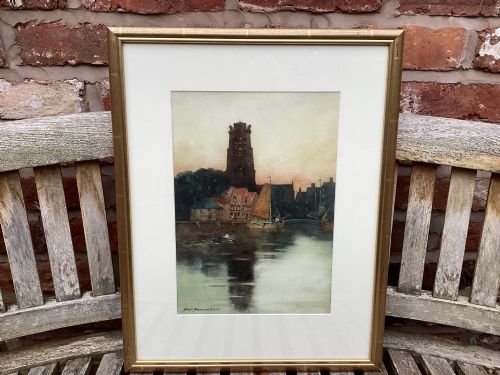
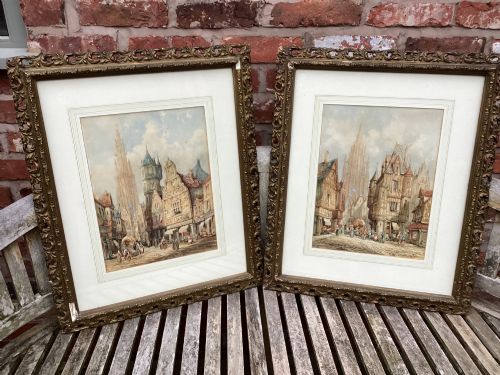
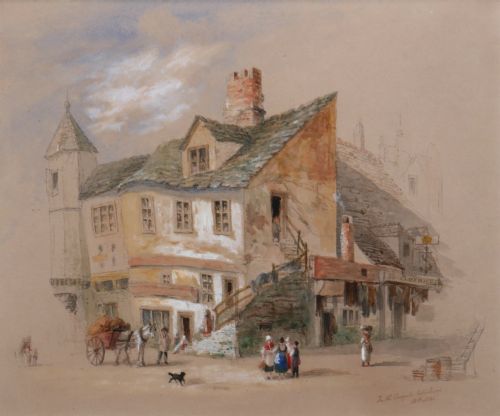
Watercolour on paper enabled artists to capture swift impressions of street scenes and architectural views, often preserved within period frames of giltwood or wood.
Victorian Cityscape Art Retail Price Guide 2026
Typical asking prices for victorian cityscape art among the pieces listed under this phrase on Sellingantiques today, from the lower quarter to the upper quarter. They describe what is for sale here now, not the wider market.
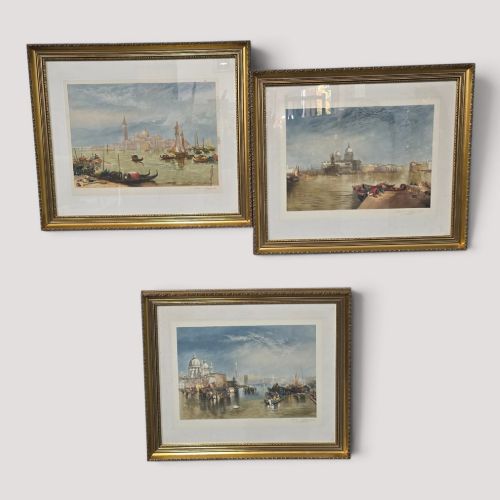
Listings feature works created across the nineteenth and early twentieth centuries, utilising oil on canvas, watercolour, and hand-coloured etching.
Distinctions in quality
Quality rests upon the artist's command of perspective, the precision of architectural rendering, and the handling of atmospheric light across water and stone.
Works by recognised nineteenth-century topographical and marine painters display superior brushwork and compositional depth compared to anonymous commercial studio pieces.
Alfred Pollentine·Louis Haghe·Thomas Fenwick·Herbert Menzies Marshall·Francis Moltino·Cornelis Christian Dommersen·Frederick Tully Lott·William George Meadows·Lewis J Wood·William Raymond Dommersen·Jane Vivian·David Small·Walter Duncan·David Law·Henry Wimbush·William A Macdonald
The Victorian Cityscape Art Glossary
- Oil on canvas
- Pigment suspended in drying oil applied to a stretched woven fabric support. This traditional medium allows for rich colour blending and textured surfaces.
- Watercolour
- A paint consisting of water-soluble pigments on paper. Artists utilise this medium for translucent washes and delicate detail.
- Giltwood
- Wood carved and coated with a thin layer of gold leaf. This material frequently frames nineteenth-century paintings.
- Topographical art
- Accurate depictions of specific places, buildings, or landscapes. These works serve as visual records of historic urban environments.
Victorian Cityscape Art: Frequently Asked Questions
What subjects appear in Victorian cityscape art?
These works primarily feature urban rivers, bustling harbours, and famous monuments such as the Doge's Palace in Venice, St Paul's Cathedral, and the Houses of Parliament along the Thames.
Artists also documented busy continental street scenes, architectural facades, and historic bridges from the nineteenth century.
How do I care for these paintings?
Keep works on paper and canvas away from direct sunlight to prevent the fading of watercolours and the yellowing of old varnish on oil paintings.
Maintain a stable room temperature and avoid hanging them in damp spaces like kitchens or unheated rooms.
Are these works dated?
Many pieces carry contemporary signatures, monograms, or dates inscribed directly by the artist onto the canvas or paper surface. Supporting documentation or framing often helps confirm the period of creation.
Works span the nineteenth century and extend into the early Edwardian era, reflecting changing urban landscapes.
What mediums were used?
Painters employed oil on canvas or board to achieve deep tones and textured brushwork, particularly suited to maritime and architectural views.
Watercolour on paper was equally popular for capturing lighter, immediate impressions of city streets and river scenes.