






Victorian Church Panel
A victorian church panel brings ecclesiastical architecture and timber craft straight into domestic interiors.
Victorian Church Panel
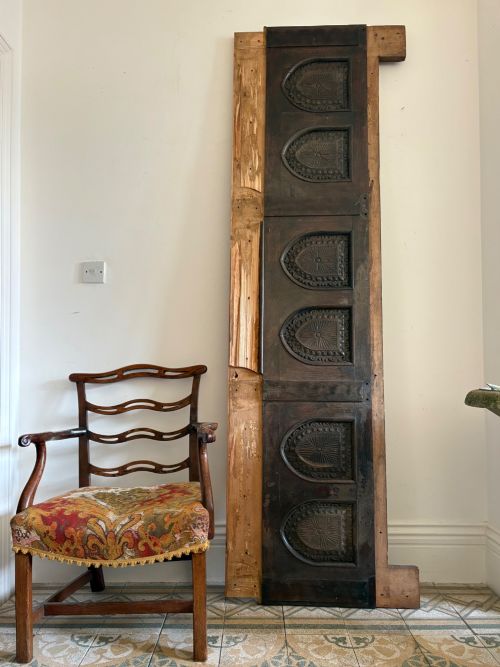
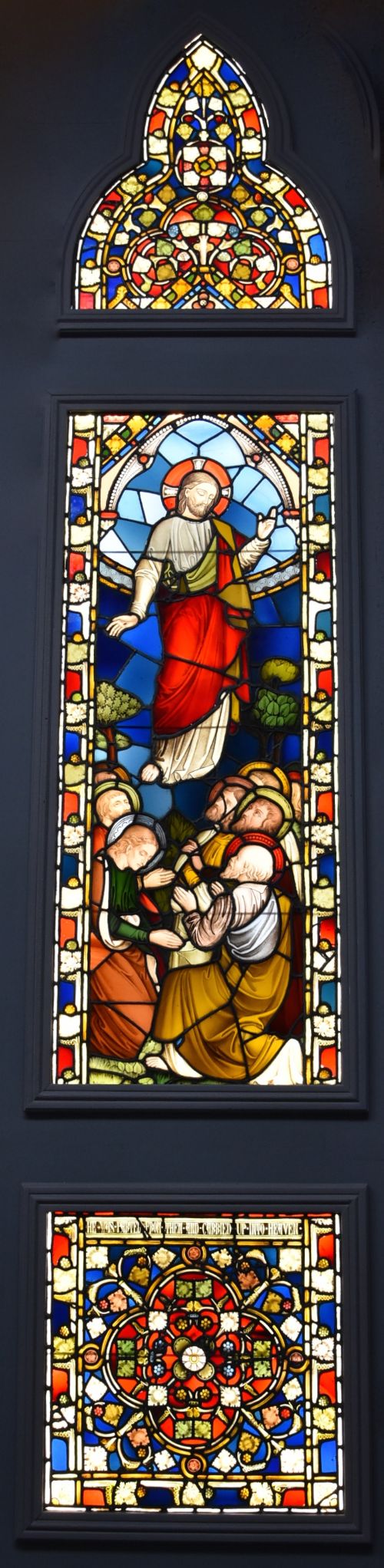
When searching for a victorian church panel, buyers encounter architectural salvage originating from ecclesiastical buildings of the nineteenth century and the early twentieth century. These pieces encompass carved pine and oak panels bearing Gothic tracery, alongside stained glass windows and painted religious texts.
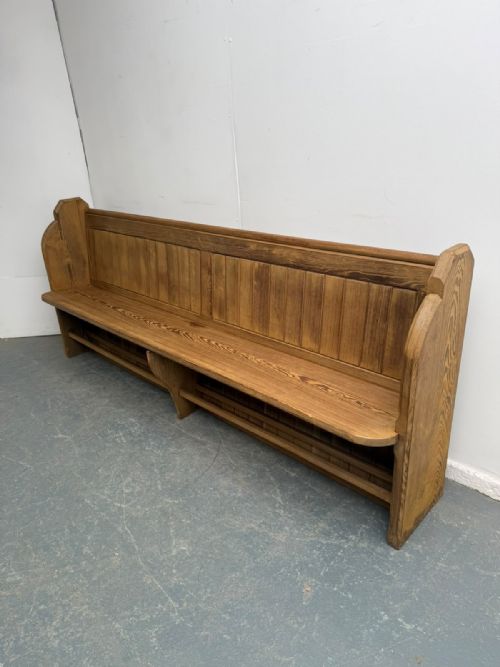
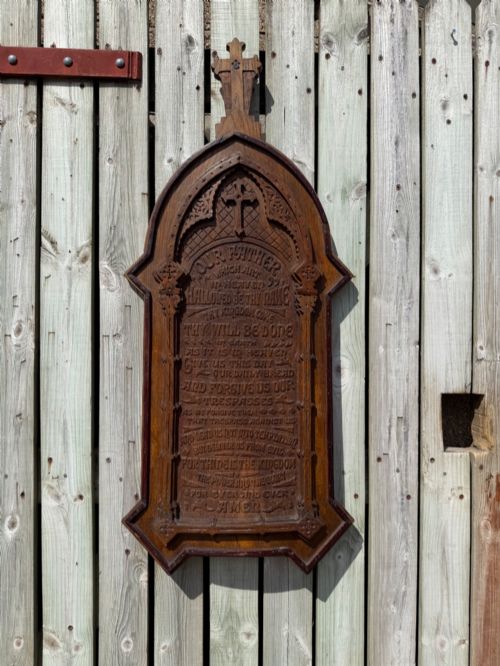
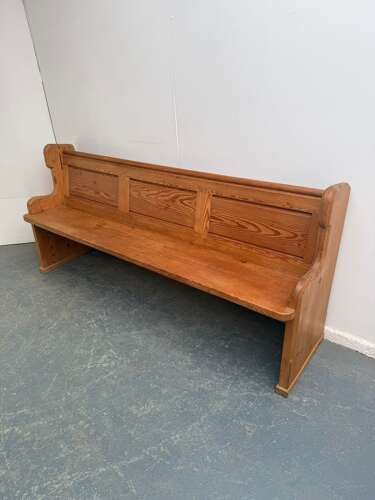
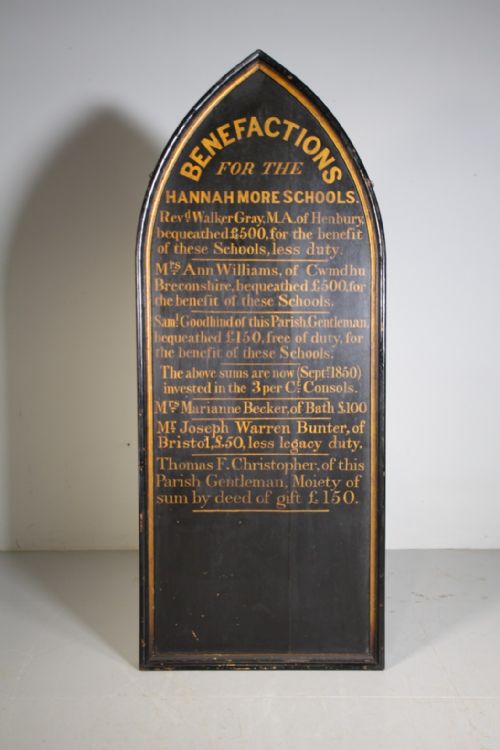
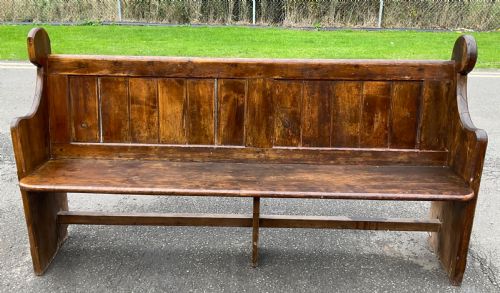
The selections on this page draw from periods spanning the mid nineteenth century to nineteen ten, incorporating styles from Gothic Revival to rustic country vernacular. Alongside actual wall panels, listings frequently include related ecclesiastical forms such as chapel pews, hall chairs, vestibule screens, and memorial plaques.
Buyers often select these architectural elements to introduce verticality, texture, and historical weight into domestic spaces. The wood and glass components carry the direct marks of nineteenth century ecclesiastical use.
Materials and Craftsmanship
Makers utilised dense timbers such as oak and pitch pine, shaping them with hand and machine tools to form heavy architectural frames and seating. Carved pine and oak panels display intricate Gothic tracery executed with deep relief and geometric precision.
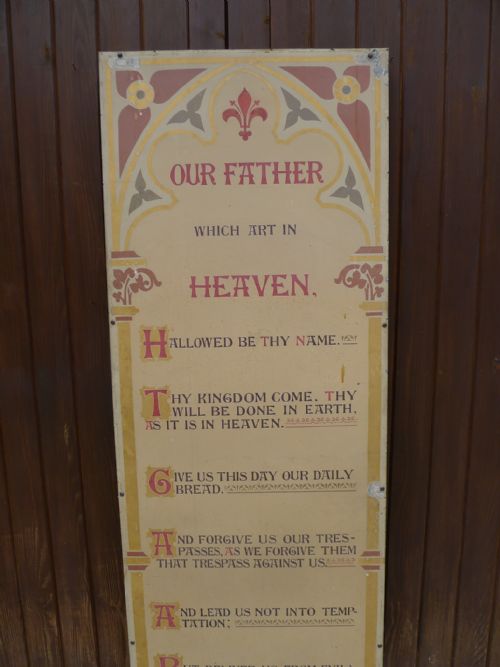
Stained glass and leaded glass elements incorporate painted scenes and religious texts held together by lead cames. Painted wood signs and wall mounted illuminated texts utilise applied paint layers directly onto timber boards.
Victorian Church Panel Retail Price Guide 2026
Typical asking prices for victorian church panel among the pieces listed under this phrase on Sellingantiques today, from the lower quarter to the upper quarter. They describe what is for sale here now, not the wider market.
Object types span architectural salvage, chapel pews, stained glass triptychs, hall chairs, and wall mounted religious texts from tin tabernacles.
Evaluating Quality and Character
The distinction between examples rests upon the depth and complexity of the wood carving, particularly the execution of Gothic tracery on oak and pine. Panels featuring crisp, high relief chisel work demonstrate superior workshop execution compared to simpler, flat boards.
Preservation of original finishes, leadwork integrity, and hand painted details dictate the standing of glass panels and textual wall plaques. Pieces retaining intact nineteenth century painted surfaces and sound lead cames hold greater material authenticity.
The Victorian Church Panel Glossary
- Gothic Revival
- A nineteenth century design movement reviving medieval architectural forms. This style appears frequently in pointed arches and window tracery.
- Tracery
- The stonework or timber framework supporting glass in a window, adapted here as decorative wood carving. It defines the geometric patterns seen across many panels.
- Stained Glass
- Glass coloured by the addition of metallic oxides during its manufacture. Pieces are assembled with lead cames to form pictorial windows.
- Pitch Pine
- A durable resinous pine species utilised heavily for nineteenth century pews and architectural woodwork. It provides strong grain patterns and structural resilience.
- Ecclesiastical
- Relating to the Christian Church or its clergy. This term describes items originally manufactured for use within religious buildings.
Victorian Church Panel: Frequently Asked Questions
How do I hang a heavy wooden panel?
Heavy architectural timber panels require direct fixing into masonry walls or structural wall studs using appropriate steel brackets. Weight distribution must be calculated carefully before mounting.
Professional installation is recommended for large oak or pine architectural fragments to ensure secure wall attachment.
Are these panels salvaged from real churches?
The pieces originate from nineteenth century ecclesiastical settings, including chapels, churches, and tin tabernacles. Salvage operations recover these architectural elements during building renovations.
Each item carries the physical wear and patina accumulated through decades of religious use.
How should I clean antique stained glass?
Stained glass panels require gentle cleaning with a soft cloth and mild soap solution to protect delicate painted surfaces and aged lead. Abrasive cleaners must be avoided entirely.
Inspect the lead cames periodically to ensure the glass sections remain stable within their frames.
What is a tin tabernacle panel?
Tin tabernacles were prefabricated corrugated iron churches erected rapidly during the nineteenth century. Interior walls often featured mounted painted religious texts on timber boards.
These painted panels served instructional and decorative purposes within nonconformist and mission chapels.