






Victorian China Dish
A victorian china dish brings the intricate hand-painted botanicals and transfer-printed landscapes of the nineteenth century straight to the table.
Victorian China Dish
When searching for a victorian china dish, collectors encounter a diverse range of ceramic objects spanning decorative plates, cabinet plates, serving platters, soup tureens, and sauce tureens. These pieces originate from major nineteenth-century English potteries and continental makers, reflecting shifting domestic dining habits.
While many items bear direct attribution to the Victorian era, the selection also incorporates pieces from adjacent Georgian, Regency, and early twentieth-century periods. Serving platters and tureens dominate the utilitarian side of the range, whereas cabinet plates and decorative dishes represent the ornamental output.
Materials and Methods
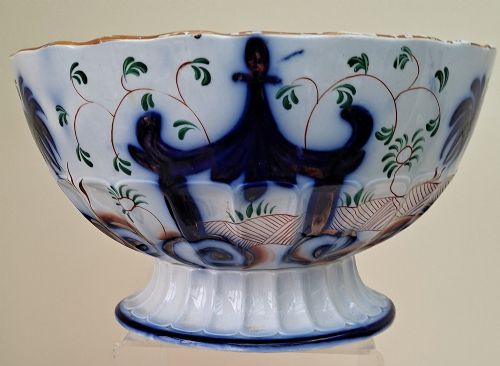
Potters of the period utilised bone china, earthenware, ironstone, and standard ceramic bodies, shaping them into plates, platters, and tureens before applying detailed glazes. Cobalt blue transfer printing allowed for complex architectural and pastoral scenes to be mechanically transferred onto the clay surface.
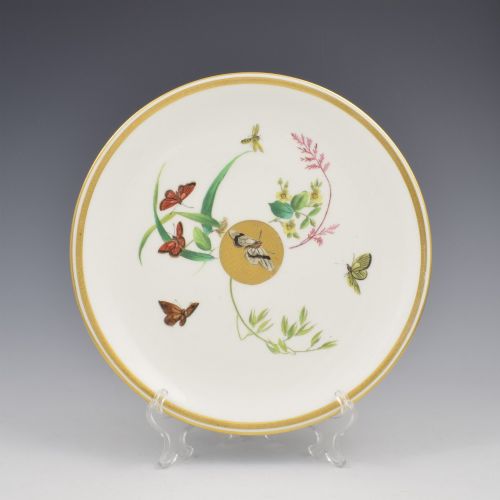
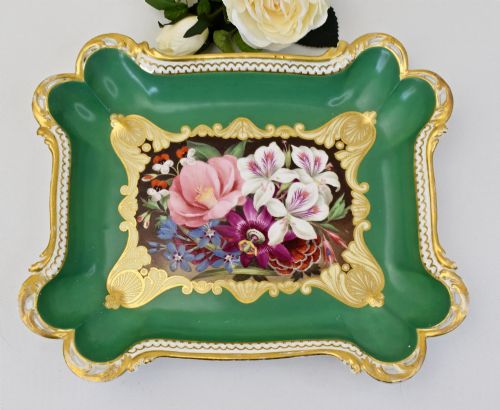
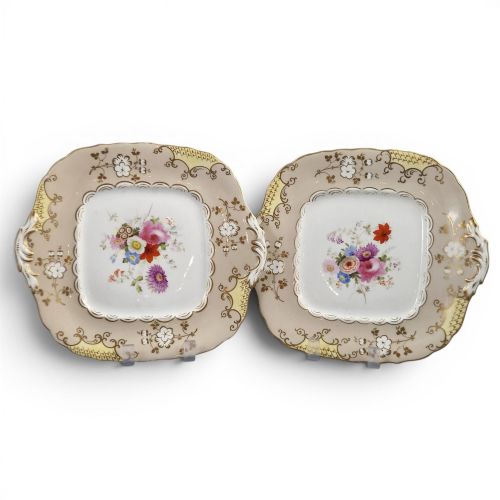
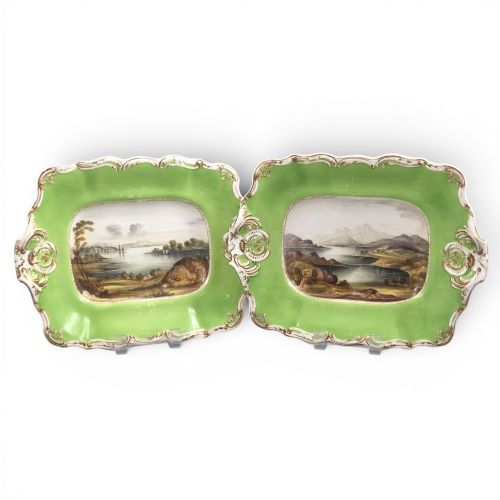
Hand-painting remained essential for fine cabinet plates, incorporating polychrome enamels, gold leaf, and gilt highlights over fired porcelain. Specialised moulding techniques created basketweave textures, lobed rims, and relief-moulded tureen handles characteristic of the prevailing styles.
Victorian China Dish Retail Price Guide 2026
Typical asking prices for victorian china dish among the pieces listed under this phrase on Sellingantiques today, from the lower quarter to the upper quarter. They describe what is for sale here now, not the wider market.
Design styles include Rococo Revival, Aesthetic Movement, and Victorian Chinoiserie.
Distinctions in Quality
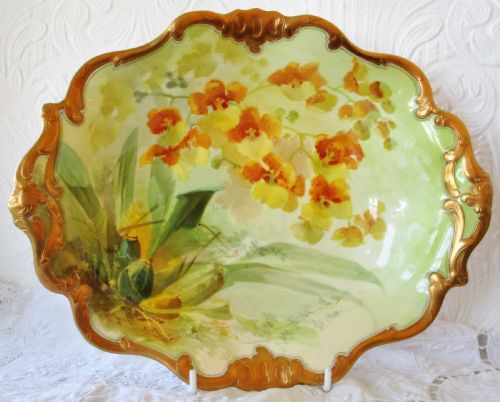
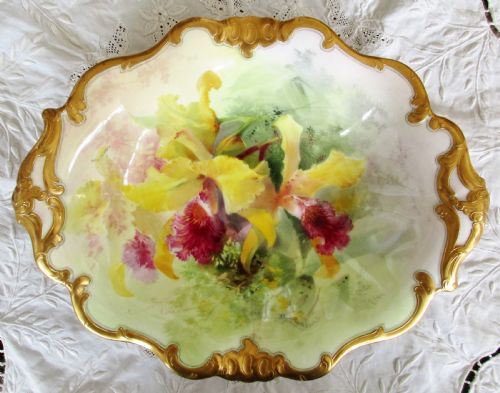
The standard of a victorian china dish rests upon the precision of its hand-painted details and the clarity of its transfer-printed motifs. Pieces featuring artist-painted studies of orchids, landscapes, or classical figures command attention through their artistic execution.
The application of gold leaf and the crispness of moulded relief work, such as basketweave patterns or rococo scrolls, separate standard utilitarian wares from superior cabinet displays. Preservation of the enamel colours and the underlying glaze integrity dictate the overall merit of each ceramic object.
Royal Crown Derby·Coalport·Davenport·Minton·Royal Doulton·Copeland and Garrett·Doe and Rogers·Pucher Deroche·Doulton Burslem·Mason·Royal Worcester·Kornilov Brothers
The Victorian China Dish Glossary
- Bone china
- A type of porcelain incorporating animal bone ash, producing a strong, milky-white body suited to delicate forms.
- Transfer printing
- A mechanical method of applying complex designs to ceramics by transferring engraved images via tissue paper from a copper plate.
- Ironstone
- A heavy, durable earthenware patented by Mason, designed to imitate Chinese porcelain while offering practical household utility.
- Cabinet plate
- An ornamental ceramic plate intended for display in a cabinet or on a wall rather than for practical dining use.
- Tazza
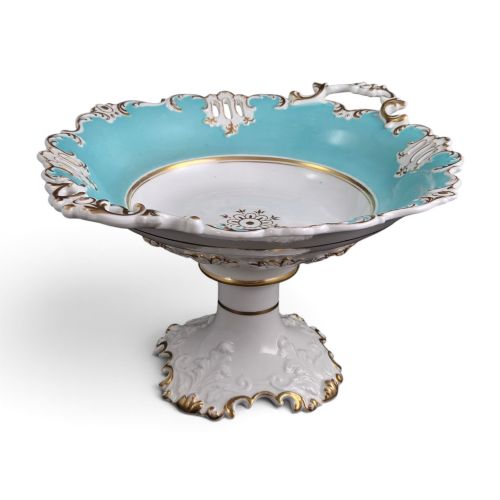
- A shallow bowl or saucer raised on a pillar and foot, typically used for serving fruit or sweets in nineteenth-century settings.
- Comport
- A decorative stand or pedestal dish placed centrally on a dining table to hold fruit or small confections.
Victorian China Dish: Frequently Asked Questions
How were tureens used?
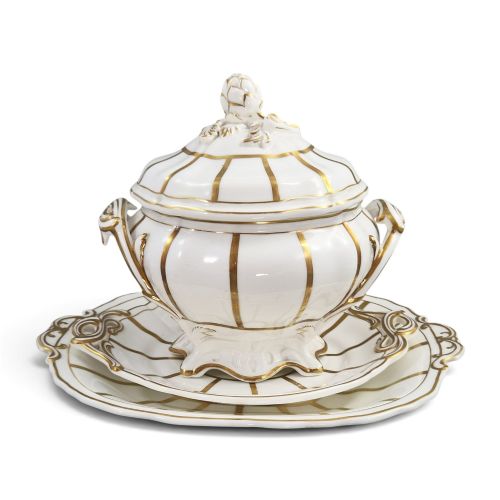
Sauce and soup tureens served liquids and gravies at formal dining tables, keeping contents warm with matching fitted lids. Ladles accompanied them for clean distribution onto individual plates.
In daily Victorian service, these lidded vessels sat centrally among larger meat platters as part of a coordinated dining table arrangement.
Are cabinet plates functional?
Cabinet plates were primarily intended for decorative display in parlours and drawing rooms rather than for holding food. Their elaborate gilding and hand-painted scenes made them susceptible to surface wear.
Collectors generally mount or stand these pieces on shelves to preserve delicate enamelwork and gold leaf details.
What is Imari style?
Imari decoration replicates traditional Japanese export porcelain aesthetics through a distinct palette of cobalt blue, iron red, and heavy gold. Victorian potteries adopted these bold patterns for decorative dishes and plates.
This stylistic influence reflects nineteenth-century enthusiasm for global design elements within British domestic interiors.
How do I identify transferware?
Transferware displays crisp, repeating lines applied through inked paper rather than brushstrokes. Blue and white landscapes or pastoral scenes are the most common expressions of this technique.
Examining the surface under magnification reveals the fine dot matrix or stipple pattern characteristic of nineteenth-century transfer printing.