



Victorian Child High Chair
A victorian child high chair combines domestic history with vernacular craft, offering sturdy seating designed for the nursery.
Victorian Child High Chair
The objects recorded here include highchairs, metamorphic chairs that convert for lower seating, and correction chairs intended for posture. Elm, ash, walnut, and mahogany dominate the forms, reflecting both urban cabinetmakers and rural chair bodgers.
Buyers encounter everything from turned bobbin legs and cane seats to simple Windsor hoopbacks and rustic folk art pieces. The selection spans the nineteenth century, including Georgian precursors and Regency variants.
Materials and construction
Makers utilised a mix of native hardwoods and imported timbers, pairing elm and ash for country vernacular frames with mahogany and walnut for formal parlour seating. Turning lathes shaped spindles and legs, while steam bending formed curved Windsor backs and hoops.
Seating surfaces frequently incorporated woven cane, rush, or leather upholstery, alongside solid timber boards and bergere panels. Joinery relied on traditional pegging and mortise and tenon construction to withstand the active use of a child.
Several examples incorporate miniature footrests, ensuring tiny Victorians did not have to dangle their legs while supervising tea time.
Understanding quality
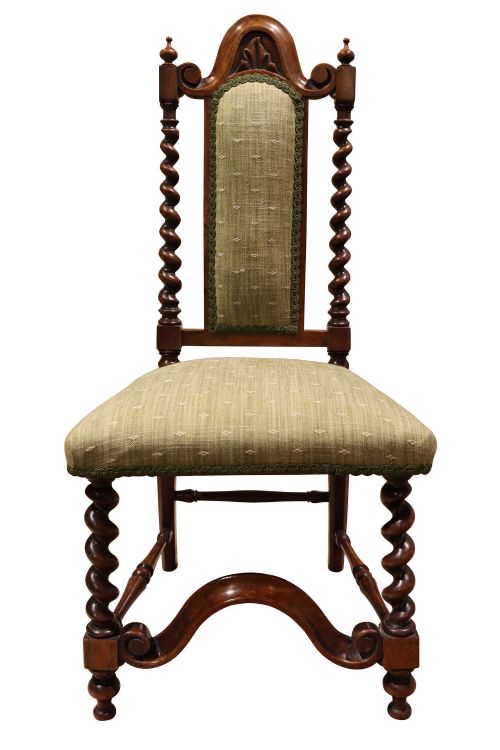
The distinction between standard utility seating and finer examples lies in the selection of timber and the sophistication of the turnings. Elaborate barley twist supports, ebonised finishes, and secondary woods like yew elevate certain pieces above plain utilitarian workshop output.
Original mechanisms in metamorphic designs and intact woven cane panels distinguish superior survivals from heavily altered or later reconstructed pieces. The integrity of the frame and the retention of original surface patination dictate the standing of each chair.
The Victorian Child High Chair Glossary
- Metamorphic chair
- A dual-purpose piece designed to transform from a high chair into a low seat or stroller table. These clever items utilised hinges or pivoting frames to alter the height.
- Windsor
- A traditional chair construction method where legs and spindles are fitted directly into a solid sculpted wooden seat. This vernacular style provided exceptional structural stability.
- Bergere
- A type of woven cane panel work used for seats and backs, often seen in refined Victorian seating. It offered flexible support and a lighter visual weight.
- Bobbin turned
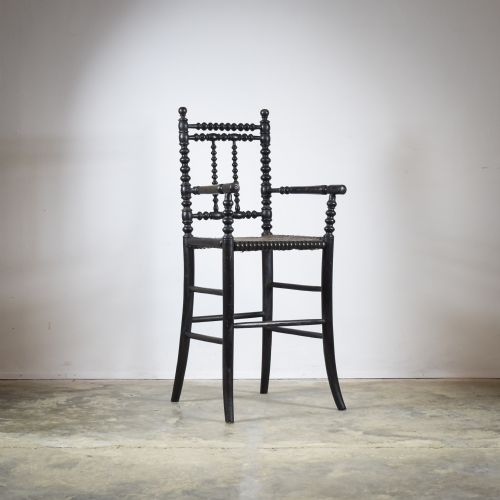
- A form of decorative woodturning characterised by a series of rounded spheres or discs resembling a textile bobbin. Cabinetmakers utilised this technique to add texture to uprights and legs.
- Correction chair
- A nineteenth-century seating form designed with a tall straight back intended to encourage upright posture in children. These pieces reflect period beliefs about physical discipline and deportment.
Victorian Child High Chair: Frequently Asked Questions
How do these high chairs convert?
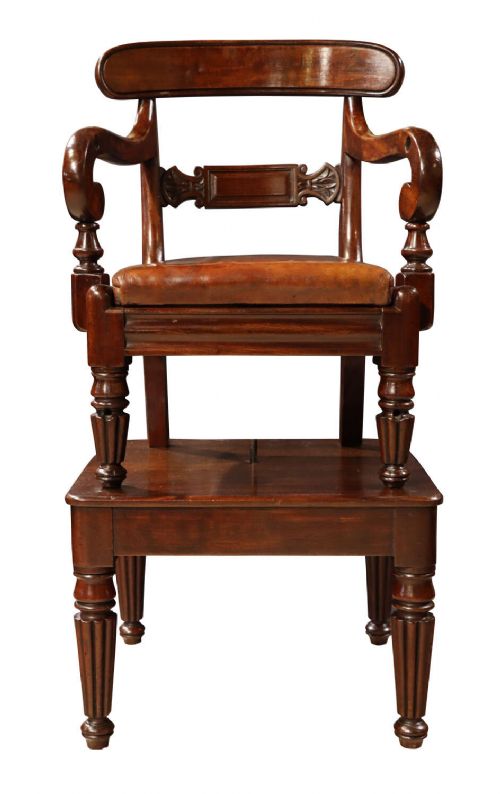
Metamorphic models utilise pivoting wooden frames or folding sections that allow the upper chair portion to detach from a lower base table. This dual function served families needing versatile nursery furniture.
Such mechanisms require careful handling to preserve original joints and hinges during transformation.
What is a correction chair?
Correction chairs are nineteenth-century seats built with exceptionally tall, rigid backs designed to enforce straight posture. Victorians believed strict physical positioning aided proper child development.
These pieces typically feature simple timber construction or cane seating alongside their distinctive tall backs.
Are these chairs safe for daily use?
While historic pieces possess sturdy timber frames, antique high chairs often lack modern safety restraints and stability standards. Collectors generally treat them as decorative display items rather than functional nursery seating.
Careful placement away from active environments protects the fragile antique cane and aged joints.
How do I date a child high chair?
Dating relies on identifying timber choices, turning styles, and construction techniques associated with specific periods like the Georgian era or Victorian decades. Mahogany and walnut often point towards formal urban workshops, while elm and ash indicate regional vernacular production.
Comparative study of hardware, joinery wear, and patination helps narrow the manufacturing period.