
Victorian Child Art
Victorian child art brings domestic youth into focus through period paintings, prints, silhouettes and objects.
Victorian Child Art
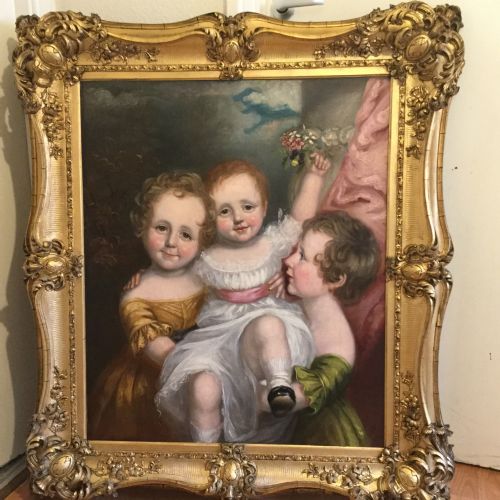
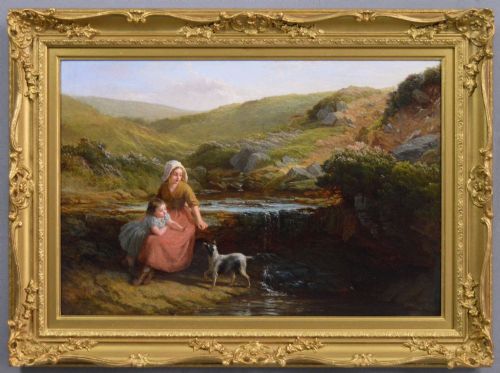
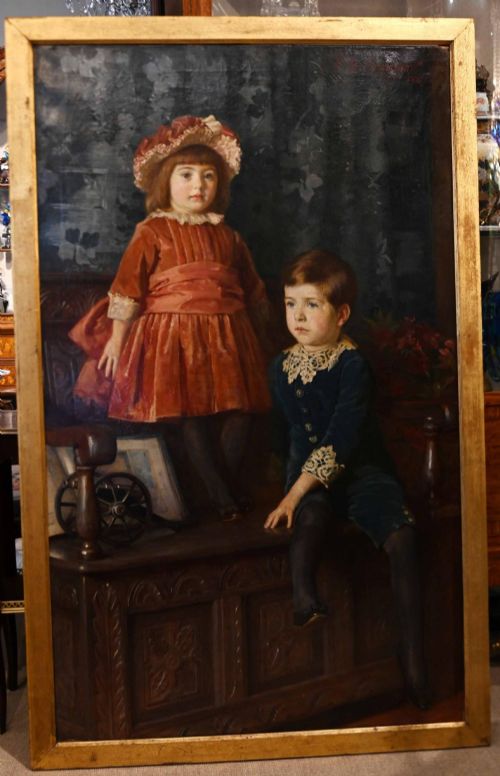
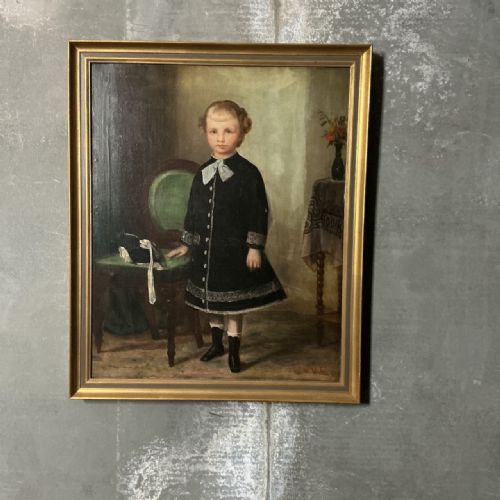
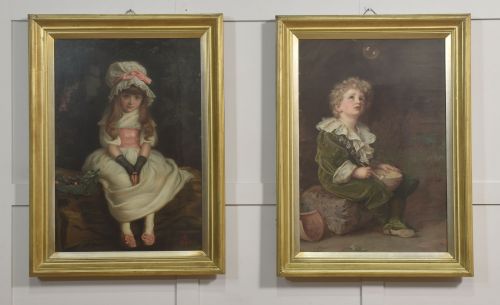
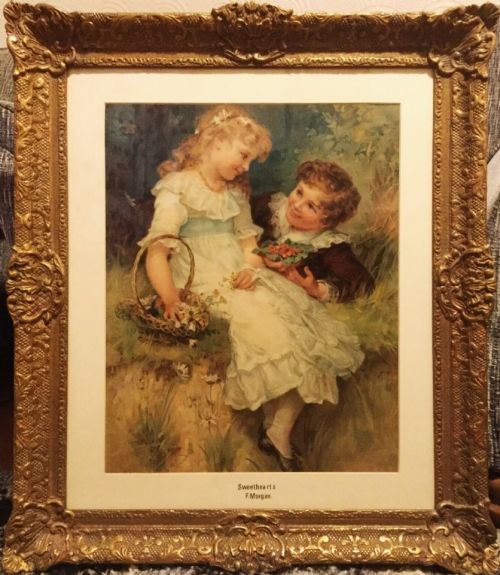
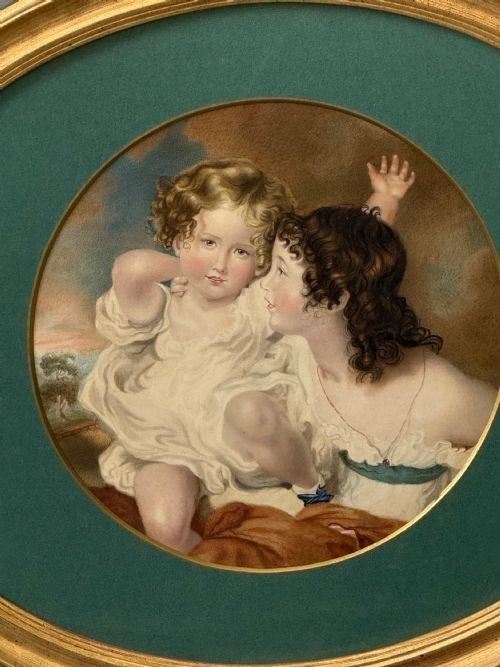
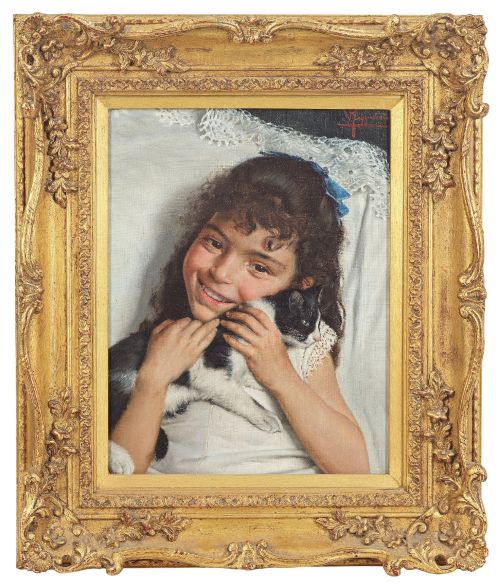
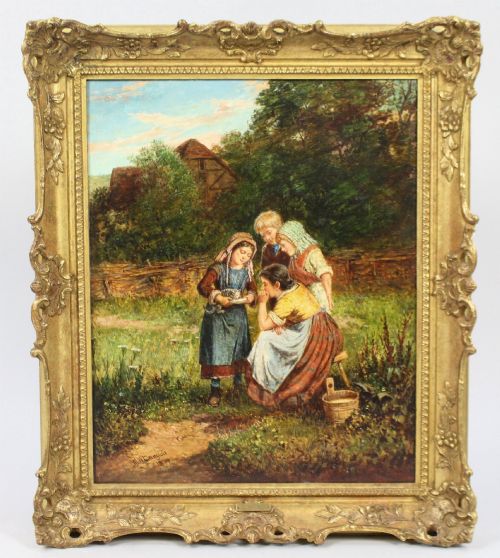
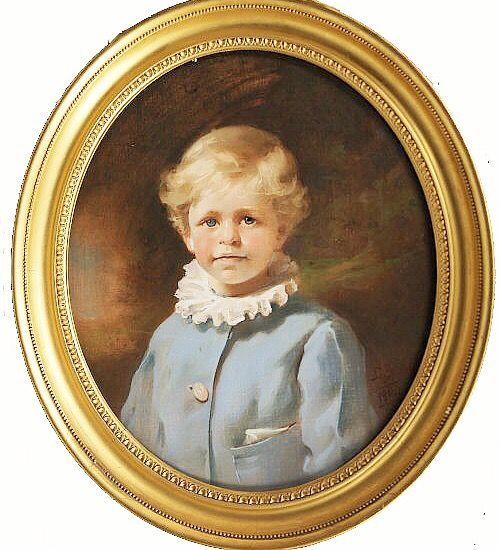
Victorian child art covers historical depictions of youth in various fine art media, including oil paintings, watercolours, pastels and framed prints. Pieces frequently feature young subjects in domestic, rural or narrative settings, reflecting nineteenth-century attitudes towards family life.
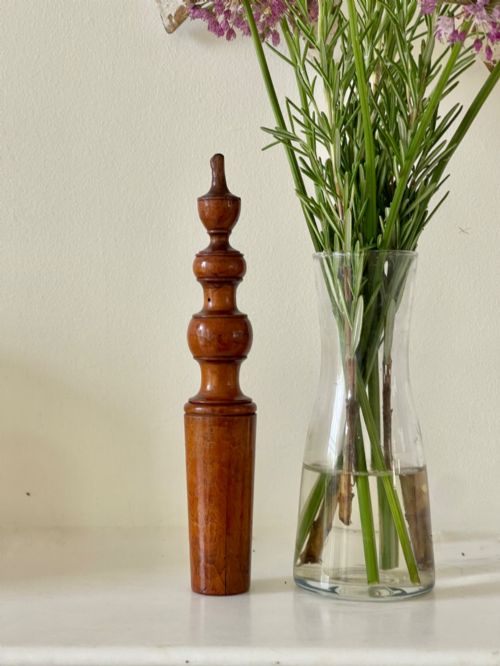
Buyers also encounter related decorative objects and toys from the era, such as silhouettes, miniature portraits and treen rattles. The selection ranges from naive folk art works to signed academic portraits.
Most items on this page stem from the nineteenth century, with occasional pieces extending into the Edwardian period. Paintings in oil on canvas and paper prints dominate the forms available.
Materials and techniques
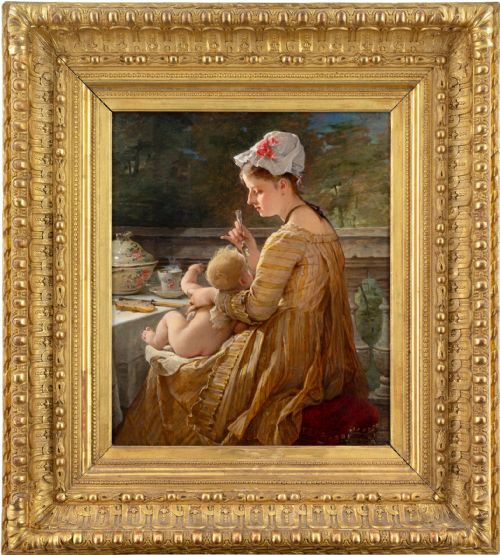
Artisans and artists worked with oil paint on canvas or panel, watercolour on paper, and pastel on canvas to render portraits and genre scenes. Giltwood, gesso, rosewood and burr maple often formed the frames that house these works.
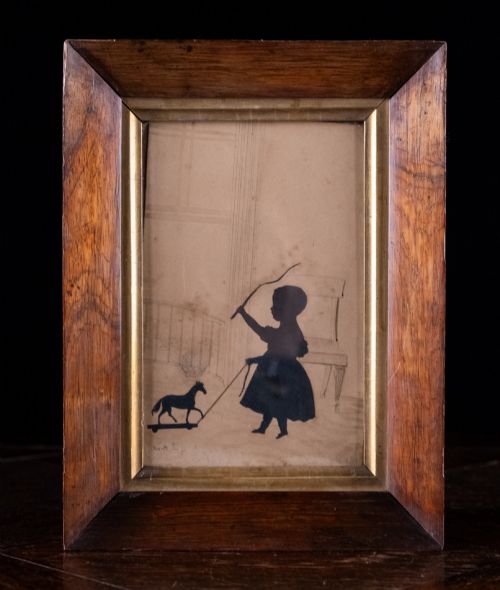
Prints utilised contemporary reproduction techniques like lithography alongside advertising formats. Silhouette artists cut paper profiles directly, sometimes mounting them with ink details under glass.
Listings span the nineteenth century into the early twentieth, combining oil paintings, watercolours, silhouettes, prints and wooden toys.
Distinctions in quality
Quality rests upon the skill of the draughtsmanship and the expressiveness captured in the child's face and posture. Academic works demonstrate sophisticated command of anatomy and light, whereas folk art pieces rely on charm and directness.
Materials contribute significantly to the standing of a piece, with original giltwood frames, fine wood veneers and signed work by recorded painters elevating the status of the item.
Frederick Morgans·Vittorio Reggianini·Mark William Langlois·Leon Sprinck·Augustin Edouart·Adelaïde Salles-Wagner·George Augustus Holmes·Henry Windsor Fry·Charles Hunt·Frederick Tatham·Emily Eyres·Sir Thomas Lawrence·Charles Edward Wilson·Harry Brooker·Byam Shaw·George Bernard O'Neill·Thomas Bromley Blacklock·James Mallard Bromley·Josiah Gilbert
The Victorian Child Art Glossary
- Silhouette
- A solid shape of a person's profile, typically cut from black paper or painted in ink. These items appeared frequently before the widespread adoption of photography.
- Genre painting
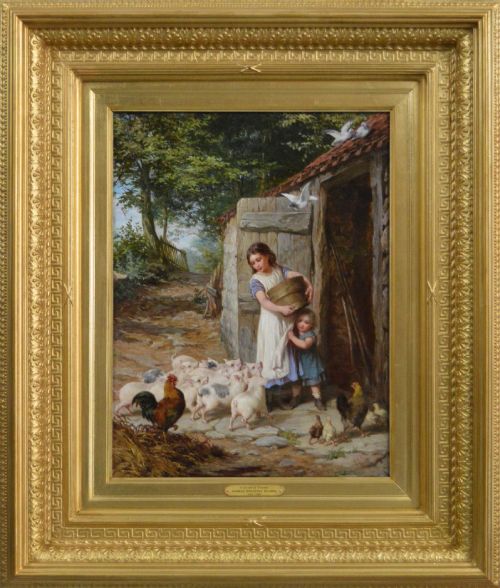
- A representation of everyday life involving human subjects rather than formal portraiture or landscape. These scenes often show children at play or engaged in domestic tasks.
- Giltwood
- Wood carved and coated with gold leaf or gold paint. This finish frequently decorates nineteenth-century picture frames.
- Naïve art
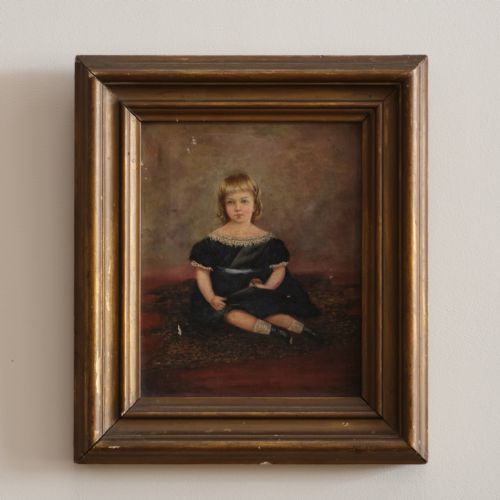
- Work produced by an artist without formal academic training, often characterised by a flat perspective and direct simplicity. Such pieces possess a distinct folk character.
- Treen
- Small handmade wooden domestic objects and toys. The term derives from the old word for tree.
Victorian Child Art: Frequently Asked Questions
What subjects appear in these works?
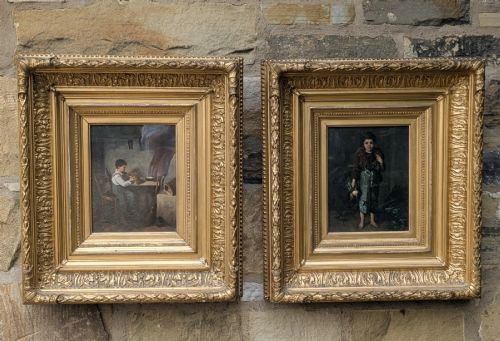
Portraits of boys and girls dominate, often shown alone or with pets, toys and family members. Narrative genre scenes also depict children playing, gathering firewood or participating in rural life.
Other examples include advertising prints, silhouettes and small decorative items like christening mugs.
How should these paper works be displayed?
Watercolours, pastels and prints require protection from direct sunlight to prevent fading. Framing behind glass keeps the fragile surfaces secure from dust and moisture.
Maintaining stable indoor temperatures helps preserve both the paper support and the antique frames.
How are periods identified?
Dating relies on stylistic clues, framing materials, artist signatures and documentary records. Costume details and hair styles in the portraits also point to specific decades within the nineteenth century.
Backing boards, paper types and inscriptions offer further evidence for the approximate year of creation.
What is folk art in this category?
Folk art pieces are created outside the academic tradition, showing a simpler approach to perspective and form. They offer an unfiltered view of nineteenth-century visual culture.
These works derive their appeal from sincerity, decorative directness and unusual local styles.