



Victorian Chatelaine
A victorian chatelaine gathers useful items at the waist, and these decorative belt hooks and suspended tools reveal the daily routines of the period.
Victorian Chatelaine
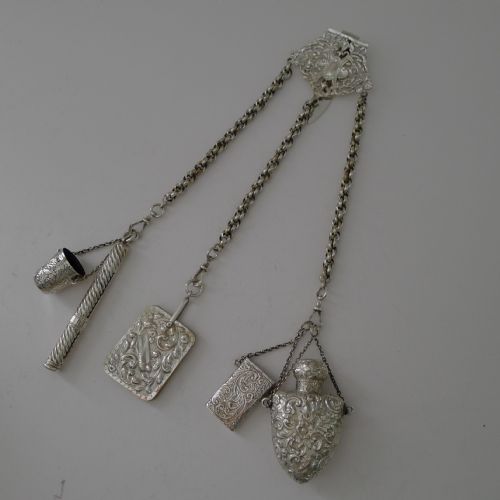
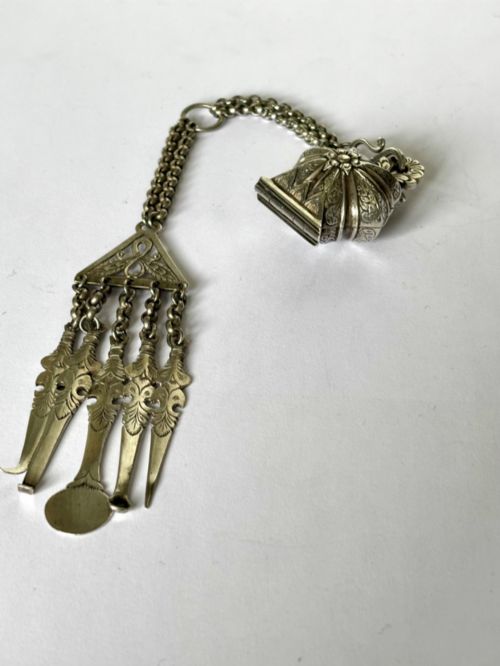
A victorian chatelaine is a decorative belt hook or clip from which suspended chains hold a variety of practical household and personal accessories.
The pieces on this page span the Victorian period, the Edwardian era, and the wider nineteenth century, drawing from English, French, and Dutch origins.
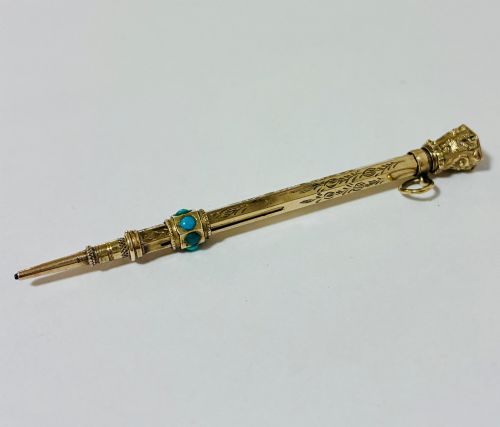
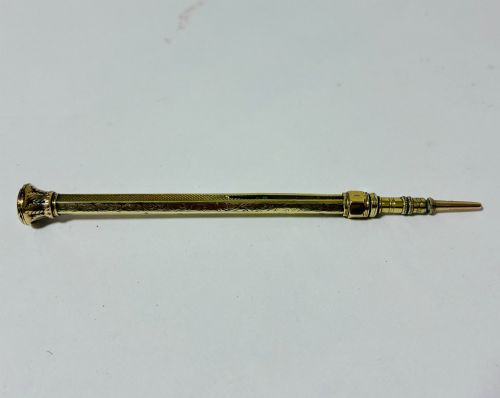
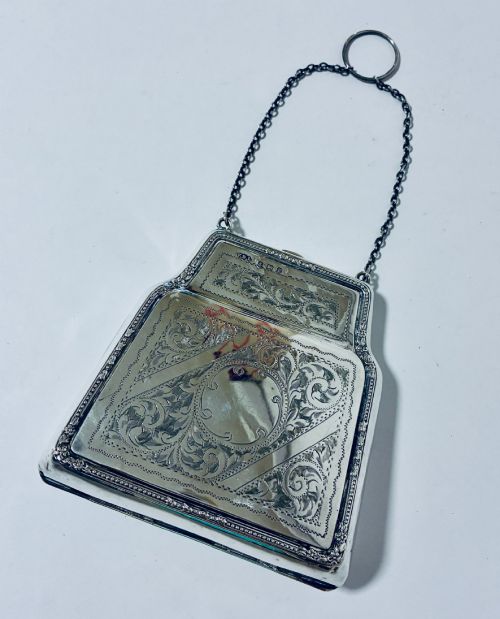
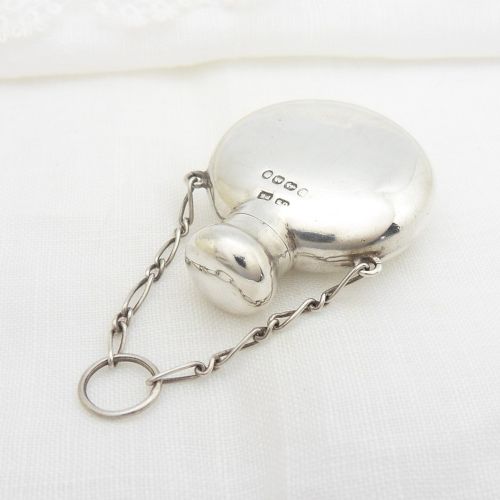
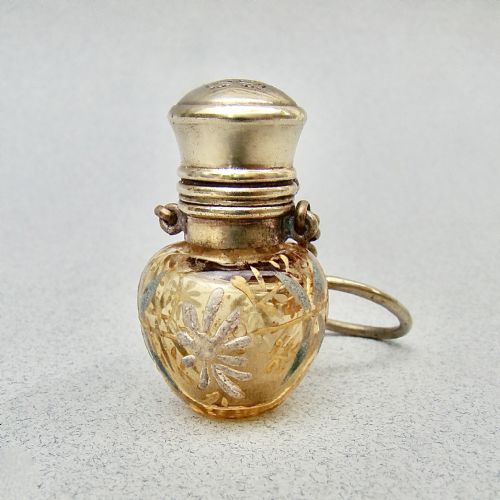
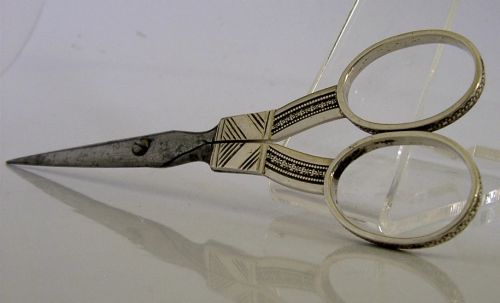
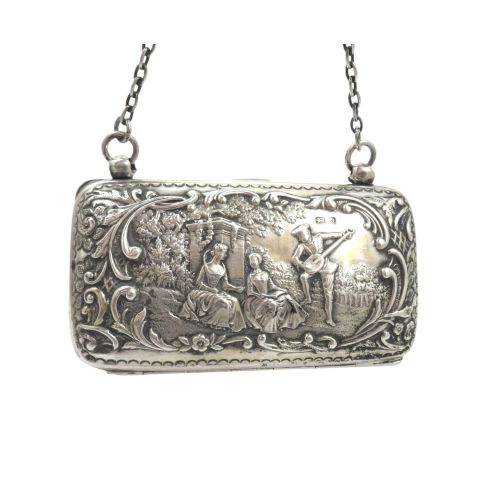
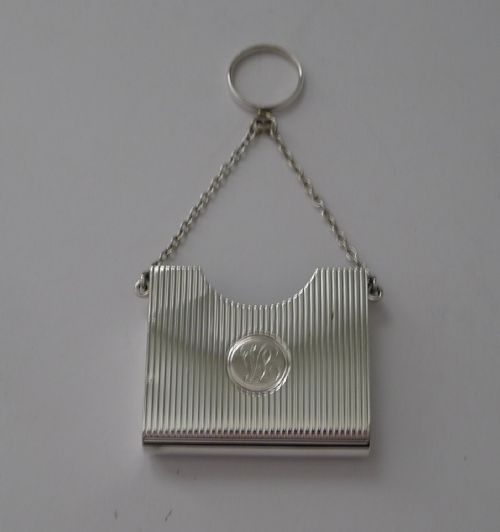
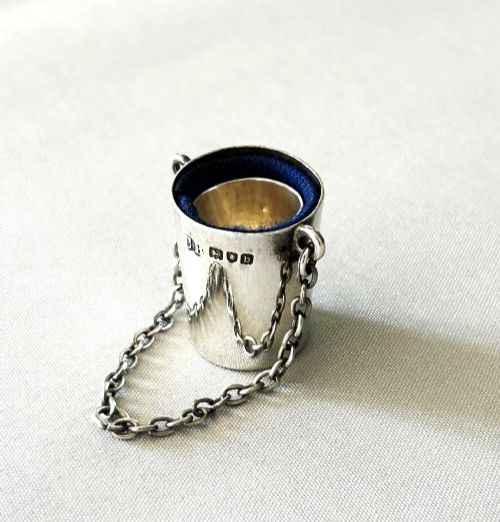
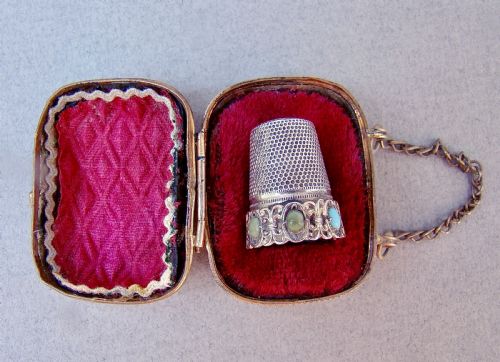
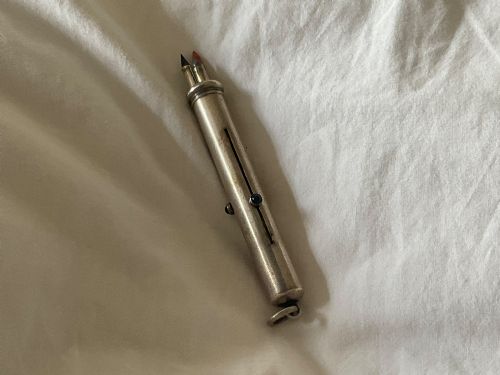
Commonly met forms include chatelaines, scent bottles, sewing accessories, and purses, alongside individual chatelaine accessories such as needlework scissors, vinaigrettes, and prayer book holders.
Materials and Construction
Makers utilised sterling silver, silver gilt, and ormolu for the structural belt hooks, frames, and protective cases, frequently applying repoussé and chased decoration in styles such as Victorian Rococo Revival.
Suspended items incorporate glass, enamel, steel, velvet, and stone settings, including Moser glass, opaline glass, and cranberry glass for scent bottles and chatelaine containers.
Victorian Chatelaine Retail Price Guide 2026
Typical asking prices for victorian chatelaine among the pieces listed under this phrase on Sellingantiques today, from the lower quarter to the upper quarter. They describe what is for sale here now, not the wider market.
Some chatelaines include tiny wheel pin cushions and miniature violin scent bottles, proving Victorians loved carrying tiny musical instruments at their waist.
Assessing Quality and Execution
Quality rests in the crispness of the chased metalwork and the integrity of the fitted mechanisms, such as hinged chatelaine cases and detachable purse parts.
The finesse of secondary materials, from multi-layered glass scent bottles to fine petit point embroidery on evening purses, distinguishes the finer workshop outputs.
William Comyns & Sons·Saunders & Shepherd·Sampson Mordan·Wright & Davies·Laurence Emanuel·Charles Horner
The Victorian Chatelaine Glossary
- Chatelaine
- A decorative hook worn at the waist with chains suspending small utilitarian tools and personal items. It served both a practical function for household management and a decorative purpose.
- Vinaigrette
- A small ornamental box with a perforated inner grill used to hold a sponge soaked in aromatic vinegar. These were carried to mask unpleasant odours or revive someone feeling faint.
- Repoussé
- A metalworking technique where the artist hammers the metal from the reverse side to form a raised design in relief. This method defines much of the ornamentation on nineteenth century silver.
- Ormolu
- Gilded bronze or brass mounts and decorative housings utilised to frame glass scent bottles and delicate personal objects. The finish provides a warm golden contrast to polished silver and coloured glass.
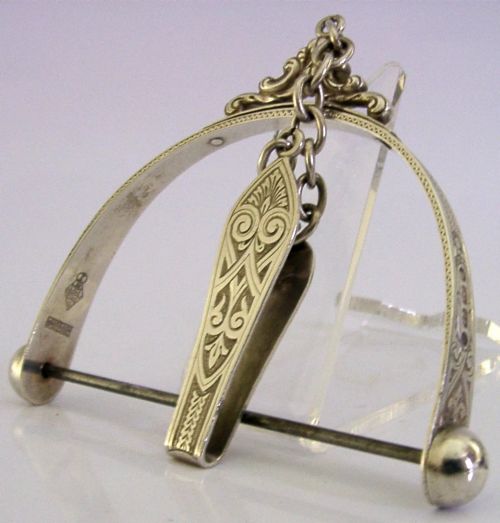
- Skirt Lifter
- A mechanical clip and suspension device designed to raise long Victorian skirts above damp or muddy ground. These practical accessories hung directly from the belt or chatelaine hook.
Victorian Chatelaine: Frequently Asked Questions
What is a victorian chatelaine used for?
These decorative waist hooks held essential household and personal items within easy reach during daily routines.
Items such as keys, sewing tools, scent bottles, and notebooks hung from individual chains attached to the central belt clip.
How do you wear a chatelaine?
The top hook or clip fastens securely over the waistband or belt of a skirt or dress.
The suspended tools hang down the front, arranged so each accessory remains accessible for practical tasks.
What materials are common in these pieces?
Sterling silver, silver gilt, and ormolu form the primary structural hooks, cases, and chatelaine frames.
Many designs incorporate coloured glass, steel, velvet, and enamel elements on the hanging perfume bottles and sewing accessories.
How do you date a nineteenth century chatelaine?
Hallmarks stamped on silver components provide official assay office marks, standard marks, and date letters corresponding to specific years.
Stylistic indicators, such as Rococo Revival motifs or French Moser glass, also help narrow the period of manufacture.