



Victorian Chapel Seating
Victorian chapel seating brings robust timber and ecclesiastical gravity into domestic rooms, offering honest construction and centuries of communal history.
Victorian Chapel Seating
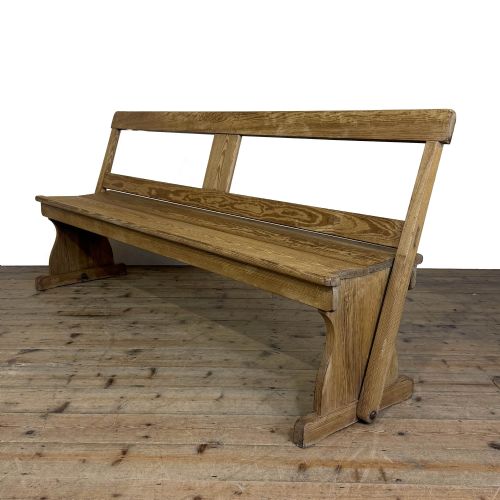
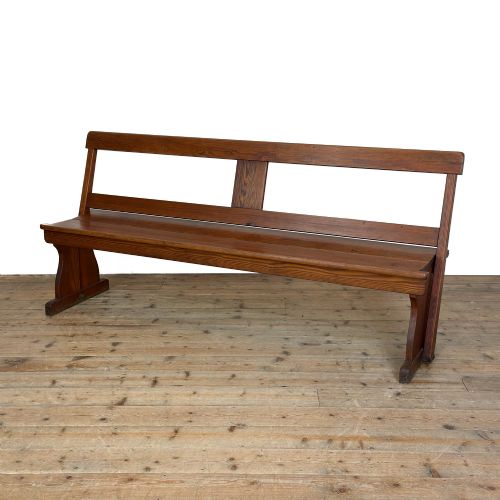
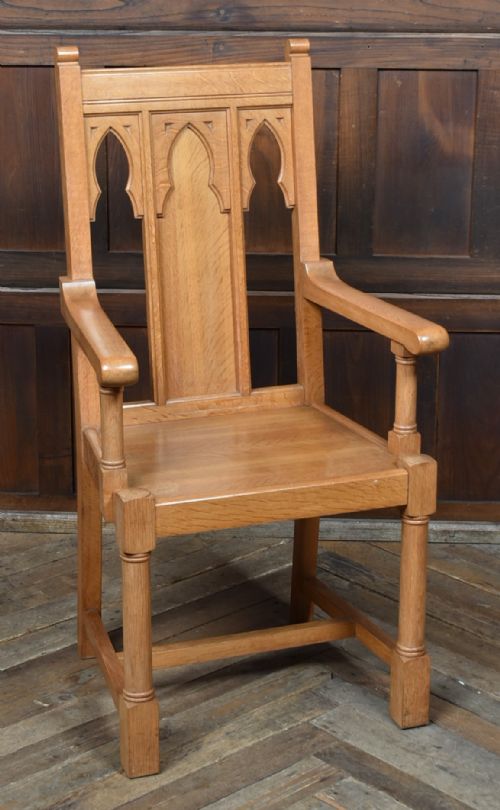
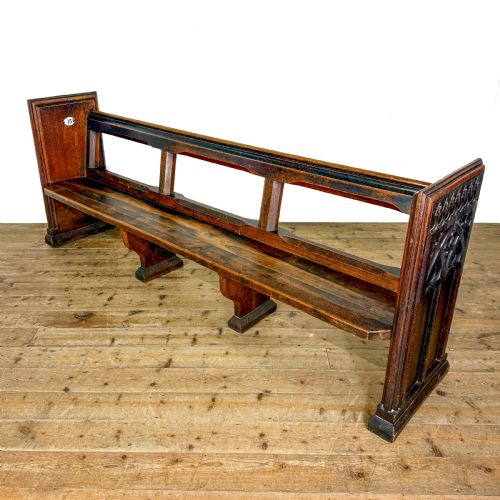
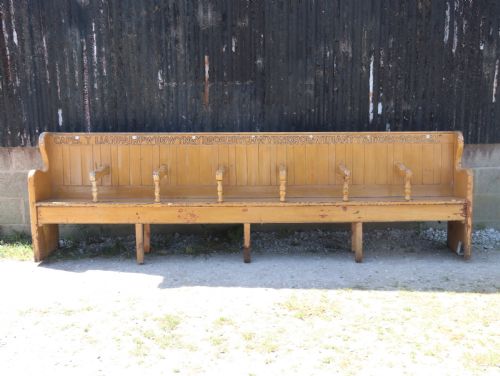
Victorian chapel seating encompasses sturdy pine and oak pews, benches, and ecclesiastical chairs built for religious houses, schools, and estate chapels. Buyers exploring victorian chapel seating will frequently encounter long pews and flip-over benches fashioned from solid pine or pitch pine.
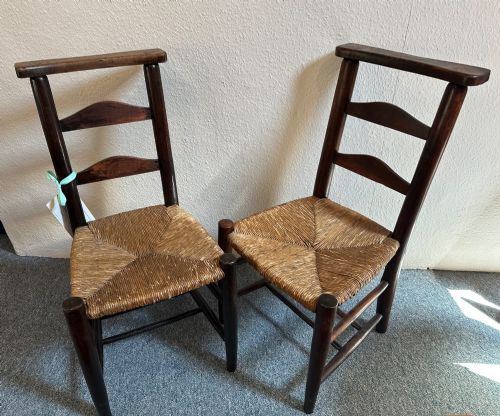
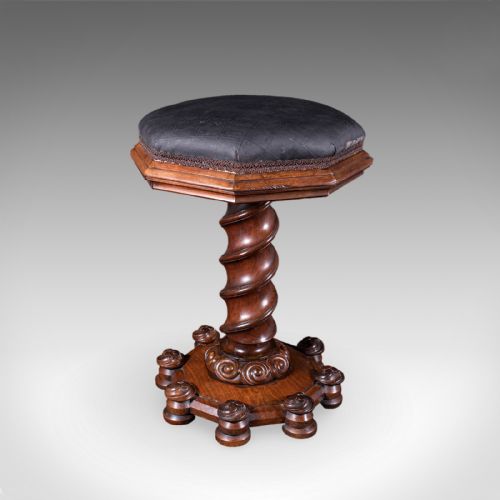
The selection extends to specific forms such as organist stools, throne chairs, and matched sets of church chairs originating from various British regions. Pieces range from plain vernacular styles to elaborate Gothic Revival designs featuring marked provenance from cathedrals.
These items transition easily from historical ecclesiastical interiors into modern hallways, kitchens, and dining rooms. Their narrow footprints and durable construction make them practical seating options for contemporary homes.
How they were made
Makers relied heavily on domestic softwoods and hardwoods like pine, pitch pine, and oak to withstand heavy daily use. Joinery was built for endurance, employing thick boards and sturdy framing suitable for communal assembly.
Details range from unadorned vernacular pine surfaces to carved Gothic Revival motifs and painted finishes. Specific examples incorporate metal brackets, walnut music risers, and leather or rush elements.
Maker marks, cathedral stamps, and estate designations were occasionally applied directly to the timber. These inscriptions provide direct evidence of institutional origin and intended ecclesiastical placement.
Victorian Chapel Seating Retail Price Guide 2026
Typical asking prices for victorian chapel seating among the pieces listed under this phrase on Sellingantiques today, from the lower quarter to the upper quarter. They describe what is for sale here now, not the wider market.
Current listings feature pieces spanning the Georgian and Victorian eras, constructed primarily from pine, oak, pitch pine, and walnut.
What varies in quality
Timber selection dictates the baseline character of each piece, distinguishing utilitarian pine from figured oak or walnut. Pitch pine and seasoned oak offer tighter grain and greater weight than standard estate pine.
Original provenance and institutional markings elevate a piece beyond standard utilitarian workshop production. Items bearing clear stamps from specific cathedrals or chapels hold distinct historical interest.
Proportion and regional carpentry traits reveal the skill of the original maker. Refined Gothic detailing or uncommon functional mechanisms like flip-over seating separate standard pews from bespoke ecclesiastical commissions.
The Victorian Chapel Seating Glossary
- Pew
- A long wooden bench with a back and seat, traditionally fixed in rows within a church or chapel. They provide rigid communal seating constructed from thick pine or oak planks.
- Gothic Revival
- An architectural and decorative style popular during the nineteenth century that revived medieval forms. It is characterised by pointed arches, trefoils, and solemn ecclesiastical proportions.
- Pitch Pine
- A dense, resinous softwood derived from pine trees, valued for its durability and strong grain pattern. Nineteenth-century makers utilised it heavily for institutional benches.
- Vernacular
- Everyday architecture and furniture design rooted in local traditions rather than academic styles. These pieces prioritise practical function and regional materials over ornamental display.
- Music Riser
- An adjustable mechanism or platform attached to seating to support scores and books. They appear on specialised organist stools and ecclesiastical music seats.
Victorian Chapel Seating: Frequently Asked Questions
Where do chapel pews fit at home?
Chapel pews slide neatly against dining tables, line narrow hallways, or provide seating along living room walls. Their narrow depths ensure they occupy minimal floor space.
Shorter benches and individual church chairs adapt well to smaller rooms, while full-length pews suit large open spaces and entryways.
How are pine pews finished?
Many pews retain bare timber surfaces polished through generations of use, while others show historic painted finishes or clear waxes. Original patination records the physical history of the wood.
Surfaces benefit from light waxing to nourish dry pine and oak without obscuring historical marks or wear.
How do I spot Gothic Revival style?
Gothic Revival pieces display architectural motifs borrowed from medieval churches, including pointed arches, quatrefoils, and heavy chamfered framing. These details mimic stone cathedral elements in timber.
Such ornamentation distinguishes ecclesiastical seating from standard domestic furniture of the period.
Are chapel chairs sold in sets?
Matching church chairs frequently appear in groups ranging from pairs to sets of seven. These sets originated from communal seating arrangements in parish churches and vestries.
Acquiring a matched set provides uniform seating around a dining table or within a studio space.