

Victorian Chaise
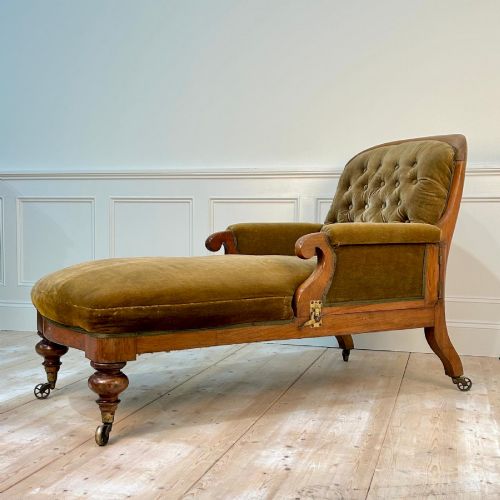
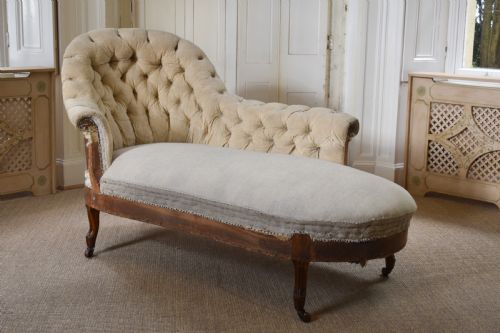
A victorian chaise offers a reclining seat designed for interior lounging, combining timber frames with upholstered comfort.
Victorian Chaise
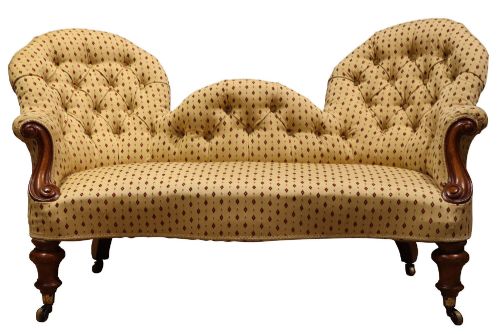
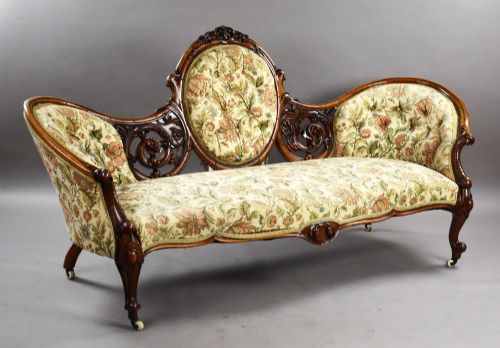
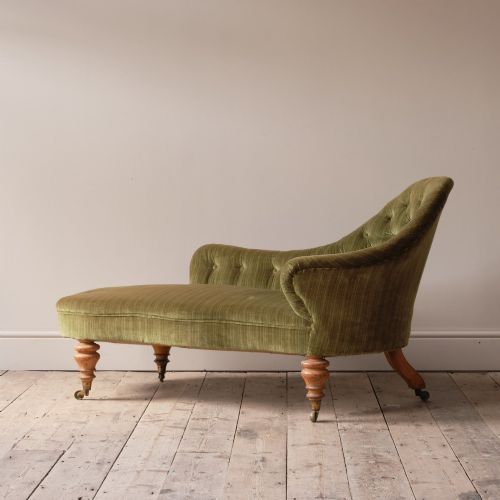
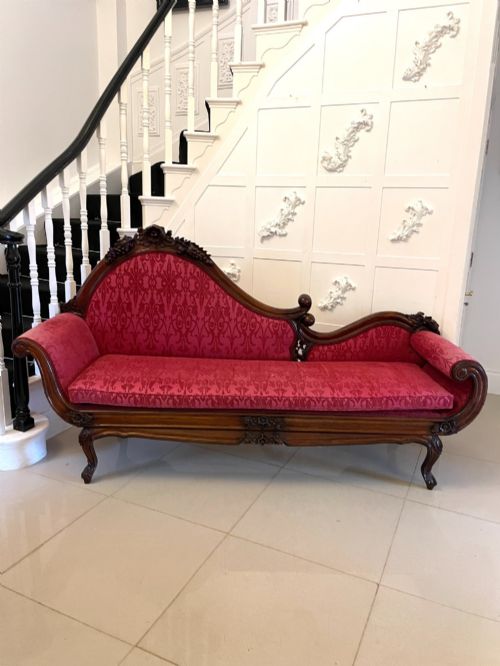
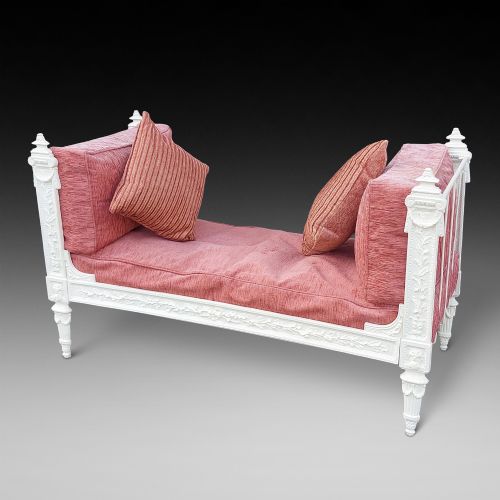
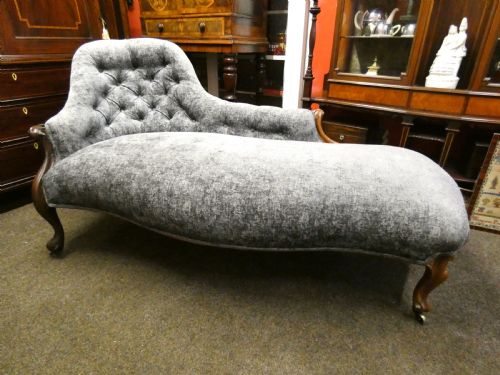
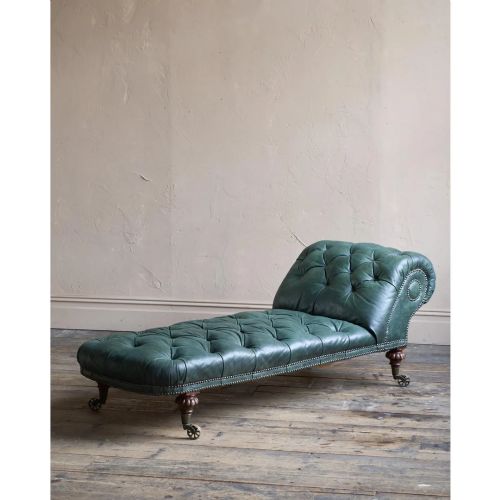
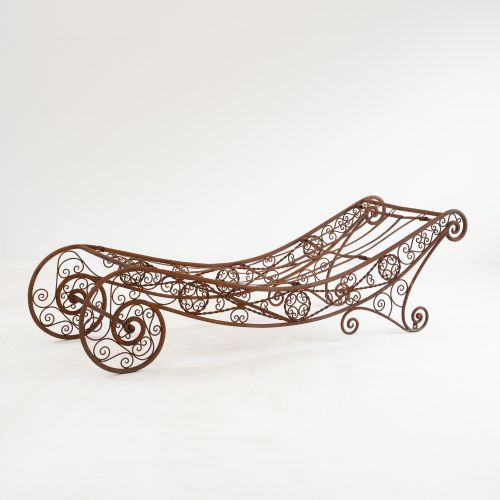
When searching for a victorian chaise, buyers encounter long upholstered seats designed for reclining, which appear alongside related daybeds and double ended sofas in nineteenth century styles. These pieces range from walnut and mahogany frames with button backs to iron garden daybeds and French chairs.
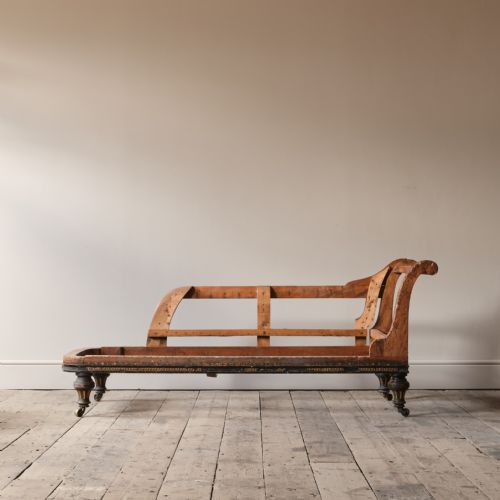
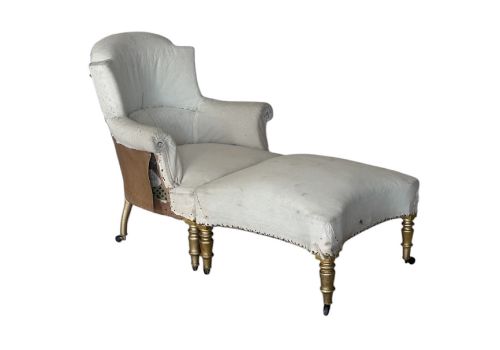
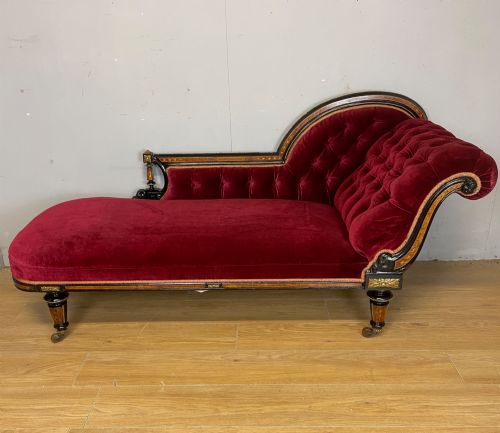
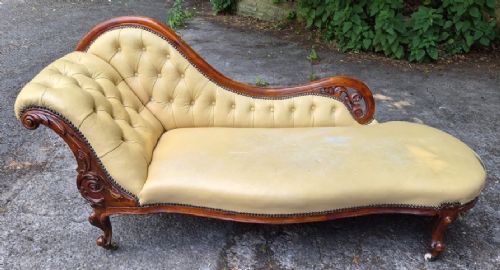
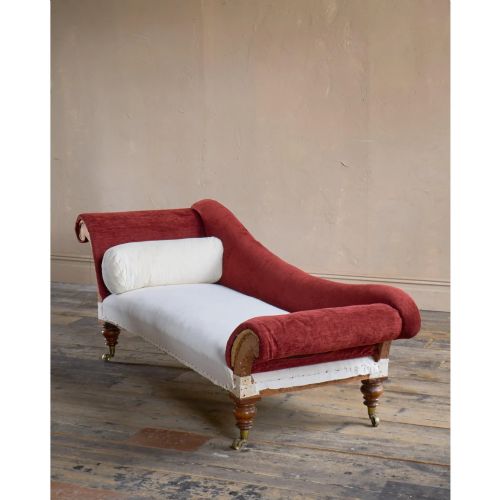
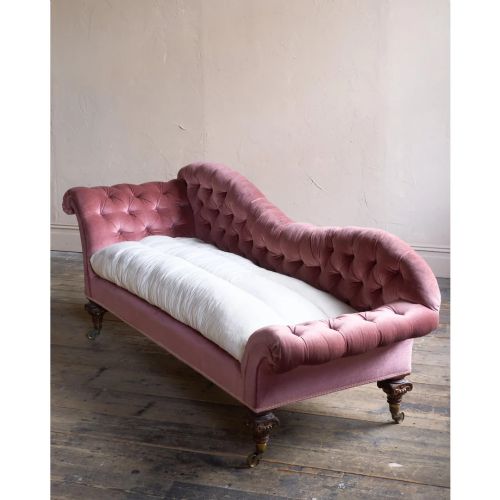
The version most commonly met on this page is the nineteenth century wooden frame upholstered in velvet, fabric, or calico, often featuring carved scroll ends and single raised headrests. Alongside these standard domestic forms, variations include campaign style pieces, ebonised day beds with inlaid panels, and larger country house daybeds.
Materials and Technique
The structural framework relies on dense hardwoods such as mahogany, walnut, and rosewood, alongside ebonised wood, cast iron, and wrought iron. Artisans shaped these timbers into carved scroll ends, bobbin turnings, and frames incorporating inlaid panels and ormolu decoration.
Upholstery techniques utilise deep pile brocade, green leather, blue damask, and calico stretched over sprung settee bases and button back supports. Metal components such as brass fittings and cast iron support the daybed and garden furniture variants.
Victorian Chaise Retail Price Guide 2026
Typical asking prices for victorian chaise among the pieces listed under this phrase on Sellingantiques today, from the lower quarter to the upper quarter. They describe what is for sale here now, not the wider market.
Listings feature nineteenth century materials including rosewood, mahogany, walnut, brass, cast iron, velvet, and leather.
Distinctions in Standard
The upper tier of pieces is distinguished by sculptural woodwork, such as elaborate carved mahogany or walnut frames with distinct scroll ends and crisp ormolu mounts. Finer examples display balanced proportions, integrated ionic column legs, and maker attributions that confirm high workshop standards.
Simpler or more utilitarian items rely on plain timber turnings, such as bobbin legs or basic cast iron frames, with less intricate carving on the main body. The refinement of the upholstery work, from standard fabric to deep pile brocade and button backing, further separates standard examples from works of notable maker output.
Holland and Sons·Howard and Sons·H Goodall and Sons
The Victorian Chaise Glossary
- Chaise Longue
- A long upholstered chair for reclining, combining a backrest with an extended seat. These pieces allow a person to sit with their legs stretched out horizontally.
- Daybed
- A long seat that functions as a sofa by day and a bed by night. They appear in wood, iron, and campaign styles across the nineteenth century.
- Ormolu
- Gilt bronze ornamentation applied to furniture. This decorative technique adds metallic detailing to timber frames.
- Button Back
- An upholstery style where buttons are pulled tight into the padding to form a geometric pattern. This method secures the internal stuffing while creating a textured surface.
- Brocade
- A heavy woven fabric featuring raised decorative patterns. It frequently appears on nineteenth century seating in silk or heavy cotton blends.
Victorian Chaise: Frequently Asked Questions
What is a victorian chaise?
A victorian chaise is a single ended upholstered seat designed for reclining in nineteenth century drawing rooms and parlours. They combine a raised headrest with a long cushioned body supported by wood or iron frames.
These pieces reflect the revival styles of the period, incorporating carved mahogany, walnut, or rosewood alongside various fabric coverings.
Where were these placed originally?
Owners positioned these seats in drawing rooms, master bedrooms, and large country house reception spaces. Their primary purpose was daytime rest and informal lounging without retiring to a bed.
In warmer months or alternative settings, iron variants served in garden rooms and veranda spaces.
How do I care for antique upholstery?
Care involves gentle vacuuming using low suction attachments to remove dust from fabric crevices and button tufts. Direct sunlight should be avoided to prevent fading on velvet, leather, and brocade surfaces.
Wooden frames benefit from occasional dusting with a dry cloth and maintenance of the polished finish using standard furniture wax.