






Victorian Ceramic Tea Service
A victorian ceramic tea service brings nineteenth-century dining tables to life with painted porcelain, gilt edges and delicate china.
Victorian Ceramic Tea Service
A victorian ceramic tea service comprises matched groupings of teapots, cups, saucers and sugar bowls designed for formal afternoon gatherings. These sets emerge from nineteenth-century households where serving tea was a central social ritual.
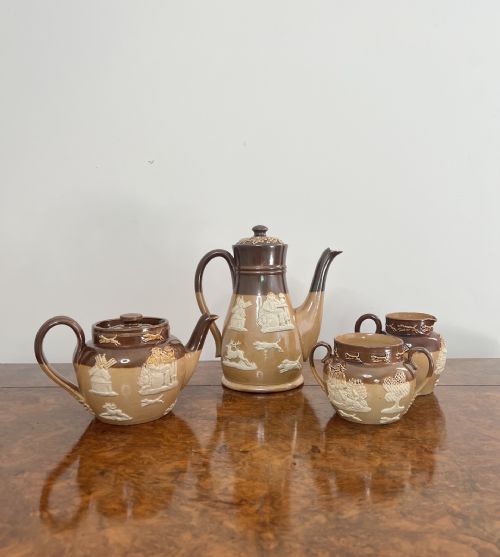
The selections here span standard multi-person sets alongside specialised child's services and bachelor teasets. Makers utilise materials ranging from bone china and porcelain to earthenware and stoneware across various decades of production.
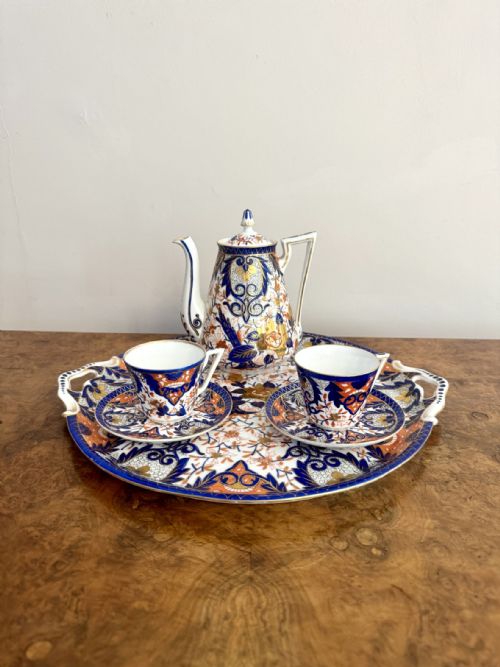
Stylistic influences reflect Victorian tastes, drawing on Rococo revival curves alongside Imari and Kakiemon revivals. Pieces date predominantly from the nineteenth century, including specific decades such as the eighteen-fifties, eighties and nineties.
Materials and Techniques
Potters shape clay bodies into porcelain, bone china, earthenware and ironstone before applying glazes and underglaze decorations. Flow blue transfer printing produces distinctive blurred cobalt designs across plates and vessels.
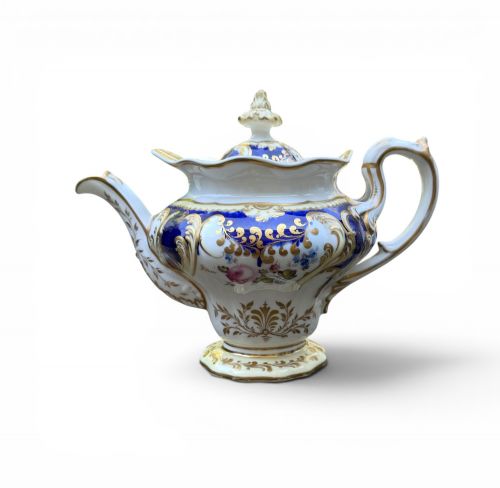
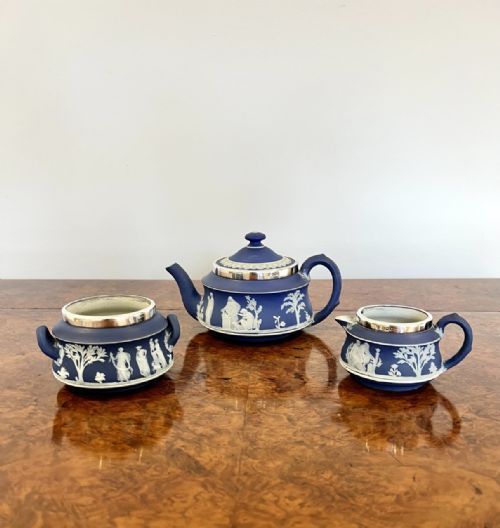
Artisans enhance ceramic surfaces through hand-gilding with gold leaf alongside intricate enamel painting. Silver mounts and gilt accents frequently complement the decorated pottery.
Victorian Ceramic Tea Service Retail Price Guide 2026
Typical asking prices for victorian ceramic tea service among the pieces listed under this phrase on Sellingantiques today, from the lower quarter to the upper quarter. They describe what is for sale here now, not the wider market.
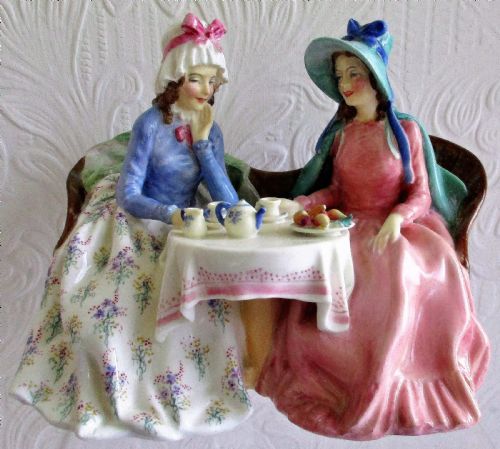
Miniature sets let Victorian children practice the art of hosting before they were ever allowed near the family teapot.
Defining Quality
Quality rests upon the fineness of the ceramic body and the precision of the hand-painting or transfer printing. Finer sets display crisp application of enamel colours and delicate gilding that remains intact across numerous components.
Completeness dictates the standing of a service, distinguishing comprehensive multi-person or child's sets from solitary or partial groupings. The presence of matching components, silver mounts and recognised factory marks elevates individual items.
Wedgwood·Copeland·Royal Doulton·Royal Crown Derby·Royal Worcester·Royal Davenport·Minton·Moser·Masons Patent Ironstone·Doulton·Wileman Foley Shelley
The Victorian Ceramic Tea Service Glossary
- Bone china
- A type of soft-paste porcelain incorporating bone ash for enhanced durability and translucency. This material forms the foundation of many refined nineteenth-century tea wares.
- Flow blue
- A cobalt printing technique where vapours blur the blue pigment during kiln firing. This creates a soft, hazy appearance across the decorated surface.
- Jasperware
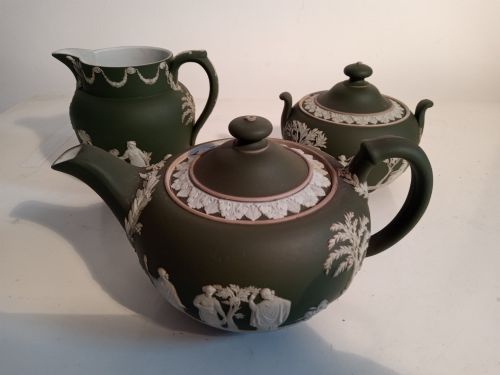
- A type of unglazed stoneware developed by Wedgwood, notable for its matte texture and contrasting raised white reliefs. It appears frequently on nineteenth-century tea sets.
- Imari
- A decorative style inspired by Japanese export porcelain, featuring a palette of iron red, cobalt blue and gold. Victorian potteries adapted these patterns extensively.
- Kakiemon
- An asymmetric enamel decoration style utilising palettes of iron red, yellow, green and blue. Pieces featuring this design display characteristic floral and animal motifs.
Victorian Ceramic Tea Service: Frequently Asked Questions
Can I use these sets for serving tea?
Many nineteenth-century sets remain physically capable of holding hot liquids, particularly robust ironstone or bone china compositions. However, hairline cracks or age-related wear in the glaze can absorb liquids over time.
Collectors generally reserve these pieces for display or gentle handling rather than daily domestic use to preserve their condition and historical value.
What is a bachelor teaset?
A bachelor teaset is a compact, single-person tea service designed for individual use in private chambers or studies. These scaled-down sets typically include a teapot, cup, saucer and small jug.
They offer a glimpse into domestic routines of the nineteenth century when individuals enjoyed private tea service away from the main parlour.
How do I identify a child's tea service?
Child's tea services and miniature sets feature noticeably smaller dimensions than standard dining wares, scaled down for children's hands or toy displays. They often mirror the full-sized transfer-printed patterns of the period, such as flow blue designs.
Despite their diminutive size, these sets were produced with the same ceramic bodies and firing techniques as adult services.