


Victorian Ceiling Lantern
These hanging fixtures bring directional overhead illumination to corridors and stairwells, offering substantial metalwork and decorative glass panels.
Victorian Ceiling Lantern
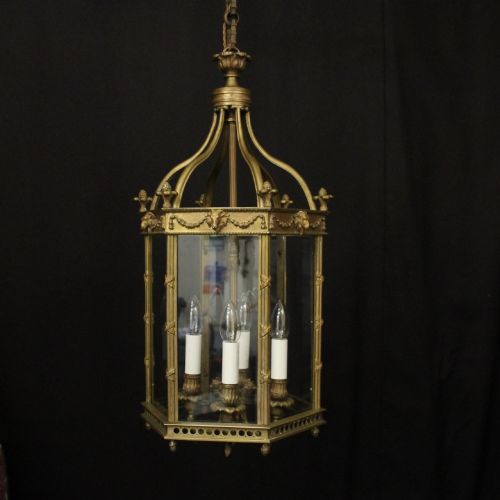
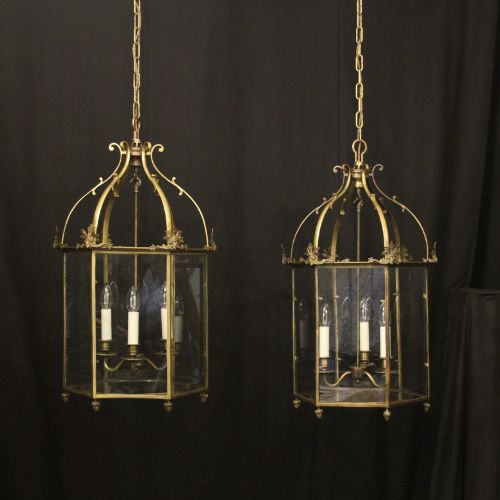
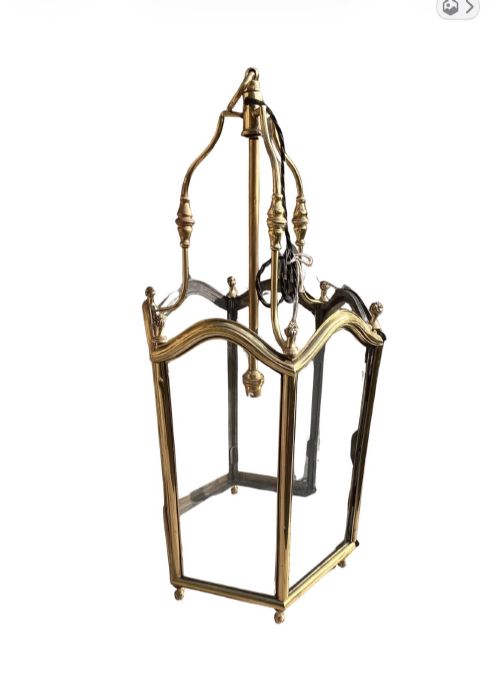
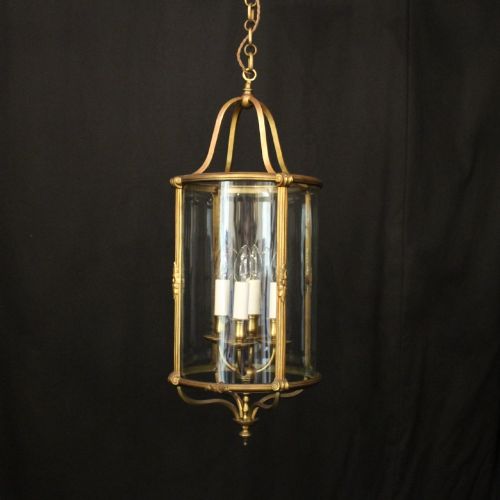
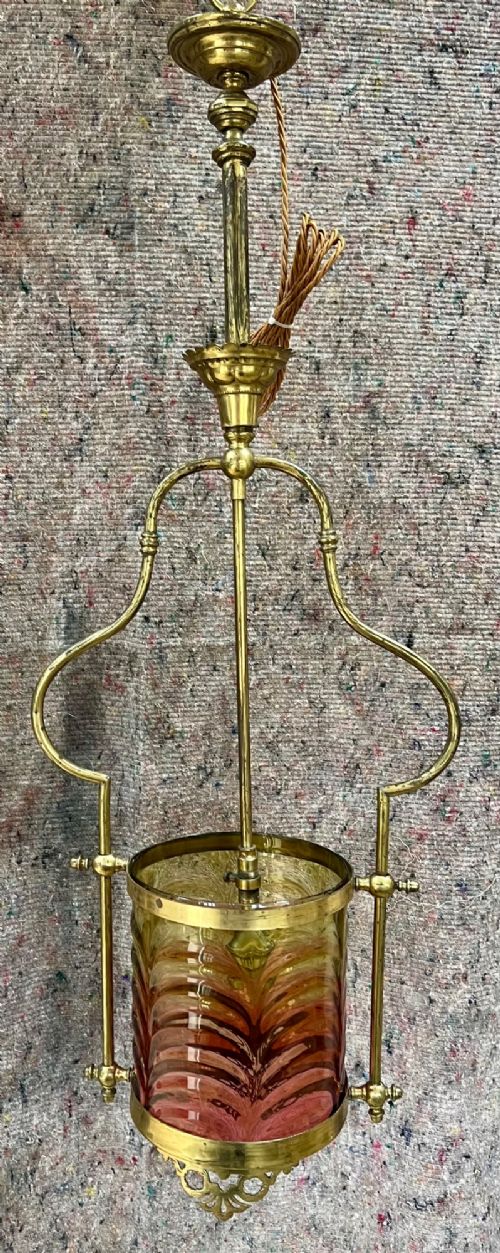
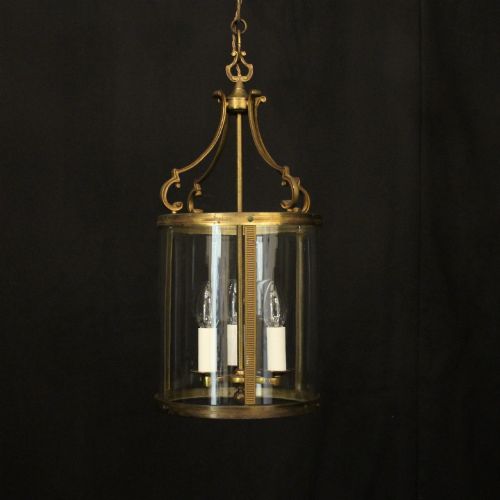
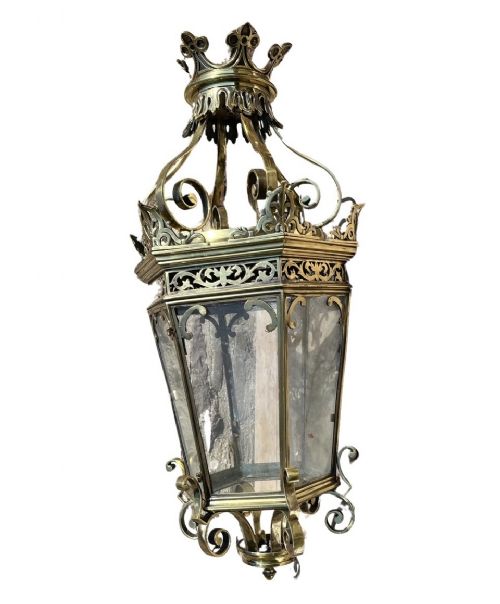
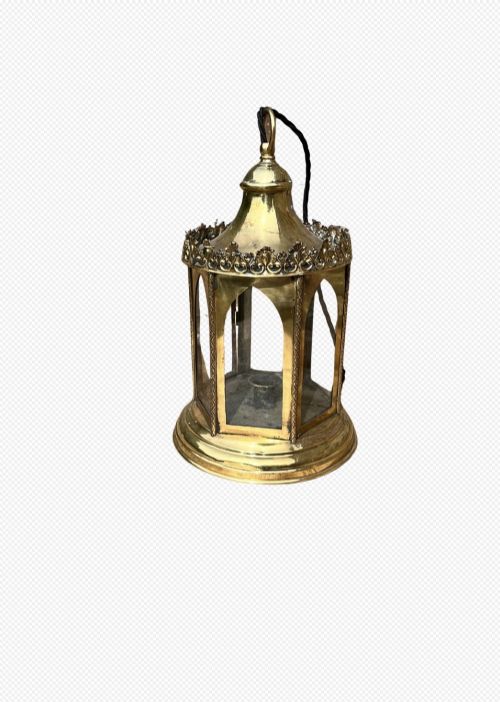
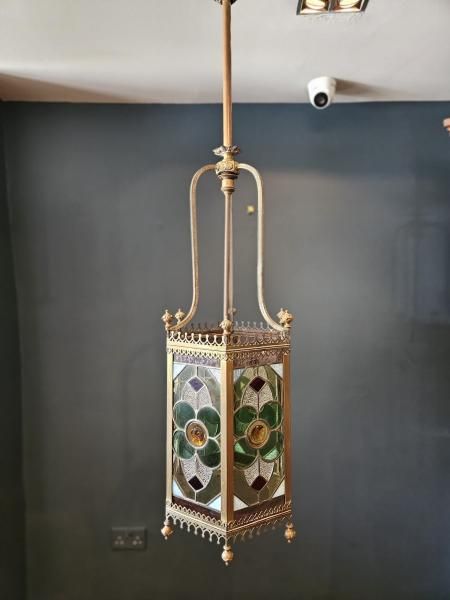
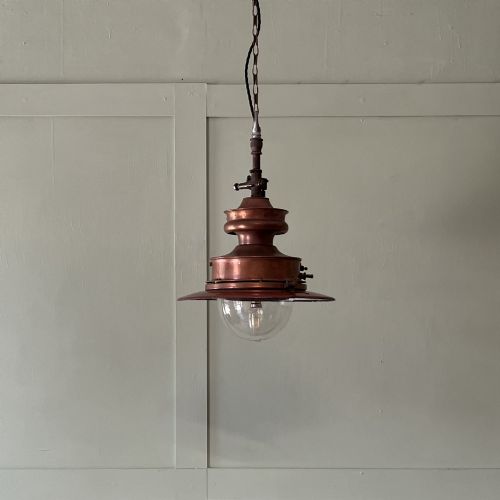
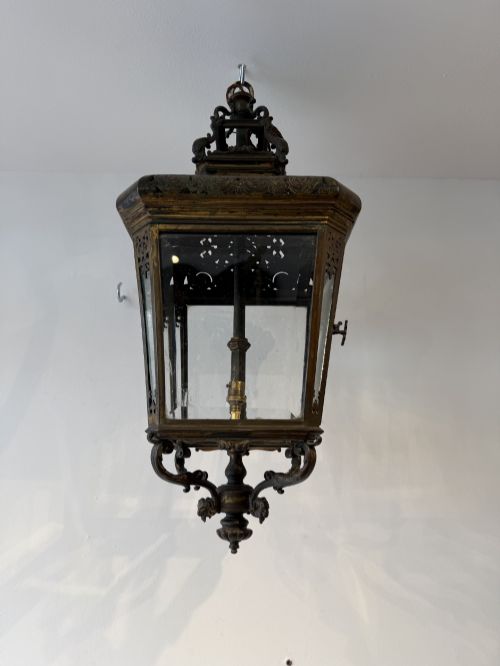
A victorian ceiling lantern provides functional illumination in entrance halls, stairwells, and landings using enclosed metal frames suspended from chains or rods. The items listed here span the nineteenth century into the early twentieth century, taking forms such as hexagonal frames, bell jars, and rectangular hall lanterns.
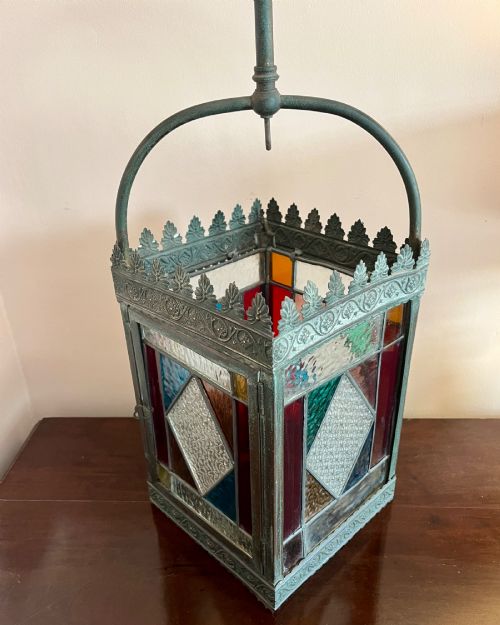
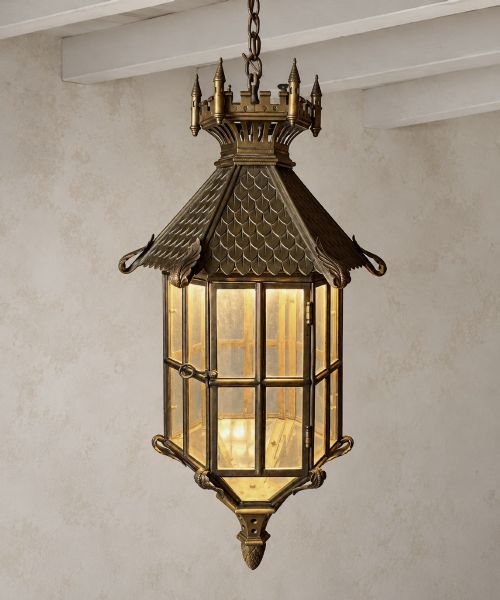
Most examples originate from British workshops or French foundries, appearing in distinct stylistic variations including Gothic Revival, French Neoclassical, and Arts and Crafts. Buyers encounter brass and copper structures housing plain, coloured, leaded, or stained glass panels designed to cast warm light across a threshold.
Materials and construction techniques
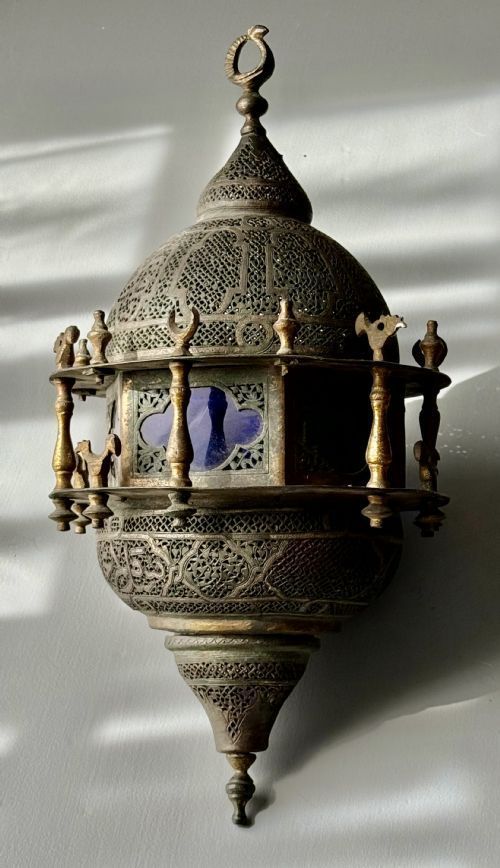
Metal frames take shape through casting, piercing, and soldering of brass, bronze, gilt bronze, copper, and lead. Artisans assemble structural components using mechanical joints, securing glass panes into channels or lead cames within the metal framework.
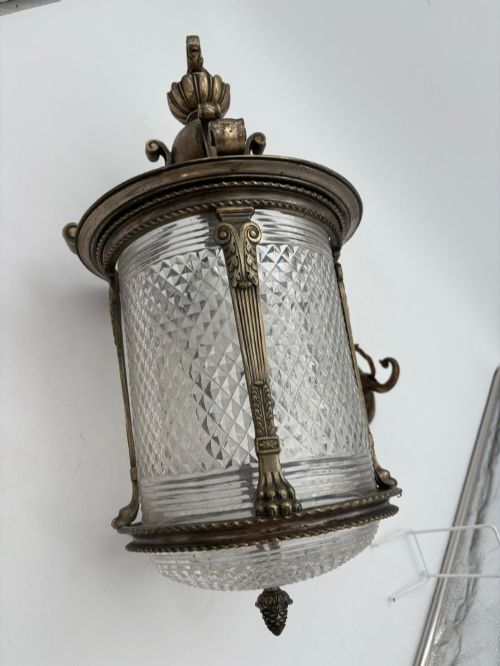
Glazing methods include hand-blown crystal, diamond cutting, opaline and stained glass, alongside etched panels. Internal lighting mechanisms range from early paraffin burners to later electrical conversions featuring wired lamp holders.
Victorian Ceiling Lantern Retail Price Guide 2026
Typical asking prices for victorian ceiling lantern among the pieces listed under this phrase on Sellingantiques today, from the lower quarter to the upper quarter. They describe what is for sale here now, not the wider market.
Materials across the inventory include brass, bronze, copper, lead, and various types of glass ranging from opaline to diamond-cut crystal.
Determinants of quality
Quality rests in the weight of the metal casting, the crispness of chased or pierced ornament on the brass and bronze frames, and the thickness of the glass. Superior examples feature multi-light internal clusters and hand-blown or heavy bevelled glass panes that retain their original patination.
Subtleties of construction separate standard production pieces from finer commissions, such as door catches that operate smoothly, tight joints in leaded glazing, and substantial hanging loops secured firmly to the primary structure.
Perry And Co·Pugin
The Victorian Ceiling Lantern Glossary
- Gilt bronze
- Metal alloy treated with a fine layer of gold to give a rich, durable surface finish. It appears frequently on French lanterns of the period.
- Lead came
- Slender grooved strips of lead used to hold individual pieces of cut glass together in decorative window and lantern panels. This technique allows for geometric or figurative designs.
- Opaline glass
- Opaque or translucent white glass that diffuses light evenly without harsh glare. It was commonly employed in pendant fixtures to soften internal illumination.
- Bell jar
- A rounded, dome-shaped glass shade resembling a laboratory jar, suspended from a metal crown. These items offer unobstructed downward light distribution in hallways.
- Patina
- The surface sheen and oxidation developed on metals through age and handling. Collectors value this natural darkening for the evidence of authenticity it provides.
Victorian Ceiling Lantern: Frequently Asked Questions
Where should a hanging lantern go?
These fixtures suit entryways, hallways, and high-ceilinged stairwells where overhead clearance allows for suspended chains and frames. They direct illumination downward while framing the threshold.
Position the fixture so the lowest point clears head height, ensuring safe passage underneath while maintaining visual balance within the vertical space.
Are these lights wired for electricity?
Many surviving examples receive modern electrical conversions to meet current safety standards while retaining their period frames and glass shades. Rewiring replaces old internal components with safe circuits.
Check individual descriptions to confirm whether a piece operates on electricity or retains original oil-burning mechanisms such as paraffin burners.
How do I identify a Gothic Revival piece?
Gothic Revival items display architectural motifs drawn from medieval design, including pointed arches, tracery, and heavy pierced metalwork. These details reflect nineteenth-century revivals of earlier building traditions.
Makers working in this style often incorporated dark patinated brass or bronze alongside coloured glass to emulate church and cathedral lighting.
What maintenance do antique glass panels need?
Glass panels require gentle cleaning with a soft cloth and mild solution to preserve surfaces, particularly on stained or etched examples. Avoid harsh abrasives that might damage delicate finishes.
Examine the lead cames or metal clips holding the glass periodically to ensure the panels remain secure within the hanging frame.