



Victorian Cast Iron Tripod Table
These Victorian cast iron tripod tables bring sturdy utility and ornamental charm to gardens, pubs, and interiors alike.
Victorian Cast Iron Tripod Table
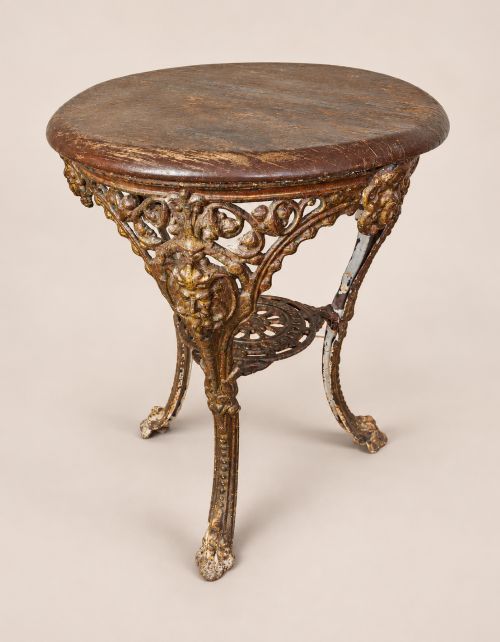
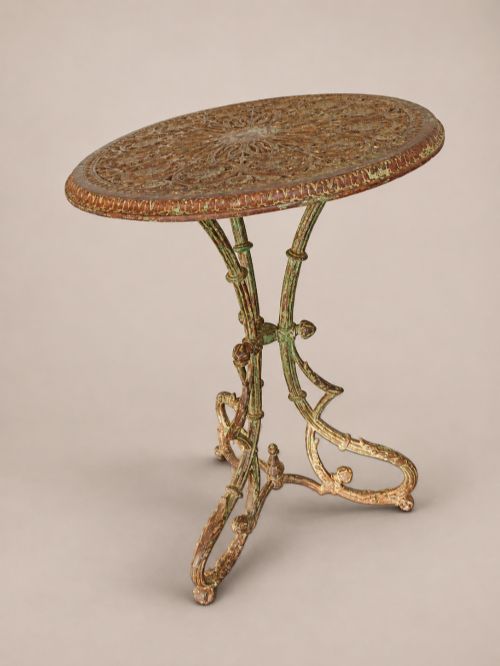
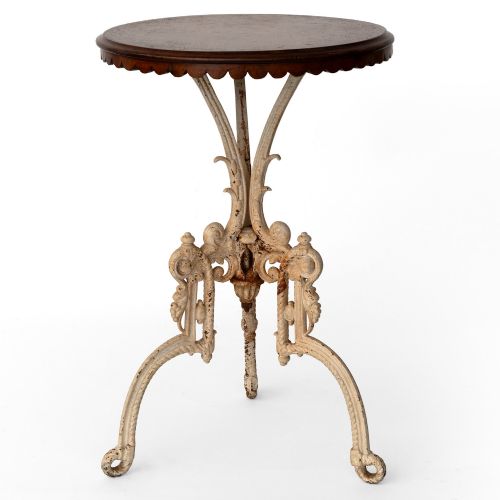
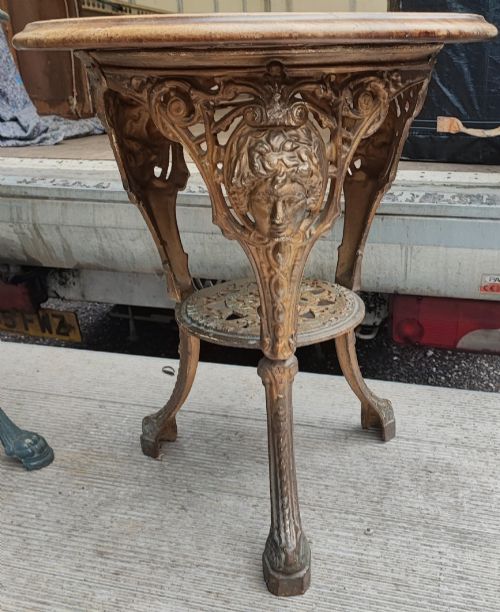
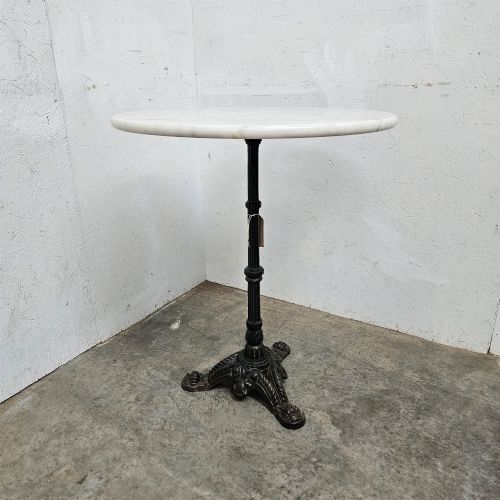
A victorian cast iron tripod table combines a robust three-footed metal pedestal with a timber or stone top, forming a compact and stable stand. You will frequently encounter examples designed for pubs, gardens, and conservatories, reflecting their original commercial and domestic uses.
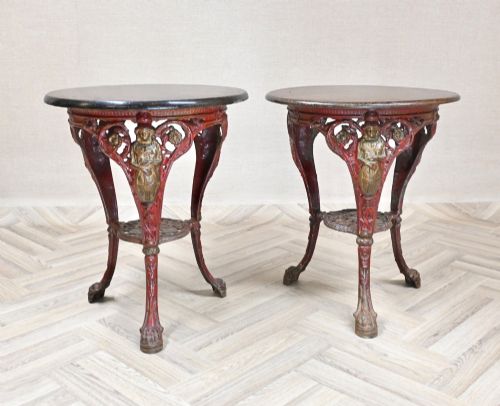
The surviving forms range from side and occasional tables to specific bistro and coffee tables. Many pieces feature scroll work or figural tripod bases paired with original wooden or marble surfaces.
Originating predominantly from the nineteenth century, these tables bridge practical utility and decorative design. The combination of heavy iron bases and varied round tops defines the core of what is available.
How they were made
Foundries cast molten iron into intricate moulds to produce sturdy tripod bases with scroll work and structural supports. These metal legs provide the heavy foundation necessary to balance the lighter round tops.
Makers fitted these iron bases with circular tops fashioned from materials such as mahogany, burr walnut, and white marble. Some tables retain original paintwork on the metal and original timber surfaces, while others combine period components with later tops.
Victorian Cast Iron Tripod Table Retail Price Guide 2026
Typical asking prices for victorian cast iron tripod table among the pieces listed under this phrase on Sellingantiques today, from the lower quarter to the upper quarter. They describe what is for sale here now, not the wider market.
Some pub tables proudly retain their original paintwork, bearing the quiet scars of nineteenth-century ale glasses and bustling tavern floors.
What varies in quality
The refinement of the cast iron base sets the standard, with intricate scroll work and crisp detailing distinguishing finer foundry work from simpler utility pieces. Original surfaces on both the metal and the top carry distinct value compared to later replacements.
Material selection also dictates the tier of the piece, particularly where dense hardwoods like burr walnut or fitted marble slabs are employed. The harmony between the original top and the tripod base determines the overall integrity of the table.
The Victorian Cast Iron Tripod Table Glossary
- Tripod base
- A three-legged pedestal support designed to maintain stability on uneven floors. This configuration is standard for small round tables.
- Scroll work
- Ornamental curved metal detailing cast into the iron frame. This technique adds decorative flair to the structural legs.
- Occasional table
- A small, movable table intended for specific, intermittent use rather than heavy daily dining. These pieces fit easily into corners or beside seating.
- Conservatory table
- A light table suited for sunrooms or garden rooms. They often feature weather-resistant iron frames and decorative tops.
Victorian Cast Iron Tripod Table: Frequently Asked Questions
Where were these tables used originally?
These tables served primarily in pubs, gardens, and domestic conservatories during the nineteenth century. Their sturdy construction made them suitable for both indoor social spaces and outdoor seating areas.
Pub landlords favoured the heavy iron tripod bases for stability, while homeowners placed smaller occasional versions in reception rooms and sunrooms.
Are the tops usually wood or marble?
Both timber and stone surfaces appear frequently on these tripod bases. Mahogany and burr walnut provide warm wooden tones, while white marble adds a cooler, durable surface.
Some tables pair original iron frames with later replacement tops, while others preserve the combination applied by the nineteenth-century maker.
How do I date a cast iron table?
Dating relies on the style of the cast iron base, the fastening methods, and the type of timber or stone used for the top. Nineteenth-century examples often display specific foundry patterns and period wear.
Consulting the design motifs, such as Rococo Revival curves or utilitarian pub styles, helps narrow down the production era.
Can these tables be used outdoors?
Cast iron bases withstand outdoor conditions well, especially when protected with appropriate paint finishes. Garden and bistro tables were built specifically for exterior or semi-covered use.
Wooden or marble tops require more care if kept outside, as moisture and temperature shifts can damage timber grain or stain stone surfaces.