




Victorian Cast Iron Pedestals
Victorian cast iron pedestals provide robust support for garden urns and planters, combining heavy metal strength with classical ornamental design for outdoor spaces.
Victorian Cast Iron Pedestals
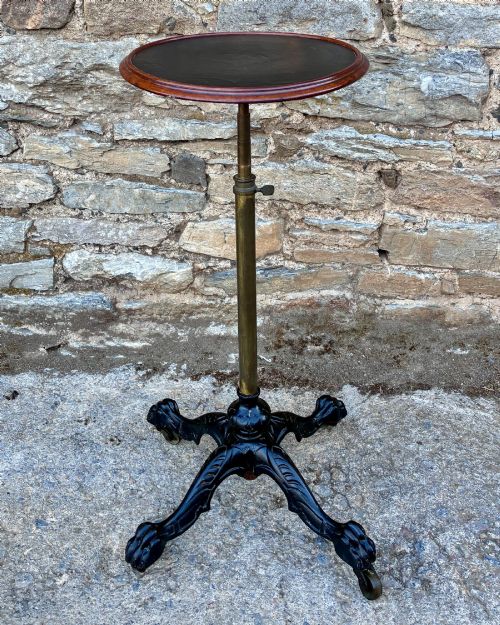
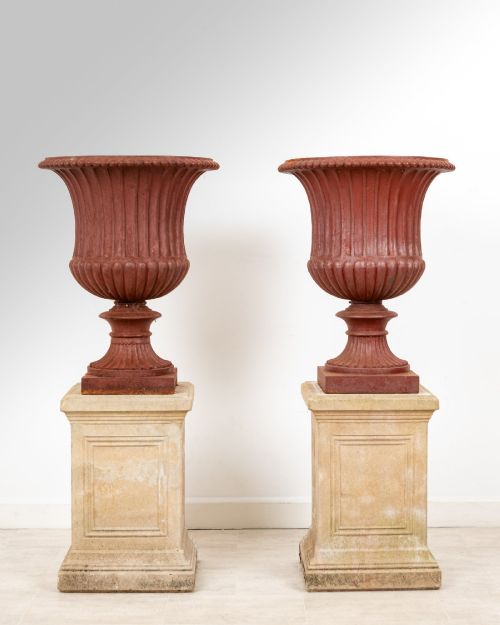
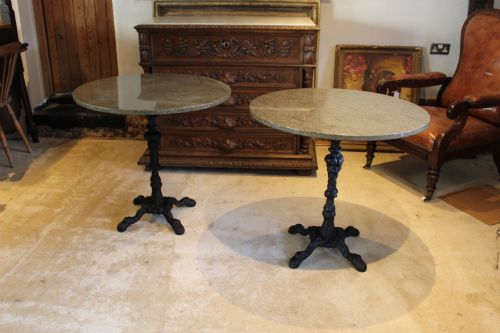
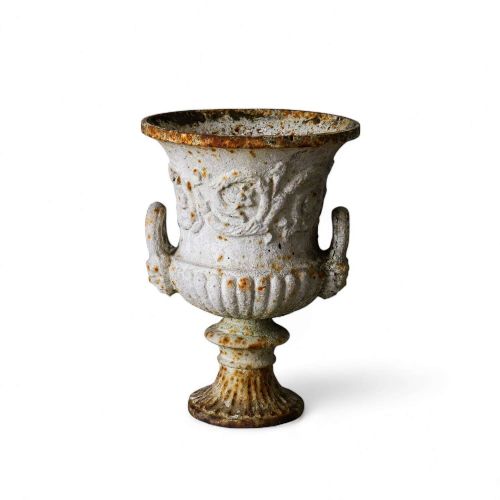
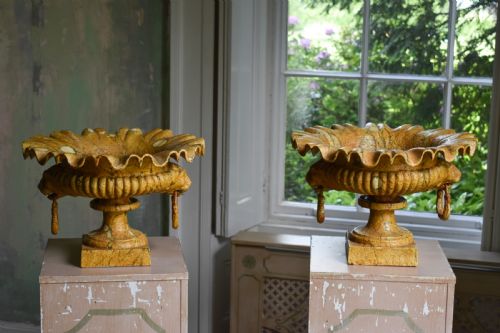
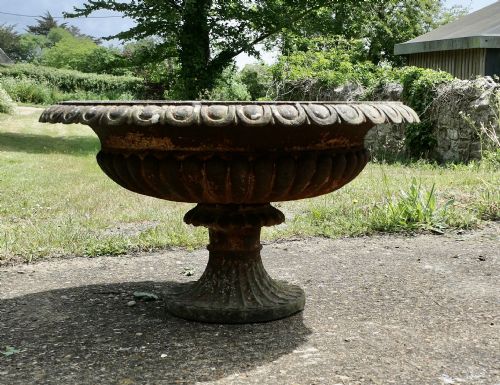
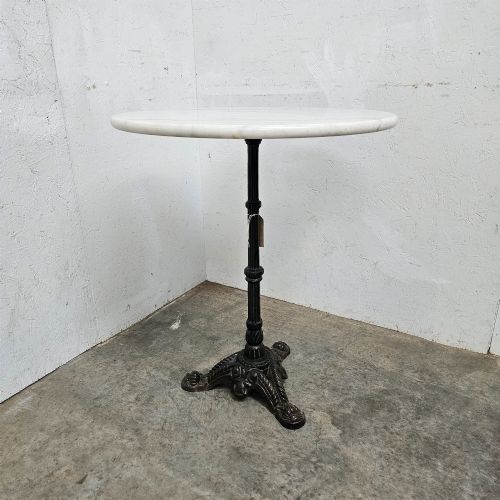
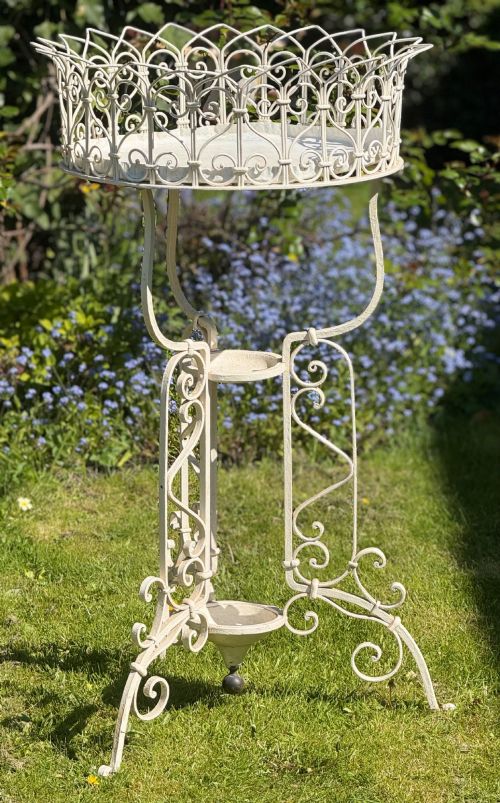
Victorian cast iron pedestals appear primarily as structural column supports, plinths, and stands paired with campana urns, garden planters, and display tables. These pieces originate predominantly from the nineteenth century, reflecting the era's taste for classical garden architecture and heavy ornamentation.
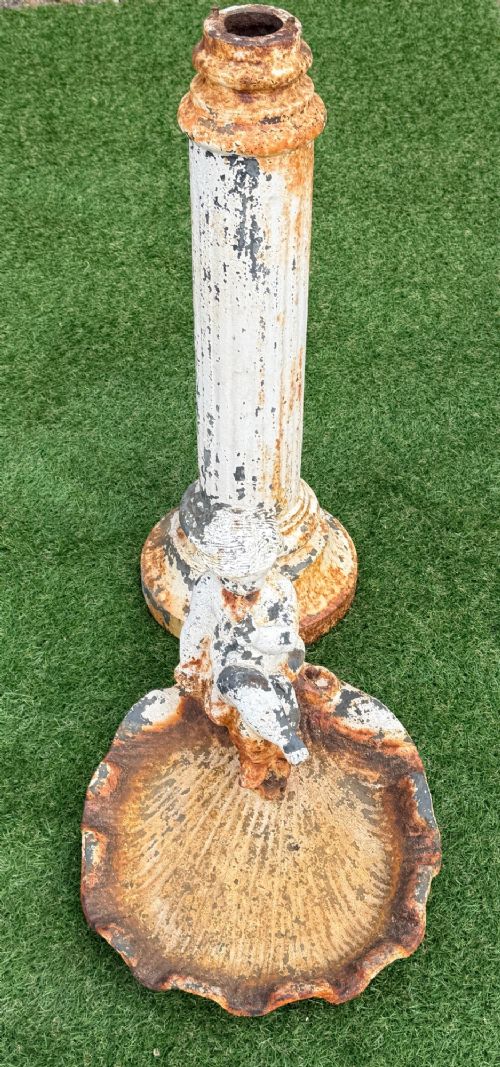
Buyers encounter variations featuring classical revival motifs such as acanthus leaves, gadrooning, and shell forms alongside seated figures. The selection on this page bridges functional garden furniture and sculptural display pieces designed to elevate heavy stone or iron vessels.
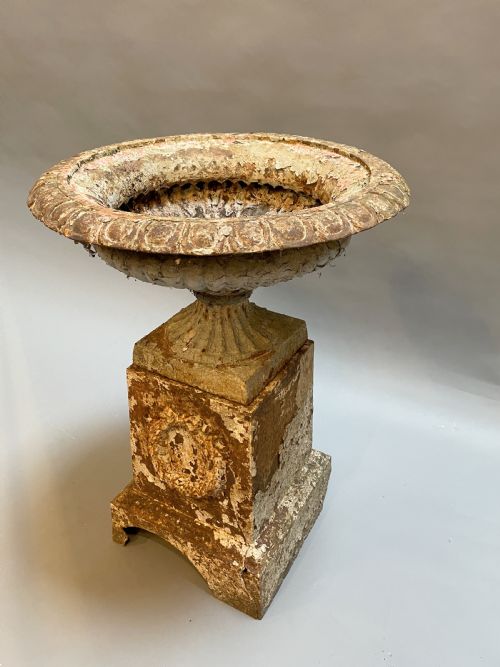
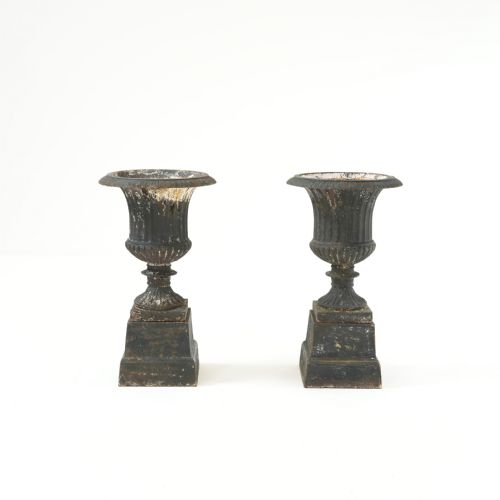
Many examples integrate matching bases or stone pedestals that elevate the central vessel for garden and conservatory placement. These forms range from simple fluted columns to heavy decorative plinths supporting large garden jardinieres.
Materials and Casting Methods
Makers utilised heavy cast iron poured into sand moulds to achieve crisp surface details such as acanthus leaves and classical relief panels. This foundational metal work frequently pairs with secondary materials including polished granite, marble, brass, oak, and stone for tops and supporting plinths.
Protective surface treatments typically involve layers of paint applied over the raw iron to withstand outdoor exposure. Surviving pieces often show centuries of weathering beneath these coatings, which defines their current surface texture.
Listings feature nineteenth-century items incorporating cast iron, wrought iron, stone, granite, brass, and timber.
Evaluating the Castings
Quality rests upon the crispness of the casting detail, where finer examples display sharp relief in ornamental motifs like acanthus leaves and gadrooning without surface pitting. The precision of the initial foundry work dictates whether decorative elements appear refined or softened.
Structural integrity depends on the thickness of the iron and the stability of the joining sections between the pedestal and its urn or top. Heavier metal gauge and secure assembly separate substantial architectural ornaments from lighter utility stands.
Coalbrookdale·Andrew Handyside
The Victorian Cast Iron Pedestals Glossary
- Plinth
- A heavy rectangular or square base block supporting a column, urn, or statue. It provides stability and visual weight to elevated garden ornaments.
- Gadrooned
- Decorated with a series of convex curves or flutes moulded along the lower body of an urn or pedestal. This classical detail adds texture to cast iron surfaces.
- Jardiniere
- An ornamental pot or stand designed to hold growing plants or flowers. These items appear in both indoor conservatory settings and open gardens.
Victorian Cast Iron Pedestals: Frequently Asked Questions
How do I secure these heavy pedestals outdoors?
Their substantial weight usually keeps them stable on level ground without permanent fixings. Placing them on a solid stone or paved foundation prevents sinking into soil.
For exposed windy locations, ensure the pedestal and its paired urn sit flush on the supporting surface to maintain balance.
Can these stands remain outside through winter?
Cast iron handles cold temperatures well, provided water does not pool and freeze inside connected vessels or unsealed joints. Regular checks for moisture accumulation protect the structural integrity of the metal.
Applying protective paint coatings helps prevent rust formation during prolonged damp weather.
How should I clean weathered cast iron?
Gentle brushing removes surface dirt and loose debris without damaging the historic paint layers underneath. Avoid harsh chemical strippers that strip away patination accumulated over decades.
Light washing with water and mild soap maintains the surface condition of both painted and weathered iron.
How do I date a cast iron pedestal?
Nineteenth-century pieces often display foundry marks, registration numbers, or distinct classical revival styling such as acanthus leaf moulding. Comparing the casting crispness and construction joints helps determine the period.
Catalogues from known foundries like Coalbrookdale provide comparative references for specific urn and pedestal designs.