



Victorian Cast Iron Accessory
These victorian cast iron accessory pieces bring hearth and desk hardware from the nineteenth century into everyday use.
Victorian Cast Iron Accessory
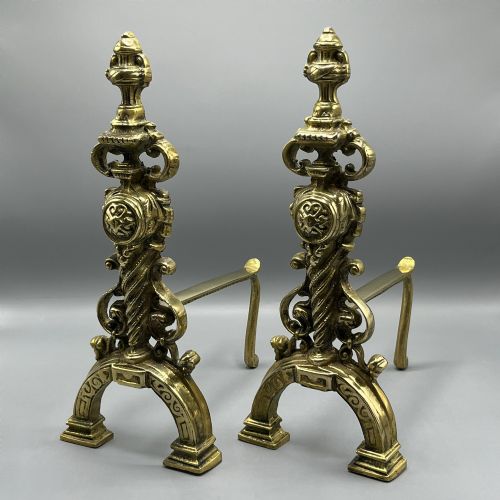
When you search for a victorian cast iron accessory, you encounter utilitarian and decorative objects made during the nineteenth century. These items include fireplace components, desk items, and boot scrapers.
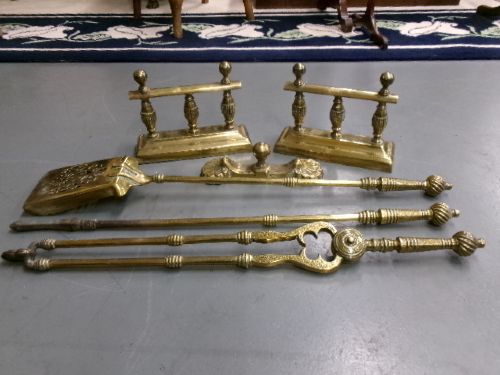
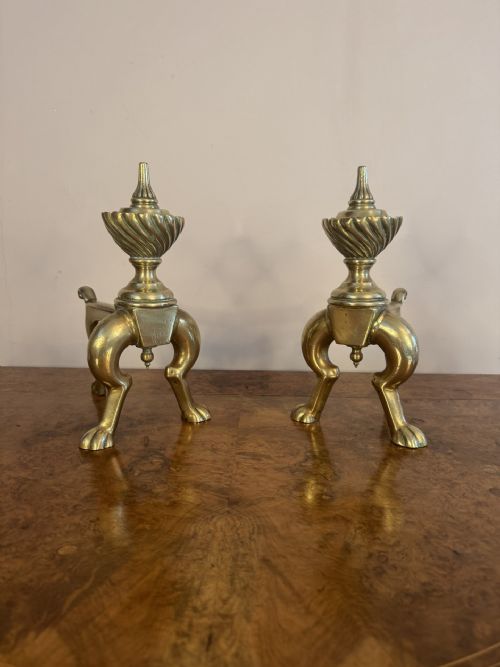
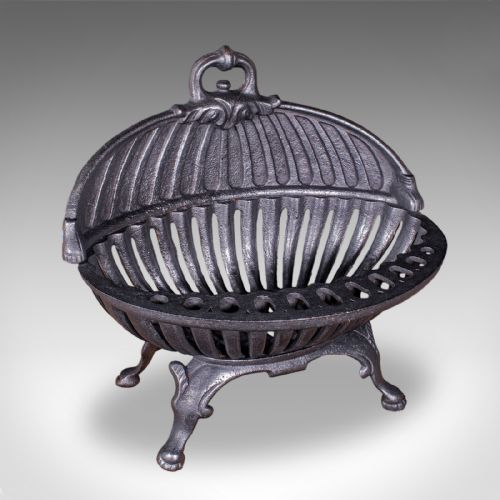
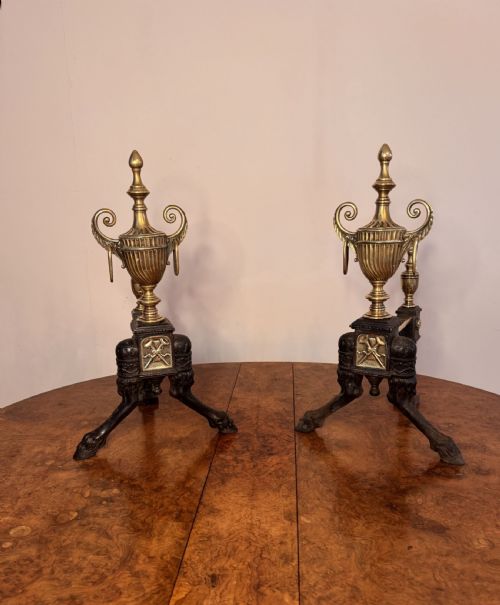
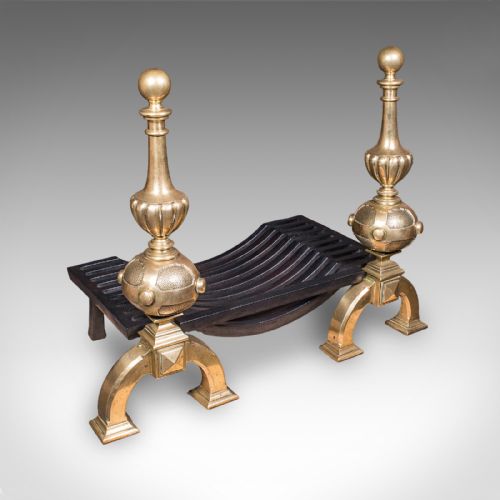
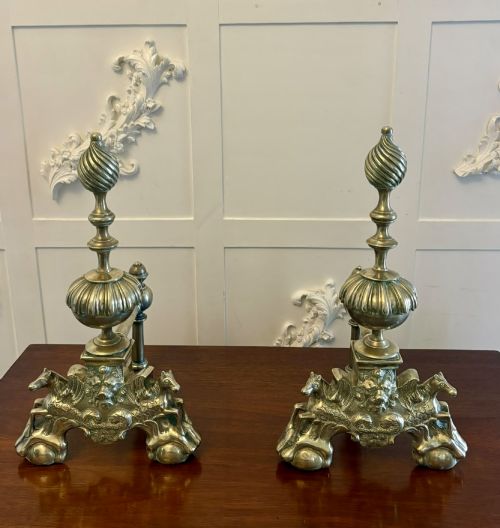
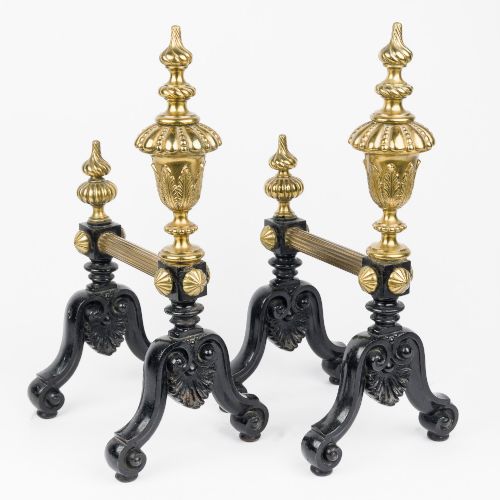
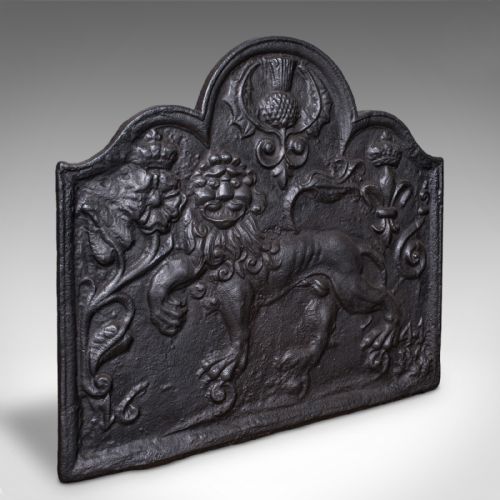
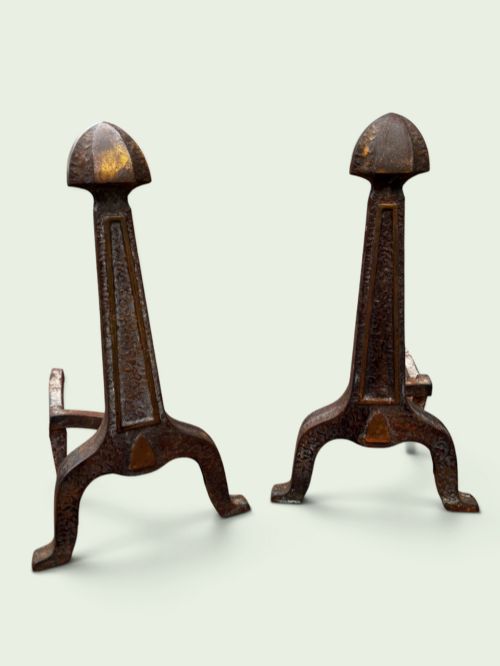
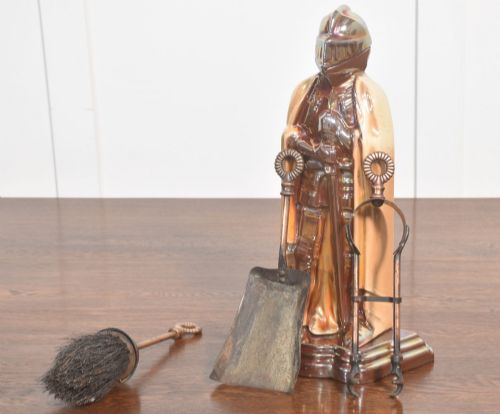
The hearth pieces dominate the selection, ranging from fire dogs and companion sets to fenders, grates, and fire backs. Alongside these domestic ironmongery items sit smaller desk accessories like heavy paperweights.
The designs draw upon Victorian, Gothic Revival, Regency Revival, and Neoclassical styles. Makers combined cast iron with brass, steel, and oak to produce durable functional objects.
How they were made
Foundries poured molten iron into sand moulds to create the heavy cast components seen in fire dogs, grates, and paperweights. Wrought iron and steel were worked separately for tools and bars that required tensile strength.
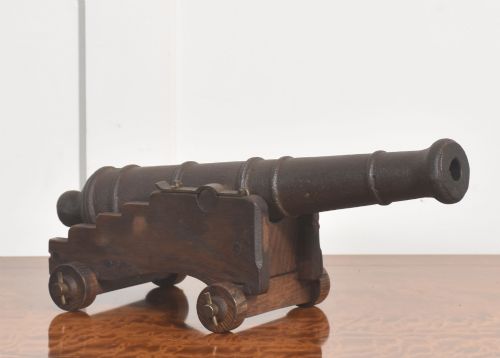
Many items incorporate brass elements such as finials, handles, or mounts attached to the iron bodies. Oak and painted metal also appear in specific pieces like carriages and companion sets.
Victorian Cast Iron Accessory Retail Price Guide 2026
Typical asking prices for victorian cast iron accessory among the pieces listed under this phrase on Sellingantiques today, from the lower quarter to the upper quarter. They describe what is for sale here now, not the wider market.
One heavy iron paperweight commemorates the Manchester man, Rev Joshua Brooks, keeping your bills firmly anchored.
What varies in quality
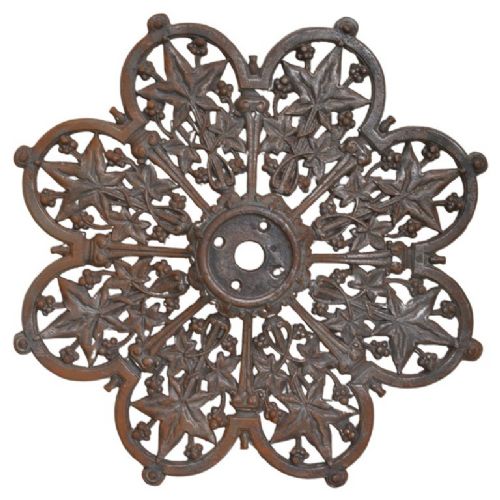
The standard of a victorian cast iron accessory depends on the crispness of the casting and the weight of the metal used. Finer examples display sharp, well-defined decorative motifs such as ivy leaves or neoclassical ornament rather than smoothed or pitted surfaces.
Construction methods also separate utilitarian output from finer decorative pieces, particularly in the assembly of multi-part fire dogs, companion sets, and grates using solid brass fittings and robust fixings.
Coalbrookdale
The Victorian Cast Iron Accessory Glossary
- Andirons
- Supports used to hold logs in an open fireplace, often featuring decorative brass fronts.
- Footman
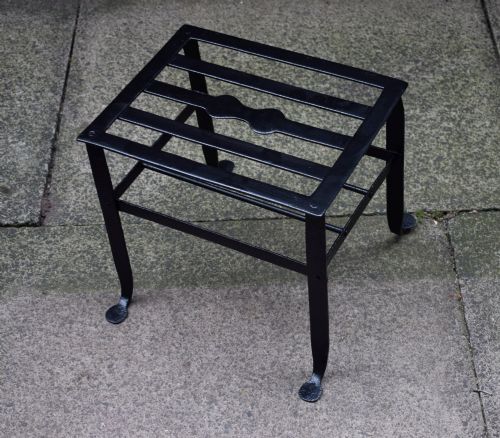
- A metal stand placed by the hearth to keep food or Kettles warm.
- Boot scraper
- A stationary metal blade or scraper fixed near a doorway to clean mud from footwear.
- Fire back
- A heavy iron plate placed at the back of a fireplace to reflect heat and protect the masonry.
Victorian Cast Iron Accessory: Frequently Asked Questions
What is a Victorian fire dog?
Fire dogs are metal supports placed inside a fireplace to hold logs above the hearth. They often feature decorative fronts made of brass or cast iron.
Pairs of fire dogs frequently accompany matching fire irons or grates to form a complete hearth arrangement.
How were cast iron paperweights used?
Heavy cast iron paperweights held loose documents and bills in place on nineteenth-century desks. Their substantial weight prevented papers from scattering in draughty rooms.
Some examples took the form of specific portraits or decorative motifs like ceiling roses.
What styles influence these accessories?
The items reflect nineteenth-century revivals including Gothic Revival, Regency Revival, and Neoclassical design. Makers adapted historical architectural motifs for domestic hardware.
These stylistic elements appear on fireplace fenders, andirons, and boot scrapers alike.
Where were boot scrapers placed?
Boot scrapers stood outside exterior doorways to remove mud and dirt from shoes before entering the house. They were typically secured near the threshold using heavy iron frames.
Cast iron examples often incorporated decorative scrollwork or figural designs.